Repatha Storage: Refrigeration, Light, and Handling
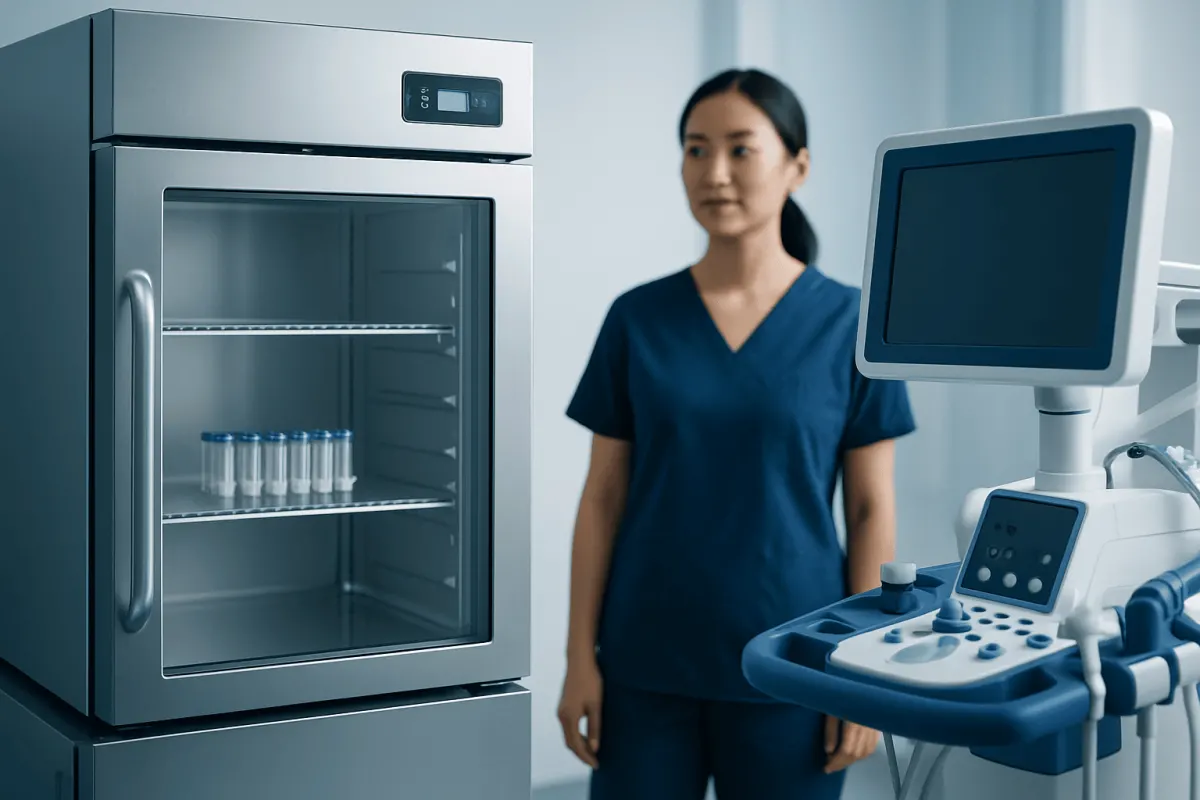
Repatha storage is important because this injectable cholesterol-lowering medicine is a biologic product that can be affected by heat, freezing, light, and shaking. Following the instructions on the carton and patient leaflet helps protect the medicine until it is time for an injection.
Repatha Storage at a Glance
Repatha storage involves keeping the medicine refrigerated at 2°C to 8°C (36°F to 46°F), in its original carton to protect it from light. It should not be frozen, shaken, or exposed to direct heat. Repatha is the brand name for evolocumab, an injectable medicine used to lower certain types of high cholesterol and reduce cardiovascular risk in selected patients.
If refrigeration is not possible for a short period, Repatha can generally be stored in its original carton at room temperature, up to 25°C (77°F), for no more than 30 days. Once it has been kept at room temperature, it should be used within that time or discarded; it should not be returned to the refrigerator. Patients should always confirm the instructions in the leaflet supplied with their particular Repatha device, as packaging and local labeling may vary.
Correct handling does not make an injection more or less effective on its own, but improper storage can affect the stability of a biologic medicine. When there is uncertainty about a pen or syringe, the safest step is to avoid using it until a pharmacist, nurse, or prescribing clinician has advised what to do.
Why Storage Matters for Repatha
Repatha is a monoclonal antibody medicine. Like other protein-based medicines, it is more sensitive to unsuitable temperatures and rough handling than many standard tablets. Freezing, overheating, prolonged room-temperature storage, or vigorous shaking may damage the medicine in ways that cannot reliably be seen from the outside.
The original carton has a practical purpose: it protects the device from light and helps patients identify the product, expiry date, and instructions. It is best to place the carton on a stable shelf in the main refrigerator compartment rather than in the door, where temperatures may fluctuate whenever the refrigerator is opened.
Storage guidance is part of safe medication use, alongside taking the prescribed dose and attending recommended lipid and cardiovascular follow-up. Repatha is often used as part of a wider plan that may include nutrition, physical activity, and other lipid-lowering medicines recommended by a clinician.
Refrigerator Storage and Room-Temperature Limits

Unopened Repatha should be stored in a refrigerator between 2°C and 8°C (36°F and 46°F). It should remain in the original carton until use. Avoid placing it against the back wall or cooling element of a refrigerator, where accidental freezing is more likely, and keep it away from freezer compartments.
When travel, a power interruption, or daily routines make refrigeration temporarily unavailable, room-temperature storage may be appropriate within the product instructions. The usual limit is up to 25°C (77°F) for a maximum of 30 days, provided the medicine remains in its carton and is protected from light. Exposure to temperatures above the stated limit may mean the product should not be used.
It can be helpful to write down the date and time when Repatha is first removed from the refrigerator. This gives a clear record of the 30-day period and reduces uncertainty later. If a patient does not know how long the medicine has been at room temperature, a pharmacist should be contacted before the injection is used.
- Do not freeze the pen, syringe, or cartridge.
- Do not place it in direct sunlight, a hot car, or near heaters.
- Do not return it to the refrigerator after it has been stored at room temperature.
- Do not use it after the expiry date shown on the packaging.
How to Prepare Repatha for an Injection
Before an injection, Repatha should be removed from the refrigerator and allowed to reach room temperature naturally. The time needed depends on the device type, so patients should follow the package leaflet or instructions provided by their healthcare team. Warming it gradually can make the injection more comfortable.
Do not speed up warming with a microwave, hot water, hair dryer, heating pad, or direct sunlight. These methods can expose the medicine to temperatures outside the recommended range. The device should also not be shaken, as shaking can affect protein-based medicines.
Before use, inspect the medicine through the viewing window if the device has one. The solution is typically clear to pale yellow. Do not use Repatha if it looks cloudy, discolored, contains particles, or if the pen or syringe appears cracked, leaking, or otherwise damaged. A clinician or pharmacist can advise on replacement and safe disposal.
Patients should use the injection device exactly as trained. Repatha is prescribed for cholesterol conditions that may include high cholesterol, but it does not replace individualized medical advice about treatment schedules, injection technique, or ongoing blood testing.
Travel, Power Outages, and Everyday Practicalities
For travel, Repatha should be protected from light and kept within its recommended temperature range. A suitable insulated travel container may help, but the medicine should not sit directly on ice packs or frozen gel packs because direct contact can freeze it. Patients planning longer trips should discuss storage arrangements with a pharmacist or clinical team before departure.
During a refrigerator power outage, keeping the refrigerator door closed as much as possible may help maintain a stable temperature. If the medicine has been exposed to warm conditions, patients should note the approximate temperature and duration where possible. A pharmacist can then give more specific guidance based on the product instructions and the circumstances.
Repatha should be stored out of the reach and sight of children. Used pens or syringes are generally placed immediately in an approved sharps container, not household recycling. Local rules for disposal differ, so a pharmacy or healthcare service can explain the available options.
Patients taking Repatha because of inherited cholesterol disorders may also benefit from specialist assessment of personal and family cardiovascular risk. This can be relevant in conditions such as familial hypercholesterolemia, where long-term treatment planning and family screening may be considered.
Common Storage Myths and the Evidence
Myth: Repatha must always stay refrigerated until the exact moment of injection. Refrigeration is the preferred way to store unopened Repatha, but approved labeling generally permits a limited period at room temperature: up to 25°C (77°F) for up to 30 days. The carton and patient leaflet remain the most reliable source for the device in hand.
Myth: If Repatha was left out briefly, it is automatically unsafe. Not necessarily. A short period at room temperature may fall within the permitted storage window. However, no one should guess when there has been exposure to heat, direct sunlight, freezing temperatures, or an unknown length of time outside recommended conditions.
Myth: A frozen pen can be thawed and used. Repatha should not be used if it has been frozen, even if it appears normal after thawing. Freezing may affect the medicine in ways that cannot be confirmed by appearance alone.
Myth: Shaking helps mix the medicine. Repatha does not need shaking. Keeping the device still and handling it gently supports appropriate use. If a device has been dropped, visibly damaged, or shaken vigorously, a pharmacist should be asked whether it needs replacing.
When to Seek Medical Care
Patients should contact their pharmacist, prescribing clinician, or healthcare team promptly if Repatha may have frozen, become hot, been exposed to sunlight, been left at room temperature longer than allowed, or if its storage history is unknown. They can advise whether the medicine can still be used or whether a replacement is needed.
Medical advice is also appropriate if there are questions about a missed dose, injection technique, unexpected side effects, or whether Repatha remains suitable alongside other medicines. Patients should not change their prescribed treatment schedule without professional guidance.
Urgent medical care is needed for symptoms that could suggest a severe allergic reaction, such as trouble breathing, swelling of the face, lips, tongue, or throat, widespread hives, or faintness. These reactions are uncommon, but they require immediate assessment.
Acıbadem Health Point’s multidisciplinary specialists and JCI-accredited hospitals support international patients with assessment and management of cholesterol-related conditions, including decisions about lipid-lowering treatment and follow-up.
Frequently asked questions
01Does Repatha need to be refrigerated?
Yes. Repatha should normally be kept in a refrigerator at 2°C to 8°C (36°F to 46°F) and stored in its original carton to protect it from light. It should not be frozen or stored close to a refrigerator cooling element.
02How long can Repatha stay out of the refrigerator?
Repatha can generally be kept at room temperature up to 25°C (77°F) for up to 30 days when kept in its original carton. Once it has been stored at room temperature, it should not be placed back in the refrigerator. Patients should check their own package leaflet and ask a pharmacist if the timing is uncertain.
03What should happen if Repatha freezes?
Repatha should not be used if it has been frozen. It should not be thawed for later injection, even if the liquid looks normal. A pharmacist or prescribing clinician can advise how to obtain a replacement and dispose of the affected device.
04Can Repatha be stored in a refrigerator door?
It is usually better to store Repatha on a stable shelf in the main refrigerator compartment. The door may experience greater temperature changes each time it is opened. The device should remain in its original carton and away from areas where it could freeze.
05Should Repatha be warmed before injection?
Yes, it should be allowed to warm naturally to room temperature before injection, following the timing instructions for the specific device. Do not use artificial heat such as hot water, a microwave, or a heating pad. Do not shake the pen or syringe.
06Can Repatha be taken on a flight or long journey?
Yes, with appropriate planning. Keep it in its carton, protect it from light, and use an insulated travel container if needed without allowing the device to touch ice or frozen packs directly. For longer travel or uncertain temperatures, patients should seek advice from their pharmacist or healthcare team before leaving.
This article is for general information only and is not a substitute for professional medical advice. Please consult a qualified doctor about your individual situation.
Heart care in Turkey — expert evaluation and treatment
JCI-accredited · board-certified surgeons · reply within 24h
Add us as a Preferred Source to see more of our trusted health content across Google Search, AI Overviews and Discover.