Reflexotherapy Foot Map: Procedure, Benefits, Risks and Recovery
Key Takeaways
- A reflexotherapy foot map is a visual guide used during foot reflexology sessions.
- The practice is generally aimed at relaxation, stress reduction, and a sense of well-being.
- Reflexotherapy is not a proven substitute for medical care and should be viewed as complementary.
- Most sessions are gentle, but people with certain foot conditions or health concerns may need caution.
- Recovery is usually immediate, with possible mild temporary tenderness after treatment.
A reflexotherapy foot map is a guide used in foot reflexology to relate different areas of the feet to the body. It is a complementary practice that some people use for relaxation and symptom relief, but it should not replace medical diagnosis or treatment.
Overview
A reflexotherapy foot map is a chart that shows how different parts of the feet are traditionally linked to other areas of the body. In reflexology sessions, a practitioner uses this map as a guide while applying pressure to specific points on the feet. For many people, the main reason to try it is simple: they want a quiet, hands-on therapy that may help them unwind.
Reflexotherapy is best understood as a complementary practice rather than a medical treatment. It may be used alongside standard care for stress, tiredness, or general discomfort, but it does not diagnose disease and does not replace evaluation by a qualified clinician when symptoms need proper attention.
For international patients deciding whether to seek care abroad, it helps to think of reflexotherapy as one part of a wider wellness or rehabilitation plan. A clear explanation of the technique, realistic expectations, and a review of current health conditions are more important than any map alone.
How the reflexotherapy foot map is used
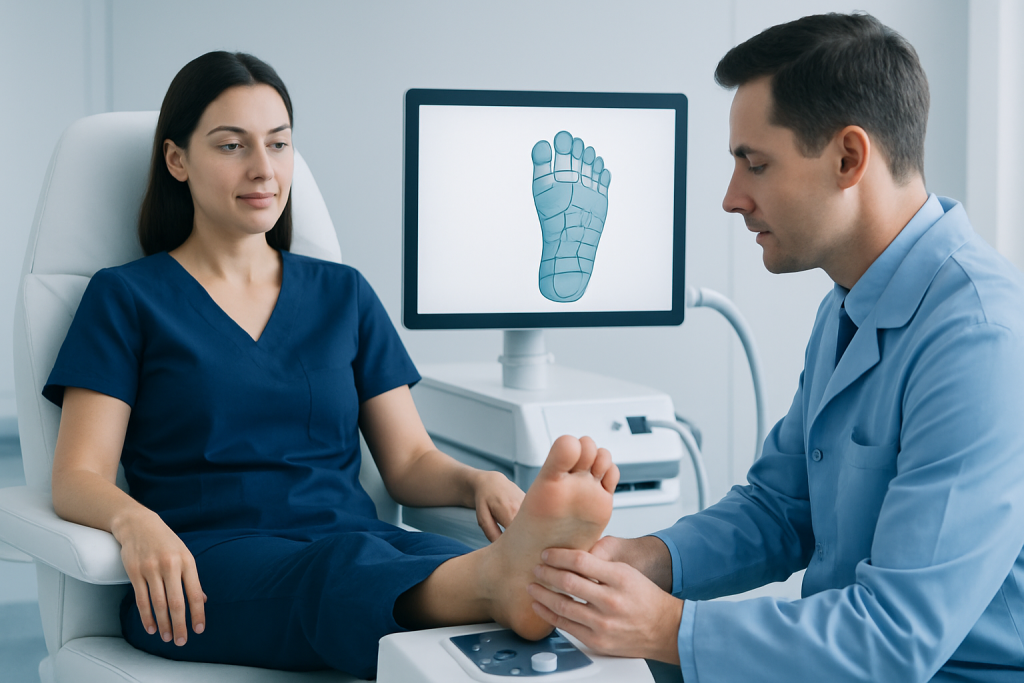
It is important to separate the map from medical anatomy. A reflexotherapy foot map is not the same as a diagnostic chart, and tenderness in a foot zone does not confirm a problem in the related body part. For that reason, the map is best viewed as a framework used within a traditional practice, not as evidence of illness.
Because the technique is hands-on, communication matters. The person receiving treatment should say if pressure feels uncomfortable, if a certain area is sensitive, or if they have concerns such as diabetes, vascular disease, neuropathy, recent surgery, or active skin problems on the feet.
Potential benefits
Many people seek reflexotherapy because it feels restorative. A calm room, focused touch, and a chance to rest can all support relaxation. Some individuals report reduced stress, a better mood, improved sense of ease, or temporary relief from tension after a session.
Reflexotherapy is also sometimes used by people who want supportive care while dealing with fatigue, travel strain, or long periods of standing. Even when the effects are subtle, a well-conducted session may offer a structured pause that helps the body and mind settle.
Evidence for specific medical benefits remains limited, so expectations should stay practical. The most reliable benefit for many people is comfort, not cure. That said, relaxation itself can be meaningful, especially for patients managing demanding schedules or recovering from intensive medical visits abroad.
Risks and limitations
Reflexotherapy is usually low risk when performed gently by a trained practitioner, but it is not risk-free. Temporary soreness, mild redness, or light sensitivity in the feet can occur after treatment. These effects are generally short-lived.
There are situations where caution is wise. People with foot ulcers, infections, fractures, severe swelling, blood clot concerns, advanced peripheral neuropathy, or serious circulation problems should seek medical guidance before any foot-based therapy. The same is true for people who have recently had surgery or who are taking blood-thinning medication and have fragile skin.
The main limitation is that reflexotherapy should not delay diagnosis or treatment of real symptoms. Ongoing pain, numbness, fever, breathlessness, chest discomfort, sudden swelling, or unexplained weight loss need medical assessment rather than reflexology. A supportive therapy can sit alongside care, but it should not stand in its place.
What a session is like
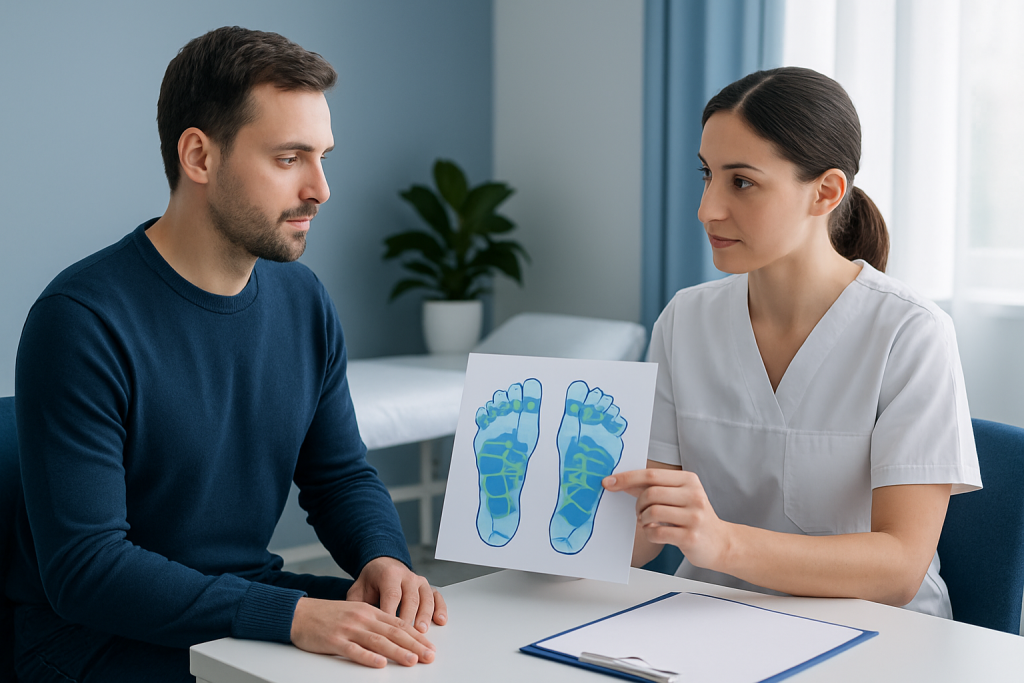
A typical session begins with a short discussion about health history, symptoms, and comfort level. The practitioner may inspect the feet, explain the foot map they use, and describe how pressure will be applied. The person usually remains fully clothed and lies back in a chair or treatment couch.
During the session, the practitioner works through the feet in a sequence, sometimes spending more time on areas that feel tender or restricted. Some people find the pressure deeply relaxing; others notice only a pleasant foot massage-like effect. The experience should never feel forced or painful.
Afterwards, many people simply stand up and continue their day. If a person is traveling for care, it is sensible to allow a little extra rest time afterward, especially if the body is already dealing with jet lag, dehydration, or other treatments during the same trip.
Who may need extra caution
Reflexotherapy is not suitable for every person in every situation. Extra caution is appropriate for people with diabetes-related foot concerns, reduced sensation in the feet, open wounds, fungal infections, deep vein thrombosis concerns, severe arthritis in the feet, or a history of bone fragility. In these cases, even gentle pressure may not be appropriate without medical clearance.
Pregnant patients should ask a clinician first, especially if pregnancy is high risk or if there are complications. Children, older adults with fragile skin, and people with complex chronic illness may also need modifications. A responsible practitioner will welcome questions and adapt the session rather than push through discomfort.
When international patients plan care in another country, it is reasonable to share reports, medication lists, and any imaging or lab results before arrival. That helps the team judge whether reflexotherapy is a harmless comfort measure or something that should be avoided in favor of other supportive approaches.
Aftercare and recovery
Recovery after reflexotherapy is usually straightforward because the procedure is non-invasive. Most people leave the session able to walk, work, or continue with light activities. A little water, rest, and comfortable footwear may be all that is needed.
If the feet feel tender, a warm shower, gentle stretching, or a short period of rest can be helpful. There is usually no formal recovery period, but it is sensible to monitor for unusual pain, swelling, bruising, or skin changes. Those findings are not expected and should be reviewed if they persist.
For patients combining reflexotherapy with medical treatment, recovery planning should be coordinated. If the person is undergoing surgery, cancer care, rehabilitation, or managing diabetes, it is best to confirm with the treating team whether foot pressure therapies fit into the overall plan.
When to see a doctor
Medical review is important if foot discomfort lasts beyond the session, if symptoms worsen, or if there are signs of infection or poor circulation. A person should not assume that tenderness on a reflexology map explains pain elsewhere in the body.
It is also wise to seek medical advice for any new or unexplained symptom, especially if it involves the chest, breathing, balance, weakness, numbness, fever, or significant swelling. Those symptoms deserve proper assessment even if a reflexotherapy session seemed to affect them temporarily.
In many cases, the safest approach is a combined one: use reflexotherapy only as a comfort-focused complement, and keep a doctor involved for diagnosis, treatment decisions, and follow-up. For patients considering care abroad, Acibadem Health Point’s multidisciplinary specialists and JCI-accredited hospitals can diagnose and treat the underlying condition while integrating supportive services when appropriate.
Frequently asked questions
01What is a reflexotherapy foot map used for?
It is used as a guide during foot reflexology sessions to show which parts of the feet are traditionally linked to other body areas. Practitioners use it to organize pressure techniques, but it is not a medical diagnostic tool. It should be treated as a framework within a complementary therapy, not proof of disease or cure.
02Does reflexotherapy foot mapping really work?
Many people find reflexotherapy relaxing and may feel temporary symptom relief, especially for stress or tension. However, the evidence for specific medical effects is limited, and results vary from person to person. It is best viewed as supportive care rather than a replacement for treatment.
03Is reflexotherapy the same as a foot massage?
They can feel similar, but they are not identical. Foot massage is usually aimed at easing muscle tension and improving comfort, while reflexotherapy uses a map and specific pressure points based on reflexology theory. In practice, both may feel soothing, but their goals are described differently.
04Can reflexotherapy be done if someone has diabetes?
It depends on the person’s foot health and overall condition. If there is numbness, poor circulation, skin breakdown, or foot ulcers, extra caution is needed and medical advice should come first. A clinician can help decide whether gentle foot therapy is appropriate.
05What should a person feel during a session?
If pain continues after the session, or if there is swelling, bruising, redness that spreads, or trouble walking, medical review is sensible. Reflexotherapy should not create ongoing discomfort. Persistent symptoms usually need a separate explanation.
06How many sessions are needed?
There is no standard number because reflexotherapy is not a fixed medical treatment. Some people try a single session for relaxation, while others choose a short series based on comfort and personal preference. If someone is using it alongside medical care, the timing should be agreed with the treating clinician.
This article is for general information only and is not a substitute for professional medical advice. Please consult a qualified doctor about your individual situation.
Explore treatments in Turkey — costs, top hospitals & a free quote
JCI-accredited · board-certified surgeons · reply within 24h
Add us as a Preferred Source to see more of our trusted health content across Google Search, AI Overviews and Discover.