Really Low Blood Pressure Pregnancy: What You Need to Know
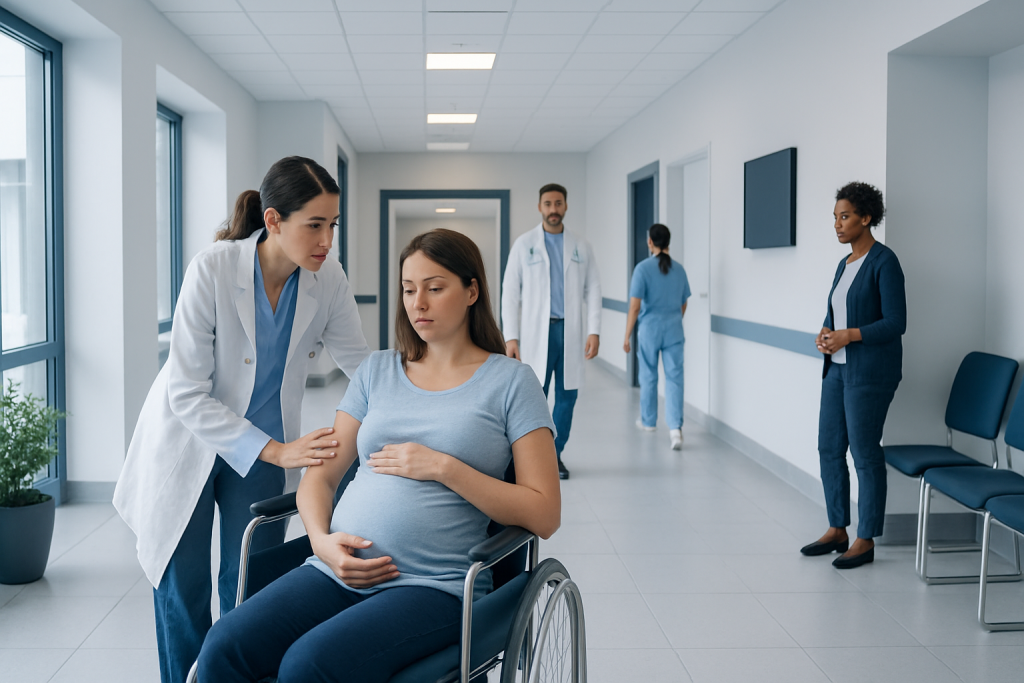
Key Takeaways
- Blood pressure often falls naturally in early and mid-pregnancy because blood vessels relax.
- Symptoms such as dizziness, blurred vision, fainting, or severe weakness deserve medical attention.
- Dehydration, anemia, prolonged standing, and some medical conditions can contribute to low blood pressure.
- Simple measures like hydration, slow position changes, and balanced meals may help many people feel better.
- Urgent assessment is needed if low blood pressure occurs with bleeding, chest pain, shortness of breath, or decreased fetal movement.
Really low blood pressure in pregnancy is often caused by normal pregnancy changes, but it can still lead to symptoms such as dizziness, weakness, or fainting. Most cases are manageable, yet persistent or severe symptoms should be reviewed by a clinician to rule out dehydration, anemia, or other concerns.
Overview
Really low blood pressure in pregnancy usually means the reading is lower than expected for that person and is causing symptoms, rather than simply being a number on the cuff. In many pregnancies, blood pressure drops a little in the first and second trimesters because hormones relax blood vessels and the body adjusts to support the growing baby. For many people, that change is normal and temporary.
The concern starts when the pressure is low enough to cause lightheadedness, fainting, blurred vision, fatigue, or trouble standing for long periods. Those symptoms are often manageable, but they should not be ignored, especially if they appear suddenly or become frequent. A clinician can help determine whether the low reading is part of normal pregnancy physiology or a sign of another issue that needs treatment.
It is also important to look at the whole picture, not just a single blood pressure value. Hydration, blood loss, anemia, medication use, heart problems, infection, and gestational changes can all affect how a pregnant person feels and how blood flows to the body and placenta.
Symptoms
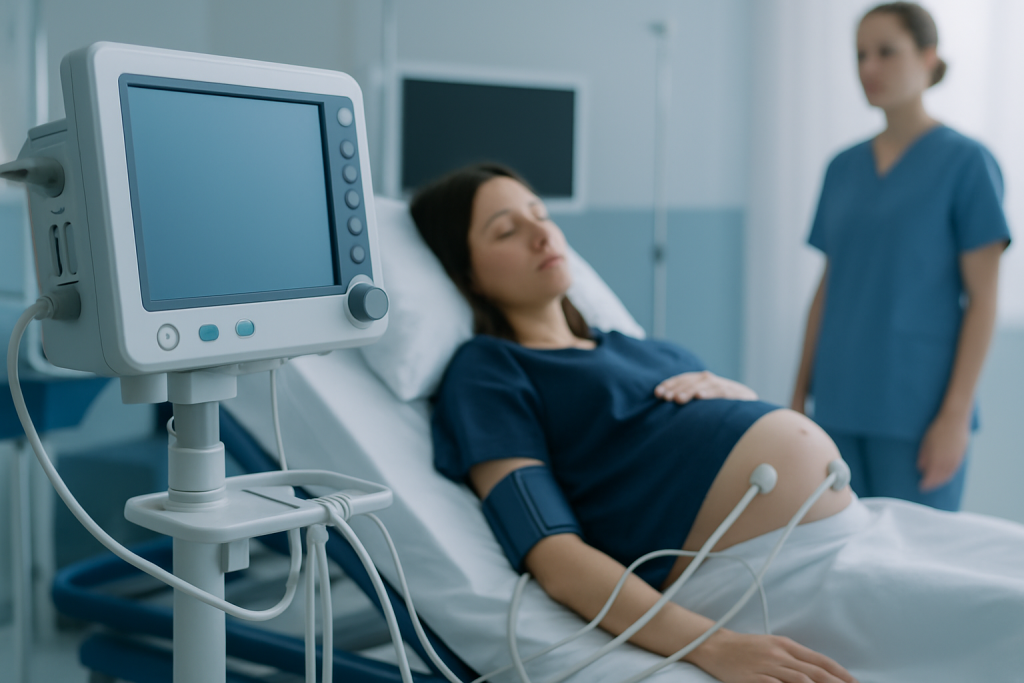
Low blood pressure in pregnancy may show up in subtle ways before it is measured on a monitor. Common symptoms include dizziness when standing up, a feeling of being shaky or weak, nausea, blurry vision, and a sense that the room is spinning or fading. Some people notice symptoms after a hot shower, after standing still for a long time, or when getting up quickly from bed or a chair.
Fainting can happen when blood pressure drops more than the body can compensate for. While a brief fainting episode may be related to posture or dehydration, it still deserves medical review in pregnancy because falls can injure the pregnant person and the baby.
Less commonly, low blood pressure may be accompanied by signs that point to a more urgent problem. These include chest discomfort, shortness of breath, confusion, severe abdominal pain, bleeding, or a rapid heartbeat that does not settle with rest. When symptoms are paired with these warning signs, prompt assessment is important.
Causes & Risk Factors
Pregnancy itself is one of the most common reasons blood pressure falls. In early pregnancy, blood vessels widen under hormonal influence, which lowers resistance to blood flow. As the body expands its blood volume over time, blood pressure often stabilizes again later in pregnancy, although some people remain naturally on the low side throughout.
Several other factors can make the drop more noticeable. Dehydration, vomiting, not eating enough, anemia, prolonged standing, heat exposure, and getting up too quickly can all worsen symptoms. Some medications, including certain blood pressure medicines or treatments that affect circulation, may also contribute and should be reviewed by a doctor.
Risk can be higher in people with a history of low blood pressure, fainting episodes, heart rhythm problems, endocrine conditions, heavy morning sickness, or multiple pregnancy. In some cases, low blood pressure can be linked to illness such as infection or bleeding, which is why changes that feel unusual or severe should be checked rather than assumed to be “just pregnancy.”
Diagnosis
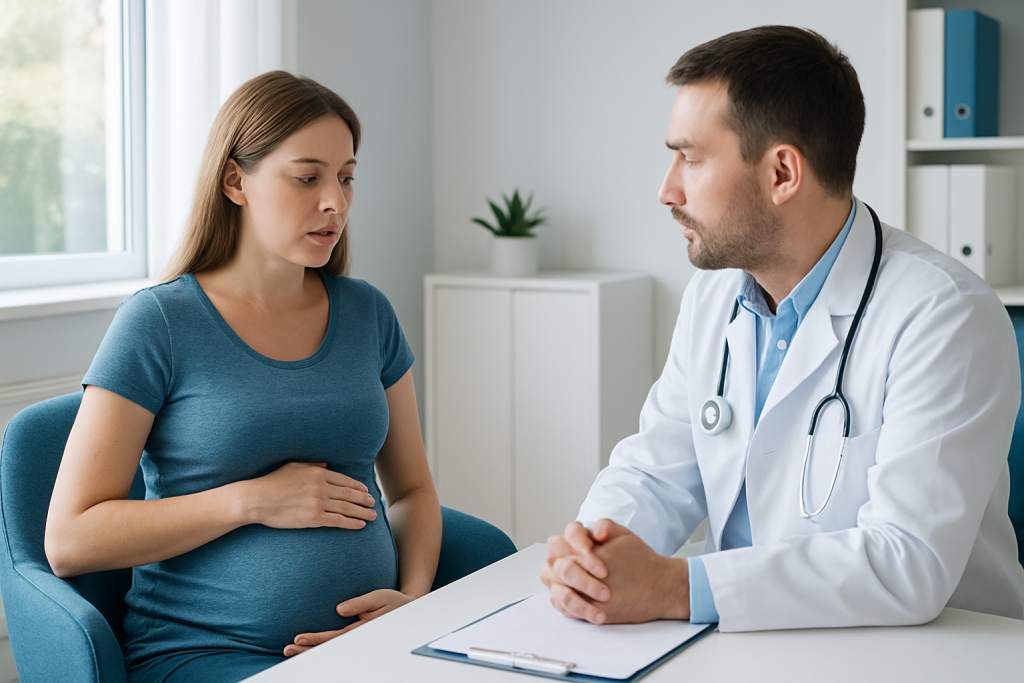
Diagnosis starts with a careful history, a blood pressure measurement, and a discussion of symptoms. A clinician will usually ask when the dizziness happens, whether it improves with rest or fluids, and whether there has been vomiting, bleeding, or recent illness. It helps to bring a record of home blood pressure readings, if available, because patterns can be more informative than a single office number.
Depending on the situation, additional evaluation may include a blood count to check for anemia, tests for dehydration or infection, and a review of medicines and supplements. If the symptoms suggest a heart rhythm issue, thyroid problem, or another medical cause, further testing may be recommended.
In pregnancy, the clinician also considers whether the baby is likely being well supported. If there are concerns about fetal well-being, the care team may recommend obstetric monitoring based on gestational age and the overall clinical picture. The aim is to identify the reason for the low blood pressure, not only to label it.
Treatment Options
Treatment depends on the cause, the severity of symptoms, and the stage of pregnancy. If low blood pressure is mild and linked to normal pregnancy changes, care may focus on symptom relief and observation. If there is dehydration, anemia, or another underlying issue, treating that problem often improves the blood pressure as well.
Practical measures are often helpful. Rising slowly from lying or sitting positions, avoiding long periods of standing, resting on the side rather than flat on the back later in pregnancy, and drinking enough fluids can reduce episodes of lightheadedness. Small, regular meals may help some people, especially if symptoms worsen when they have gone a long time without eating.
Medical treatment is reserved for situations where there is a specific cause or a more serious effect on circulation. A clinician may adjust medications, recommend iron if anemia is present, or arrange closer monitoring if the symptoms are recurring. Any treatment in pregnancy should be guided by a qualified doctor, because the safest option depends on the individual case.
Prevention & Self-care
There is no way to prevent every episode of low blood pressure in pregnancy, but many symptoms can be eased with simple habits. Drinking fluids regularly, eating balanced meals, and avoiding overheating are sensible first steps. For some people, a snack and water before long outings or appointments can reduce the chance of feeling faint.
It can also help to plan movements more deliberately. Sitting at the edge of the bed for a moment before standing, using support when changing position, and pausing if the head feels light can reduce sudden drops in blood pressure. If standing for a long time is unavoidable, shifting weight from one foot to the other and taking short seated breaks may help.
Pregnant travelers may want to think ahead about access to water, restroom breaks, and medical care during the journey. If symptoms are frequent, carrying a list of medications, prior test results, and obstetric contact information can make follow-up easier, especially when care is being coordinated across countries or between clinics.
- Stay hydrated throughout the day.
- Do not skip meals if nausea allows regular eating.
- Avoid hot, crowded spaces when possible.
- Change positions slowly and deliberately.
- Keep follow-up visits and blood pressure checks as advised.
When to See a Doctor
Any persistent dizziness, fainting, or weakness in pregnancy should be discussed with a doctor, even if the symptoms seem mild. Recurrent low readings or symptoms that interfere with daily life deserve assessment because the cause may be treatable. A clinician can also help distinguish normal pregnancy changes from conditions that need closer observation.
Urgent medical care is needed if low blood pressure occurs with heavy bleeding, severe abdominal pain, chest pain, shortness of breath, confusion, fever, or a noticeable decrease in fetal movement. These symptoms can signal problems that require rapid evaluation rather than watchful waiting.
For people who are travelling for care, follow-up plans matter as much as the first appointment. Acibadem Health Point’s multidisciplinary specialists and JCI-accredited hospitals diagnose and treat blood pressure concerns in pregnancy for international patients, with attention to coordinated obstetric and medical follow-up after the visit.
Living With Low Blood Pressure in Pregnancy
Many pregnant people with low blood pressure continue normal routines once they understand their triggers and how to respond to early symptoms. The goal is not to “push through” dizziness, but to notice patterns and make small adjustments before symptoms become intense. That may mean building in breaks, keeping fluids nearby, and asking for help with tasks that involve heat, standing, or rapid movement.
It is also useful to remember that blood pressure is only one part of maternal well-being. Good sleep, nourishment, and consistent prenatal care all contribute to how the body adapts throughout pregnancy. If a person is unsure whether their symptoms are expected, a short conversation with an obstetrician or family doctor can provide clarity and reduce unnecessary worry.
When managed thoughtfully, low blood pressure in pregnancy is often a temporary issue rather than a serious complication. The key is to pay attention to changes, rule out causes that need treatment, and keep communication open with the care team.
Frequently asked questions
01Is really low blood pressure in pregnancy always dangerous?
No. Blood pressure often falls during pregnancy, especially in the first and second trimesters, and many people do not have any complications. It becomes more important when it causes symptoms such as fainting, persistent dizziness, or weakness, or when it appears with other warning signs.
02Can low blood pressure harm the baby?
Mild low blood pressure that is part of normal pregnancy usually does not cause harm. If the blood pressure drop is severe, prolonged, or linked to bleeding or another illness, a doctor should assess both the pregnant person and the baby.
03What helps low blood pressure during pregnancy?
Drinking enough fluids, standing up slowly, avoiding long periods of standing, and eating regular meals can help many people. If anemia, dehydration, or a medication is contributing, treating the underlying cause is important.
04Should someone with low blood pressure lie down when dizzy?
Yes, resting can help, especially if the person lies on the side rather than flat on the back later in pregnancy. If dizziness keeps happening, it is important to tell a doctor so the cause can be checked.
05Can dehydration cause low blood pressure in pregnancy?
Yes. Not drinking enough fluids, vomiting, or having diarrhea can reduce circulating volume and make blood pressure drop further. If keeping fluids down is difficult, medical advice should be sought promptly.
06When is fainting in pregnancy an emergency?
Fainting should be medically evaluated, and it is urgent if it happens with chest pain, shortness of breath, bleeding, severe pain, confusion, or injury from a fall. Even a single episode can justify a call to a clinician for guidance.
This article is for general information only and is not a substitute for professional medical advice. Please consult a qualified doctor about your individual situation.
Persistent digestive symptoms? Get evaluated in Turkey
JCI-accredited · board-certified surgeons · reply within 24h
Add us as a Preferred Source to see more of our trusted health content across Google Search, AI Overviews and Discover.