Rash on Stomach Pregnant: What You Need to Know

Key Takeaways
- A stomach rash in pregnancy is often caused by stretching skin, dryness, irritation, or a pregnancy-related rash such as PUPPP.
- Severe itching, blistering, fever, pain, or a rash that spreads beyond the belly deserves medical review.
- Safe relief may include gentle skin care, loose clothing, cool compresses, and clinician-approved moisturizers or antihistamines.
- Some rashes are harmless, but others may signal infection, cholestasis, or another condition that needs timely care.
- A doctor can usually diagnose the cause with a physical exam and, if needed, blood tests or skin testing.
A rash on the stomach during pregnancy is often linked to normal skin stretching, hormone-related changes, or a pregnancy-specific skin condition such as PUPPP. Most rashes are not dangerous, but new, spreading, or very itchy rashes should be assessed by a clinician to rule out infections, allergic reactions, or less common pregnancy conditions.
Overview
Seeing a rash on stomach pregnant can be unsettling, especially when it appears quickly or starts itching at night. The good news is that many pregnancy rashes are related to skin stretching, dryness, friction, or hormone shifts, and they can often be managed safely once the cause is identified.
Pregnancy changes the skin in ways that are easy to overlook at first. The abdomen expands, sweat and sensitivity increase, and clothing may rub more than before. In some people, the rash is a simple irritation; in others, it is part of a pregnancy-specific condition that a clinician should evaluate.
Because pregnancy involves two patients in the broad sense of care planning — the mother and the baby — it is sensible to avoid guessing. A prompt medical assessment helps distinguish a harmless rash from one that needs treatment or closer monitoring.
Symptoms
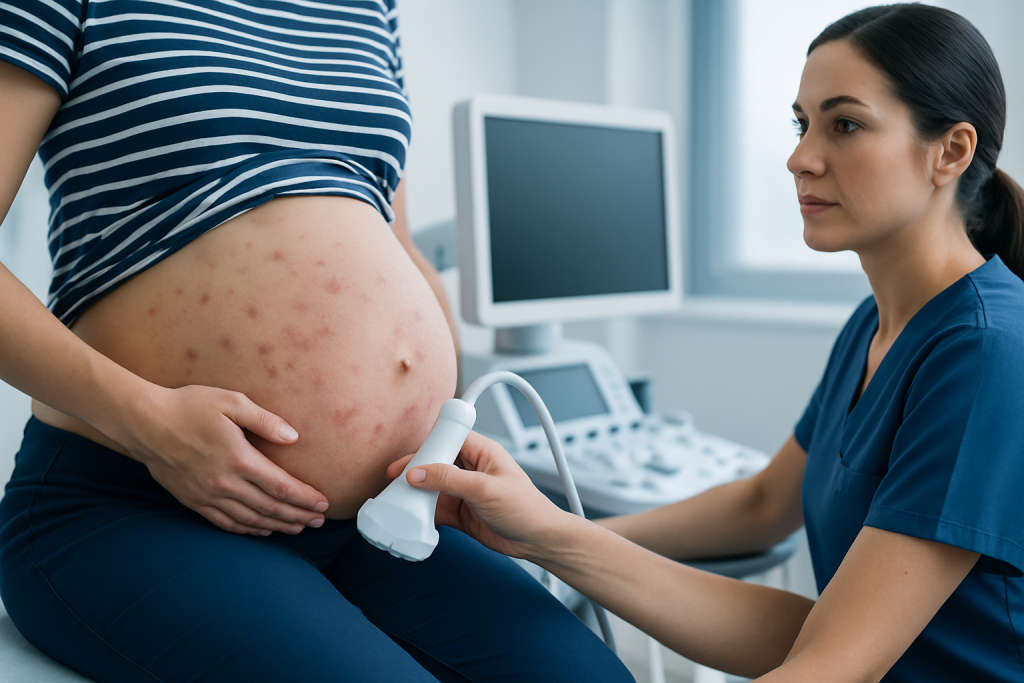
The appearance of the rash offers important clues. A mild irritation may look red, dry, or patchy and tend to sit where clothing, waistbands, or sweat collect. More pregnancy-specific rashes may be raised, very itchy, or spread across the abdomen in a noticeable pattern.
Common accompanying symptoms can include:
- Itching, sometimes worse at night
- Dry, tight, or sensitive skin
- Small bumps, hives, or red patches
- Rash around stretch marks
- Spread to the thighs, breasts, arms, or back
Some symptoms deserve faster attention. Blisters, swelling, pain, fever, yellowing of the skin, or a rash involving the face and mouth may point to a condition that needs medical care rather than simple self-care.
Causes & Risk Factors
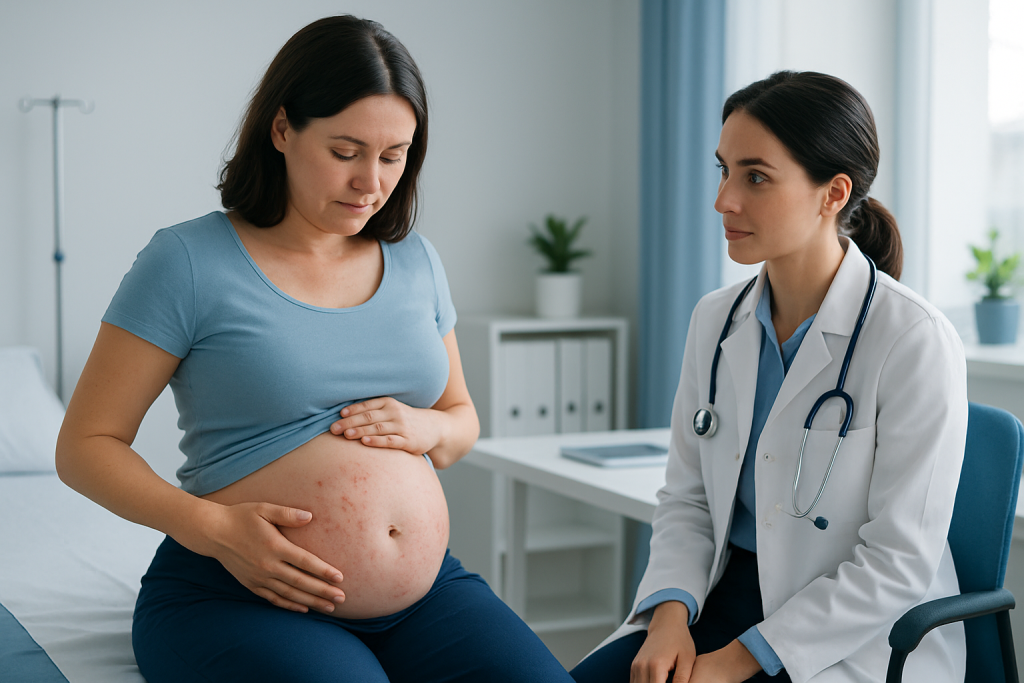
Several different conditions can cause a rash on the abdomen during pregnancy, and the treatment depends on which one is present. The most common explanation is skin irritation from stretching, sweating, friction, or a reaction to soaps, lotions, detergents, or fabrics.
One well-known pregnancy-related rash is pruritic urticarial papules and plaques of pregnancy, often called PUPPP. It usually begins on the belly and may appear around stretch marks before spreading to nearby areas. Although it can be intensely itchy, it is generally not harmful to the baby.
Other possible causes include eczema, heat rash, fungal infections, allergic contact dermatitis, and less commonly, conditions such as cholestasis of pregnancy or autoimmune blistering disorders. Risk may be higher if the person has a history of sensitive skin, eczema, allergies, multiple gestation, or a previous pregnancy rash.
Diagnosis
Diagnosis usually begins with a careful history and skin examination. A doctor will ask when the rash started, whether it itches or hurts, what it looks like, whether it is changing, and whether any new products, foods, medications, or fabrics were introduced recently.
In many cases, the appearance and location of the rash are enough to guide treatment. If there are signs that suggest another cause, the clinician may order blood tests, check liver function, or occasionally recommend a skin swab, patch testing, or referral to a dermatologist or obstetric specialist.
For international patients, it can help to bring a list of current prenatal vitamins, medications, skincare products, and any photos showing how the rash has changed over time. Clear records make evaluation easier if care is being coordinated across countries or between clinics.
Treatment Options
Treatment is chosen based on the cause, symptom severity, and pregnancy stage. For simple irritation, clinicians often recommend gentle moisturizers, reducing friction, and avoiding harsh cleansers or fragranced products. Cool compresses may ease itching without adding medication.
If the rash is more inflammatory or persistent, a doctor may suggest pregnancy-appropriate topical treatments. In some cases, an oral antihistamine or a mild steroid cream may be considered, but only under medical guidance during pregnancy. When infection or another specific condition is found, treatment is directed at that cause.
It is important not to self-treat with over-the-counter creams or herbal products without checking safety in pregnancy. Some ingredients are not ideal during pregnancy, and even products labeled “natural” can irritate sensitive skin or interact with prescribed care.
Prevention & Self-care
Not every rash can be prevented, but a few habits can lower irritation and make the skin more comfortable. Wearing loose, breathable clothing and choosing gentle, fragrance-free skincare products may reduce friction and sensitivity around the abdomen.
Helpful self-care measures may include:
- Using lukewarm rather than hot showers
- Patting the skin dry instead of rubbing
- Applying a bland moisturizer after bathing
- Avoiding new perfumes, dyes, and strong detergents
- Keeping the skin cool and dry when possible
Hydration, adequate rest, and regular prenatal care also matter. If the skin is very itchy, scratching can worsen inflammation, so short nails and cool compresses can be surprisingly useful while waiting for medical review.
When to See a Doctor
Medical advice should be sought if the rash is rapidly spreading, very itchy, painful, blistering, or accompanied by fever, swelling, or signs of infection. A clinician should also evaluate any rash that appears on the hands, feet, face, or around the eyes, or any rash with yellowing of the skin or dark urine.
Even if the rash seems mild, it is wise to mention it at a prenatal visit if it persists for more than a few days, keeps returning, or disrupts sleep. A professional opinion can prevent unnecessary worry and help avoid treatments that are not suitable in pregnancy.
Acibadem Health Point’s multidisciplinary specialists and JCI-accredited hospitals can help diagnose and treat pregnancy-related skin conditions for international patients, with care coordinated around obstetric needs and follow-up plans.
Living With a Pregnancy Rash While Traveling or Waiting for Follow-up
Skin symptoms can feel harder to manage when someone is away from home, traveling for prenatal care, or waiting for a specialist appointment. In that situation, it helps to keep the routine simple: photograph the rash daily, note any new products or foods, and avoid trying multiple treatments at once.
If medical care is being arranged across borders, bringing a concise summary of the pregnancy, any previous rash episodes, and the timing of symptoms can speed up decision-making. A well-documented history often saves time and helps the receiving team focus on the most likely causes.
Most importantly, pregnancy rashes are usually manageable once identified. The goal is not to panic, but to notice changes early, use safe comfort measures, and let a qualified clinician decide whether the rash is a routine skin issue or something that needs closer attention.
Frequently asked questions
01Is a rash on the stomach during pregnancy always serious?
No, many stomach rashes in pregnancy are caused by skin stretching, dryness, or mild irritation. Some rashes are pregnancy-specific and harmless, while others need treatment, so it is best to have a clinician assess any new or worsening rash.
02Can pregnancy hormones cause a rash on the belly?
Hormonal changes can make the skin more sensitive, drier, or more reactive to products and friction. They may not be the only cause, but they can make an existing irritation more noticeable.
03What does PUPPP usually look like?
PUPPP often starts as very itchy red bumps or plaques on the abdomen, sometimes near stretch marks. It can spread to the thighs, buttocks, or torso, but it is generally not dangerous to the baby.
04What can be used safely for itching in pregnancy?
Gentle moisturizers, cool compresses, and fragrance-free skin care are commonly used first. If symptoms continue, a doctor may recommend a pregnancy-safe medication or topical treatment after checking the cause.
05When should a pregnant person seek urgent care for a rash?
Urgent assessment is sensible if the rash comes with fever, blistering, swelling, trouble breathing, severe pain, or yellowing of the skin. A rash involving the hands and feet, or one that spreads quickly, should also be reviewed promptly.
06Can a rash on the stomach affect the baby?
Most common pregnancy rashes affect the person’s skin more than the baby. However, some conditions require medical evaluation to confirm that both mother and baby are safe, which is why persistent symptoms should not be ignored.
This article is for general information only and is not a substitute for professional medical advice. Please consult a qualified doctor about your individual situation.
Persistent digestive symptoms? Get evaluated in Turkey
JCI-accredited · board-certified surgeons · reply within 24h
Add us as a Preferred Source to see more of our trusted health content across Google Search, AI Overviews and Discover.