Radial Bone Wrist Fracture: Symptoms and Care
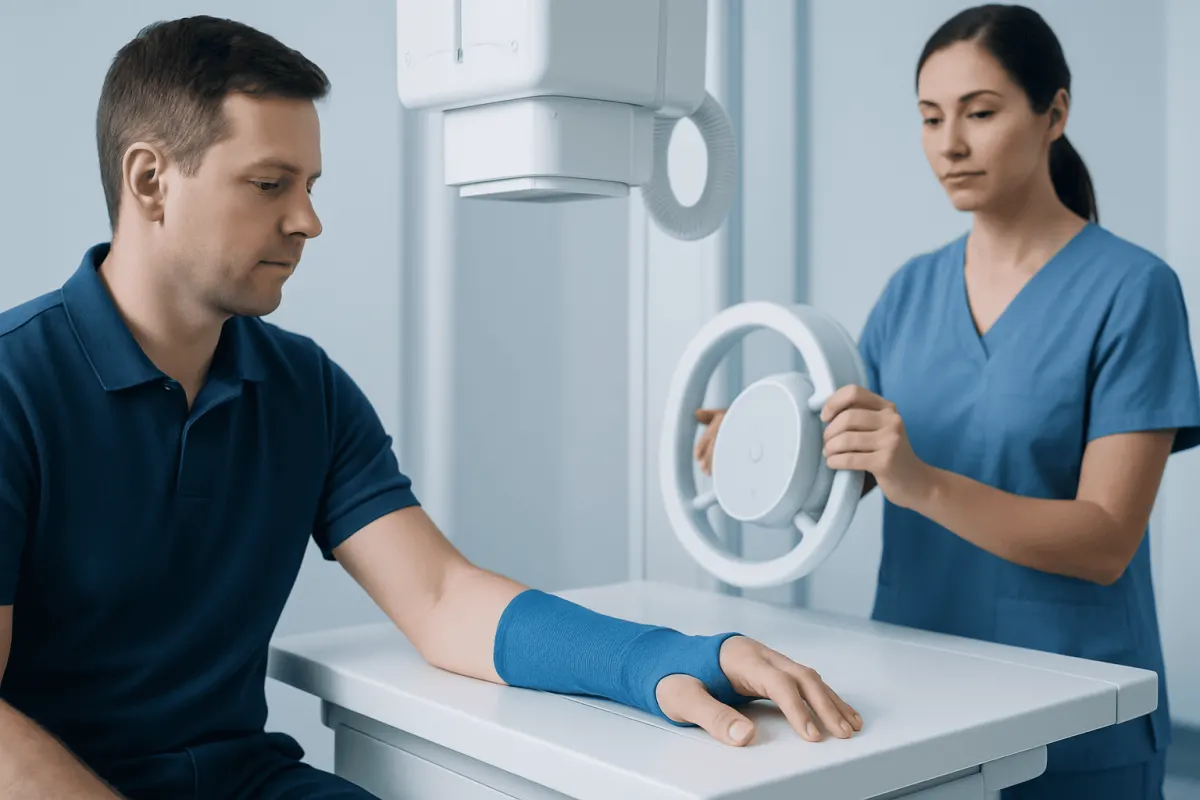
A radial bone wrist fracture usually refers to a break in the distal radius, the larger forearm bone on the thumb side of the wrist. Prompt assessment and appropriate alignment treatment help protect wrist movement, strength and everyday hand function.
Overview: What Is a Radial Bone Wrist Fracture?
A radial bone wrist fracture is most often a fracture of the distal radius. The radius is one of the two long bones in the forearm. It runs from the elbow to the wrist on the thumb side and forms an important part of the wrist joint. Because the break occurs close to the wrist, it is commonly called a broken wrist.
These fractures range from small, stable cracks to breaks in which the bone shifts out of its normal position. A fracture may extend into the wrist joint, occur alongside a break in the ulna (the other forearm bone), or be accompanied by injury to ligaments or nearby soft tissues. The exact pattern affects treatment and recovery.
Distal radius fractures are common in children, adults and older people. With timely care, many heal well. However, restoring normal alignment is important because healing in a poor position can lead to lasting stiffness, weakness, pain or changes in wrist mechanics.
Symptoms and Signs
A fracture often causes immediate wrist pain after a fall, blow or twisting injury. The wrist may become swollen, tender and bruised, and moving it or gripping an object can be difficult. Some people hear or feel a snap at the time of injury, but this does not happen in every case.
If the broken bone has moved, the wrist can look bent, crooked or shortened. This may be more noticeable in some fracture patterns than others. A person should avoid trying to straighten the wrist or test its movement after an injury.
Less commonly, swelling or the injury itself can affect nerves or blood flow to the hand. Numbness, tingling, increasing tightness, fingers that are pale, blue or cold, or an inability to move the fingers are warning signs that require urgent evaluation.
- Wrist pain that worsens with movement or pressure
- Swelling, bruising or tenderness around the wrist
- Reduced hand or wrist movement and weak grip
- A visible change in wrist shape or position
- Numbness or tingling in the fingers
Causes and Risk Factors
The most frequent cause is a fall onto an outstretched hand. The force travels through the palm into the wrist and can break the distal radius. Sports injuries, traffic collisions and direct impacts can also cause a radial bone wrist fracture, particularly when the force is high.
In younger adults, these fractures are often linked to higher-energy injuries, such as cycling, skiing, contact sports or motor vehicle accidents. In older adults, a fall from standing height may be enough to cause a fracture when bones have become less dense or more fragile.
Risk factors include osteoporosis, previous fractures, older age, poor balance, reduced muscle strength, impaired vision, certain medicines that increase fall risk, and hazards in the home. In children, falls during play or sport are common. A clinician may recommend assessment of bone health when a fracture occurs after minimal force, especially in adults.
Diagnosis and Assessment
A clinician will ask how the injury happened, review symptoms and examine the wrist, hand and forearm. The assessment includes checking skin condition, circulation, finger movement and sensation. This is important because a fracture can occasionally occur with nerve, tendon, blood vessel or open-skin injuries.
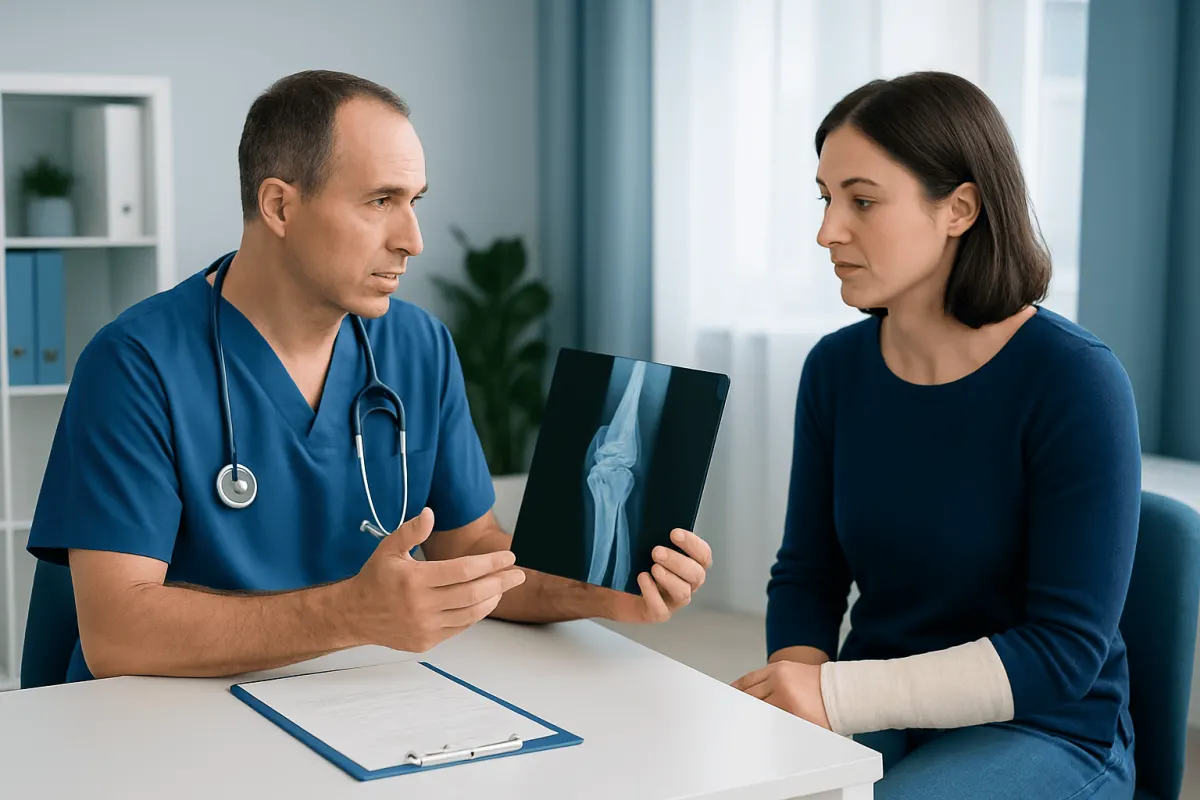
X-rays from different angles are the main test used to confirm a distal radius fracture. They show the location of the break, whether the joint surface is involved, and whether the bone fragments are displaced, angled or shortened. Repeat X-rays may be used during non-surgical treatment to make sure the alignment remains acceptable.
CT scanning may be useful when the fracture is complex or extends into the joint, particularly if surgery is being considered. MRI is not routinely needed for a straightforward fracture, but may sometimes help assess associated ligament, cartilage or soft-tissue injury. The treatment plan is based on the fracture pattern, hand dominance, activity needs, age, bone quality and overall health.
Treatment Options
Initial care aims to protect the wrist, control pain and swelling, and prevent further injury. The wrist may be supported in a splint while imaging and specialist assessment are arranged. Keeping the hand elevated and applying a wrapped cold pack for short periods can help reduce swelling. Rings and tight jewellery should be removed early if possible, as the hand may swell.
If the bone fragments are in a good position and the fracture is stable, treatment may involve a splint followed by a cast or removable brace. If the bone has shifted, a clinician may need to realign it, known as reduction, before immobilization. Pain relief or anesthesia may be used for this procedure. Follow-up appointments and X-rays are important because some fractures can move while healing.
Surgery may be advised for an unstable fracture, significant displacement, joint involvement, an open fracture, or when acceptable alignment cannot be maintained in a cast. Procedures can use plates and screws, pins, an external frame or other fixation methods to hold the bone securely while it heals. The choice depends on the injury and the individual.
After immobilization or surgery, hand therapy or physiotherapy may be recommended. Gentle exercises help restore finger, wrist and forearm movement, while later strengthening supports return to daily tasks, work and sport. The care team will advise when it is safe to use the hand more fully.
Recovery, Rehabilitation and Self-Care
Bone healing commonly takes several weeks, but recovery of motion, strength and confidence can take longer. Stiffness after a cast or operation is common, particularly in the wrist, fingers and forearm. The pace of recovery varies with the fracture severity, treatment, age, health, smoking status and participation in rehabilitation.
During recovery, it is usually helpful to keep the fingers moving as advised, elevate the hand when swollen and attend planned follow-up visits. A cast or splint should be kept dry and should not be cut, adjusted or used to scratch the skin. A clinician should be contacted if it becomes loose, damaged, excessively tight or uncomfortable.
Exercises should be started only when recommended by the treating clinician or therapist. Pushing through severe pain, lifting heavy objects too early, or returning to contact sport before the bone has healed can delay recovery or cause reinjury. Smoking can impair bone healing, so stopping or reducing tobacco use is beneficial.
For patients travelling for care, Acıbadem Health Point’s multidisciplinary specialists and JCI-accredited hospitals can assess and treat wrist fractures, with follow-up planning tailored to international patients.
Prevention and Bone Health
Not every wrist fracture can be prevented, especially those caused by unexpected accidents. However, improving strength, balance and home safety can reduce the likelihood of falls. Supportive footwear, good lighting, clear walking paths and careful use of ladders or wet surfaces are practical measures, particularly for older adults.
Regular weight-bearing and muscle-strengthening activity supports bone and balance when appropriate for a person’s health. Adequate calcium and vitamin D are also important for bone health, although supplements should be discussed with a clinician when there are dietary restrictions, kidney disease or other medical considerations.
Adults who have a fracture after a low-impact fall may benefit from an osteoporosis assessment. Identifying and treating low bone density can lower the risk of future fractures. Vision checks, medication reviews and management of conditions that affect balance may also form part of a fall-prevention plan.
When to See a Doctor
Any suspected wrist fracture should be assessed promptly, even if the wrist does not look deformed. Pain, swelling and reduced movement can also occur with severe sprains, and imaging is often needed to tell the difference. Until assessment, the wrist should be supported and unnecessary movement avoided.
Urgent medical care is needed for a visibly deformed wrist, an open wound near the injury, uncontrolled bleeding, severe pain, rapidly increasing swelling, or loss of feeling or movement in the fingers. Emergency assessment is also important if the fingers become pale, blue, cold or unusually swollen.
After treatment has started, a person should seek medical advice if pain worsens rather than improves, a cast feels too tight, numbness or tingling develops, fever or wound drainage occurs after surgery, or the fingers cannot be moved normally. Early review can help address complications before they affect healing.
Frequently asked questions
01Is a radial bone wrist fracture the same as a broken wrist?
In many cases, yes. The term usually describes a distal radius fracture, which is a break in the radius near the wrist joint. However, a broken wrist can also involve other bones, so imaging is needed to identify the exact injury.
02How long does a radial bone wrist fracture take to heal?
The bone often heals over several weeks, but recovery of wrist flexibility and strength may continue for months. Healing time depends on the fracture pattern, whether surgery is needed, bone health and how closely rehabilitation guidance is followed.
03Can a distal radius fracture heal without surgery?
Yes. Many stable fractures that are well aligned can heal with a splint, cast or brace and regular follow-up. Surgery may be recommended when the fracture is unstable, displaced, involves the joint significantly or cannot stay aligned in a cast.
04What should someone do immediately after a suspected wrist fracture?
The wrist should be kept still and supported, and rings or tight jewellery should be removed if swelling is beginning. A wrapped cold pack and elevation may help with swelling, but the person should seek prompt medical assessment and avoid eating or drinking if urgent surgery may be possible.
05Why are the fingers swollen after a wrist fracture?
Swelling around the wrist can extend into the hand and fingers after an injury or while wearing a cast. Elevation and gentle finger movement, if advised, may help. New numbness, worsening pain, cold or discoloured fingers, or a tight cast requires urgent medical advice.
06Will wrist movement return to normal after a radius fracture?
Many people regain good everyday function, especially with appropriate alignment, treatment and rehabilitation. Some stiffness, weakness or discomfort can remain, particularly after more severe fractures, joint involvement or delayed recovery. A hand therapist or physiotherapist can guide exercises and functional recovery.
This article is for general information only and is not a substitute for professional medical advice. Please consult a qualified doctor about your individual situation.
Joint and spine care in Turkey — expert assessment & treatment
JCI-accredited · board-certified surgeons · reply within 24h
Add us as a Preferred Source to see more of our trusted health content across Google Search, AI Overviews and Discover.