Pustules: Symptoms, Causes and Treatment

Key Takeaways
- Pustules are small bumps filled with pus and can develop on the face, scalp, chest, back, or other areas of skin.
- Common causes include acne, folliculitis, infections, eczema flare-ups, and certain inflammatory skin conditions.
- Diagnosis usually starts with a skin examination, and sometimes a swab, culture, or other tests are needed.
- Treatment may include gentle skin care, prescription topical medicine, oral medication, or care for the underlying trigger.
- Medical advice is important if pustules spread quickly, are painful, occur with fever, or keep returning.
Pustules are small, raised skin lesions that contain pus and may appear alone or with other rash-like changes. They are often linked to acne, infections, or inflammatory skin conditions, and the right treatment depends on the underlying cause.
Overview
Pustules are small, raised skin lesions that contain visible pus, giving them a white, yellow, or sometimes cream-colored center. They may appear as isolated spots or in clusters, and the surrounding skin can look red, tender, or irritated.
They are a sign rather than a diagnosis on their own. In everyday practice, clinicians look for the reason behind the pustule, because the same-looking bump can come from acne, a bacterial infection, inflamed hair follicles, or a skin condition such as pustular psoriasis.
For international patients, the practical question is often not just “What is it?” but “How quickly does it need care, and what kind of care will work best while traveling or after arriving home?” A careful skin exam, and sometimes a simple lab test, usually helps clarify the answer.
Symptoms
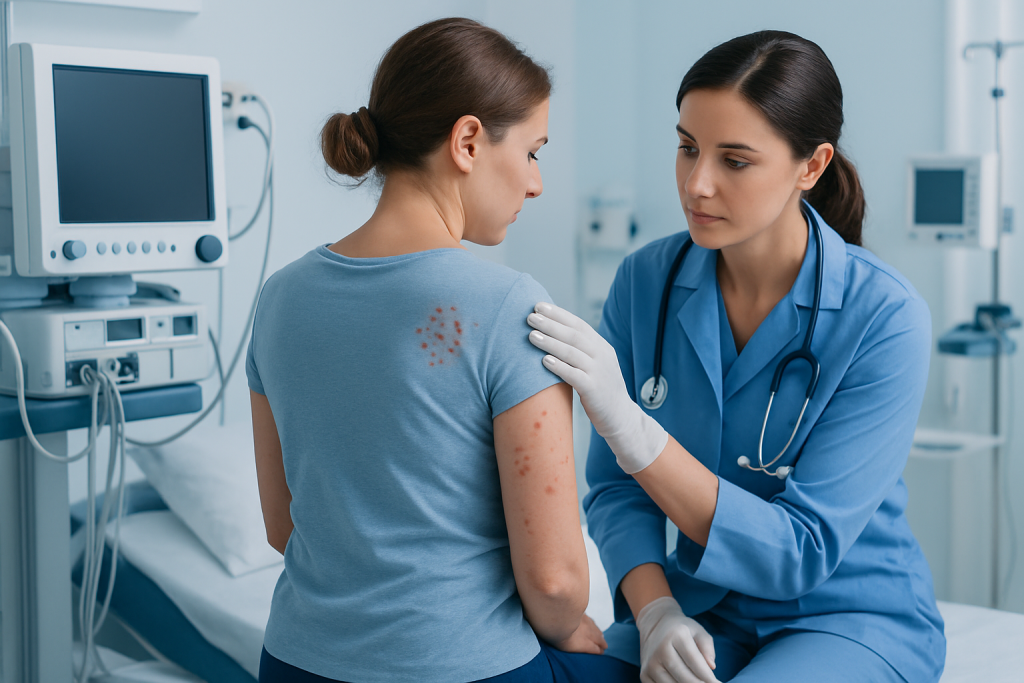
The most recognizable feature of a pustule is the pus-filled top. Some feel soft and small, while others are more inflamed, sore, or itchy. The skin around them may be pink or red, and the area can feel warm if inflammation is active.
Pustules may appear on the face, scalp, chest, back, buttocks, arms, legs, or around hair-bearing areas. When several are present, they may cluster together or follow the pattern of a rash, which can offer clues to the cause.
Other symptoms sometimes seen with pustules include:
- Redness or swelling around the bump
- Tenderness, stinging, or itching
- Crusting after the pustule drains or dries
- Acne-like blackheads or papules
- Fever, fatigue, or swollen glands if infection is more widespread
Because pustules can resemble other skin problems, it is useful to watch how they behave over time: whether they spread, recur, or are linked to shaving, sweating, new cosmetics, or contact with someone who has a skin infection.
Causes & Risk Factors
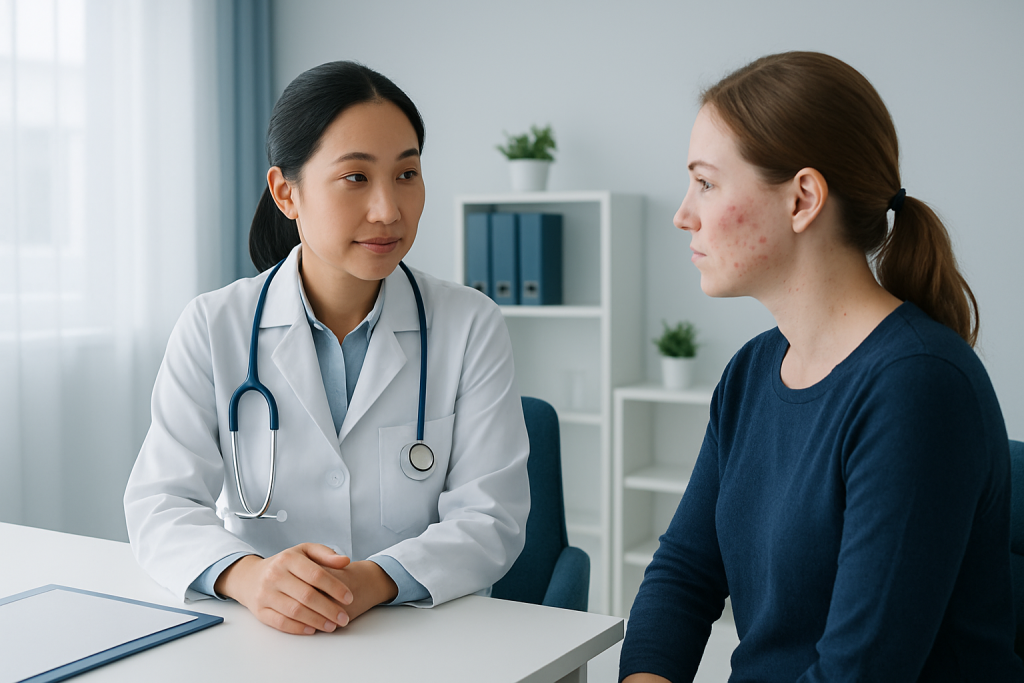
Pustules form when inflammatory cells collect near or within the skin, often in response to blocked pores, infection, or irritation. The pus itself is a mixture of immune cells, fluid, and debris, which is why the lesion can look white or yellow at the top.
Common causes include acne, folliculitis, impetigo, infected eczema, and certain inflammatory conditions such as pustular psoriasis. Less commonly, pustules can occur after reactions to medications, in some viral infections, or in contact dermatitis when the skin has become severely inflamed.
Risk factors vary by cause, but they often include:
- Oily skin, hormonal changes, or clogged pores
- Shaving, friction, sweating, or tight clothing
- Close contact with infected skin or contaminated personal items
- Weakened immune defenses
- Existing skin conditions such as eczema or psoriasis
In travelers, changes in climate, humid conditions, long flights, and the use of unfamiliar skincare products can sometimes worsen skin irritation or make an underlying condition more noticeable.
Diagnosis
Diagnosis usually begins with a clinician examining the skin and asking about timing, symptoms, exposures, and any recent changes in products, medications, or routines. The pattern of the lesions, their location, and whether they are painful, itchy, or clustered can help narrow the possibilities.
If an infection is suspected, a swab or culture from the pustule may be taken to identify the organism and guide treatment. This can be especially helpful when pustules are recurring, spreading, or not improving with initial care.
In some situations, additional tests may be needed. A dermatologist may consider a skin scraping, blood tests, or rarely a biopsy if the appearance is unusual or if an inflammatory disorder needs to be distinguished from an infection.
Treatment Options
Treatment depends on the cause, so the first step is to identify what is driving the pustules. Acne-related pustules may respond to topical therapies that reduce oil, bacteria, and inflammation, while bacterial skin infections may require prescription antibiotics or other targeted treatment.
For inflamed hair follicles, clinicians often focus on reducing friction, stopping irritation, and treating any infection if present. When pustules are part of eczema, psoriasis, or another inflammatory condition, treatment may involve creams, light therapy, or systemic medication based on the diagnosis.
General treatment approaches may include:
- Topical prescription medicines such as antibacterial or anti-inflammatory creams
- Oral medication when lesions are widespread or deeper
- Gentle cleansing and avoidance of harsh scrubbing
- Keeping the area dry and minimizing friction
- Drainage or procedure-based care only when medically appropriate
It is important not to squeeze or pick pustules. That can worsen inflammation, increase the risk of scarring, and, if infection is present, help bacteria spread to nearby skin.
Prevention & Self-care
Daily skin habits can make a meaningful difference, especially when pustules are related to acne or irritation. A simple routine is often better than multiple strong products, which may strip the skin barrier and aggravate symptoms.
Helpful self-care steps include washing the skin gently, using non-comedogenic products, changing out of sweaty clothing promptly, and avoiding tight or rubbing fabrics over affected areas. If shaving appears to trigger bumps, using a cleaner razor technique or pausing shaving during a flare may help.
Other practical measures include:
- Do not pick, pop, or scratch lesions
- Use separate towels or clean pillowcases if infection is suspected
- Avoid sharing razors, makeup, or personal care items
- Read product labels for irritants if the skin is sensitive
- Follow the full treatment plan if a clinician prescribes medication
For patients traveling across borders for care, bringing a list of current products and medications is useful. It helps the treating team understand what may have helped, what may have irritated the skin, and how best to plan follow-up after the trip.
When to See a Doctor
Medical review is worthwhile when pustules are painful, widespread, recurrent, or not improving with basic care. It is also important if they appear suddenly after starting a new medication or if they are accompanied by fever, facial swelling, or a general feeling of illness.
Prompt assessment is especially sensible when the pustules are near the eyes, occur on a baby or young child, or are associated with drainage, crusting, or fast-spreading redness. These features can point toward an infection that needs timely treatment.
People with psoriasis, eczema, diabetes, or a weakened immune system should seek advice earlier rather than waiting, since skin infections and inflammatory flares can behave differently in those settings. A qualified clinician can help determine whether the problem is mild and self-limited or whether it needs prescription treatment and follow-up.
Acibadem Health Point’s multidisciplinary specialists and JCI-accredited hospitals diagnose and treat skin conditions such as pustules for international patients, with care plans that can be coordinated around travel and recovery needs.
Frequently asked questions
01Are pustules the same as pimples?
Not exactly. Some pimples are pustules, but pustules can also come from infections, folliculitis, eczema, or other skin conditions. The appearance may be similar, so the cause matters more than the look alone.
02Should pustules be squeezed?
No. Squeezing can push inflammation deeper, slow healing, and increase the chance of scarring or infection spread. Gentle care and appropriate treatment are safer.
03Can pustules go away on their own?
Some mild pustules do clear without specific treatment, especially if they are caused by temporary irritation. If they recur, spread, or are painful, a clinician should assess the cause.
04Do pustules always mean an infection?
No. While infections are one possible cause, pustules can also occur in acne and inflammatory skin disorders. A skin exam helps determine whether microbes are involved.
05What tests might be needed for pustules?
Many cases are diagnosed by appearance and history alone. If infection is suspected or the rash is unusual, a swab, culture, or sometimes additional testing may be recommended.
06When should a child with pustules be checked?
A child should be seen if the pustules are spreading, painful, associated with fever, or located near the eyes. It is also wise to seek advice if the child seems unwell or the bumps keep returning.
This article is for general information only and is not a substitute for professional medical advice. Please consult a qualified doctor about your individual situation.
Hair transplant in Turkey — costs, graft counts & a free assessment
JCI-accredited · board-certified surgeons · reply within 24h
Add us as a Preferred Source to see more of our trusted health content across Google Search, AI Overviews and Discover.