

Pulmicort: Uses, Dosage and Side Effects
- 9 min read
- Published November 28, 2026
Key Takeaways
- Pulmicort helps prevent asthma symptoms by lowering inflammation in the airways.
- It is not a rescue medicine and should not be used for sudden shortness of breath.
- Common side effects are usually mild, such as throat irritation or hoarseness.
- Good inhaler or nebulizer technique can improve effectiveness and reduce side effects.
- Rinsing the mouth after use may help lower the risk of oral thrush.
- A doctor should review symptoms if breathing gets worse, frequent reliever use is needed, or side effects persist.
Pulmicort is a brand name for budesonide, an inhaled corticosteroid used to help control asthma and reduce inflammation in the airways. It is a maintenance medicine, so it works best when used regularly as prescribed rather than for sudden breathing trouble.
Overview
Pulmicort is a brand name for budesonide, a corticosteroid medicine inhaled directly into the lungs. Its main job is to calm ongoing airway inflammation, which can make asthma easier to control over time. For many people, that means fewer flare-ups, less wheezing, and more predictable day-to-day breathing.
Because it works gradually, Pulmicort is usually part of a long-term control plan rather than a quick fix. This is an important distinction for patients and families who are deciding how to manage asthma at home or while traveling for care. If symptoms suddenly worsen, a separate quick-relief medicine is typically needed, and a clinician should be contacted for advice.
Some patients use Pulmicort as an inhaler, while others receive it as a nebulizer suspension. The exact form depends on age, breathing pattern, and the treatment plan chosen by the clinician. The goal in every case is the same: to reduce swelling inside the airways and help keep breathing steady.
Symptoms Pulmicort May Help Control
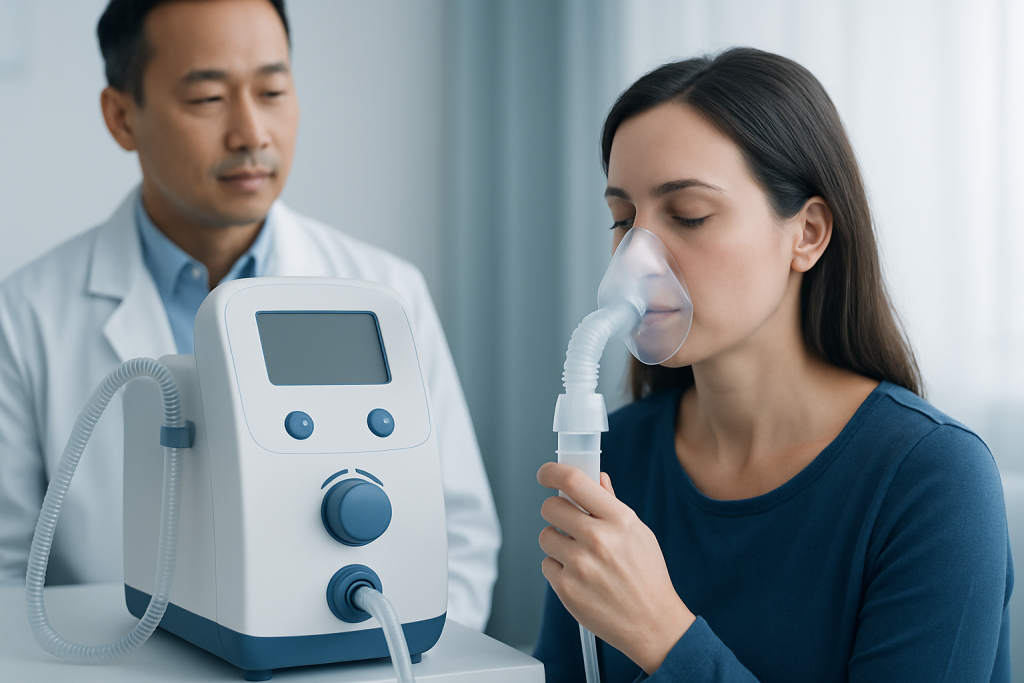
Pulmicort is prescribed to help reduce the day-to-day symptoms that come from inflamed airways. When asthma is better controlled, patients may notice less coughing, wheezing, chest tightness, and shortness of breath, especially at night or during exercise.
It is also used to lower the chance of asthma attacks. In practical terms, that can mean fewer urgent clinic visits, fewer disruptions to school or work, and less need to rely on rescue medication. For children, better control may also mean more predictable sleep and activity patterns.
Symptoms that suggest poor control can include frequent night waking, needing a reliever inhaler more often than usual, or avoiding physical activity because breathing feels difficult. These changes do not always mean the treatment is failing, but they do mean the plan should be reviewed with a doctor.
Causes & Risk Factors

Pulmicort does not treat the cause of asthma itself, but it helps control the inflammation that underlies many asthma symptoms. In people with asthma, the airways can become overly sensitive and narrow in response to triggers such as viral infections, allergies, smoke, cold air, or exercise.
Risk factors for needing an inhaled corticosteroid like Pulmicort include persistent asthma symptoms, frequent flare-ups, nighttime symptoms, and a history of asthma attacks. Children with ongoing wheeze or cough may also be considered for this type of medicine when a clinician believes inflammation is part of the pattern.
Other factors can make symptoms harder to manage, including exposure to tobacco smoke, poor inhaler technique, not using the medicine regularly, and untreated allergies. In international-patient settings, clinicians often spend time reviewing these details carefully, because the best treatment plan depends not only on the diagnosis but also on the person’s routine, language needs, and follow-up access after returning home.
Diagnosis
Before Pulmicort is started, a doctor usually confirms whether asthma or another breathing condition is the likely cause of symptoms. This assessment may include a medical history, a physical examination, and breathing tests when age and cooperation allow. For younger children, the diagnosis may rely more heavily on symptom patterns and response to treatment.
Clinicians may ask about when symptoms happen, what seems to trigger them, how often a reliever inhaler is used, and whether there have been emergency visits or steroid courses. This information helps determine whether an inhaled corticosteroid is appropriate and how closely the patient should be monitored.
In some cases, additional tests are used to rule out other problems that can mimic asthma, such as allergies, reflux, vocal cord dysfunction, or infection. A clear diagnosis matters because the medicine plan should match the real reason breathing has become difficult.
Treatment Options
Pulmicort is one option within a broader asthma treatment plan. It is usually taken regularly to reduce inflammation and prevent symptoms, while a separate rescue medicine may be kept for sudden symptoms. The treatment plan is often individualized based on age, symptom frequency, Blood Test Results: Causes and Meaning" class="ahp-ilk">test results, and the patient’s daily routine.
Many patients use inhaled budesonide with a device such as a metered-dose inhaler, dry powder inhaler, or nebulizer, depending on the product and local prescribing practice. The key is correct technique: if the medicine does not reach the lungs well, it cannot do its job effectively. A clinician, nurse, or respiratory therapist can demonstrate the device and check the patient’s technique.
Possible side effects are usually localized and mild, such as hoarseness, throat irritation, cough, or oral thrush. Rinsing the mouth after inhalation and using the device exactly as instructed can help reduce these issues. If symptoms remain uncontrolled, the doctor may adjust the treatment plan rather than simply increasing use on the patient’s own.
For patients traveling for treatment, follow-up planning is especially important. The care team may provide an action plan, device training, and instructions for how to continue monitoring symptoms once the patient is back in another country, so the handoff to local care is smoother.
Prevention & Self-care
Self-care matters because even an effective medicine can underperform if triggers and technique are overlooked. Regular use as prescribed is usually more helpful than taking Pulmicort only when symptoms appear. Keeping a simple routine, such as using it at the same time each day, may improve consistency.
Patients can also reduce triggers by avoiding tobacco smoke, managing allergies, and being mindful of respiratory infections when possible. A spacer may be recommended with some inhalers, and mouth rinsing after use can help lower the chance of thrush. If a nebulizer is used, equipment should be cleaned and stored according to the manufacturer’s instructions.
It can be useful to keep a symptom diary, especially after a new diagnosis or a change in treatment. Notes about nighttime waking, exercise tolerance, and reliever use can help the doctor judge whether the current plan is enough. For families managing a child’s asthma, this record can also make conversations with school caregivers or local doctors more straightforward.
When to See a Doctor
A doctor should review the treatment plan if breathing symptoms are becoming more frequent, if the reliever medicine is needed more often than expected, or if sleep and daily activities are being disrupted. These are signs that asthma may not be fully controlled, even if the patient is already using Pulmicort.
Medical advice is also important if there are side effects that do not settle, such as persistent hoarseness, mouth soreness, or signs of oral thrush. Any new or worsening breathing difficulty should be assessed promptly, especially if the person seems to be struggling to speak, eat, or move around normally because of shortness of breath.
Families who are arranging care across borders should make sure they leave with clear written instructions, including the medicine name, device type, and follow-up plan. Acibadem Health Point’s multidisciplinary specialists and JCI-accredited hospitals diagnose and treat this condition for international patients, with attention to coordinated care and practical follow-up planning.
Living With Asthma on Pulmicort
People often do best with Pulmicort when the medicine is paired with realistic expectations. It does not create an immediate “feeling” of relief in the way a rescue inhaler may, but it can steadily reduce inflammation and lower the chances of a flare-up over time. That difference can be reassuring once patients and families understand it.
Long-term asthma control is rarely about one medicine alone. It is usually a combination of the right diagnosis, correct device technique, trigger awareness, and regular review by a clinician. When those pieces fit together, many patients are able to breathe more comfortably and participate more fully in school, work, exercise, and travel.
If a person is uncertain whether Pulmicort is being used correctly, or whether the treatment is the best match for their symptoms, a follow-up appointment is worthwhile. A small adjustment in technique or plan can make a meaningful difference in control.
Frequently asked questions
01Is Pulmicort a rescue inhaler?
No. Pulmicort is a controller medicine that helps prevent symptoms by reducing airway inflammation over time. It is not meant to relieve sudden breathing trouble, so a separate rescue medicine is usually needed for acute symptoms.
02How long does Pulmicort take to work?
Some people notice gradual improvement over days to weeks, but the full benefit may take longer. Because it is a maintenance medicine, it works best when used regularly as prescribed rather than only during a flare-up.
03Can Pulmicort cause thrush?
Yes, inhaled corticosteroids can sometimes cause oral thrush, which is a yeast infection in the mouth. Rinsing the mouth after use and using the inhaler correctly may help reduce this risk.
04Can children use Pulmicort?
Pulmicort is commonly used in children when a clinician believes an inhaled corticosteroid is appropriate. The device form and follow-up plan are chosen based on age, symptoms, and how well the child can use the medicine correctly.
05What should a patient do if symptoms get worse while using Pulmicort?
They should contact a doctor for review, especially if the reliever inhaler is needed more often or nighttime symptoms increase. Worsening symptoms may mean the asthma plan needs adjustment.
06Should Pulmicort be stopped suddenly if symptoms improve?
It should only be changed or stopped if a clinician advises it. Even when symptoms improve, the medicine may still be helping to keep inflammation under control.
This article is for general information only and is not a substitute for professional medical advice. Please consult a qualified doctor about your individual situation.
Explore treatments in Turkey — costs, top hospitals & a free quote
JCI-accredited · board-certified surgeons · reply within 24h
Add us as a Preferred Source to see more of our trusted health content across Google Search, AI Overviews and Discover.


How can we help you today?
Meet an Acibadem specialist by secure video, before you travel.
Book a video visit