Puffy Nipples: When Surgery May Help Flatten Them
Puffy nipplrs usually describe nipples or areolas that project outward because of glandular breast tissue, fatty tissue, or both. A clinical assessment can identify the cause and determine whether observation, treatment of an underlying condition, or a cosmetic surgical approach is appropriate.
Overview: what are puffy nipplrs?
The phrase “puffy nipplrs” is commonly used to describe nipples or areolas that look raised, dome-shaped, or protruding from the surrounding chest. This appearance is often benign and may reflect a small amount of glandular breast tissue beneath the areola, fatty tissue, normal body variation, or temporary hormonal changes. Some people notice it from puberty onward, while others develop it later.
For people who feel bothered by the appearance, puffy nipple reduction surgery may be an option after a clinician has assessed the tissue and ruled out a medical cause. The aim is usually to reduce the underlying prominence while preserving a natural chest contour and, where possible, nipple sensation. Surgery is elective in many cases, so the decision should be based on informed expectations rather than pressure to meet a particular body image standard.
Puffy nipples can overlap with gynecomastia, a condition involving enlargement of breast tissue in males. However, the terms are not identical: gynecomastia may affect the whole breast area, whereas areolar puffiness can be limited to the tissue directly under the nipple.
Why puffy nipples develop
Breast tissue responds to hormones. During puberty, changing levels of oestrogen and testosterone can temporarily or persistently enlarge glandular tissue beneath one or both areolas. In adults, changes in body weight, ageing, and shifts in hormone balance may also alter the appearance of the chest. In many cases, no serious underlying cause is found.
Fatty tissue in the chest can contribute to fullness, especially with weight gain. This is sometimes called pseudogynecomastia when the enlargement is mainly fat rather than glandular tissue. Weight management may reduce fatty fullness for some people, but it does not reliably remove firm glandular tissue beneath the areola.
Other possible contributors include certain medicines, anabolic steroid use, alcohol or recreational drug use, liver or kidney disease, thyroid conditions, and less commonly hormone-related disorders. A doctor may review medical history, supplements, and medicines before discussing a procedure. Stopping or changing prescribed medication should only happen with the prescribing clinician’s guidance.
Assessment before considering surgery

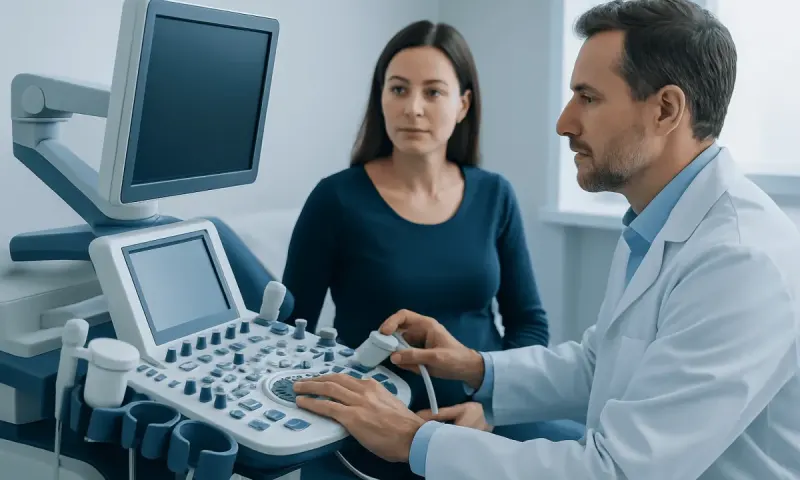
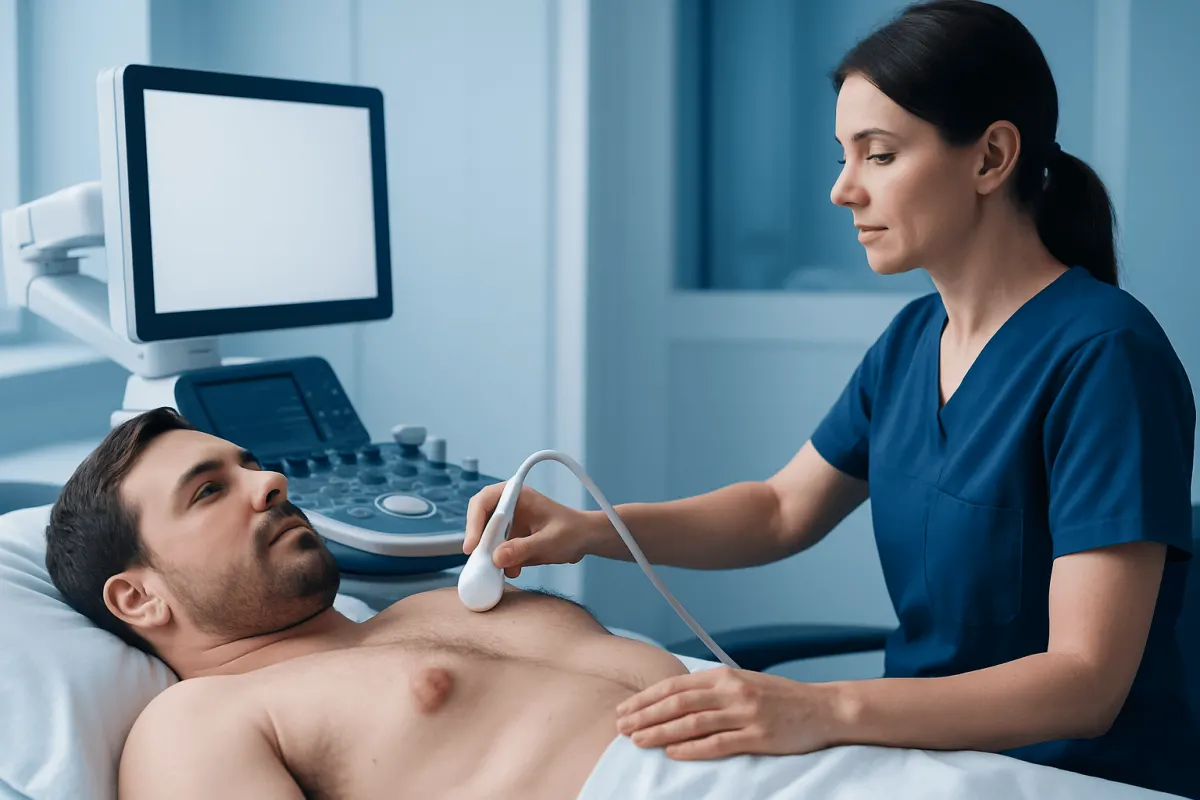
An appropriate assessment begins with a conversation about when the change started, whether it has changed over time, associated symptoms, medications, medical conditions, and personal goals. The clinician examines the chest to assess whether the prominence is primarily glandular tissue, fat, loose skin, or a combination. They also consider chest symmetry, skin quality, and the position of the nipple and areola.
Tests are not needed for every person. However, blood tests, breast imaging, or referral to an endocrinologist may be recommended when the finding is new, occurs mainly on one side, is rapidly growing, or is accompanied by other symptoms. These steps help identify potentially treatable causes before an elective operation is planned.
During a surgical consultation, the surgeon should explain likely benefits, limitations, scars, alternatives, recovery needs, and possible complications. Photographs may be taken for planning and comparison. A safe plan also includes discussion of smoking or nicotine use, as nicotine can impair wound healing and increase complication risk.
How puffy nipple reduction surgery is performed
Puffy nipple reduction surgery is tailored to the type and amount of tissue present. When there is a firm disc of glandular tissue beneath the areola, the surgeon may make a small incision at the border of the areola and carefully remove or reduce that tissue. If excess fat contributes to chest fullness, liposuction may be used alone or combined with glandular tissue removal.
The procedure is commonly performed as an outpatient operation under local anaesthesia with sedation or under general anaesthesia, depending on the extent of treatment and the person’s needs. The surgeon reshapes the area to avoid leaving an indentation behind the nipple. If there is significant loose skin or a larger amount of tissue, a more extensive chest-contouring procedure may be discussed.
As with any operation, potential risks include bleeding, infection, fluid collection, uneven contour, visible scarring, delayed healing, altered nipple sensation, and the need for revision surgery. Rarely, blood supply to the nipple-areola complex can be affected. A board-qualified plastic surgeon can explain how these risks apply to the individual anatomy and procedure plan.
People seeking broader chest contouring may discuss gynecomastia surgery with their surgeon. The most suitable technique depends on examination findings rather than the label used to describe the concern.
Recovery and everyday activity
After surgery, the chest is usually covered with dressings and supported with a compression garment. Compression can help limit swelling and support the healing tissues. Mild to moderate soreness, bruising, tightness, and swelling are expected early on and are managed according to the surgical team’s instructions.
Most people can manage light daily activities within a short period, but the exact timetable varies. Heavy lifting, chest exercises, swimming, and contact sports are usually paused until the surgeon confirms that healing is progressing well. Follow-up appointments allow the care team to check incisions, remove or review dressings where needed, and address questions about activity.
Incision lines generally improve over time, although every scar heals differently. Protecting healing scars from sun exposure and following scar-care advice may help their appearance mature. Patients should contact their surgical team promptly for increasing pain, fever, spreading redness, pus-like drainage, sudden swelling, or other unexpected changes.
Results and realistic expectations
Early puffy nipple reduction before and after comparisons can be misleading because swelling, bruising, posture, lighting, and compression garments may affect the appearance in the first weeks. A flatter or less projected areola may be visible early, but the chest contour continues to settle as swelling resolves and tissues adapt. The surgeon can provide a realistic timeline based on the technique used.
When glandular tissue is removed, the improvement is generally long-lasting. However, future weight changes, hormone shifts, use of anabolic steroids, or medications associated with breast enlargement can influence chest appearance. Addressing modifiable contributors where possible is part of protecting the result.
No procedure can promise perfect symmetry or a specific aesthetic outcome. Natural differences between the two sides of the chest are common, and a small degree of asymmetry may remain. Clear preoperative communication about priorities, scar placement, and acceptable trade-offs supports more informed decision-making.
Costs, preparation, and non-surgical considerations
Puffy nipple reduction cost cannot be estimated accurately without an in-person assessment. The overall cost can depend on whether surgery includes gland removal, liposuction, skin tightening, anaesthesia, operating facility fees, preoperative tests, garments, medications, and follow-up care. Coverage by public or private insurance varies and is more likely to be considered when surgery is medically necessary rather than primarily cosmetic.
Before surgery, people may be advised to maintain a stable weight, avoid nicotine, arrange transport and support for the day of surgery, and discuss all medications and supplements. Following preoperative instructions is important for safety, including guidance about medicines that may affect bleeding.
There is no reliable exercise or topical product that specifically removes a firm glandular disc beneath the areola. If the appearance is mainly related to fatty tissue, gradual weight management and strength training may improve overall chest contour, though results differ. If there is a suspected hormonal or medication-related cause, medical management should come before cosmetic treatment.
When to seek medical care
A person should seek medical assessment for a new breast or nipple change, particularly if it is only on one side, becoming larger, or associated with a hard or fixed lump. Nipple discharge, bleeding, skin dimpling, ulceration, persistent pain, swelling in the armpit, or unexplained weight loss also warrant prompt medical review.
Teenagers with pubertal breast changes can discuss concerns with a paediatrician or family doctor, especially if the enlargement is painful, severe, or persists well beyond puberty. Adults should also speak with a clinician if symptoms started after a new medicine, supplement, or substance use, because an underlying contributor may be treatable.
For people considering an operation, Acıbadem Health Point’s multidisciplinary specialists and JCI-accredited hospitals evaluate and treat chest and breast concerns for international patients. Consultation with a qualified clinician helps ensure that surgery is considered only after a suitable assessment and with a clear recovery plan.
Frequently asked questions
01Are puffy nipples normal?
Puffy nipples are often a normal variation, particularly during puberty or with changes in body weight and hormones. They may also result from glandular breast tissue beneath the areola. A clinician can help identify the cause if the change is new, persistent, or concerning.
02Can exercise get rid of puffy nipples?
Exercise and gradual weight management may reduce chest fullness when fat is the main contributor. They do not reliably remove a firm glandular tissue disc beneath the areola. An examination is needed to distinguish fat from glandular tissue and discuss realistic options.
03Is puffy nipple reduction surgery permanent?
Removal of glandular tissue generally produces a long-lasting reduction in projection. However, future weight changes, hormonal changes, some medicines, or anabolic steroid use may affect the chest’s appearance. Results also depend on healing and the amount of tissue treated.
04What is recovery like after puffy nipple reduction surgery?
Recovery commonly involves temporary soreness, swelling, bruising, dressings, and a compression garment. Light activity may resume relatively soon, while strenuous exercise and heavy lifting are usually delayed until the surgeon advises. Follow-up care is important for monitoring healing.
05Will puffy nipple surgery leave scars?
Surgery requires an incision, so some scar is expected. For limited gland removal, the incision may be placed around the edge of the areola where it can become less noticeable as it matures. Scar appearance varies with the procedure, skin type, healing, and aftercare.
06How much does puffy nipple reduction cost?
Costs vary considerably by country, surgical technique, anaesthesia, facility fees, tests, garments, and follow-up requirements. A surgeon can provide an individualized estimate after examining the chest and confirming the recommended plan. It is also sensible to ask what postoperative care is included.
This article is for general information only and is not a substitute for professional medical advice. Please consult a qualified doctor about your individual situation.
Medical weight-loss options in Turkey — costs & eligibility
JCI-accredited · board-certified surgeons · reply within 24h
Add us as a Preferred Source to see more of our trusted health content across Google Search, AI Overviews and Discover.