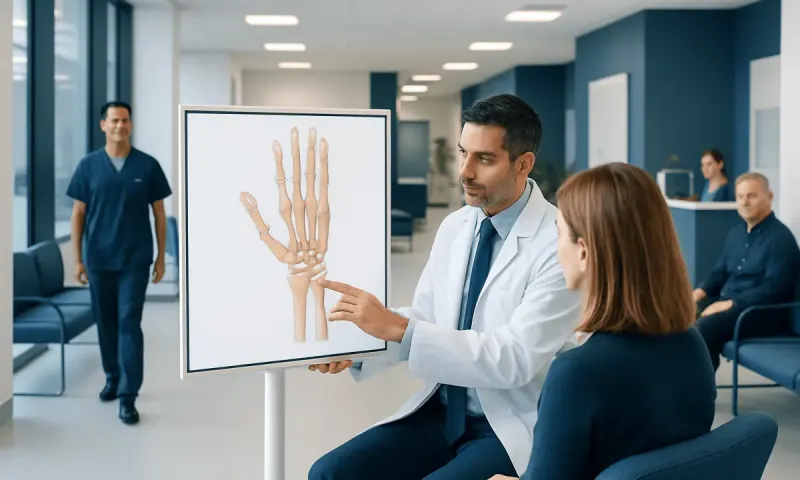
Pubic Symphysis: Anatomy, Function and Disorders

Key Takeaways
- The pubic symphysis is the joint that connects the two sides of the pelvis at the front.
- Pain may be felt in the groin, pubic area, lower back, hips, or inner thighs, and often worsens with walking, stairs, or turning in bed.
- Pregnancy, childbirth, trauma, overuse, and certain pelvic or inflammatory conditions can affect this joint.
- Diagnosis is usually based on history, physical examination, and sometimes imaging tests.
- Treatment often includes activity changes, pain relief, physical therapy, and pelvic support; most people improve with conservative care.
The pubic symphysis is a small but important joint at the front of the pelvis that helps the body move, walk, and bear weight. When it becomes irritated, unstable, or inflamed, it can cause pain in the groin, lower abdomen, hips, or inner thighs, especially during pregnancy or after injury.
Overview
The pubic symphysis is a cartilaginous joint located at the front of the pelvis, where the left and right pubic bones meet. Although it moves only slightly, that small amount of motion matters: it helps the pelvis absorb force while a person walks, changes direction, climbs stairs, or moves from sitting to standing.
When people speak about “pubic symphysis pain,” they are usually describing discomfort in or around this joint. The pain may be sharp, aching, or pressure-like, and it can show up on one side or both sides of the pubic area. In everyday life, the problem is often noticed first during routine movements that suddenly feel harder than they should.
This topic is especially familiar in women’s health, because pregnancy can place extra strain on the pelvic ring. Still, pubic symphysis disorders are not limited to pregnancy. Athletes, people after childbirth, and patients with pelvic trauma or inflammation can also develop symptoms that deserve proper evaluation.
Symptoms
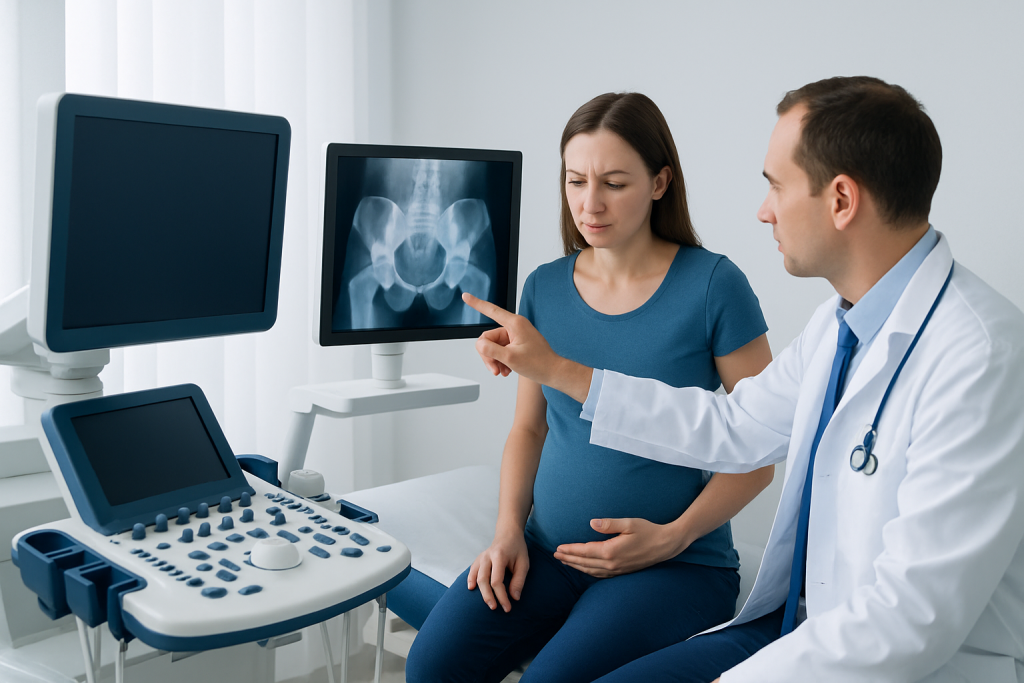
Pubic symphysis problems tend to announce themselves through movement. A person may feel pain in the center of the pelvis when walking, rolling over in bed, getting out of a car, bending to lift something, or standing on one leg to dress. The discomfort may also spread to the groin, inner thigh, lower abdomen, hips, or lower back.
Some people describe a clicking, grinding, or unstable sensation in the pelvis. Others notice that their stride becomes shorter because longer steps increase the pain. In pregnancy, symptoms often become more noticeable later in the day, after prolonged standing, or after activities that separate the legs more widely.
Common symptoms can include:
- Pain over the pubic bone at the front of the pelvis
- Pain with walking, stairs, or turning in bed
- Discomfort when standing on one leg
- A feeling of pelvic instability or “giving way”
- Pain during movement of the legs apart or together
Because several pelvic and hip conditions can feel similar, the exact pattern of symptoms helps a clinician narrow the cause.
Causes & Risk Factors
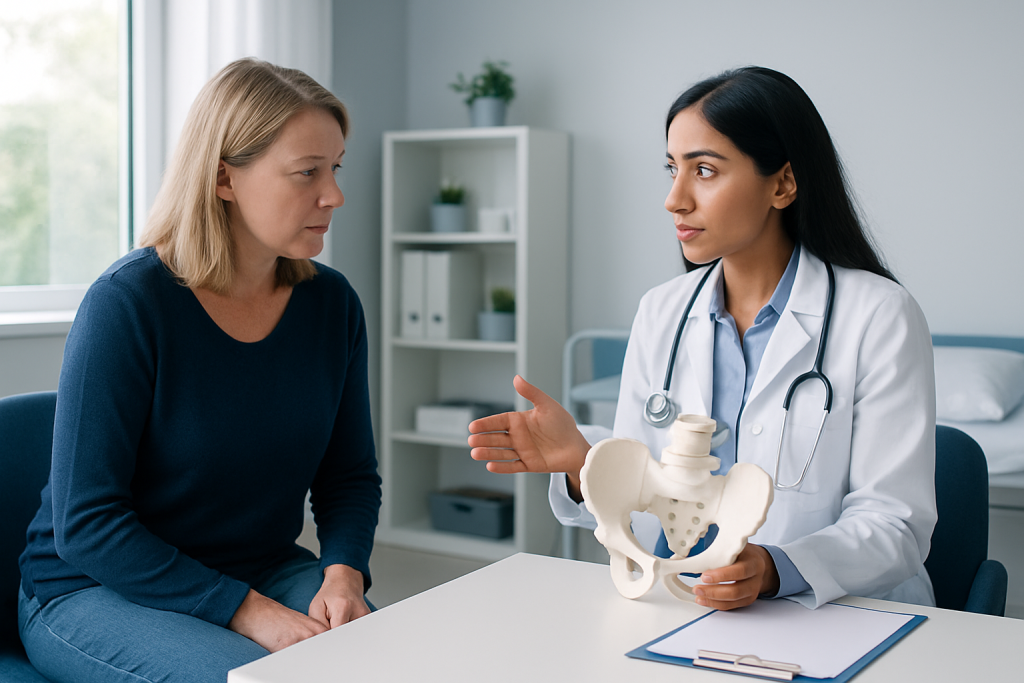
The pubic symphysis can become painful for different reasons. During pregnancy, hormone-related changes can loosen the ligaments around the pelvis so the joint can adapt for childbirth. That natural flexibility is helpful for delivery, but in some people it leads to irritation or too much movement and causes pain.
After childbirth, the joint may remain tender for a period of time, especially if delivery placed extra strain on the pelvic ring. Outside pregnancy, causes may include falls, Orthopedist" class="ahp-ilk">sports injuries, repetitive strain from running or twisting, inflammation in nearby tissues, or more significant pelvic trauma.
Risk tends to be higher in people who:
- Are pregnant or recently postpartum
- Have a history of pelvic injury or surgery
- Perform repeated high-impact or asymmetrical sports movements
- Spend long periods standing, lifting, or carrying loads
- Have inflammatory or musculoskeletal conditions affecting the pelvis
Sometimes the joint itself is not the only source of discomfort. Nearby muscles, ligaments, hips, or the sacroiliac joints may contribute to a similar pain pattern, which is why careful assessment matters.
Diagnosis
Diagnosis starts with a detailed conversation about when the pain began, what movements make it worse, whether pregnancy or childbirth is involved, and whether there has been any injury. A clinician will usually ask the person to point to the most painful area and describe how the pain behaves during daily tasks.
A physical examination may include gentle testing of the pelvis, hips, gait, posture, and range of motion. The goal is not only to confirm that the pubic symphysis is involved, but also to rule out other causes of groin or pelvic pain such as hip disorders, hernias, urinary problems, or referred pain from the spine.
Imaging is sometimes used when the diagnosis is unclear, symptoms are severe, or trauma is suspected. Ultrasound, X-rays, MRI, or other studies may help evaluate the joint and surrounding structures. In pregnant patients, clinicians choose tests carefully and only when needed, using the safest appropriate approach.
Treatment Options
Treatment depends on the cause and how severe the symptoms are, but conservative care is often the first step. Rest does not usually mean complete inactivity; rather, it means adjusting movements that irritate the joint and allowing the pelvis to settle. Shorter walks, avoiding wide leg movements, and breaking tasks into smaller parts can make a meaningful difference.
Physical therapy is often helpful. A therapist may work on pelvic stability, posture, core and hip support, and safer movement strategies for daily life. For some people, a pelvic support belt can reduce strain and make walking or standing more comfortable. If pregnancy is involved, treatment is tailored to protect both the mother and baby.
Pain relief may be recommended by a doctor, depending on the person’s medical history and whether pregnancy or breastfeeding is a factor. When symptoms are severe or related to trauma, more specialized orthopedic or obstetric evaluation may be needed. Rarely, persistent or unstable cases require advanced intervention.
Because people recovering from treatment may need to continue care after traveling home, it is important to leave with a clear plan for activity limits, follow-up visits, and warning signs. When international patients seek help, multidisciplinary teams can coordinate imaging, orthopedics, rehabilitation, and women’s health input so recovery remains organized across borders.
Prevention & Self-care
Not every pubic symphysis problem can be prevented, but the joint often responds well to practical, low-risk habits. The central idea is to reduce repetitive stress and support the pelvis through balanced movement rather than sudden strain.
Helpful self-care measures may include:
- Avoiding wide-legged positions when possible
- Turning the whole body instead of twisting sharply at the waist
- Using stairs carefully and only as needed during flares
- Keeping steps shorter if walking increases pain
- Using pillows for support when lying on the side
- Practicing exercises recommended by a physiotherapist
For pregnant patients, body mechanics matter. Sitting down to dress, keeping knees closer together when getting in and out of bed or a car, and asking for help with heavy loads may reduce symptoms. After delivery or injury, a gradual return to activity is often safer than trying to “push through” pain.
Good self-care also means respecting the body’s signals. If a movement repeatedly triggers pain, it is often better to modify the task early rather than wait until the joint is very irritated.
When to See a Doctor
Medical review is worthwhile when pubic symphysis pain is new, persistent, or interfering with routine activities. A clinician can help confirm the source of the pain and guide treatment that fits the person’s overall health, pregnancy status, or recovery stage.
Urgent evaluation is especially important after a fall, sports injury, or any event that causes sudden pelvic pain, inability to bear weight, or obvious instability. People should also seek prompt medical advice if the pain is accompanied by fever, unexplained swelling, numbness, weakness, urinary symptoms, vaginal bleeding, or severe abdominal pain, because these features can suggest a different problem.
For ongoing symptoms, earlier assessment often leads to a simpler recovery plan. A well-timed diagnosis can reduce unnecessary strain, speed rehabilitation, and help the person move with more confidence day to day. For international patients, Acibadem Health Point’s multidisciplinary specialists and JCI-accredited hospitals can diagnose and treat pubic symphysis-related conditions with coordinated care.
Frequently asked questions
01What is the pubic symphysis?
The pubic symphysis is the joint at the front of the pelvis where the two pubic bones meet. It is designed for small, controlled movement that helps the pelvis absorb force during daily activities.
02Is pubic symphysis pain common during pregnancy?
It can happen during pregnancy because the pelvis becomes more flexible as the body prepares for birth. Some people notice only mild discomfort, while others develop pain that affects walking, stairs, or turning in bed.
03How is pubic symphysis pain different from hip pain?
Pubic symphysis pain is usually felt in the center front of the pelvis or groin, while hip pain may be deeper or more lateral. Because the symptoms can overlap, a clinician may need to examine both areas carefully.
04Can exercise make pubic symphysis pain worse?
Certain movements can worsen symptoms, especially those that involve wide leg separation, twisting, or impact. A physical therapist can suggest safer exercises that support the pelvis without adding strain.
05Does pubic symphysis pain go away on its own?
Many cases improve with conservative care, rest from aggravating activities, and guided rehabilitation. Recovery time varies depending on the cause, whether pregnancy is involved, and whether there was an injury.
06What kind of doctor should evaluate pubic symphysis pain?
An orthopedic specialist, gynecologist, obstetrician, or physical medicine and rehabilitation doctor may be appropriate depending on the situation. The best choice often depends on whether the pain is related to pregnancy, childbirth, injury, or another pelvic condition.
This article is for general information only and is not a substitute for professional medical advice. Please consult a qualified doctor about your individual situation.
Joint and spine care in Turkey — expert assessment & treatment
JCI-accredited · board-certified surgeons · reply within 24h
Add us as a Preferred Source to see more of our trusted health content across Google Search, AI Overviews and Discover.