Psychosomatic Disorders: Causes, Symptoms and Treatment

Key Takeaways
- Psychosomatic symptoms are genuine physical experiences, not imagined complaints.
- Stress, anxiety, depression, and trauma can influence the body in many ways.
- A careful medical evaluation is important to rule out or identify physical causes.
- Treatment often works best when medical care and psychological support are combined.
- Lifestyle habits such as sleep, movement, and stress reduction can support recovery.
Psychosomatic symptoms are real physical complaints that can be influenced or amplified by stress, emotions, and mental health. Understanding the mind-body connection can help patients seek the right evaluation and find relief through combined medical and psychological care.
Overview
The word psychosomatic refers to the close relationship between the mind and the body. In practical terms, it describes physical symptoms that are shaped by emotional stress, psychological strain, or other mental health factors. These symptoms are real, and they can affect day-to-day life in ways that feel frustrating, confusing, or even frightening.
People sometimes hear the term and worry it means “the symptoms are all in the head.” That is not an accurate or helpful way to think about it. The body and brain constantly communicate with one another, and stress can change sleep, muscle tension, digestion, breathing patterns, heart rate, and pain perception. For some people, that interaction becomes noticeable as recurring headaches, stomach discomfort, chest tightness, fatigue, or other symptoms without a clear single cause.
Because psychosomatic symptoms can resemble many medical conditions, a proper evaluation matters. The goal is not to dismiss symptoms, but to understand them carefully and create a plan that addresses both physical and emotional contributors. For international patients, this may involve coordinating records, reviewing previous test results, and planning follow-up care that can continue after returning home.
Symptoms
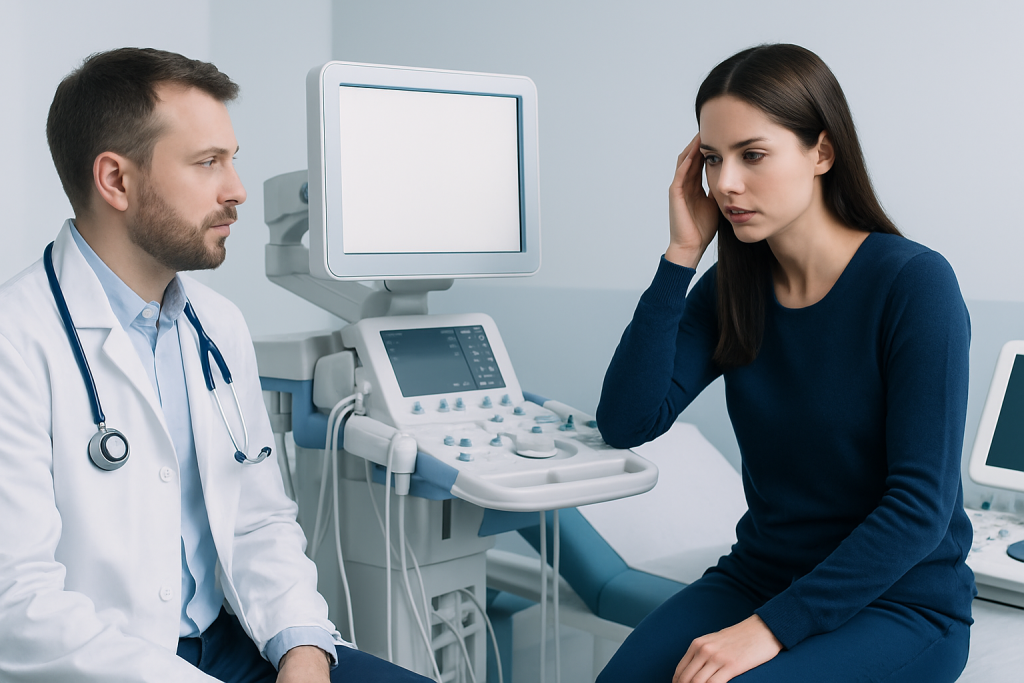
Psychosomatic symptoms can appear in many different forms, and they do not look the same for every person. Some patients notice one persistent complaint, while others experience several symptoms that change over time or become worse during periods of stress.
Common examples may include:
- Headaches or migraine-like pain
- Stomach upset, nausea, bloating, or changes in bowel habits
- Chest tightness, a racing heartbeat, or feeling short of breath
- Muscle tension, aches, or widespread body pain
- Fatigue, low energy, or poor sleep
- Dizziness, tingling, or a sense of “not feeling right” physically
These symptoms may flare during stressful life events, work pressure, conflict, grief, travel, or major changes in routine. Some people notice that symptoms worsen when they focus on them, while others experience them more strongly in situations that make them feel overwhelmed or unsafe. The pattern can be just as important as the symptom itself.
It is also possible for psychosomatic symptoms to overlap with an underlying medical condition. For that reason, anyone with new, severe, or persistent symptoms should be evaluated by a qualified doctor rather than assuming stress is the only explanation.
Causes & Risk Factors

Psychosomatic symptoms usually arise from a combination of factors rather than a single cause. Stress is a common contributor, but it is only one part of a broader picture that includes body chemistry, coping style, health history, and environmental pressures.
Potential contributors include anxiety, depression, panic symptoms, unresolved trauma, chronic stress, sleep deprivation, and prolonged physical tension. Some patients are more sensitive to body sensations and may become caught in a cycle where worrying about symptoms makes the symptoms stronger. In others, long-term illness, pain, or life disruptions can lower resilience and make physical stress responses more noticeable.
Risk can also be influenced by practical realities such as demanding work, caregiving burden, isolation, language barriers, uncertain access to care, or long-distance travel for treatment. International patients may face extra emotional load when they are away from familiar support systems, and that stress can affect how the body feels during the care journey.
There is no single personality type that “causes” psychosomatic symptoms. The more useful question is whether stress, mood, and physical health are interacting in a way that keeps symptoms active. That perspective helps clinicians choose a treatment plan that is supportive rather than judgmental.
Diagnosis
Diagnosis begins with listening. A clinician will usually ask when the symptoms started, what they feel like, how often they occur, what makes them better or worse, and whether there are related concerns such as sleep changes, anxiety, low mood, or recent stressors. A detailed history helps guide testing and reduces the chance of overlooking an underlying medical issue.
Doctors may perform a physical examination and order tests depending on the symptom pattern. These tests are not done to “prove” symptoms are psychosomatic; they are used to rule out medical conditions that may need treatment or to identify more than one factor at the same time. In many cases, a diagnosis becomes clearer when repeated evaluations do not reveal a single structural cause and the symptom pattern strongly suggests mind-body involvement.
When appropriate, the doctor may also screen for anxiety, depression, sleep problems, trauma-related symptoms, or health-related worry. This can help distinguish psychosomatic symptoms from other conditions such as primary medical disease, functional disorders, panic attacks, or somatic symptom disorder. A careful approach is especially valuable for patients traveling from abroad, because it allows the care team to summarize findings clearly for ongoing follow-up with home-country providers.
Treatment Options
Treatment works best when it is individualized. Some people benefit most from medical evaluation and reassurance, while others need structured psychological support, physical rehabilitation, or treatment for an underlying condition that is contributing to symptoms. The plan often evolves as the person learns which triggers and coping strategies matter most.
Psychological therapies are often central to care. Cognitive behavioral therapy, stress-management training, trauma-focused therapy, or other evidence-based approaches can help patients change the cycle between worry, body tension, and symptom amplification. These therapies do not suggest the symptoms are “not real”; instead, they help the brain and body respond in a less reactive way.
Depending on the situation, a doctor may also recommend treatment for associated conditions such as anxiety, depression, sleep disturbance, or chronic pain. Medication may be appropriate in some cases, but it is not the only tool and is not suitable for every patient. Physical therapies, graded activity, breathing exercises, and relaxation techniques can also reduce muscle tension and improve function.
For international patients, treatment planning may include setting realistic goals before travel, ensuring access to translated instructions, and arranging follow-up once the patient returns home. That continuity matters because improvement in psychosomatic symptoms often happens gradually, through consistent care rather than a single intervention.
Prevention & Self-care
Not every psychosomatic symptom can be prevented, but many people feel better when they reduce the body’s stress load. Small routines often matter more than dramatic changes, especially when symptoms are tied to overwork, disrupted sleep, or emotional strain.
Helpful self-care measures may include:
- Keeping a regular sleep and wake schedule
- Eating balanced meals and staying hydrated
- Using gentle physical activity, such as walking or stretching
- Practicing slow breathing, mindfulness, or relaxation exercises
- Limiting alcohol, nicotine, and excessive caffeine if they worsen symptoms
- Noticing symptom triggers in a brief journal without obsessing over them
It can also help to build a steady relationship with one primary clinician who can follow the overall pattern rather than reacting to each symptom in isolation. Clear communication, symptom tracking, and a realistic pace of recovery often reduce uncertainty. If a patient is receiving care in another country, keeping copies of test results, medication lists, and discharge summaries can make continued self-care much easier.
Equally important is kindness toward oneself. Symptoms that feel stressful to the body often become worse when the person feels guilty or ashamed. A calm, structured approach usually supports recovery better than trying to “push through” everything alone.
When to See a Doctor
Medical evaluation is important whenever symptoms are new, persistent, severe, or changing in a way that does not feel typical. Even when psychosomatic factors seem likely, a doctor should assess the situation to make sure nothing significant is being missed.
Prompt medical attention is especially important if there is chest pain, fainting, trouble breathing, blood in stool or vomit, sudden weakness, significant weight loss, high fever, or Neurology May Be Urgently Needed" class="ahp-ilk">severe headache. These symptoms may have many possible causes, and they should never be assumed to be stress-related without evaluation.
It is also wise to seek help when physical symptoms are beginning to affect work, sleep, relationships, travel plans, or daily confidence. If anxiety, low mood, panic, or trauma symptoms are present alongside physical complaints, integrated care can make a meaningful difference. Acibadem Health Point’s multidisciplinary specialists and JCI-accredited hospitals diagnose and treat this condition for international patients with coordinated support across specialties.
Living With Psychosomatic Symptoms
Many patients feel relieved once they understand that the symptoms are real and that the mind-body connection is part of normal human biology. That understanding can reduce fear and create room for practical treatment instead of endless uncertainty. Recovery often starts with a more accurate explanation of what the body is doing under stress.
Progress may not be linear. Some days are better than others, especially during periods of travel, poor sleep, or emotional strain. The aim is usually not to eliminate every sensation immediately, but to reduce symptom intensity, improve function, and make flare-ups less disruptive over time.
With the right assessment and a thoughtful care plan, many people learn to manage symptoms more effectively and regain confidence in their health. A patient-centered approach that respects both physical and emotional experiences is often the most helpful path forward.
Frequently asked questions
01Are psychosomatic symptoms real physical symptoms?
Yes. The symptoms are real and can affect daily life, comfort, and function. What makes them psychosomatic is that stress, emotions, or mental health factors may influence how strongly they appear or how long they last.
02Does psychosomatic mean a symptom is made up?
No. It does not mean the person is pretending or exaggerating. It means the body and mind are interacting in a way that produces genuine symptoms, which deserve proper medical attention.
03Can psychosomatic symptoms be treated?
Yes, and treatment often helps when it is tailored to the person’s needs. Care may include medical evaluation, therapy, stress management, treatment of anxiety or depression, and lifestyle adjustments that support recovery.
04How do doctors tell the difference between psychosomatic symptoms and a medical illness?
Doctors use history, examination, and sometimes tests to look for physical causes. They also consider whether stress, mood, sleep, or life events are contributing, especially when the symptom pattern changes with emotional strain.
05Can travel or being in a new country make symptoms worse?
Yes, travel stress, unfamiliar routines, language barriers, and separation from support systems can all increase body tension and symptom awareness. Planning ahead, keeping records organized, and arranging follow-up care can make the experience easier.
06When should someone seek urgent help for symptoms that might be psychosomatic?
Urgent care is important for symptoms such as chest pain, fainting, severe shortness of breath, sudden weakness, blood in vomit or stool, or a very severe headache. These symptoms need prompt assessment even if stress seems involved.
This article is for general information only and is not a substitute for professional medical advice. Please consult a qualified doctor about your individual situation.
Persistent digestive symptoms? Get evaluated in Turkey
JCI-accredited · board-certified surgeons · reply within 24h
Add us as a Preferred Source to see more of our trusted health content across Google Search, AI Overviews and Discover.