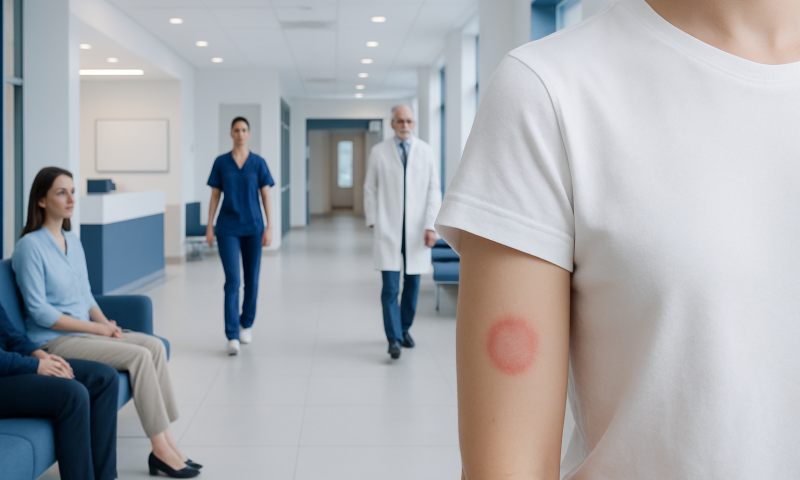
Psoriasis Homeopathic Treatment in Dubai: Options, Effectiveness and Recovery

Key Takeaways
- Psoriasis is a chronic immune-mediated skin condition that usually needs medical evaluation and an individualized plan.
- Homeopathic remedies are widely discussed, but strong scientific evidence that they treat psoriasis is limited.
- Some people use homeopathy as a complementary approach, but it should not replace evidence-based psoriasis care.
- Triggers such as stress, infections, skin injury, smoking, and some medicines can make psoriasis worse.
- A dermatologist can confirm the diagnosis, rule out look-alike conditions, and help choose treatment based on severity and goals.
Psoriasis homeopathic treatment in Dubai is sometimes sought by people looking for gentle or natural options, but it should be understood alongside what is known about psoriasis itself and the limits of homeopathy. This article explains potential approaches, evidence, diagnosis, and safer ways to support skin health while working with a qualified doctor.
Overview
When people search for psoriasis homeopathic treatment in Dubai, they are often trying to find a gentler path for a condition that can be stubborn, visible, and emotionally draining. Psoriasis is more than dry skin; it is a long-term inflammatory condition in which the immune system speeds up skin cell turnover, leading to red, scaly, sometimes itchy plaques.
Homeopathy is sometimes chosen by patients who want a natural-sounding option or who hope to avoid stronger medicines. The important point is that psoriasis usually requires a diagnosis from a qualified clinician, because similar-looking rashes can behave very differently and need different treatment. A careful plan can still respect a patient’s preferences while staying grounded in evidence.
For international patients considering care in Dubai, it is useful to separate two questions: what may help the skin feel better, and what is actually proven to control psoriasis over time. That distinction matters because psoriasis can range from mild plaques that respond to topical care to more extensive disease that may need phototherapy or systemic treatment.
Symptoms
Psoriasis does not present in exactly the same way for everyone. The most familiar form causes raised patches with a silvery scale, often on the scalp, elbows, knees, lower back, or around the nails. The skin may feel dry, tight, sore, or itchy, and some people notice cracking or bleeding when plaques are irritated.
Symptoms may come and go in flares. For some people, the skin is the main issue. For others, the condition also affects sleep, confidence, clothing choices, or social comfort, especially when plaques are on visible areas such as the face, hands, or scalp.
Psoriasis can also affect the nails, causing pitting, thickening, discoloration, or separation from the nail bed. In some cases, joint symptoms such as stiffness, swelling, or pain may appear, which can signal psoriatic arthritis and should be assessed promptly.
Causes & Risk Factors

Psoriasis develops when the immune system sends signals that make skin cells grow and shed too quickly. Genetics play an important role, which means the condition often appears in more than one family member, although not everyone with a family history will develop it.
Several factors can trigger or worsen symptoms. Common examples include stress, skin injury, infections such as strep throat, smoking, excess alcohol, and certain medicines. Cold weather and dry air may also make scaling and itching more noticeable.
Homeopathic approaches are often discussed in terms of “personalized” remedy selection, but the medical focus remains on identifying the real drivers of flares. That includes looking for triggers, reviewing medications, and checking whether the rash could instead be eczema, seborrheic dermatitis, fungal infection, or another skin condition.
Diagnosis
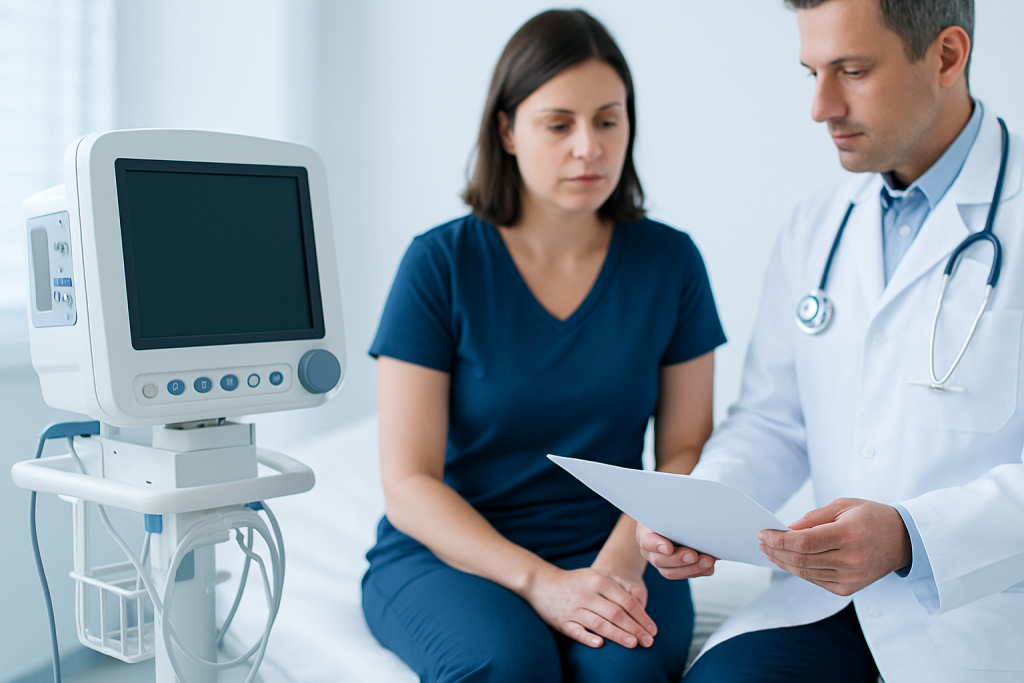
Diagnosis usually begins with a careful skin examination and a discussion of symptom history, triggers, family history, and any joint complaints. In many cases, a dermatologist can diagnose psoriasis by appearance alone, especially when the pattern is typical.
Sometimes a skin biopsy is recommended if the diagnosis is uncertain or if another condition needs to be excluded. This is particularly helpful when the rash is unusual, widespread, or not responding as expected to standard therapy.
For patients exploring psoriasis homeopathic treatment in Dubai, an accurate diagnosis is the first safeguard. It helps ensure that a person does not delay proper care for a condition that could worsen, become infected, or affect the joints if left untreated.
Treatment Options
The evidence-based treatment of psoriasis depends on severity, location, and how much the condition affects daily life. Mild psoriasis is often managed with topical therapies such as moisturizers, corticosteroids, vitamin D-based creams, or other anti-inflammatory skin treatments prescribed by a clinician.
Moderate to severe psoriasis may require phototherapy or systemic treatment, including medicines that act on the immune system. The choice is individualized and often depends on whether the skin, scalp, nails, or joints are involved, as well as what treatments the person has already tried.
Homeopathy is sometimes used as a complementary practice, but current medical evidence does not show that homeopathic remedies reliably control psoriasis inflammation or replace standard treatment. If a patient wishes to use homeopathy, it is safest to discuss it with a dermatologist so it can be considered alongside, not instead of, proven care.
People should be cautious about any product marketed as a cure, especially if it promises rapid clearing without medical evaluation. A sensible plan usually focuses on symptom control, trigger reduction, and long-term skin protection rather than one universal remedy.
Prevention & Self-care
Psoriasis cannot always be prevented, but flare-ups can often be reduced with consistent daily habits. Gentle skin care matters: short lukewarm showers, fragrance-free cleansers, and regular use of emollients can help protect the skin barrier and reduce dryness.
Stress management is also important because stress can intensify symptoms for many people. Sleep, physical activity, hydration, and practical routines can all support overall skin comfort, although they do not cure the underlying condition.
Avoiding known triggers is another useful step. Smoking cessation, moderating alcohol, protecting the skin from cuts and burns, and treating infections early can all be part of a broader self-care plan.
People traveling for treatment should pack their usual skin products, make note of climate differences, and keep follow-up visits in mind before flying home. Continuity matters, because psoriasis care often works best when treatment is reviewed and adjusted over time.
When to See a Doctor
A doctor should be consulted when a rash is new, persistent, spreading, or not improving with basic skin care. Medical review is especially important if the diagnosis is uncertain, because psoriasis can resemble several other skin disorders that need different treatment.
Prompt evaluation is also wise if the person has nail changes, painful joints, widespread plaques, severe itching, cracking skin, or signs of infection such as increasing redness, warmth, swelling, or drainage. These features can change the treatment plan and should not be ignored.
Anyone considering psoriasis homeopathic treatment in Dubai may benefit from a dermatologist-led consultation first, followed by a balanced discussion of complementary options. Acibadem Health Point’s multidisciplinary specialists and JCI-accredited hospitals diagnose and treat psoriasis for international patients, helping them plan care and follow-up with clarity.
Frequently asked questions
01Can homeopathy cure psoriasis?
There is no strong scientific evidence that homeopathy cures psoriasis. Some people use it as a complementary approach, but it should not replace dermatologist-guided treatment. A medical plan is still important to control inflammation and reduce flares.
02Is psoriasis homeopathic treatment in Dubai a reasonable option to try?
It may be reasonable as an added preference if the person understands its limits and keeps medical care in place. The safest approach is to have a dermatologist confirm the diagnosis first and then discuss any complementary options. This helps avoid delays in effective treatment.
03What treatments are usually used for psoriasis?
Common treatments include moisturizers, topical prescription creams, phototherapy, and, for more extensive disease, systemic medicines. The right choice depends on how severe the psoriasis is, where it appears, and whether joints are involved. A clinician can tailor the plan to the individual.
04What can make psoriasis flare up?
Stress, skin injury, infections, smoking, alcohol, dry weather, and certain medicines can all worsen symptoms in some people. Triggers vary from person to person, so keeping a simple flare diary can be helpful. A doctor can also review medications for possible contributors.
05How do doctors know it is psoriasis and not another rash?
Doctors usually look closely at the skin pattern, symptom history, and any nail or joint changes. If the picture is unclear, a biopsy may be used to confirm the diagnosis or rule out another condition. This is one reason self-diagnosis is not ideal.
06When should someone seek care quickly?
Medical attention is important if the rash is rapidly spreading, painful, infected, or accompanied by joint swelling or stiffness. It is also wise to seek help if everyday life or sleep is being affected. Early assessment can make treatment simpler and more effective.
This article is for general information only and is not a substitute for professional medical advice. Please consult a qualified doctor about your individual situation.
Hair transplant in Turkey — costs, graft counts & a free assessment
JCI-accredited · board-certified surgeons · reply within 24h
Add us as a Preferred Source to see more of our trusted health content across Google Search, AI Overviews and Discover.