PRP Injection Price: What Shapes Your Total Cost

PRP injection price is not fixed because it depends on the condition being treated, the body area, the number of sessions recommended and the clinic's testing, imaging and follow-up arrangements. Many PRP treatments are paid for out of pocket, so patients should request a written, itemized estimate before deciding whether treatment is appropriate.
What does a PRP injection price include?
PRP injection price refers to the charge for platelet-rich plasma treatment, a procedure that uses a concentrated portion of a person’s own blood. It is often discussed for tendon, joint, muscle or hair-related concerns, but the reason for treatment matters greatly. There is no single standard price because PRP preparation methods, injection techniques and follow-up plans vary between providers.
For a useful estimate, patients should ask whether the quote covers the consultation, blood draw, laboratory processing, ultrasound guidance, the injection itself and review appointments. Costs for diagnostic imaging, rehabilitation, prescribed medicines or treatment of the underlying condition may be separate. This is particularly important when comparing PRP injection pricing between clinics.
In the United States, PRP injection cost without insurance is commonly relevant because coverage is limited for many musculoskeletal uses. Rather than relying on an advertised starting figure, patients can request a written breakdown and ask how many sessions the clinician believes may be needed after an individual assessment.
How PRP works and the conditions it may treat
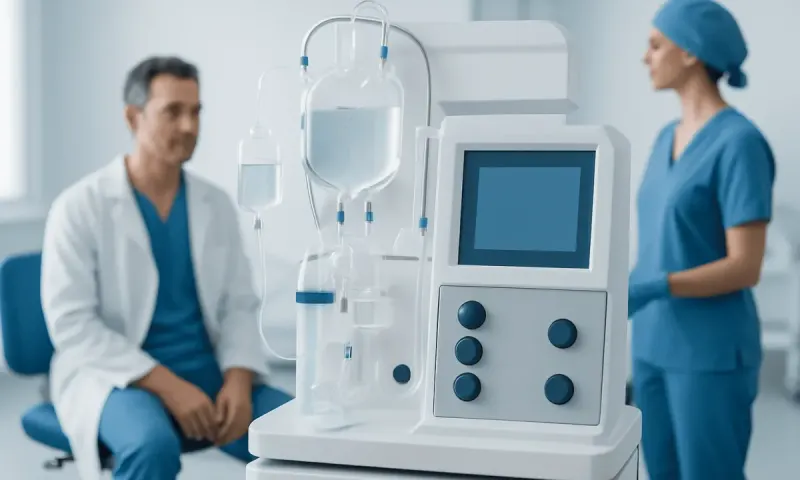
Platelets are blood components involved in clotting and tissue repair. During PRP treatment, a small blood sample is collected and placed in a centrifuge. This separates blood into components and produces plasma with a higher concentration of platelets than whole blood. The prepared PRP is then injected into a specific area of concern.
PRP is used in some settings for tendon problems, selected joint conditions, certain sports injuries and some types of hair loss. Research is evolving, and results differ according to the condition, preparation technique, injection site and patient factors. For example, evidence for some chronic tendon conditions differs from evidence for joint pain or scalp treatment.
PRP should not replace a careful diagnosis. Persistent pain may arise from conditions such as osteoarthritis, tendon injury, nerve irritation or inflammatory disease, each of which may need a different plan. A clinician may consider physical examination, imaging or laboratory tests before advising an injection.
Who may be a candidate for PRP treatment?

A possible candidate is someone with a clearly identified condition for which PRP is considered a reasonable option after discussion of expected benefits, alternatives and uncertainties. In musculoskeletal care, PRP may be considered alongside activity modification, physiotherapy and other non-surgical measures. It is generally not a first answer for every painful joint or injury.
Clinicians also review medical history, current medicines and blood health. People with an active infection, certain blood or bleeding disorders, severe anemia, some cancers or significant medical instability may not be suitable candidates. Use of medicines that affect bleeding or platelet activity should be discussed with the treating doctor; patients should not stop prescribed medication without medical advice.
Pregnancy, breastfeeding, immune suppression and previous surgery near the planned injection site may require individualized assessment. The most appropriate treatment is based on the person’s diagnosis, goals, overall health and the quality of evidence for that specific use of PRP.
What happens during a PRP injection procedure?
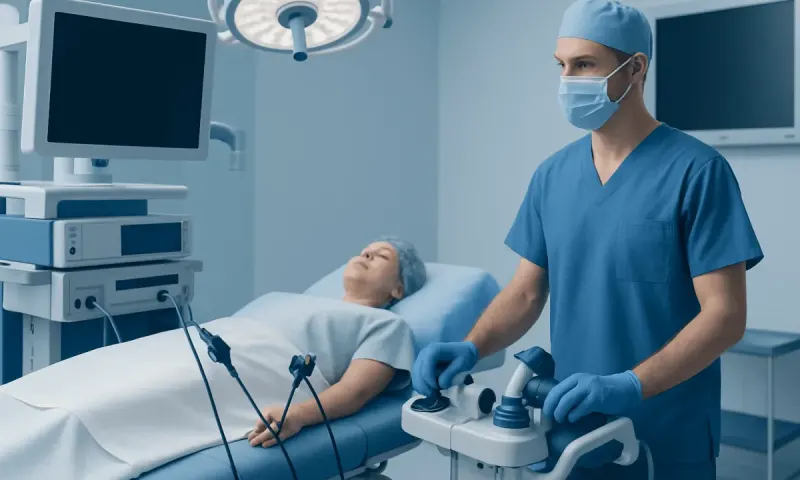
The appointment usually begins with confirmation of the treatment area and a review of symptoms, medical history and consent. A small amount of blood is drawn from a vein, similar to a routine blood test. The sample is processed in a centrifuge to concentrate the platelet-containing plasma.
The skin is cleaned, and a clinician injects the prepared PRP into or around the planned tissue. For deeper structures such as joints or tendons, ultrasound guidance may be used to improve placement accuracy. Local anesthetic practices differ because some clinicians consider that certain anesthetics could affect platelet activity, so this should be discussed beforehand.
Afterward, the patient is observed briefly and given personalized activity advice. The total visit length depends on the clinic workflow and whether imaging is used. A treatment page on PRP treatment can help patients understand the general procedure, although their own plan may differ.
How much do 3 sessions of PRP cost?
The cost of three PRP sessions cannot be estimated accurately without knowing the treatment site, diagnosis, clinic location, PRP system used and what is included in each visit. Some care plans involve a single injection, while others recommend a series spaced over weeks or months. A three-session plan may therefore cost roughly three procedure fees, but package structures and included services vary widely.
Patients should ask whether a multi-session recommendation is based on evidence for their particular condition or on a standard clinic protocol. They should also clarify whether the quoted total includes reassessment visits, ultrasound guidance, blood tests, physiotherapy, imaging and any additional injections if symptoms persist.
It can be reasonable to compare written estimates, but price alone should not determine the choice. A lower fee may exclude important diagnostic work, guidance during the injection or follow-up care. A clear explanation of the treatment goal and alternatives is usually more valuable than a headline package price.
Why doesn't Medicare pay for PRP injections?
Medicare coverage decisions are based on whether a service is considered reasonable and necessary for a covered medical indication under applicable policy. For many PRP uses, particularly musculoskeletal injections, Medicare coverage may be limited because evidence has not established consistent benefit across all conditions and treatment methods. Policies can change and may differ according to the indication and local administrative guidance.
PRP is not one uniform treatment. The concentration of platelets, preparation device, number of injections and targeted tissue can vary, making studies harder to compare. This variation contributes to uncertainty about which patients benefit most and which protocol is best.
Patients should check directly with Medicare, a supplemental plan or the treating facility before scheduling. If treatment is not covered, the clinic should explain expected self-pay charges and whether other covered options, such as rehabilitation or diagnostic evaluation, may be appropriate.
What insurance pays for PRP?
Private insurance coverage for PRP is variable and often limited. Many insurers classify PRP injections as investigational or not medically necessary for common orthopedic, pain or hair-related uses, meaning the patient may be responsible for the full cost. A few plans may consider coverage for narrowly defined indications, but approval rules can be strict.
Before treatment, patients can call the insurer using the number on their insurance card and ask about the planned diagnosis, procedure and treatment site. It is helpful to ask whether prior authorization is required, whether the clinician is in network and which parts of care may be billed separately. Written confirmation is preferable when available.
Even when an office visit, imaging or physical therapy is covered, the PRP preparation and injection itself may not be. Patients should obtain a financial estimate from the clinic and avoid assuming that a referral automatically means the procedure is insured.
Is PRP actually worth it?
Whether PRP is worth it depends on the diagnosis, severity of symptoms, treatment goals, available alternatives and the patient’s ability to pay if insurance does not cover care. Some people experience meaningful improvement, while others have little or no benefit. PRP should be viewed as one possible treatment option rather than a guaranteed repair.
It may be more reasonable when a qualified clinician has confirmed a condition with evidence that PRP can help, conservative care has been considered and the patient understands the expected recovery period. For some tendon and joint concerns, a structured rehabilitation program remains an important part of treatment, whether or not an injection is used.
A balanced discussion should include alternatives such as exercise-based rehabilitation, medication when appropriate, bracing, image-guided procedures or surgery for selected structural problems. For example, patients with significant joint damage may need an assessment for joint replacement surgery rather than repeated injections. Acıbadem Health Point’s multidisciplinary specialists and JCI-accredited hospitals can assess suitable treatment options for international patients.
Recovery, possible benefits and risks
After PRP, temporary soreness, swelling, stiffness or bruising at the injection site can occur. Many clinicians advise avoiding strenuous activity involving the treated area for a short period, then returning gradually to exercise or rehabilitation according to individualized instructions. Recovery timing depends on the area treated and the underlying condition.
Improvement, if it occurs, may develop gradually over several weeks or longer rather than immediately. PRP is intended to support biological healing processes, but it does not instantly rebuild damaged tissue. The clinician can explain when to resume work, sport and therapy and when to schedule follow-up.
Serious complications are uncommon but can include infection, bleeding, nerve or tissue injury and worsening pain. Because PRP comes from the patient’s own blood, allergic reactions to the plasma itself are uncommon, although reactions to skin preparations, anesthetics or other materials remain possible. Careful sterile technique and accurate placement are important.
When to seek medical care
Medical assessment is important before PRP when pain is severe, follows a major injury, limits walking or use of a limb, or is associated with weakness, numbness, locking or joint instability. A prompt evaluation is also needed for unexplained swelling, a warm or red joint, fever, or pain that is worsening rather than improving.
After an injection, patients should contact the treating clinic promptly for increasing redness, warmth, drainage, fever, severe swelling, new numbness, weakness or symptoms that feel significantly different from expected soreness. Emergency care may be needed for severe allergic symptoms, chest pain, trouble breathing or sudden neurological symptoms.
For ongoing pain without warning signs, a scheduled appointment with a qualified doctor, orthopedic specialist, sports medicine clinician or physiotherapist can help identify the cause and discuss whether PRP is suitable. An individualized diagnosis is the best starting point for safe decisions about cost and care.
Frequently asked questions
01What is included in the price of a PRP injection?
The price may include the consultation, blood draw, PRP preparation, injection and follow-up visit, but this differs by clinic. Imaging, ultrasound guidance, rehabilitation and additional appointments may be charged separately. Patients should request an itemized estimate before treatment.
02Is PRP usually paid for out of pocket?
Often, yes. Medicare and many private insurers do not routinely cover PRP for common musculoskeletal or hair-related uses. Coverage depends on the specific plan, diagnosis and local policy, so verification before scheduling is important.
03How many PRP injections are usually needed?
The number varies by diagnosis, treatment area and clinical protocol. Some people receive one injection, while others may be offered a series. A clinician should explain why a particular number of sessions is being recommended for the individual condition.
04Can PRP cure arthritis or a tendon tear?
PRP does not reliably cure arthritis or repair every tendon tear. It may reduce symptoms or support recovery for selected people, but results are variable. Structural damage, severe disease or a complete tear may require different treatment.
05How long does it take to see results after PRP?
Results are not usually immediate, and some temporary soreness can occur first. If PRP is helpful, changes may emerge gradually over weeks or months depending on the condition and treatment area. Follow-up and rehabilitation can influence recovery.
06What should patients ask before paying for PRP?
Patients can ask about the diagnosis, expected benefit, alternatives, number of injections, recovery plan, risks and all costs not included in the procedure fee. They should also ask whether ultrasound guidance will be used when appropriate and whether insurance has been checked. A written treatment and financial plan supports informed decision-making.
This article is for general information only and is not a substitute for professional medical advice. Please consult a qualified doctor about your individual situation.
Hair transplant in Turkey — costs, graft counts & a free assessment
JCI-accredited · board-certified surgeons · reply within 24h
Add us as a Preferred Source to see more of our trusted health content across Google Search, AI Overviews and Discover.