PRP Hair Treatment: Options, Effectiveness and Recovery

Key Takeaways
- PRP hair treatment is a minimally invasive option that uses platelet-rich plasma from the patient’s own blood.
- It may be most helpful for androgenetic alopecia and some forms of thinning hair, especially when follicles are still present.
- Results are usually gradual and may require a series of sessions plus maintenance treatment.
- PRP does not replace a full medical evaluation, because hair loss can have several treatable causes.
- Temporary scalp tenderness, swelling, or mild bruising are possible after treatment, but recovery is usually quick.
PRP hair treatment uses a patient’s own blood components to support hair follicles that are still active, most often in early hair thinning. It may help slow shedding and improve hair density, but results vary, and it works best when the underlying cause of hair loss is properly identified.
Overview
PRP hair treatment is a clinic-based procedure in which a small sample of a person’s blood is processed to concentrate platelets, then injected into areas of thinning hair. The aim is to place growth-factor-rich plasma close to hair follicles that are weakened but still alive, with the goal of supporting healthier hair cycling.
For many people, the key question is not whether PRP can create “new” hair from nothing, but whether it can help existing follicles work better. In that sense, it is usually considered a supportive treatment for thinning, not a cure for all forms of hair loss. People who are deciding on care from another country often benefit from a careful diagnosis first, because the same visible shedding can come from hormone changes, nutritional issues, autoimmune disease, medications, stress, or patterned hair loss.
PRP is often discussed alongside other hair restoration options such as topical medicines, oral medicines, low-level light therapy, or transplant procedures. The best approach depends on the cause of hair loss, how long it has been present, and whether the person wants a non-surgical option, a combined treatment plan, or a longer-term restoration strategy.
How PRP Hair Treatment Works
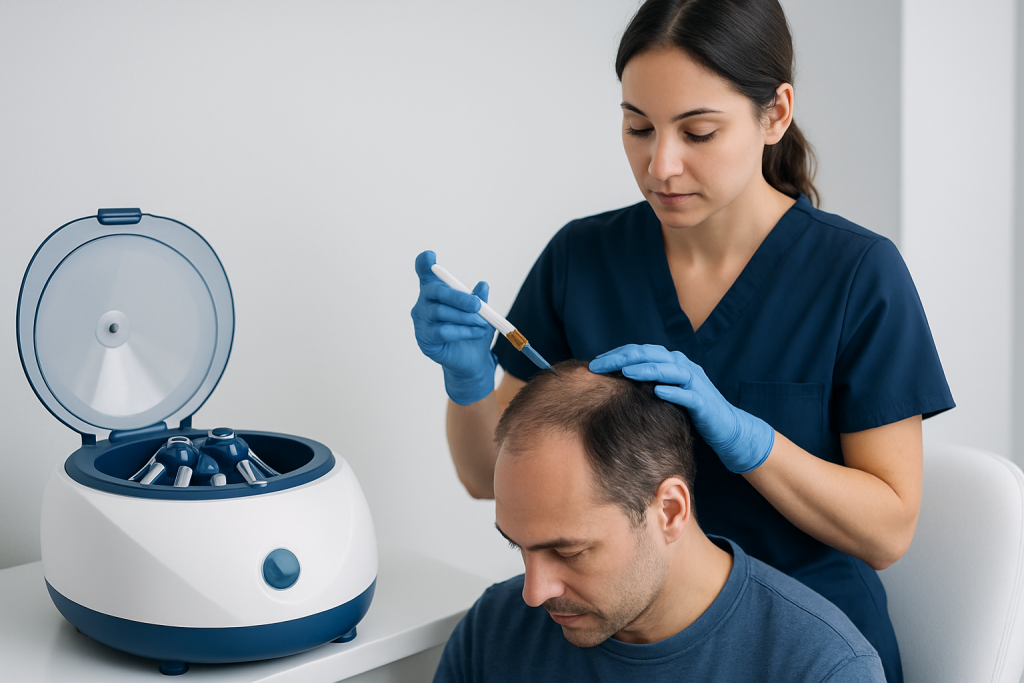
PRP stands for platelet-rich plasma. Platelets are best known for their role in clotting, but they also contain signaling molecules involved in tissue repair. In a PRP session, blood is drawn, placed into a centrifuge, and separated so that the platelet-rich portion can be collected for scalp treatment.
Once prepared, the PRP is injected into targeted areas of the scalp using a fine needle. The procedure is usually performed in an outpatient setting and typically does not require anesthesia beyond a numbing method chosen by the clinic. Some people describe a pinching or pressure sensation, but the treatment is generally brief and manageable.
Researchers and clinicians believe PRP may help hair by improving the environment around follicles, supporting circulation, and encouraging follicles that are in a resting phase to re-enter a growth phase. However, not everyone responds the same way, and the treatment technique, platelet concentration, and underlying diagnosis all influence the outcome.
Who May Be a Good Candidate
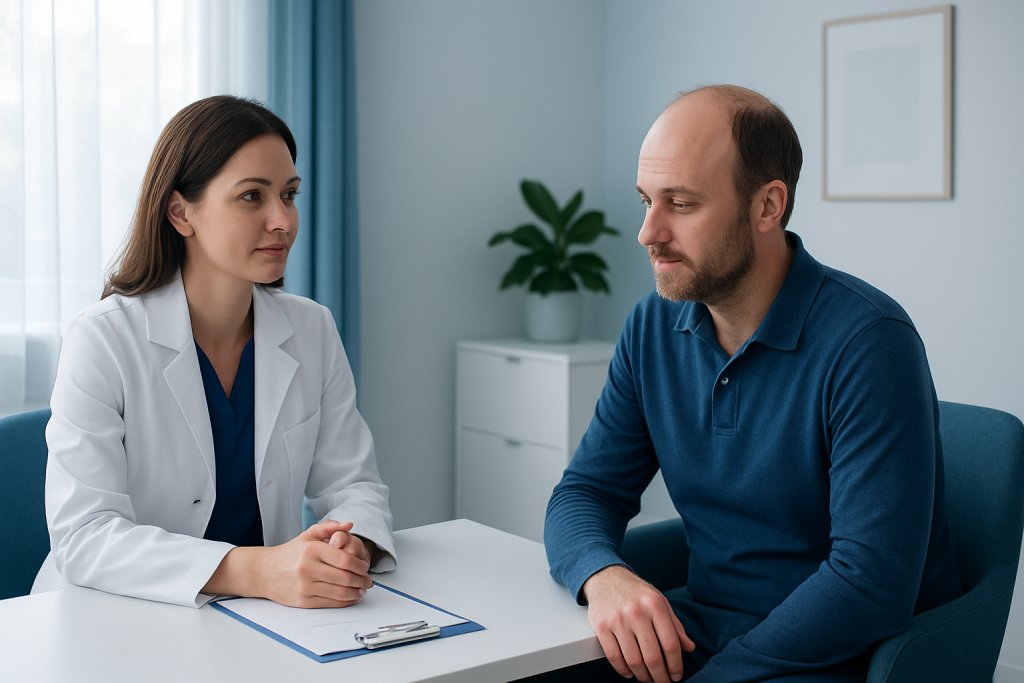
PRP hair treatment is most commonly considered for people with early to moderate pattern hair loss, especially androgenetic alopecia in men and women. It may also be discussed for some people with diffuse thinning, although the underlying cause should be clarified before treatment begins.
A person may be a better candidate when the scalp still has visible hair follicles and the goal is to strengthen miniaturized hairs rather than restore areas where follicles are no longer active. PRP is less likely to help if the scalp skin is smooth and scarred, because scarred tissue often means the follicles are permanently damaged.
Not every type of hair loss is approached the same way. Telogen effluvium, alopecia areata, traction alopecia, thyroid-related shedding, iron deficiency, and medication-related hair loss each call for different evaluation and treatment plans. A clinician may recommend laboratory testing, scalp examination, or other assessments before deciding whether PRP is appropriate.
Effectiveness and What Results to Expect
PRP hair treatment can be helpful for some people, but expectations should stay realistic. The most common goal is reduced shedding, improved hair thickness, and better overall density in areas that are thinning. It is usually not an instant transformation, and visible changes often take several months.
Response can depend on age, the duration of hair loss, the stage of follicle miniaturization, and whether the person uses other hair loss therapies alongside PRP. In many treatment plans, PRP is part of a broader strategy rather than a stand-alone solution. People with earlier-stage hair loss tend to have a better chance of noticing benefit than those with long-standing or advanced loss.
Because PRP preparation methods are not identical across clinics, results can vary. That is one reason a patient-friendly consultation matters: it allows the physician to explain the expected level of improvement, how many sessions may be needed, and whether another option would better match the cause of the hair loss.
Treatment Sessions and Recovery
A typical PRP visit begins with a review of the scalp, medical history, and any medications or supplements that might affect bleeding or healing. After the blood draw and preparation of the plasma, the scalp is cleaned and the PRP is injected in a patterned series of small deposits across the thinning area.
Recovery is usually straightforward. Many people return to normal daily activities the same day or the next day. Mild scalp soreness, swelling, tightness, redness, or small pinpoint bruises can occur, but these effects are generally temporary and settle on their own.
Aftercare instructions vary by clinic, but they often include avoiding harsh scalp products for a short period, minimizing intense exercise immediately after the procedure, and following guidance on washing the hair. For international patients, it is helpful to schedule treatment with enough time to rest before travel home, especially if the scalp feels tender. If a clinic provides follow-up by telemedicine or coordinated review after return travel, that can make the recovery phase easier to manage.
Benefits, Limitations, and Alternatives
One reason PRP attracts attention is that it uses the patient’s own blood, which may appeal to people looking for a biologic, minimally invasive option. It is also attractive because downtime is usually short and the treatment can often be combined with other hair loss therapies.
Still, PRP has limits. It may not work equally well for every type of hair loss, and improvements can be subtle rather than dramatic. Maintenance sessions may be suggested, and stopping treatment may allow thinning to progress again if the underlying condition is still active.
Alternative or complementary options may include topical minoxidil, oral medications for pattern hair loss when suitable, correction of nutritional deficiencies, treatment of hormonal or autoimmune causes, low-level laser therapy, or hair transplant surgery in selected cases. The right option depends on the diagnosis, the pattern of loss, and personal goals.
- When follicles are still active, PRP may be considered as a supportive option.
- When hair loss has a medical cause, treating that cause is often the first priority.
- When thinning is advanced, a transplant or combined plan may be more appropriate.
Prevention & Self-care
Hair thinning is not always preventable, but scalp and hair care choices can reduce avoidable stress on the hair. Gentle handling matters: tight hairstyles, aggressive brushing, frequent heat styling, and harsh chemical treatments can all worsen breakage or traction-related loss in some people.
Self-care also includes looking beyond the scalp. Adequate nutrition, sleep, stress management, and treatment of medical conditions such as thyroid disease or iron deficiency can all influence hair health. If shedding begins after illness, childbirth, a major life stressor, or a new medication, a clinician can help identify whether the hair loss is temporary or part of a broader problem.
For people considering PRP, practical preparation can make the experience smoother. It may help to bring a list of medications, note the timeline of hair loss, and share photos if the thinning has changed over time. International patients who are traveling for care may also want to plan a follow-up schedule before leaving, so treatment continuity is clear.
When to See a Doctor
A medical evaluation is important when hair loss is sudden, patchy, painful, itchy, or associated with scalp scaling, scarring, or redness. Those features may suggest a condition that needs diagnosis before any cosmetic or restorative treatment is chosen.
It is also wise to seek assessment if thinning is progressing quickly, if there are signs of hormone imbalance or systemic illness, or if hair loss is affecting emotional well-being. A doctor can determine whether PRP is suitable, whether another therapy would be more effective, and whether tests are needed to look for correctable causes.
For people traveling for treatment, an in-person consultation or a well-structured remote review can help avoid delays and misunderstandings. Acibadem Health Point’s multidisciplinary specialists and JCI-accredited hospitals diagnose and treat hair loss conditions for international patients with coordinated care from evaluation through follow-up.
Frequently asked questions
01What is PRP hair treatment used for?
PRP hair treatment is mainly used for thinning hair, especially pattern hair loss. It aims to support follicles that are still active rather than restore areas where follicles have been permanently lost.
02How many sessions are usually needed?
Treatment is often done as a series of sessions rather than a single visit. The exact schedule depends on the clinic protocol, the diagnosis, and how the scalp responds over time.
03Is PRP for hair painful?
Most people tolerate it well, although they may feel brief pinching or pressure during injections. Mild soreness afterward is common and usually short-lived.
04How soon can results be seen?
Hair changes are gradual, so visible improvement often takes several months. Some people notice less shedding before they see thicker-looking hair.
05Can PRP regrow a completely bald area?
PRP is less likely to help if follicles are no longer present or the scalp is scarred. It tends to work better for early thinning where hair follicles can still respond.
06Can PRP be combined with other hair treatments?
Yes, it is often used alongside other therapies when appropriate. A doctor can explain which combinations make sense based on the cause of hair loss and overall health.
This article is for general information only and is not a substitute for professional medical advice. Please consult a qualified doctor about your individual situation.
Hair transplant in Turkey — costs, graft counts & a free assessment
JCI-accredited · board-certified surgeons · reply within 24h
Add us as a Preferred Source to see more of our trusted health content across Google Search, AI Overviews and Discover.