

Protein in Pregnant Women’s Urine: What You Need to Know
- 8 min read
- Published November 27, 2026
Key Takeaways
- Small amounts of protein may appear in urine for temporary reasons, but persistent protein needs medical review.
- Protein in urine during pregnancy can be linked to preeclampsia, a condition that requires careful monitoring.
- Urine testing is a routine part of prenatal care and helps doctors follow changes over time.
- Symptoms such as swelling, headaches, vision changes, or upper abdominal pain should be discussed promptly.
- Diagnosis usually includes repeat urine tests, blood pressure checks, and sometimes blood work or fetal monitoring.
Protein in pregnant women's urine is not always dangerous, but it can sometimes be an early clue that the body needs closer monitoring. During pregnancy, it is important to understand the possible causes, when it is expected, and when it may point to a condition such as preeclampsia.
Overview
Protein in pregnant women’s urine is a finding that deserves attention, but it does not automatically mean something is wrong. In pregnancy, a small amount of protein can sometimes appear briefly after exercise, dehydration, fever, or a urinary tract infection. The key question is whether the protein is mild and temporary, or persistent and connected to a broader health issue.
For many people, the topic first comes up during a routine prenatal visit when a urine dipstick shows protein. That result is only one part of the picture. Doctors usually interpret it alongside blood pressure readings, symptoms, the stage of pregnancy, and sometimes more precise urine and blood tests.
Because pregnancy changes how the kidneys and blood vessels work, the meaning of protein in the urine is different from what it would be outside pregnancy. A careful review helps separate harmless, short-lived causes from conditions that need closer follow-up, especially later in pregnancy.
Symptoms and what the urine finding may look like
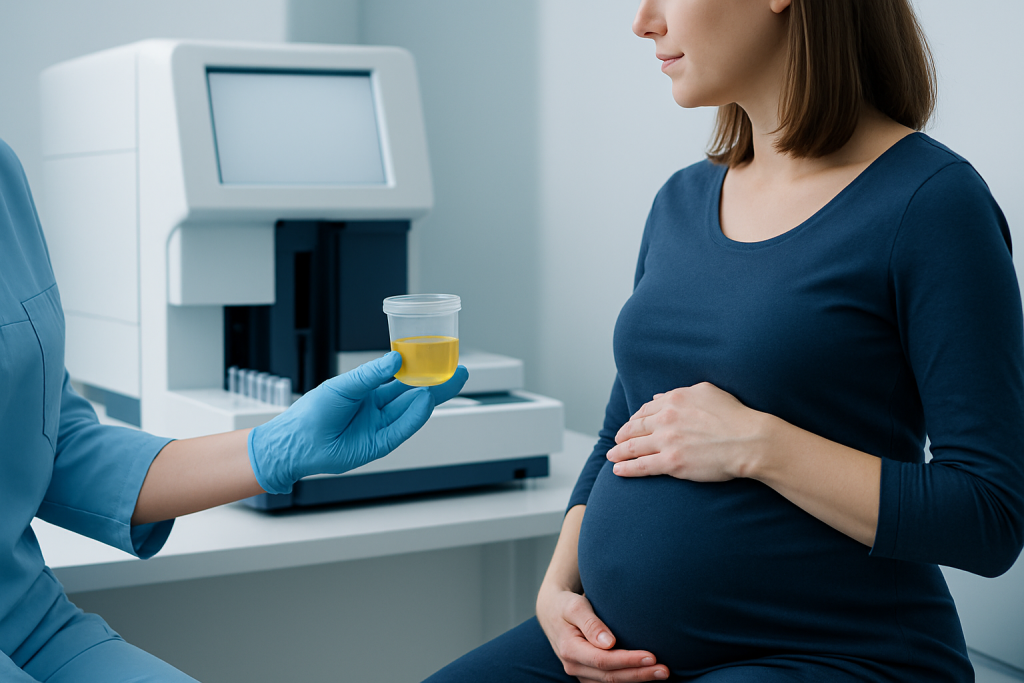
Protein in the urine usually does not cause a person to feel it directly. That is why it is commonly discovered during prenatal screening rather than because of a noticeable symptom. In many cases, there may be no change at all in how the pregnant person feels.
When protein in urine is part of a more significant problem, other symptoms may appear alongside it. These can include swelling in the face or hands, a severe or persistent headache, changes in vision, pain in the upper right side of the abdomen, sudden weight gain, nausea after mid-pregnancy, or shortness of breath.
- Swelling that appears suddenly or is more than expected
- Headache that does not improve with rest
- Blurred vision, flashing lights, or sensitivity to light
- Pain below the ribs on the right side
- Reduced urine output or feeling unwell overall
These symptoms do not always mean a serious condition is present, but they are important signals that should be reviewed promptly by a clinician familiar with pregnancy care.
Causes and risk factors

There are several reasons protein may appear in pregnancy urine. Some are temporary and benign, while others reflect changes in kidney function or blood vessel health. A urinary tract infection, dehydration, fever, recent physical strain, or contamination of the sample can all lead to a positive test result.
Persistent protein in pregnancy is more concerning when it appears after 20 weeks, especially if blood pressure is also high. In that setting, doctors consider preeclampsia, a pregnancy-related condition that affects the placenta and can influence multiple organs. Kidney disease that existed before pregnancy, diabetes, autoimmune conditions, and a history of preeclampsia can also raise the likelihood of proteinuria during pregnancy.
Risk factors vary from person to person, and having one does not mean a complication will occur. Still, doctors pay close attention to patterns such as high blood pressure, previous pregnancy complications, carrying multiple babies, chronic medical conditions, and new symptoms developing in the second half of pregnancy.
Diagnosis
Diagnosis usually begins with a standard urine dipstick at a prenatal visit. If the result suggests protein, the next step is often a more reliable urine test, because dipsticks can be affected by hydration level and sample quality. A spot urine protein-to-creatinine ratio or a 24-hour urine collection may be used to measure the amount more accurately.
Blood pressure is checked at the same time, since protein in urine and elevated blood pressure together can suggest preeclampsia. Doctors may also order blood tests to look at kidney function, liver enzymes, platelet count, and other markers that help show whether the condition is affecting the body more broadly.
In some situations, fetal ultrasound or monitoring is added to assess how the baby is growing and how the placenta appears to be functioning. For patients who are receiving care while traveling or who plan to deliver abroad, keeping copies of urine and blood pressure results can help a new medical team follow the pattern quickly and safely.
Treatment options
Treatment depends on the reason protein is appearing in the urine. If the cause is temporary, such as dehydration or a urinary tract infection, management may be straightforward and focused on the underlying issue. When proteinuria is tied to a chronic condition, the care plan is adjusted to protect both the pregnant person and the baby.
If preeclampsia is suspected or confirmed, treatment focuses on close monitoring and deciding when delivery is the safest option. The timing depends on how far along the pregnancy is and how severe the condition appears. Some people may need hospital observation, medications to control blood pressure, or treatment to prevent seizures in more advanced cases, all under the supervision of an obstetric team.
Because every pregnancy is different, treatment is individualized. A doctor may recommend more frequent prenatal visits, repeat testing, rest in a monitored setting when appropriate, and referral to maternal-fetal medicine if the case is more complex. The goal is not only to address the urine finding itself, but to identify and manage the underlying cause early.
Prevention and self-care
Not every case of protein in pregnant women’s urine can be prevented, especially when it is related to pregnancy-specific conditions. Even so, consistent prenatal care gives the best chance of spotting a problem early, before it becomes more serious. Regular blood pressure checks and urine testing remain important throughout pregnancy.
Practical self-care supports a smoother evaluation. Drinking enough fluids, taking prenatal appointments seriously, and reporting new symptoms promptly all help doctors interpret changes correctly. If a urinary tract infection is suspected, completing the recommended treatment matters, because untreated infection can affect pregnancy well-being.
- Attend all prenatal visits, even if you feel well
- Follow instructions for urine sample collection carefully
- Keep track of blood pressure readings if home monitoring is advised
- Report headaches, swelling, vision changes, or abdominal pain early
- Use medications only as approved by the obstetric team
For Myomectomy Recovery for International Patients: The Usual Travel Timeline" class="ahp-ilk">international patients, it can be helpful to carry a simple pregnancy summary, including any test results and current medications, when moving between clinics or countries.
When to see a doctor
Any new protein finding in pregnancy should be discussed with the obstetric care team, especially if it is repeated on more than one test. The need for urgent evaluation is higher when protein appears together with high blood pressure or symptoms that suggest preeclampsia.
Medical attention should be sought promptly if there is a severe headache, visual disturbance, sudden swelling, chest discomfort, shortness of breath, severe abdominal pain, vaginal bleeding, or a noticeable decrease in fetal movement. These symptoms do not always mean an emergency, but they should not be ignored in pregnancy.
People who already have kidney disease, hypertension, diabetes, or a past history of preeclampsia should mention protein findings early and clearly, because their care may need more frequent review. Acibadem Health Point’s multidisciplinary specialists and JCI-accredited hospitals diagnose and treat this condition for international patients, with coordinated care that can help when a pregnancy requires careful follow-up across borders.
Frequently asked questions
01Is protein in pregnant women's urine always a sign of preeclampsia?
No. Protein can appear for temporary reasons such as dehydration, infection, or sample contamination. It becomes more concerning when it persists or appears with high blood pressure and other symptoms, which is why repeat testing matters.
02Can protein in urine happen in a normal pregnancy?
Yes, a small amount can sometimes show up briefly without indicating a major problem. However, persistent protein is not considered a normal finding and should be evaluated by a doctor.
03What does protein in urine during pregnancy feel like?
Usually it does not cause a distinct feeling, which is why it is often found on routine testing. Any related symptoms usually come from the underlying cause, such as swelling, headache, or vision changes.
04How is protein in urine confirmed during pregnancy?
A urine dipstick is often the first step, but it may be followed by a protein-to-creatinine ratio or a 24-hour urine collection for better accuracy. Blood pressure checks and blood tests help doctors understand the full picture.
05Does protein in the urine mean the baby is in danger?
Not necessarily, but it can signal a condition that needs monitoring to protect both the parent and baby. The safest approach is timely evaluation so doctors can decide whether observation, treatment, or closer fetal monitoring is needed.
06Should a pregnant person change diet or fluids on their own after a positive urine test?
It is better not to self-treat before the cause is known. Drinking enough fluids is reasonable, but major diet changes or supplements should be discussed with the obstetric team first.
This article is for general information only and is not a substitute for professional medical advice. Please consult a qualified doctor about your individual situation.
Medical weight-loss options in Turkey — costs & eligibility
JCI-accredited · board-certified surgeons · reply within 24h
Add us as a Preferred Source to see more of our trusted health content across Google Search, AI Overviews and Discover.
More from the Health Library



How can we help you today?
Meet an Acibadem specialist by secure video, before you travel.
Book a video visit