Prostate Ablation Uses Heat, Steam or Waterjet to Ease BPH
Getting up three times a night to pee wears you down. So does standing at the toilet waiting for a stream that never really gets going. If an enlarged prostate is behind it, one of the options your urologist may raise is prostate ablation.
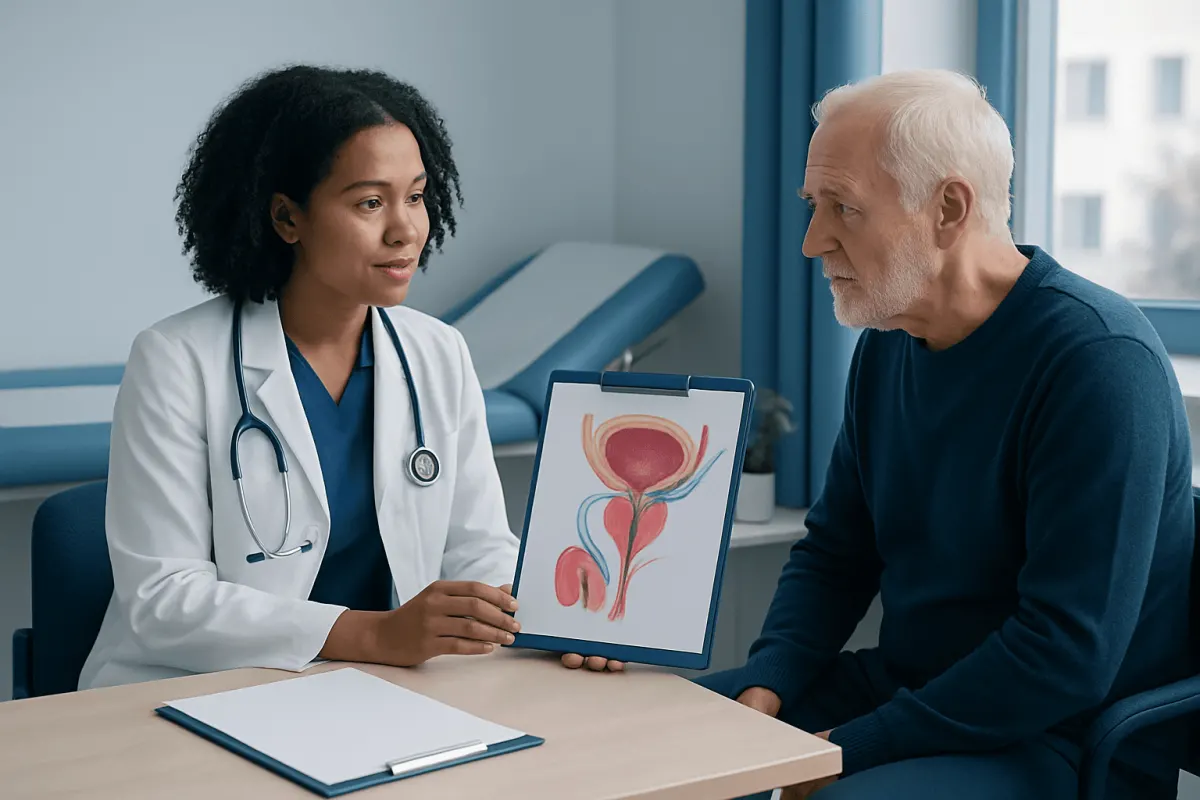
Prostate ablation is a group of minimally invasive procedures that remove, shrink or destroy prostate tissue blocking urine flow, most often in men with benign prostatic hyperplasia (BPH). Which technique suits you depends on prostate size, urinary symptoms, anatomy, health history and your own priorities — including preserving sexual function.
Overview: what is prostate ablation?
Prostate ablation is a broad term for procedures that use controlled energy, heat, cold, laser light, steam, electricity or a waterjet to remove or destroy part of the prostate gland. In most cases, its purpose is to improve urine flow when an enlarged prostate presses on the urethra, the tube that carries urine out of the bladder. This enlargement is called benign prostatic hyperplasia, or BPH.
“Ablation” is an umbrella word, not one single treatment. It may refer to waterjet-based Aquablation, laser procedures, steam treatment, needle-based thermal treatment, or other approaches selected by a urologist. These procedures aim to create more room for urine to pass while preserving as much surrounding tissue as possible.
One thing to be clear about: prostate ablation for urinary symptoms is not the same as treatment for prostate cancer. A person with an abnormal prostate examination, rising prostate-specific antigen (PSA), or other cancer concern needs appropriate evaluation before treatment for BPH is planned. Related symptoms and evaluation are discussed in benign prostatic hyperplasia.
How prostate ablation works and who may be a candidate
In BPH, the prostate gradually enlarges around the urethra. This can weaken the urine stream, cause straining, frequent urination, urgency, waking at night to urinate, or the feeling that the bladder does not empty fully. Prostate ablation treats the obstructing tissue rather than simply reducing symptoms with medication.
A urologist may discuss an ablation procedure when symptoms remain troublesome despite lifestyle measures or medicines, when medication side effects are difficult to tolerate, or when BPH contributes to repeated urinary retention, bladder stones, recurrent urinary infections, bleeding from the prostate, or kidney-related complications. Procedure choice is individualized and may depend on the size and shape of the prostate, including whether there is a prominent middle lobe.
Before recommending treatment, the care team considers medical conditions, blood-thinning medicines, prior prostate or urethral procedures, urinary infections, bladder function and a person’s treatment goals. Some methods are more appropriate for small or moderate-sized prostates, whereas waterjet and certain laser techniques may be options for larger glands. A current assessment is essential because not all urinary symptoms are caused by BPH.
- People who want a durable alternative to long-term medication may be candidates.
- Those with significant obstruction or complications of BPH may need a more definitive tissue-removing approach.
- People with suspected prostate cancer need investigation first, as BPH ablation does not replace cancer treatment.
What happens during the procedure?
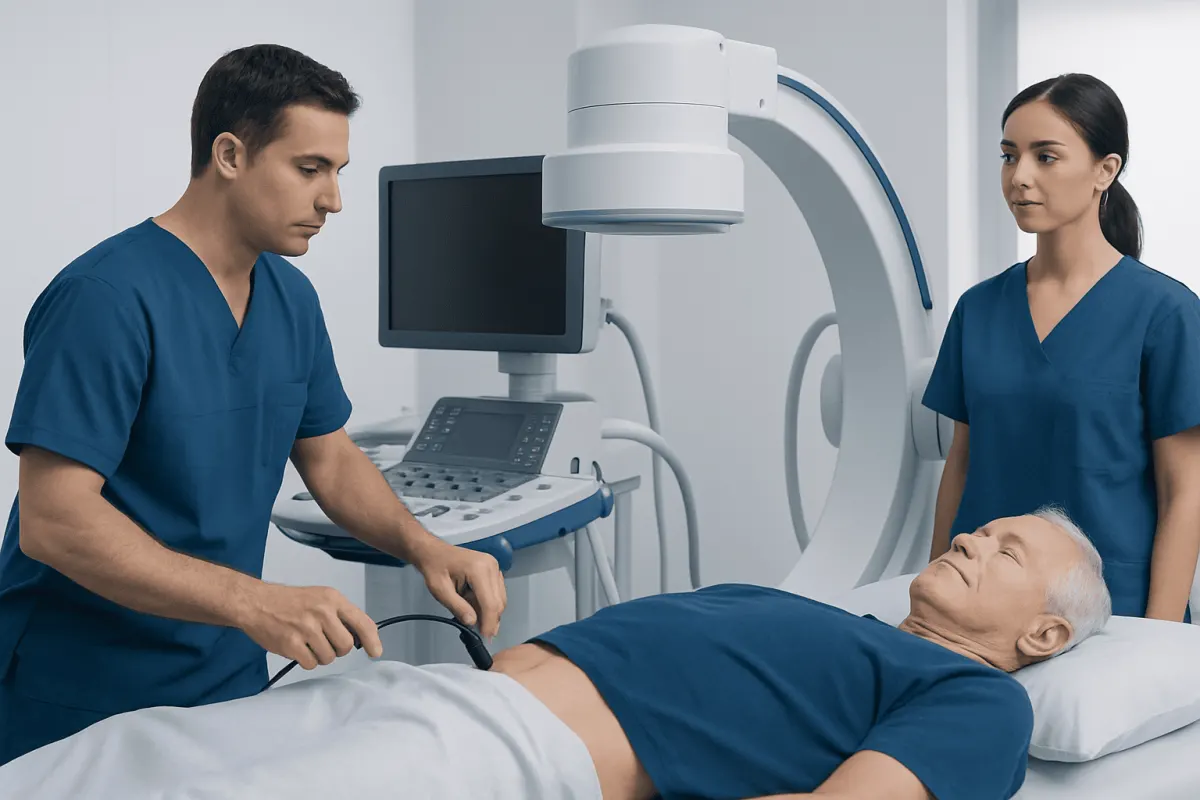
Preparation typically includes a review of symptoms and medicines, urine testing to rule out infection, and assessment of urine flow and residual urine left in the bladder. Depending on the situation, the urologist may request PSA testing, ultrasound imaging, cystoscopy or other tests. Patients receive individualized instructions about fasting, anesthesia and medicines that affect bleeding.
Many prostate ablation procedures are performed through the urethra, so there are no skin incisions. During Aquablation, for example, a surgeon uses imaging and robotic planning to map the treatment area, and a high-pressure waterjet removes the selected prostate tissue. Other approaches may use laser energy or thermal energy to vaporize, cut, coagulate or gradually shrink tissue.
The procedure may be done with general anesthesia, spinal anesthesia or, for selected office-based treatments, local anesthesia with sedation. Treatment time varies by technique and prostate anatomy. Afterward, a urinary catheter may be inserted to drain urine and allow the treatment area to settle. The most suitable method should be discussed with a urologist experienced in the available options, including Aquablation treatment for enlarged prostate symptoms.
Recovery timeline after prostate ablation
Recovery differs by procedure, the amount of tissue treated and the individual’s general health. Some people return home on the day of treatment, while others stay overnight for observation, catheter management or monitoring after a more extensive procedure. Mild burning with urination, urgency, frequency and small amounts of blood in the urine can occur during early healing.
A catheter may remain in place for a short period, particularly after procedures that remove more tissue. The care team explains how to manage it, what amount of blood-tinged urine may be expected and when it should be removed. If someone cannot pass urine after removal, a catheter may need to be replaced temporarily while swelling improves.
Light activity is commonly possible soon after discharge, but heavy lifting, strenuous exercise, cycling and sexual activity may need to be paused for a period advised by the urologist. Drinking enough fluid, unless another medical condition requires fluid restriction, may help keep urine flowing. Most people notice gradual urinary improvement over the following weeks, though temporary urgency can take longer to settle.
Whatever your team tells you comes before any general timeline you read here. Contact the treating team promptly for inability to urinate, fever, worsening pain, heavy bleeding or clots, persistent vomiting, or symptoms of a urinary infection.
Benefits, limitations and possible risks
The main potential benefit of prostate ablation is better urinary flow and less obstruction-related discomfort. Successful treatment can reduce the need for BPH medication and may help prevent complications related to longstanding blockage. Minimally invasive approaches may offer shorter hospital stays or less tissue disruption than traditional surgery for appropriately selected patients.
No procedure is risk-free, and none works equally well on every prostate. Potential complications include urinary tract infection, bleeding, temporary urinary retention, pain or burning, urgency, and narrowing of the urethra or bladder neck. Rarely, further treatment is needed because symptoms persist, recur or are caused partly by bladder dysfunction rather than obstruction alone.
Sexual outcomes vary with the method. Erectile function is often preserved, but retrograde ejaculation or reduced semen volume can occur, especially with procedures that remove tissue near the bladder outlet. Fertility may be affected. A person who wishes to preserve ejaculation or has fertility concerns should raise this before choosing treatment.
At Acıbadem Health Point, multidisciplinary urology specialists in JCI-accredited hospitals assess urinary symptoms and discuss suitable prostate treatment options for international patients. Care planning may also include evaluation of related concerns such as prostate cancer when clinically indicated.
How successful is prostate ablation?
Prostate ablation can be highly effective at improving urine flow and reducing BPH symptoms when the technique matches the person’s prostate anatomy and degree of obstruction. But “success” looks different from one man to the next. It may mean improved daily comfort, avoiding a catheter, reducing medication use, preventing recurrent retention, or achieving a particular balance between symptom relief and sexual side effects.
Results vary by procedure type, prostate size, baseline bladder function and whether a person has other urinary conditions. Tissue-removing procedures such as Aquablation and laser techniques often provide substantial and relatively prompt relief for suitable patients. Treatments that gradually shrink tissue can require more time before their full benefit is apparent.
Some people require medication during the recovery period, and a smaller number may eventually need repeat treatment or another procedure. A urologist can provide the most meaningful estimate of expected results after reviewing scans, flow testing, symptom severity and treatment priorities. Follow-up is important to confirm that bladder emptying and symptoms are improving as expected.
Do you go home with a catheter after Aquablation?
Many patients do go home with a urinary catheter after Aquablation, although the exact plan varies. The catheter drains urine while initial swelling and healing occur and allows the clinical team to monitor bleeding. Some patients have their catheter removed before discharge, while others return for removal after a short period.
The decision depends on factors such as prostate size, the extent of tissue removal, urine color, comfort, ability to empty the bladder and the treating center’s protocol. A catheter may be connected to a drainage bag, and patients receive practical instructions for hygiene, bag care, fluid intake and when to call the team.
After catheter removal, mild burning, urgency or a temporarily weaker stream can occur. Inability to urinate, increasing lower abdominal discomfort, fever, or large blood clots should be assessed promptly. The treating urology team should provide individualized post-procedure guidance and an emergency contact plan.
How long does a prostate ablation last?
The durability of prostate ablation depends on the technique used, how much obstructing tissue is treated and the prostate’s tendency to continue growing over time. Procedures that remove a larger amount of tissue can provide longer-lasting relief for many people, while less invasive therapies may have a higher chance of needing repeat treatment in the future.
Nobody can promise you a single number of years. Some people experience sustained improvement for years, while others develop recurrent symptoms because of residual obstruction, further prostate growth, scar tissue or bladder changes. Regular follow-up helps identify recurrence early and supports shared decisions about medicines, monitoring or additional treatment.
Long-term results are also influenced by other health factors. Diabetes, neurologic conditions, chronic urinary retention and age-related changes in bladder muscle strength can affect urinary function even when prostate obstruction has been effectively treated.
How long does it take to recover from cardiac ablation?
Cardiac ablation is a different procedure from prostate ablation. It treats certain abnormal heart rhythms by using energy to create small scars in heart tissue that interrupt faulty electrical signals. Recovery after cardiac ablation commonly involves a short period of reduced activity, particularly to protect the catheter insertion site in the groin, wrist or neck.
Many people return to light daily activities within several days, but fatigue, brief palpitations or local soreness can occur during early recovery. Return to work, exercise and driving depends on the heart rhythm treated, the type of procedure, any complications and the cardiologist’s instructions. Heart rhythm symptoms can sometimes occur during the healing period and do not always indicate that treatment has failed.
If you are recovering from cardiac ablation, follow your cardiology team’s own advice, and get urgent care for chest pain, severe shortness of breath, fainting, major bleeding, rapidly worsening swelling at the insertion site or a persistent rapid heartbeat. Information on related procedures is available through cardiac ablation treatment.
When to seek medical care
Medical assessment is appropriate for a weak stream, difficulty starting urination, frequent nighttime urination, urgency, incomplete emptying or recurring urinary infections. These symptoms can be caused by BPH but may also have other explanations, including infection, bladder conditions, medication effects or neurologic problems. A clinician can determine whether prostate ablation is relevant.
Urgent medical care is needed for complete inability to urinate, fever with urinary symptoms, severe lower abdominal pain, heavy blood in the urine or large clots, confusion, or new severe back or flank pain. These signs may need prompt evaluation regardless of whether a person has already been diagnosed with prostate enlargement.
Before any prostate procedure, patients should tell their clinician about blood thinners, bleeding disorders, allergies, implanted devices, prior pelvic surgery and plans for future fertility. Shared decision-making with a qualified urologist helps ensure that the procedure, recovery plan and follow-up fit the individual’s health needs.
Frequently asked questions
01Is prostate ablation the same as prostate cancer treatment?
No. Prostate ablation is commonly used to treat urinary blockage caused by benign prostatic hyperplasia, or BPH. Prostate cancer requires a separate evaluation and may need surveillance, surgery, radiation, focal therapy, systemic treatment or another cancer-specific approach.
02Is prostate ablation painful?
The procedure itself is performed with anesthesia or sedation appropriate to the technique, so patients should not feel procedural pain in the usual way. During recovery, burning with urination, bladder spasms, urgency or pelvic discomfort can occur temporarily. The treating team can recommend suitable pain relief and explain what symptoms are expected.
03How long does it take to recover from cardiac ablation?
Cardiac ablation is not the same as prostate ablation. Many people resume light daily activity within a few days after cardiac ablation, but complete recovery and return to exercise depend on the heart condition and the cardiologist’s advice. Persistent or severe symptoms after a cardiac procedure should be discussed with the treating cardiac team.
04How successful is prostate ablation?
Prostate ablation can significantly improve urinary symptoms and urine flow in appropriately selected patients with BPH. Results depend on the technique, prostate anatomy, bladder function and treatment goals. Some patients may need additional treatment later if symptoms recur or if another urinary condition contributes to symptoms.
05Do you go home with a catheter after Aquablation?
Many patients have a catheter after Aquablation, either during a short hospital stay or when they go home. How long it stays in place depends on factors such as prostate size, healing, urine drainage and the treating team’s protocol. Patients should receive clear catheter-care instructions before discharge.
06How long does a prostate ablation last?
There is no single duration that applies to everyone. Many patients have lasting symptom improvement, especially after procedures that remove substantial obstructing tissue, but the prostate can continue to grow and some people need further treatment over time. Ongoing follow-up with a urologist helps monitor long-term results.
This article is for general information only and is not a substitute for professional medical advice. Please consult a qualified doctor about your individual situation.
Oncology care in Turkey — second opinion and treatment plan
JCI-accredited · board-certified surgeons · reply within 24h
Add us as a Preferred Source to see more of our trusted health content across Google Search, AI Overviews and Discover.