Prognosis: Definition and Meaning

Key Takeaways
- A prognosis describes the expected course and outcome of a health condition.
- It is different from a diagnosis, which identifies the condition itself.
- Prognosis can change as treatment begins or new test results appear.
- Many factors influence prognosis, including age, overall health, and how early care starts.
- Questions about prognosis are a normal part of informed decision-making and follow-up care.
Prognosis is a doctor’s estimate of how a condition may progress and what recovery might look like over time. It helps patients understand likely outcomes, possible treatment paths, and the follow-up needed to support the best result.
Overview
The word prognosis often appears during a medical consultation, but it is easy to confuse with diagnosis. In simple terms, a diagnosis names the condition, while prognosis describes what that condition is likely to do over time. It is the doctor’s best evidence-based estimate of the future, not a fixed promise.
A prognosis may cover many practical questions: Will the condition improve with treatment? Is ongoing care likely to be needed? Are there risks of complications or recurrence? For patients planning treatment at home or abroad, this information can help shape timing, travel plans, rehabilitation, and follow-up arrangements.
Prognosis is usually discussed in a broad, careful way because medicine rarely offers absolute certainty. Two people with the same diagnosis can have different outcomes based on general health, the stage of illness, test results, and how well a treatment plan is followed. That is why prognosis is best understood as a range of possibilities rather than a single prediction.
Symptoms
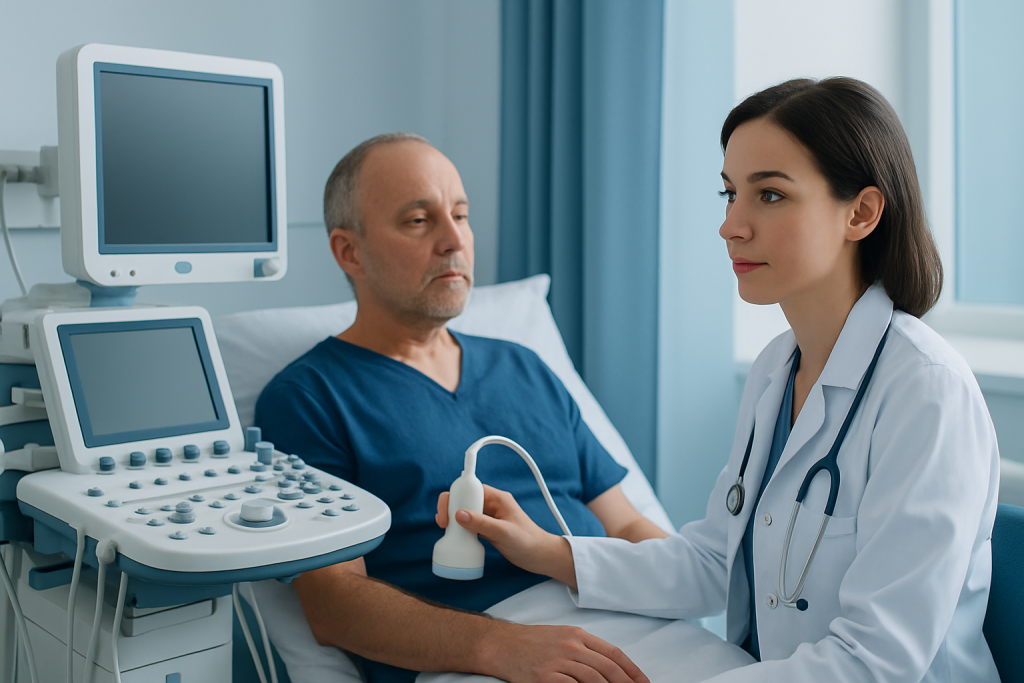
Prognosis itself is not a symptom, but symptoms often influence how doctors estimate it. A person with mild, short-lived symptoms may have a different outlook from someone whose symptoms have been severe, persistent, or spreading. Changes in symptoms over time can also signal whether treatment is helping or whether care needs to be adjusted.
When patients ask about prognosis, they are often trying to understand what symptoms may mean for daily life. For example, they may want to know how long pain, fatigue, breathlessness, weakness, or other limiting symptoms may last. They may also want to know whether symptoms are likely to improve fully, partially, or require longer-term management.
- Symptoms may help show how advanced a condition is.
- New or worsening symptoms can affect the expected outlook.
- Relief of symptoms after treatment may suggest a better response than expected.
Because symptom patterns vary widely, doctors interpret them alongside scans, laboratory tests, examination findings, and the patient’s overall health. The goal is not only to predict outcomes, but also to guide the next safest step.
Causes & Risk Factors

Since prognosis is a forecast rather than a disease, it does not have direct causes in the usual medical sense. Instead, it is shaped by the features of the condition itself and by the person’s individual risk profile. Some conditions are naturally short-term and highly treatable, while others are chronic or may return over time.
Several factors often influence prognosis. The stage or severity of a condition is a major one, as earlier detection usually allows more treatment options. Age, immune status, heart and lung health, nutrition, smoking history, and other medical conditions can also affect recovery and resilience.
Doctors may also consider treatment-related factors such as how quickly care begins, whether surgery or medication is likely to be effective, and whether a patient can safely complete follow-up visits. For international patients, access to coordinated aftercare after returning home may be part of the discussion, since ongoing monitoring can matter as much as the first procedure.
- Early diagnosis often supports a more favorable outlook.
- Co-existing conditions can make treatment more complex.
- Lifestyle habits and adherence to care plans can influence recovery.
- Access to rehabilitation or monitoring may change long-term results.
Diagnosis
To estimate prognosis, doctors first need to understand the diagnosis clearly. That usually means a careful review of symptoms, physical examination, medical history, blood tests, imaging, biopsy results, or other investigations depending on the condition. The more complete the picture, the more meaningful the prognosis discussion can be.
In many cases, doctors combine several pieces of information rather than relying on one result alone. They may look at the stage of disease, the size or location of a problem, laboratory markers, response to initial treatment, and patterns seen on follow-up testing. Sometimes a prognosis becomes clearer only after treatment starts and the body’s response can be measured.
Patients may hear terms such as good prognosis, guarded prognosis, or poor prognosis. These phrases are general descriptors, not exact predictions. A good prognosis usually suggests a better chance of improvement, while a guarded prognosis means the outcome is less certain and needs close observation.
Treatment Options
Prognosis often helps guide treatment choices, but treatment can also improve prognosis. This is one reason doctors discuss both together. When a condition is found early and treated appropriately, the expected course may become more favorable. In other situations, the main goal may be to control symptoms, slow progression, or reduce complications.
Treatment options vary widely depending on the condition, but they may include medication, surgery, lifestyle changes, rehabilitation, radiation, chemotherapy, hormone therapy, or careful observation. The chosen plan should match the diagnosis, the likely benefits, and the patient’s overall health and preferences.
For patients traveling internationally for care, a good treatment plan includes more than the procedure itself. It should also cover pre-treatment assessment, language support if needed, discharge instructions, medication planning, and follow-up arrangements after returning home. These details can influence recovery and help make the prognosis discussion more practical and personalized.
- Some treatments aim to cure the condition.
- Others aim to control disease or reduce symptoms.
- Follow-up tests can show whether the prognosis is improving.
Prevention & Self-care
Patients cannot always change a prognosis, but they can often support a better course by following medical advice closely. Taking prescribed treatment as directed, attending follow-up appointments, and reporting new symptoms early can all help doctors respond before problems grow larger. Self-care is not a substitute for medical treatment, but it is an important part of it.
Healthy routines may also support recovery and resilience. Depending on the condition, this may include balanced nutrition, adequate sleep, gentle physical activity, smoking cessation, limiting alcohol, and managing stress. For chronic illnesses, keeping track of symptoms at home can be useful when reviewing progress with a doctor.
International patients should be especially careful to leave with a clear plan for follow-up. That may include written instructions, copies of test results, and guidance on when to seek local medical review. If care is being coordinated across countries, continuity matters because prognosis can change when treatment is delayed or interrupted.
When to See a Doctor
Any time a person receives a diagnosis that could affect long-term health, it is reasonable to ask about prognosis. Patients may want to know what the likely course is, what warning signs matter most, and what can be done now to improve the outlook. These conversations are part of informed consent and good care.
It is especially important to contact a doctor if symptoms are worsening, if treatment is causing unexpected side effects, if there are signs of infection or complications, or if daily functioning is declining. A changing clinical picture may mean the original prognosis needs to be updated.
People planning treatment abroad should ask for a clear explanation of the expected recovery timeline, travel limitations, and follow-up schedule before leaving. Acibadem Health Point’s multidisciplinary specialists and JCI-accredited hospitals diagnose and treat a wide range of conditions for international patients, with care planning that supports both treatment and recovery.
In uncertain situations, asking for clarification is always appropriate. A doctor can explain whether the prognosis is stable, what factors could improve it, and which steps are most important next.
Frequently asked questions
01What is the simple prognosis definition?
Prognosis is a doctor’s estimate of how a health condition is likely to progress and what the outcome may be. It may describe recovery, symptom control, risk of complications, or the chance of recurrence depending on the condition.
02How is prognosis different from diagnosis?
Diagnosis identifies the disease or condition, while prognosis describes what may happen over time. A diagnosis answers “What is it?” and prognosis answers “What is likely to happen next?”
03Does a poor prognosis mean there is no hope?
No. A poor or guarded prognosis means the outcome is less certain or may be more difficult, but it does not mean care is pointless. Doctors can still focus on treatment, symptom relief, comfort, and quality of life.
04Why do doctors sometimes use cautious language about prognosis?
Doctors use careful language because medical outcomes are influenced by many factors and no one can predict them perfectly. They aim to be honest while also reflecting the real uncertainty in a person’s condition.
05What should a patient ask when hearing about prognosis?
It helps to ask what the expected course is, what signs would change the outlook, what treatment goals are realistic, and what follow-up is needed. Patients can also ask how the prognosis may affect daily life, travel, or recovery time.
This article is for general information only and is not a substitute for professional medical advice. Please consult a qualified doctor about your individual situation.
Explore treatments in Turkey — costs, top hospitals & a free quote
JCI-accredited · board-certified surgeons · reply within 24h
Add us as a Preferred Source to see more of our trusted health content across Google Search, AI Overviews and Discover.