Private Wart Removal: Procedure and Healing Timeline
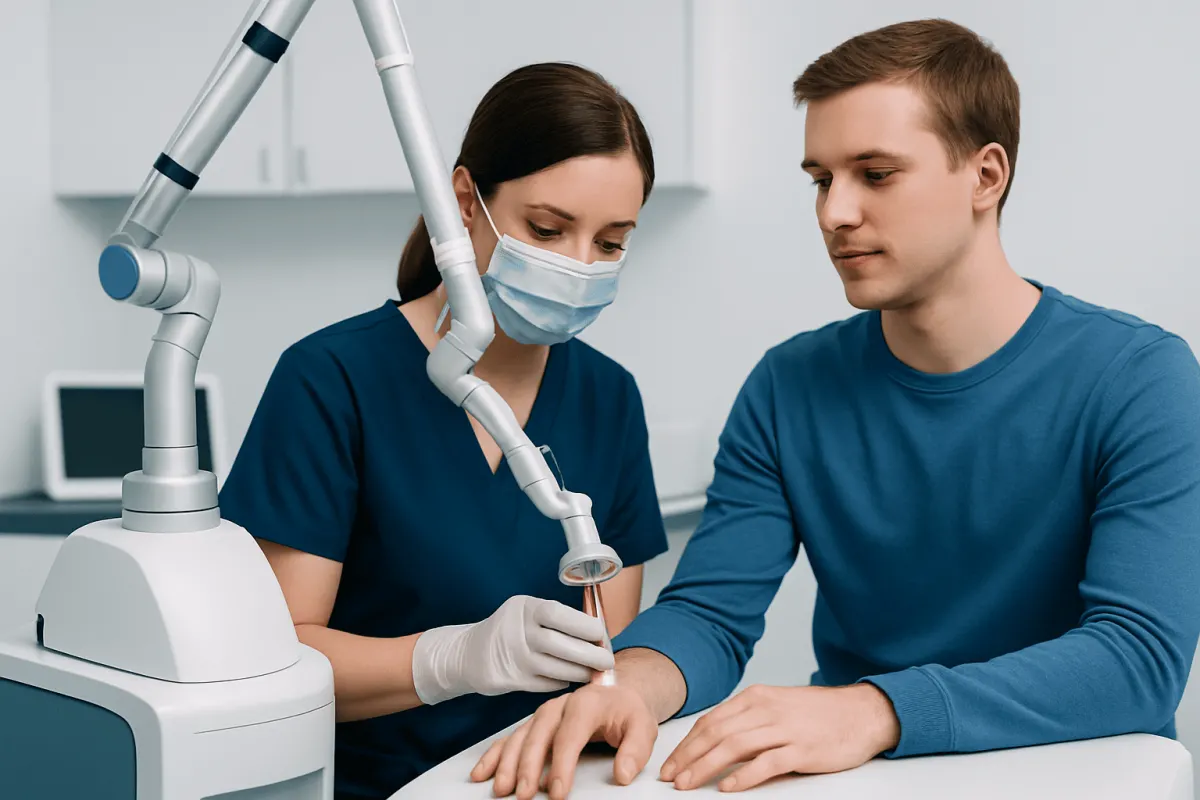
Private wart removal involves assessment and treatment by a qualified clinician, usually for a wart that is painful, spreading, persistent, uncertain in diagnosis, or causing distress. Most procedures are brief, and recovery commonly takes from several days to a few weeks depending on the treatment method, wart size, and body location.
Private Wart Removal: How It Works
Private wart removal is an appointment-based assessment and treatment process for warts that are bothersome, persistent, spreading, painful or difficult to manage with pharmacy treatments. A dermatologist or other qualified clinician examines the lesion first. This is important because not every raised or rough skin growth is a wart, and the safest treatment depends on the diagnosis, location and the person’s health history.
Warts are caused by infection with particular types of human papillomavirus (HPV). The virus enters through tiny breaks in the skin and can cause a rough, thickened growth. Warts may occur on the hands, feet, face, around nails or genital area, although these sites require different assessment and treatment approaches. Warts are usually harmless, but they can be uncomfortable, cosmetically concerning or contagious through direct skin contact.
Clinicians may remove or destroy visible wart tissue through freezing, carefully scraping it away, heat-based treatment, laser treatment or topical medicines. No single option is best for every wart. The choice aims to balance effectiveness, comfort, scarring risk, downtime and the likelihood that more than one session may be needed.
Who May Be a Candidate for Wart Removal?
People may consider private wart removal when a wart persists despite appropriate self-care, causes pain or bleeding, interferes with walking, work or sports, or is spreading to other areas. Treatment may also be considered when a wart causes significant cosmetic concern or when a clinician needs to confirm the diagnosis. Plantar warts on the soles can be particularly uncomfortable because pressure from standing can push them inward.
A clinical consultation is especially useful for lesions on the face, around the nails, on the genitals, in children, or in people with diabetes, poor circulation, a weakened immune system or reduced skin sensation. These circumstances can affect both diagnosis and the most suitable treatment plan. Self-treating with strong acids or cutting a lesion at home is not advisable in these situations.
Before treatment, the clinician will ask about how long the lesion has been present, changes in size or colour, previous treatments, medications, allergies, pregnancy where relevant, and any tendency to develop raised scars. They may defer removal, recommend another approach or arrange further assessment if the lesion does not have the typical appearance of a wart.
- Common reasons for treatment include discomfort, repeated catching or bleeding, spread, and lack of response to home care.
- People with impaired healing or immune conditions may need a more tailored plan and closer follow-up.
- Genital lesions should be assessed by a qualified sexual health or dermatology professional rather than treated as ordinary skin warts.
Step by Step: What Happens During the Procedure?

The appointment starts with inspection of the skin lesion and discussion of the available methods. Sometimes the diagnosis is clear from examination alone. In less typical cases, a clinician may use magnification, remove a very small sample for laboratory examination, or refer the person for specialist assessment before proceeding.
For cryotherapy, liquid nitrogen is applied to freeze the wart. The application is brief and may be repeated after short intervals during the same visit. A stinging or burning sensation is common, and a blister can form later. Cryotherapy often requires repeat sessions because only part of the wart tissue and virus-infected skin may be affected each time.
For a surgical approach, the area is usually cleaned and numbed with local anaesthetic. The clinician may pare down thick skin, scrape the wart with a curette, or use electrosurgery or cautery to destroy remaining tissue. A small dressing is applied afterwards. Certain lesions may be treated with laser techniques or clinician-prescribed topical medicines, particularly when their location or behaviour makes standard methods less suitable.
Professional wart removal treatment is planned around the individual lesion rather than using one routine method for every patient. The clinician explains expected aftercare, the possibility of further sessions and signs that should prompt review.
How Long Does a Wart Removal Procedure Take?
A wart removal procedure itself commonly takes a few minutes to around 30 minutes, depending on the number, size and location of the warts and the treatment used. Freezing a small, uncomplicated wart is usually quick. More time may be needed for consultation, cleaning the area, administering local anaesthetic, treating multiple lesions or applying a dressing.
Surgical, laser or cautery-based treatment may take longer than cryotherapy because the skin needs to be prepared and numbed. The person can generally go home after an outpatient procedure, although they should follow any specific advice about driving if sedation has been used. Sedation is not routinely required for most simple wart treatments.
It is useful to distinguish procedure time from the full treatment course. Several treatments over weeks may be needed, especially for long-standing, large, plantar or nail-area warts. A clinician can give a more personal estimate after examining the skin.
How Long Does It Take to Heal After Wart Removal?
Healing after wart removal depends on the method used and the area treated. Following cryotherapy, soreness, redness and a clear or blood-filled blister may develop within a day. The area often dries, forms a crust and settles over roughly one to two weeks. The skin may take longer to look fully normal, particularly on the hands and feet.
After curettage, cautery or surgical removal, a shallow wound may take approximately two to four weeks to heal, although larger or deeper wounds can take longer. Areas exposed to friction, such as the sole of the foot, may remain tender while walking. The clinician may recommend a protective dressing or changes to footwear during this period.
Healing does not always mean that the wart treatment is complete. A visible wart can reduce after one session, yet repeat treatment may be required if wart tissue remains. Mild changes in skin colour can persist for a while after inflammation settles; scarring is uncommon with many methods but remains a possible risk, particularly after deeper treatments.
What Is the Typical Timeline for Wart Removal?
The timeline begins with a consultation, during which the clinician confirms whether removal is appropriate and chooses a treatment method. With freezing, the wart may look darker, blistered or swollen in the first few days, then peel or crust over the following one to two weeks. A follow-up treatment may be scheduled after the skin has recovered, often several weeks later.
With topical prescription treatments, the wart often changes more gradually. The treatment course may extend over several weeks, and the skin is reviewed for irritation or response. With curettage, cautery or laser treatment, the wart may be removed in one procedure, but wound healing still needs time and recurrence remains possible.
Some warts clear quickly, while others are more resistant. Warts around nails, on weight-bearing areas and in people with reduced immunity may take longer to treat. The goal is not simply to remove the visible surface but to manage the affected skin safely while limiting pain, infection and unnecessary scarring.
What Are the Do's and Don'ts After Warts Removal?
Aftercare should follow the instructions given for the specific procedure. In general, people should keep the treated area clean, protect it with a dressing if advised, and wash their hands before and after touching it. If a blister forms after cryotherapy, it should usually be left intact because it protects the skin underneath. A clinician can advise if a very large, painful or tense blister needs attention.
People should avoid picking, cutting or scratching the treated area, as this can delay healing and increase the chance of infection or spread of the virus. They should not share towels, razors, socks, shoes, nail tools or pumice stones used on the affected area. Covering a wart during communal activities such as swimming may help reduce transmission.
It is sensible to avoid prolonged soaking, friction and strenuous activity that aggravates the wound until the area is comfortable and healing well. On the foot, comfortable footwear and reduced pressure can help. Pain can often be managed with suitable non-prescription pain relief, but a clinician or pharmacist should be asked for advice when there are other health conditions or regular medicines to consider.
- Do: keep follow-up appointments if repeat treatment has been planned.
- Do: contact the clinic if redness, swelling, pain or discharge is worsening.
- Do not: use wart acids or other products on a fresh treatment wound unless specifically instructed.
- Do not: pick at a blister, scab or residual wart tissue.
Benefits, Risks and When to Seek Medical Care
The possible benefits of wart removal include reduced pain, improved function, less irritation from rubbing, and improved appearance for people who find the wart distressing. Removing or treating visible wart tissue may also reduce opportunities for spread, although it cannot guarantee that the virus will not persist in nearby skin or that a wart will not recur.
Expected short-term effects include tenderness, redness, swelling, blistering, crusting and temporary skin-colour change. Less common risks include infection, scarring, nerve irritation, prolonged pain or damage to nearby healthy skin. These risks vary with the procedure, body site and the depth of treatment. Discussing previous scarring, keloids, circulation problems and immune conditions helps the clinician choose the safest approach.
Medical care should be sought promptly if the treated area develops increasing pain, spreading redness, warmth, pus-like discharge, fever or persistent bleeding. A doctor should also assess a lesion that changes rapidly, is very dark or irregularly coloured, repeatedly bleeds, does not heal, or does not respond as expected to wart treatment. Acıbadem Health Point’s multidisciplinary specialists and JCI-accredited hospitals can assess and treat skin concerns, including persistent or uncertain lesions, for international patients.
Frequently asked questions
01Is private wart removal painful?
Most treatments cause some temporary discomfort. Freezing commonly causes a brief burning or stinging sensation, while surgical methods are usually performed with local anaesthetic. Tenderness can continue for a few days, especially when a wart is on the sole of the foot.
02Can a wart come back after removal?
Yes. Treatment removes visible wart tissue, but HPV can sometimes remain in nearby skin, allowing the wart to recur. New warts can also develop through ongoing exposure, which is why follow-up and steps to avoid picking or sharing personal items are helpful.
03How many wart removal sessions will be needed?
The number of sessions varies widely. A small wart may respond after one treatment, while thicker, long-standing or plantar warts often need several sessions. The clinician can estimate the likely course after assessing the wart and response to initial treatment.
04Can I shower after wart removal?
In many cases, gentle showering is possible, but the area should not be rubbed vigorously. The dressing and wound-care instructions depend on the treatment used, so the clinic’s advice should take priority. Prolonged soaking, such as swimming or baths, may need to be avoided temporarily.
05Should I remove a wart at home?
Pharmacy treatments can be appropriate for some typical common warts in otherwise healthy adults. However, home removal is not recommended for lesions on the face or genitals, for uncertain lesions, or for people with diabetes, poor circulation, reduced sensation or immune suppression. A clinician should assess these situations first.
06When should a suspected wart be checked by a doctor?
A doctor should assess a lesion that is painful, bleeding, changing in appearance, growing quickly, infected or not healing. Assessment is also important if the diagnosis is uncertain or if the person has a condition that may affect healing. This helps ensure the lesion is treated appropriately and safely.
This article is for general information only and is not a substitute for professional medical advice. Please consult a qualified doctor about your individual situation.
Explore treatments in Turkey — costs, top hospitals & a free quote
JCI-accredited · board-certified surgeons · reply within 24h
Add us as a Preferred Source to see more of our trusted health content across Google Search, AI Overviews and Discover.