Private Vasectomy: Procedure, Recovery and Long-Term Care
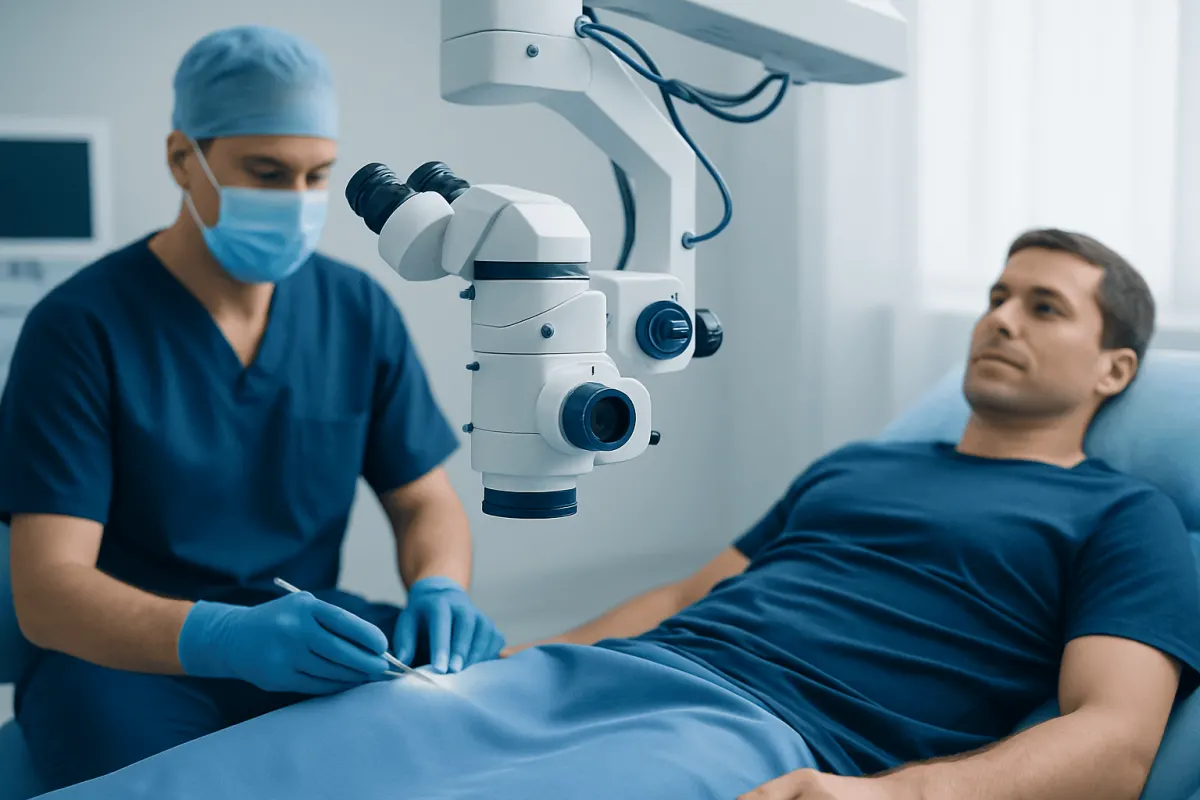
Private vasectomy is a confidential, elective form of permanent male contraception performed by a trained clinician, usually as an outpatient procedure under local anaesthetic. It does not affect testosterone, erections, orgasm, or the production of semen fluid, but another contraceptive method is needed until a semen test confirms that sperm are no longer present.
Private Vasectomy Overview
A private vasectomy is an elective procedure for people who have decided they do not want future biological children. It is generally performed in a confidential outpatient setting by a urologist or other appropriately trained clinician. The procedure provides highly effective permanent contraception by interrupting the route through which sperm travel.
During ejaculation, most semen still comes from the prostate and seminal vesicles. A vasectomy prevents sperm from entering that fluid, but it does not remove the testicles, stop ejaculation, or cause immediate sterility. It is therefore important to use another reliable form of contraception until a follow-up semen analysis confirms clearance.
Choosing vasectomy is personal and should follow an informed discussion about permanent contraception, future family plans, alternatives and the small possibility of failure. A clinician may also discuss female sterilisation, long-acting reversible contraception for a partner, and the option of sperm storage before the procedure if there is uncertainty about future reproductive wishes.
What Organ Is Cut During a Vasectomy?
No organ is removed or cut during a vasectomy. The procedure involves the vas deferens, two narrow tubes that carry sperm from each testicle toward the urethra. These tubes are part of the male reproductive tract, rather than the testicles themselves.
Through one or two small openings in the scrotal skin, the clinician identifies each vas deferens, divides it and seals or blocks the ends. Different techniques may be used, including cautery, clips, ligation or placing tissue between the separated ends. The aim is to prevent sperm from mixing with the ejaculate.
The testicles continue to make testosterone and sperm after a vasectomy. The sperm that cannot pass through the blocked tubes are naturally broken down and absorbed by the body. This is why vasectomy is not expected to alter masculine characteristics, hormone levels, sexual sensation or the volume of semen in a noticeable way.
How the Procedure and Early Recovery Usually Work

Many vasectomies are carried out with local anaesthetic, meaning the person is awake but the scrotal area is numbed. Some people may need or prefer additional sedation depending on their medical history, anxiety level and the facility’s practice. The appointment commonly includes consent, preparation, the procedure and recovery instructions.
Is a vasectomy a complicated procedure? In most cases, it is a brief and straightforward minor surgical procedure when performed by an experienced clinician. However, every procedure has potential risks. Prior surgery, anatomy, bleeding conditions, infection or certain medicines can affect planning and should be discussed beforehand.
For the first days, rest, supportive underwear, cold packs wrapped in cloth and avoiding strenuous activity can help limit discomfort and swelling. Mild pain, bruising and a small amount of swelling are common. A clinician can advise which pain relief options are appropriate and when exercise, work, driving and sexual activity may safely resume.
- Keep the wound area clean and follow instructions about bathing and dressings.
- Avoid heavy lifting, cycling and vigorous exercise until advised to restart.
- Use condoms or another contraceptive method until semen testing confirms success.
- Contact the clinic if symptoms do not improve as expected or questions arise during recovery.
Why Do They Say 3 Months After a Vasectomy?
The reference to three months after a vasectomy relates to the time needed for stored sperm to clear from the reproductive tract. Blocking the vas deferens stops new sperm from entering semen, but sperm already beyond the blocked area may remain for a period of time. Pregnancy can still occur if unprotected sex takes place before clearance is confirmed.
A semen analysis, sometimes called a post-vasectomy semen test, is arranged according to the clinician’s protocol. It is often performed around three months after the procedure and may also depend on the number of ejaculations since surgery. Some people need more than one sample before the clinician confirms that contraception is no longer needed.
The precise laboratory result required for clearance varies by local clinical guidance. The key message is not to assume immediate effectiveness based on time alone. The treating team should provide the test timing, specimen instructions and clear written advice about when it is safe to stop using other contraception.
Sexual Function, Desire and the Feeling of Being Hornier
Why am I hornier after a vasectomy? Some people report increased sexual desire after the procedure, but vasectomy itself does not raise testosterone or directly increase libido. Feeling freer from concerns about an unintended pregnancy, returning to intimacy after recovery, or changes in stress and relationship dynamics may all contribute to a perceived increase in desire.
Vasectomy does not normally interfere with erections, orgasm or sexual sensation because it does not affect the nerves and blood vessels responsible for erectile function. The body continues to produce testosterone, and ejaculation continues. Although sperm are absent after successful clearance, the change in ejaculate volume is generally too small to be noticed.
Temporary discomfort may reduce interest in sex during the early recovery period. Intercourse or masturbation should be resumed only when the person feels comfortable and the treating clinician’s advice has been followed. New or persistent erection problems, pain with sex, low mood or concerns about libido deserve a conversation with a doctor, as they may have causes unrelated to the vasectomy.
What Happens 10 Years After a Vasectomy?
What happens 10 years after a vasectomy? For most people, there is no ongoing change in general health, hormones or sexual function attributable to the procedure. The vasectomy remains effective long term once post-procedure semen clearance has been confirmed, although no contraceptive method is completely without a small risk of failure.
Rarely, the cut ends of the vas deferens can reconnect over time, a process known as recanalisation. This may allow sperm to reappear in semen and can lead to pregnancy. Anyone whose partner becomes pregnant after a vasectomy, or who has concerns about fertility status years later, should arrange medical assessment and semen testing.
A small number of people experience chronic scrotal discomfort after vasectomy. This is not the usual outcome, but ongoing pain, a tender lump or pain that affects daily activities should be assessed by a urologist. Vasectomy does not protect against sexually transmitted infections, so condoms may still be important depending on sexual circumstances.
Planning, Insurance and Informed Decisions
People considering a private vasectomy may ask about a vasectomy price or whether a vasectomy is covered by medical insurance. Costs and coverage vary substantially by country, insurance plan, clinical setting, anaesthesia needs and whether follow-up semen testing is included. The clinic and insurer can explain anticipated charges, authorisation requirements and out-of-pocket responsibilities before treatment.
Administrative coding may also vary. In the United States, a complete vasectomy CPT code may be used by clinicians and insurers for billing purposes, but coding is not a measure of medical suitability or quality. Patients should ask the provider’s billing team which code applies to their planned care and whether pathology, laboratory testing or follow-up visits are billed separately.
The phrase preventive vasectomy is sometimes used because the procedure helps prevent unintended pregnancy. However, it is not a substitute for regular health care or prevention of sexually transmitted infections. A careful consultation should include medical history, medicines such as blood thinners, allergies, previous scrotal surgery, consent and the understanding that reversal is more complex than vasectomy and cannot guarantee fertility.
Acıbadem Health Point’s multidisciplinary specialists and JCI-accredited hospitals can assess and treat urological concerns for international patients, including counselling around permanent contraception where appropriate.
When to Seek Medical Care
Contact the treating clinic promptly if there is worsening rather than improving pain, rapidly increasing swelling, significant bleeding, pus-like discharge, fever, chills, redness spreading around the wound or difficulty passing urine. These symptoms do not always indicate a serious problem, but they should be evaluated so that infection, bleeding or another complication can be addressed early.
Urgent medical assessment is advisable for severe scrotal pain, marked swelling, faintness, or any symptom that feels sudden or concerning. It is also appropriate to seek care for a persistent painful lump, pain lasting beyond the expected recovery period, or fertility concerns after a previous confirmed vasectomy.
Routine follow-up remains important even when recovery feels uncomplicated. The semen test is the step that confirms whether the procedure has achieved its contraceptive goal. Until the treating clinician confirms clearance, another method of contraception should continue to be used.
Frequently asked questions
01Is private vasectomy confidential?
Private vasectomy care is generally delivered under the same medical confidentiality standards as other healthcare services. The clinic can explain how appointments, records, laboratory results and insurance communications are handled. People using insurance may wish to ask how claims and explanations of benefits are issued.
02How effective is a vasectomy?
Vasectomy is one of the most effective forms of permanent contraception once post-vasectomy semen testing confirms that sperm are absent or at an accepted very low level. It is not immediately effective after surgery. Another contraceptive method must be used until the clinician confirms clearance.
03Can a vasectomy be reversed?
Vasectomy reversal may be possible in some circumstances, but it is a more complex microsurgical procedure and pregnancy cannot be guaranteed afterward. Success depends on factors such as the time since vasectomy, the surgical findings and the fertility of both partners. Vasectomy should therefore be chosen only when it is considered a permanent decision.
04Will vasectomy affect testosterone or erections?
A vasectomy does not usually affect testosterone production, erections, orgasm or sexual sensation. The testicles remain in place and continue making hormones. If erectile difficulties occur, they should be discussed with a clinician because they may have another cause.
05How long should another contraceptive method be used after vasectomy?
Another contraceptive method should be used until the treating clinician reviews the follow-up semen test and confirms that it is safe to stop. This often takes about three months, but the exact timeline differs between individuals and clinical protocols. Time alone is not enough to confirm effectiveness.
06Does vasectomy protect against sexually transmitted infections?
No. Vasectomy prevents sperm from entering semen but does not prevent the transmission of sexually transmitted infections. Condoms and safer-sex practices may still be needed, particularly with new or multiple partners.
This article is for general information only and is not a substitute for professional medical advice. Please consult a qualified doctor about your individual situation.
Explore treatments in Turkey — costs, top hospitals & a free quote
JCI-accredited · board-certified surgeons · reply within 24h
Add us as a Preferred Source to see more of our trusted health content across Google Search, AI Overviews and Discover.