Private STD Check Up: Testing, Costs and Next Steps

A private STD check up is a confidential medical assessment for sexually transmitted infections (STIs), using tests selected according to a person’s symptoms, sexual history and possible exposure. It can be arranged through a sexual health clinic, primary care service or hospital-based clinic, and early testing supports prompt treatment when needed.
What a private STD check up involves
A private STD check up is a confidential consultation and set of tests for sexually transmitted infections, also called STIs. The term “STD check up” is commonly used, although clinicians may call it STI screening, sexual health screening or STI testing. It is appropriate for people with symptoms, people who have had a new or unprotected sexual contact, and people who simply want routine screening.
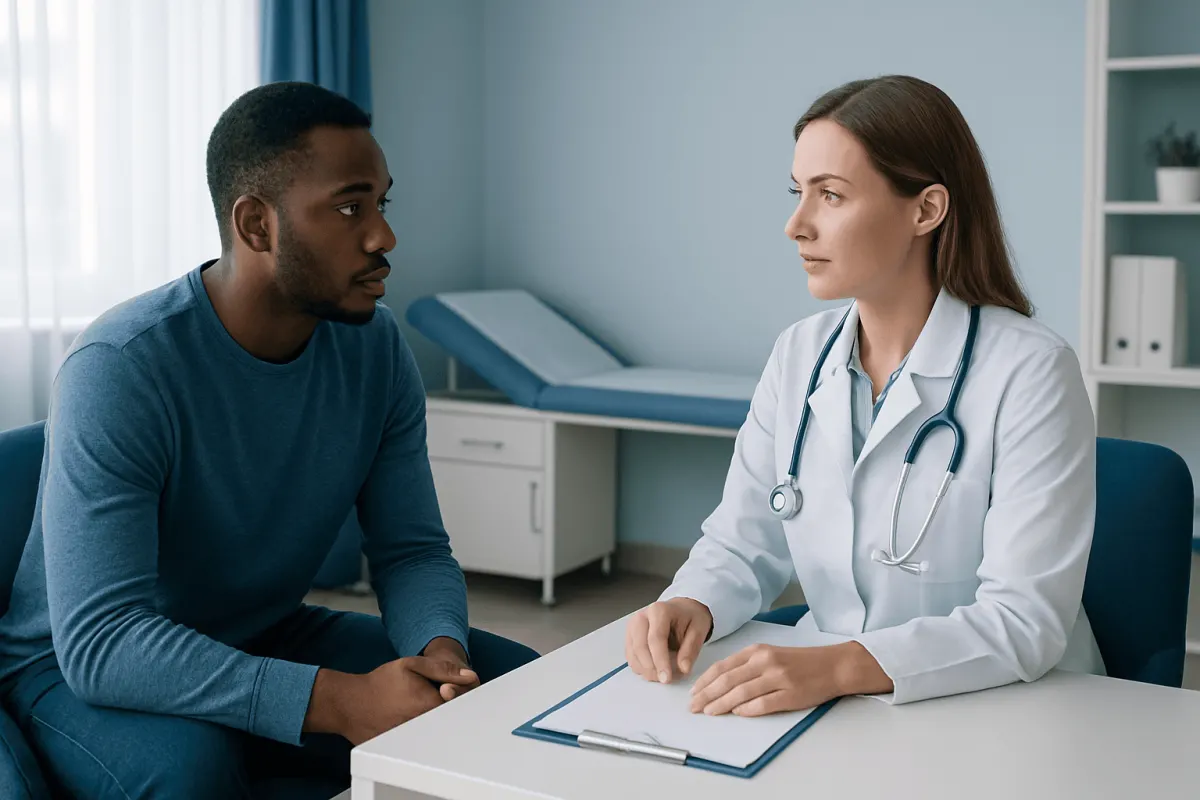
The appointment usually begins with a private discussion about symptoms, recent sexual contact, condom use, partners, previous infections and any pregnancy plans. These questions help a clinician recommend the right tests rather than using a one-size-fits-all panel. A person can ask about confidentiality, how results are delivered and whether partner notification support is available before testing begins.
Many infections do not cause noticeable symptoms. For that reason, a private STD screening may be useful even when a person feels well, particularly after a new partner, a change in sexual practices or a known exposure. Testing is a routine aspect of sexual health and is handled without judgement.
Which tests may be included in a full STD check
A full STD check is tailored to the individual. Commonly considered infections include chlamydia, gonorrhoea, syphilis, HIV, hepatitis B and hepatitis C when clinically appropriate. Testing for trichomoniasis, genital herpes, human papillomavirus (HPV) or other infections may be recommended in particular situations, especially if symptoms or examination findings suggest them.
Samples may include urine, a vaginal or cervical swab, a urethral swab, throat or rectal swabs, and blood tests. The areas tested should reflect the types of sexual contact a person has had. For example, a urine test alone may not identify an infection in the throat or rectum.
A clinician may also perform a focused examination when there are sores, discharge, rash, lumps, pelvic discomfort or testicular symptoms. Visible lesions can sometimes be swabbed directly. Tests are not always needed for every possible infection, and some screening approaches differ based on age, sex, pregnancy status and local public health guidance.
- Urine and genital swabs are often used for chlamydia and gonorrhoea.
- Blood tests can identify HIV, syphilis and some viral hepatitis infections.
- Swabs from sores may help diagnose herpes or syphilis.
- Throat and rectal swabs may be important after oral or anal sexual contact.
Timing, results and the limits of testing
Testing soon after a possible exposure can be helpful, but not every test can detect infection immediately. The interval between acquiring an infection and a test becoming reliably positive is often called the window period. A negative result shortly after exposure may need to be repeated later, depending on the infection and test used.
Some results are available quickly, while laboratory tests may take several days. A clinician can explain what each result means, whether repeat testing is needed and whether a partner should be tested. Until results are clear, using condoms or avoiding sexual contact can reduce the chance of passing an infection to someone else.
A negative screen is reassuring for the infections tested at the time tested, but it does not always rule out every infection or an infection acquired very recently. It is important to discuss ongoing symptoms even if initial results are negative, as symptoms may have causes other than an STI and may require further assessment.
How much does a full STD check cost?
The cost of a full STD check varies widely by country, clinic type, insurance arrangement and the tests required. There is no universal “full panel,” so the final cost may depend on whether blood tests, urine testing, site-specific swabs, an examination or follow-up testing are needed.
Before booking, a person can ask the clinic for an itemised estimate that covers the consultation, laboratory tests, result review and any follow-up appointment. They can also ask whether the quoted amount changes if further swabs or confirmatory testing become clinically necessary. Public sexual health services may offer lower-cost or free testing in some locations, while private services may differ in convenience, appointment availability and privacy processes.
Cost should not be the only factor when choosing care. A service should be able to explain which infections it tests for, whether it offers testing at all relevant body sites, how it manages positive results and when a clinician is available to discuss symptoms or treatment.
How much for a full STD check?
How much for a full STD check depends on what “full” means for that person’s circumstances. A basic screen may include only a limited number of common infections, whereas a more comprehensive assessment may include blood testing and swabs from genital, throat or rectal sites. Symptoms and recent exposure can also change which tests are medically appropriate.
For a clear estimate, patients can tell the clinic whether they have symptoms, when the possible exposure occurred and whether oral, vaginal or anal contact took place. They do not need to provide unnecessary personal details to ask about fees, but these clinical details help staff explain which test options may be relevant.
A person considering an STD check up with insurance should contact both the clinic and insurer in advance. Coverage can depend on the policy, network, reason for testing and local rules. The clinic can often explain billing procedures, but the insurer is best placed to confirm benefits and possible out-of-pocket costs.
How to ask for a full STD screening?
A person can simply say, “I would like comprehensive STI screening,” or “I would like to discuss which STD tests are right for me.” They can mention any symptoms, a possible exposure, a new partner, a partner’s diagnosis, pregnancy or a wish for routine preventive testing. Healthcare professionals are accustomed to these conversations and use the information to make testing accurate and appropriate.
It is helpful to state the date of the most recent possible exposure and the types of contact involved, including oral or anal sex where relevant. A person can also ask, “Will I need throat or rectal swabs?” and “Could any tests need repeating because of the timing?” These questions support an informed and complete discussion.
If privacy is a concern, patients can ask how the service communicates results, whether messages identify the clinic, how medical records are handled and whether a support person may attend. Confidential care does not usually mean anonymous care, and local laws may require reporting of certain infections to public health authorities; this reporting is designed to protect health and is generally handled confidentially.
Which STD is hardest to detect?
There is no single STI that is always the hardest to detect. Difficulty depends on when testing happens, whether symptoms are present, the body site involved and the type of test used. HIV and syphilis, for example, may not be detected immediately after exposure because blood tests need time to become positive.
Genital herpes can also be difficult to confirm when there are no active sores, because blood tests cannot always determine when or where infection was acquired and are not routinely used for everyone. HPV is very common and often clears without treatment; testing is not a general STI screen for all people and is usually considered within cervical screening or in response to particular clinical findings.
Infections in the throat or rectum may be missed if only urine or genital samples are taken. This is why a clinician’s questions about sexual contact are important. If a result is negative but symptoms continue or the test occurred very soon after exposure, follow-up assessment and repeat testing may be advised.
Treatment, prevention and when to seek medical care
Several bacterial and parasitic STIs can be cured with prescribed treatment, while viral infections can often be managed effectively. Private STD medication should only be used after a qualified clinician has assessed the person, reviewed test results where appropriate and considered allergies, pregnancy, other medicines and possible antibiotic resistance. Taking antibiotics borrowed from another person or purchased without medical advice may delay correct diagnosis and treatment.
If an STI is diagnosed, the clinician may advise avoiding sex until treatment is completed and any recommended follow-up has occurred. Partners may need testing or treatment to reduce reinfection. Condoms and other barrier methods lower the risk of many STIs, although they do not eliminate risk from infections spread by skin-to-skin contact. Vaccination against HPV and hepatitis B may offer important protection for eligible people.
Medical care should be sought promptly for genital sores or blisters, unusual discharge, burning when urinating, pelvic or lower abdominal pain, testicular pain or swelling, unexplained rash, fever with genital symptoms, or bleeding after sex. Urgent assessment is especially important after a possible HIV exposure, as preventive treatment may be time-sensitive. Acıbadem Health Point’s multidisciplinary specialists and JCI-accredited hospitals can assess sexual health concerns and arrange appropriate testing and treatment for international patients.
Frequently asked questions
01Can a private STD check up be confidential?
Private clinics generally have procedures to protect medical confidentiality, but the details vary by provider and country. Before testing, a person can ask how results are sent, how records are stored and whether any infections must be reported to public health authorities. Reportable-disease processes are typically confidential and are intended to support infection control.
02Should someone get tested for STIs if they have no symptoms?
Yes. Many STIs cause no symptoms, especially in the early stages, yet can still be passed to partners. Screening may be appropriate after a new partner, unprotected sex, a known exposure or based on an individual’s regular sexual health needs.
03Can an STI test be negative too early?
Yes. Different infections have different window periods, meaning an early test may not yet detect an infection. A clinician can advise on the best time to test and whether repeat testing is needed after a recent exposure.
04Do condoms prevent all STIs?
Condoms substantially reduce the risk of many STIs when used correctly and consistently. They do not fully prevent infections transmitted through skin contact in areas not covered by a condom, such as herpes or HPV. Combining condoms with testing, vaccination where appropriate and open partner communication offers broader protection.
05What happens if an STD test is positive?
A clinician will explain the result, confirm it if needed and discuss treatment or management options. They may recommend that recent sexual partners are informed, tested or treated. Many infections can be cured, and others can be managed to protect health and reduce transmission.
06Can someone test for every STI in one visit?
A clinician can often collect several samples during one visit, but there is no single test that identifies every STI. The best testing plan depends on symptoms, sexual practices, medical history and the time since possible exposure. Some tests may need to be repeated later because of window periods.
This article is for general information only and is not a substitute for professional medical advice. Please consult a qualified doctor about your individual situation.
Explore treatments in Turkey — costs, top hospitals & a free quote
JCI-accredited · board-certified surgeons · reply within 24h
Add us as a Preferred Source to see more of our trusted health content across Google Search, AI Overviews and Discover.