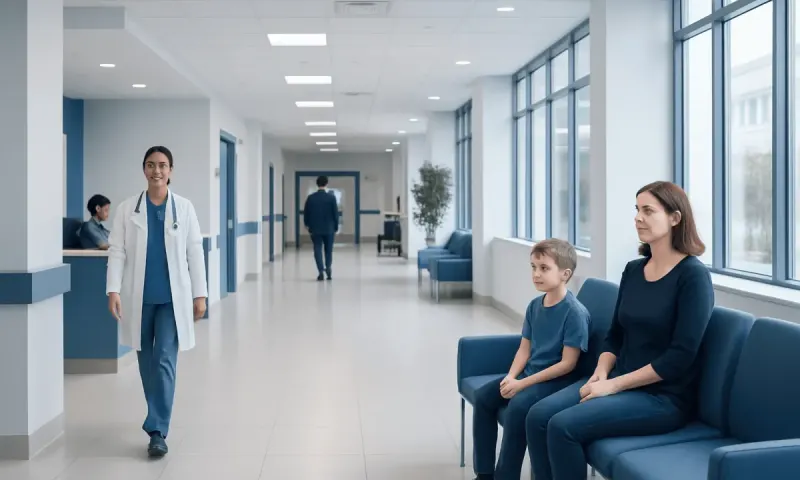
Private Paediatrician Care: Choosing Support for Your Child
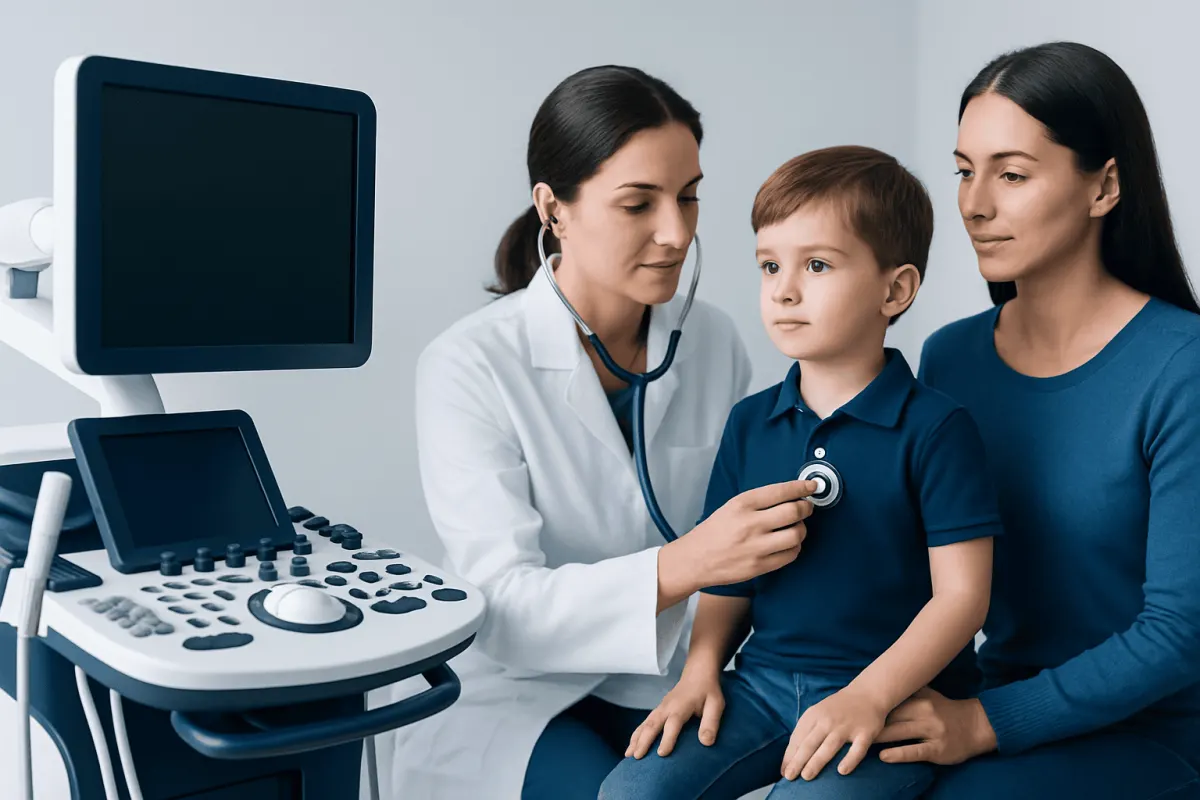
A private paediatrician is a doctor who specialises in the health and development of babies, children and adolescents, usually seen through self-pay or private insurance arrangements. They can provide routine check-ups, vaccinations, developmental support and assessment of new symptoms, while coordinating specialist care when needed.
What is a private paediatrician?
A private paediatrician is a medical doctor trained to care for infants, children and young people. Private care usually means the family pays directly, uses private health insurance, or is referred through an international healthcare pathway. The doctor’s role is the same core role as in other settings: to protect health, identify illness, support healthy development and advise parents or carers clearly.
Appointments may be used for routine health reviews, vaccinations, feeding or sleep concerns, frequent infections, skin rashes, stomach symptoms, growth questions or changes in behaviour and development. A private appointment can also allow more time to discuss a child’s medical history, family concerns and the next steps for care.
Paediatricians work with children at different stages of development. Their communication and examinations are adapted to the child’s age, and parents or carers are usually closely involved in decisions. When a child needs more specialised assessment, the paediatrician may coordinate care with services such as paediatric cardiology, neurology, gastroenterology, allergy or mental health.
What does a paediatrician diagnose?
A paediatrician diagnoses and manages a broad range of health concerns affecting children. These include common short-term illnesses such as colds, influenza-like infections, ear infections, sore throats, vomiting, diarrhoea, constipation, urinary symptoms and skin conditions. They also assess injuries, recurrent symptoms and concerns that do not fit a straightforward pattern.
Paediatric care also covers longer-term conditions and developmental needs. A doctor may evaluate asthma symptoms, allergies, eczema, headaches, poor weight gain, feeding difficulties, delayed milestones, sleep problems, puberty concerns, attention difficulties, anxiety or low mood. Diagnosis may require more than one visit, particularly when symptoms change over time or information is needed from school and other health professionals.
The assessment commonly includes a detailed history, growth measurements and a child-appropriate physical examination. Depending on the concern, the paediatrician may recommend blood tests, urine tests, imaging, allergy assessment or a specialist referral. For example, a child with recurring wheeze may need assessment for asthma, while persistent digestive symptoms may need a broader review of diet, growth and possible gastrointestinal causes.
A diagnosis is not always made at the first consultation. In many childhood illnesses, safe observation with clear guidance about what to monitor is appropriate. Parents should feel able to ask what is most likely, which warning signs matter and when a follow-up appointment is needed.
What happens during a private paediatrician appointment?
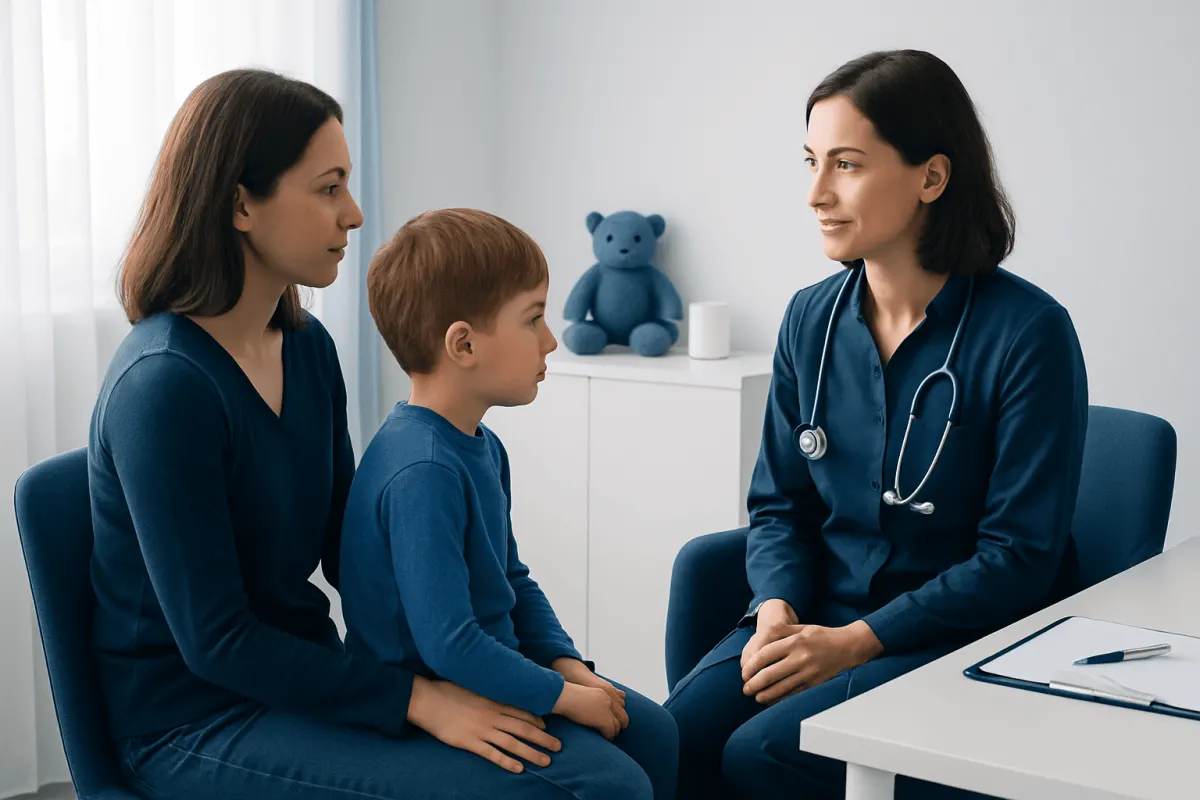
Before the appointment, families may be asked to provide information about the child’s symptoms, previous illnesses, medicines, allergies, vaccination history and family medical history. Bringing growth records, test results, hospital letters and a list of questions can make the consultation more useful. For babies and younger children, it may also help to note feeding, wet nappies, sleep and stool patterns.
During the visit, the paediatrician will listen to the parent or carer and, where appropriate, speak directly with the child. They may measure height, weight, head circumference in infants, temperature or blood pressure. The examination is guided by the concern and can include checking the ears, throat, chest, abdomen, skin, joints, nervous system or developmental skills.
At the end of the consultation, the doctor should explain the working diagnosis or possible causes, whether tests are useful, and what treatment or monitoring is recommended. The plan may include practical home-care advice, a prescription where clinically appropriate, follow-up, or referral for further evaluation. Some children may need coordinated input from more than one specialist rather than repeated visits for a single symptom.
How much is a self-pay pediatrician visit?
The cost of a self-pay pediatrician visit varies considerably. It depends on the country, city, clinic, doctor’s experience, appointment length, the urgency of the consultation and whether the visit is a first assessment or follow-up. Additional costs may apply for laboratory tests, imaging, vaccinations, procedures, prescriptions or referrals to other specialists.
For this reason, there is no single reliable price for a private paediatrician appointment. Families can ask the clinic before booking whether there is a consultation fee, whether diagnostic tests are charged separately, what is included in the visit and whether a written estimate can be provided for planned investigations. Insurance coverage, if applicable, should also be confirmed directly with the insurer and clinic.
A higher fee does not necessarily indicate that a child needs more tests or treatment. The most helpful consultation is one that addresses the child’s symptoms carefully, explains the plan in understandable terms and provides appropriate safety-net advice. Parents should not delay urgent medical care because they are waiting to compare self-pay options.
What is a downside of a pediatrician?
There is no inherent downside to seeing a paediatrician when a child needs medical assessment. Paediatricians are specifically trained to understand how illnesses, medicines, growth and development can differ between children and adults. However, families may encounter practical limitations depending on the care setting.
Private paediatric care can involve out-of-pocket costs, and availability may vary by location or appointment type. Some health concerns also require a team approach, so a paediatrician may need to refer the child to another specialist, therapist, emergency department or hospital service. This is usually a sign of appropriate care rather than a failure to help.
It is also important to recognise that not every childhood symptom needs a specialist appointment. Minor illnesses often improve with appropriate home care and advice from a primary care clinician or local health service. A good paediatrician will help families understand when observation is reasonable and when investigations or referral are genuinely needed.
What is the highest paid pediatric specialty?
Paediatric specialist earnings differ substantially by country, healthcare system, employment model, experience and workload. In many settings, procedural and highly specialised fields, such as paediatric surgery, paediatric cardiology, neonatology and paediatric critical care, may have higher average compensation than general paediatrics. However, reliable comparisons are difficult because published figures do not always use the same methods.
Income should not be used as a measure of the quality of care a child will receive. The right clinician is the one whose training matches the child’s needs, who communicates clearly and who can access appropriate investigations and specialist support. A general paediatrician is often the best first specialist for symptoms that are broad, recurrent or not yet clearly explained.
For a child with a known condition, the paediatrician can advise whether care from a subspecialist is appropriate. This may include referral to a paediatric surgeon for a structural problem, a cardiologist for a suspected heart concern, or another service based on the child’s symptoms and examination findings.
When to seek medical care
Parents and carers should seek prompt medical advice when they are worried about a child, especially if symptoms are getting worse, lasting longer than expected or affecting drinking, eating, sleep, activity or normal behaviour. A paediatrician can assess non-emergency concerns such as repeated infections, ongoing cough, recurrent tummy pain, poor growth, feeding difficulties, persistent rashes, delayed development or changes in mood and school functioning.
Urgent assessment is important if a child has difficulty breathing, blue or grey lips or skin, a seizure, severe or increasing drowsiness, confusion, a stiff neck with fever, signs of significant dehydration, severe pain, a serious injury, or a rash that does not fade when pressed alongside illness. Babies younger than three months with a fever should be assessed urgently. Local emergency services should be used for symptoms that appear life-threatening.
Parents know their child’s usual behaviour. If a child seems markedly unlike themselves, is difficult to wake, cannot keep fluids down, or a parent feels something is seriously wrong, it is appropriate to seek urgent advice even if the cause is uncertain. Early assessment can help ensure the child receives the right level of care.
Choosing and working with a private paediatrician
When choosing a private paediatrician, families may wish to check the doctor’s paediatric training, professional registration, language support, hospital affiliation and experience with the child’s particular concern. It can also be useful to ask how urgent appointments are handled, whether the clinic shares consultation notes with other clinicians and how test results or follow-up questions will be communicated.
Continuity can be valuable, particularly for children with recurrent symptoms or long-term conditions. Keeping a record of medicines, allergies, vaccination dates, hospital admissions and previous test results can reduce duplication and support safer decisions. Parents should also tell the doctor about vitamins, herbal products or medicines obtained without prescription.
Acıbadem Health Point’s multidisciplinary specialists and JCI-accredited hospitals support international patients who need paediatric assessment, diagnostic evaluation and coordinated treatment. The most suitable care pathway depends on the child’s symptoms, medical history and any need for specialist or hospital-based services.
Frequently asked questions
01What is the difference between a private paediatrician and a family doctor?
A private paediatrician has specialist training in the health, growth and development of children. A family doctor may care for patients of all ages and can manage many common childhood illnesses. A paediatrician may be particularly helpful for complex, recurrent or developmental concerns.
02Can a private paediatrician provide vaccinations?
Many private paediatric clinics provide vaccinations, but services vary by location and local regulations. Families should ask whether the clinic offers the needed vaccine, how records are documented and whether the vaccine is included in the consultation fee. Routine vaccines should follow the child’s local or national immunisation schedule unless a clinician advises otherwise.
03Do children need a referral to see a private paediatrician?
This depends on the clinic, healthcare system and insurance policy. Some private paediatricians accept direct bookings, while insurers or specialist services may require a referral from a primary care doctor. It is sensible to check this before arranging an appointment.
04Should a child see a paediatrician for a fever?
Many fevers are caused by short-lived viral infections and can be managed with advice from a primary care clinician. A child should be assessed promptly if they are very young, have breathing difficulties, are unusually sleepy, show signs of dehydration, develop a concerning rash or appear seriously unwell. Parents should seek advice whenever they are concerned about how their child looks or behaves.
05Can a paediatrician help with behavioural or developmental concerns?
Yes. A paediatrician can assess developmental milestones, behaviour, attention, sleep, learning concerns and emotional wellbeing in the context of the child’s overall health. They may recommend support at home or school, further assessment, or referral to professionals such as child psychologists, speech and language therapists or developmental specialists.
06How should parents prepare for a paediatric appointment?
Parents can bring previous medical records, vaccination details, medication lists and any relevant test results. It can help to write down when symptoms began, what makes them better or worse, and how they affect eating, sleep, play or school. For a younger child, details about feeding, wet nappies and bowel movements may also be useful.
This article is for general information only and is not a substitute for professional medical advice. Please consult a qualified doctor about your individual situation.
Medical weight-loss options in Turkey — costs & eligibility
JCI-accredited · board-certified surgeons · reply within 24h
Add us as a Preferred Source to see more of our trusted health content across Google Search, AI Overviews and Discover.