Private Baby Scans: Safety, Timing and Medical Purpose
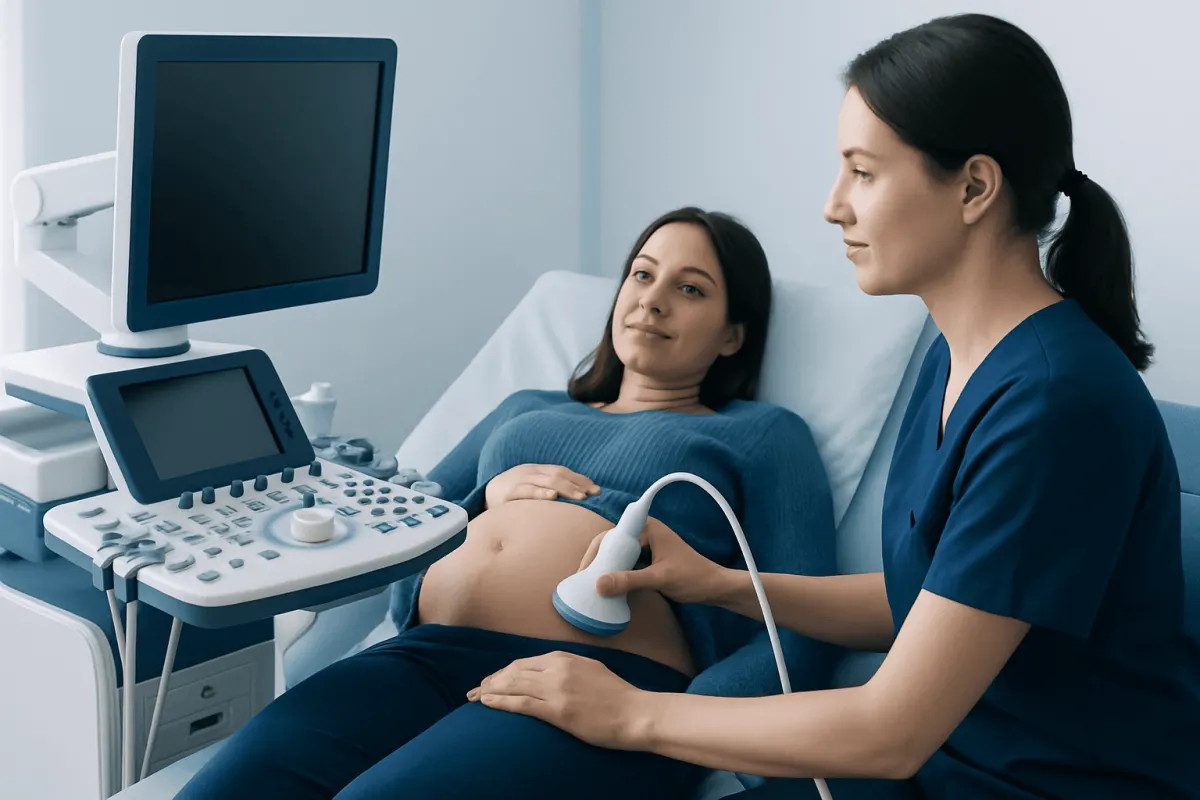
Private baby scans are ultrasound appointments arranged outside the standard schedule of publicly funded or insurance-covered prenatal care. They can provide reassurance or help families see the baby, but medically important findings should always be assessed within a qualified maternity care pathway.
Private baby scans: the answer at a glance
Private baby scans are pregnancy ultrasound examinations booked separately from routine maternity care. A private baby ultrasound may be chosen to confirm an early pregnancy, check the heartbeat, learn more about fetal development, find out the baby’s sex where permitted, or obtain images for personal keepsakes.
Ultrasound is a well-established medical imaging method that uses high-frequency sound waves, not X-rays. It is generally considered safe when used appropriately by trained professionals. However, private baby scans are not a substitute for scheduled antenatal care, screening tests, or assessment by a midwife, obstetrician or other qualified scan baby doctor when symptoms or concerns arise.
The most useful way to view a private scan is as an addition to, rather than a replacement for, the pregnancy care plan. The provider should explain what the scan can and cannot assess, document any relevant findings, and have a clear route for urgent referral if a possible concern is identified.
Why ultrasounds are used during pregnancy
A pregnancy ultrasound can provide information about the pregnancy, placenta, uterus and developing baby. Depending on gestational age and the type of examination, it may help confirm the location and number of pregnancies, estimate gestational age, assess fetal growth, review anatomy, check placental position, and evaluate amniotic fluid.
Not every scan has the same purpose. A short reassurance or keepsake appointment may focus on observing the heartbeat, movement or fetal position. A formal diagnostic examination takes longer and follows a structured review of specific features. Even a detailed ultrasound cannot identify every condition, and a normal result does not guarantee that a baby has no health concerns.
People sometimes search for “scans to see a baby” because they want connection and reassurance during pregnancy. Those are understandable reasons to seek imaging, but the clinical value depends on the timing, operator skill, equipment quality and the question being asked. The regular maternity team remains the best source of advice about which examinations are recommended.
What are the 5 scans in pregnancy?

There is no single universal list of five scans in pregnancy. National guidance, insurance arrangements and individual clinical circumstances differ. Many uncomplicated pregnancies have fewer routine ultrasound examinations, while additional scans may be advised for symptoms, uncertain dates, multiple pregnancy, placental concerns, growth monitoring or other medical reasons.
When people refer to five pregnancy scans, they often mean a sequence that may include an early viability or dating scan, first-trimester screening scan, detailed anatomy scan, growth scan, and later wellbeing or position scan. These labels describe common scan purposes rather than a fixed schedule that every pregnant person needs.
- Early viability scan: may confirm the pregnancy is in the uterus and assess cardiac activity when visible.
- Dating scan: estimates gestational age and may identify more than one fetus.
- First-trimester screening scan: may be combined with blood tests or other screening methods, depending on local practice.
- Anatomy scan: assesses many fetal structures and the placenta, usually in the middle of pregnancy.
- Growth or third-trimester scan: may assess growth, fluid, placental appearance and fetal position when clinically indicated.
The maternity clinician can explain which scans are recommended in a particular pregnancy and why. A private appointment should not delay a recommended hospital or clinic scan.
What is a 3 month pregnancy scan called?
A 3 month pregnancy scan is commonly called a first-trimester scan, dating scan or nuchal translucency scan, depending on its timing and purpose. At around 12 weeks of pregnancy, an ultrasound may be used to confirm dates, assess the number of fetuses, review early development and, in some settings, contribute to screening for certain chromosomal conditions.
Nuchal translucency is a measurement of fluid at the back of the fetus’s neck. When it is used, it forms part of a screening assessment and is not a diagnosis. Results may be considered alongside maternal age, blood test results or non-invasive prenatal testing, according to local practice and personal choice.
A private baby ultrasound at this stage may provide a picture of the developing fetus and a heartbeat check, but it may not offer the same structured screening as a formal first-trimester examination. Anyone wanting screening information should ask specifically whether the service provides it and how results are reviewed, communicated and followed up.
Are private ultrasounds covered by insurance?
Private ultrasounds may be covered by insurance when they are medically necessary, requested or supported by an appropriately qualified clinician, and performed at an approved facility. Coverage depends on the insurance policy, country, provider network, referral rules and the reason for the scan.
Elective or keepsake scans are often treated differently from diagnostic imaging. They may not be covered because they are not considered medically necessary. Some plans may require prior authorization, a referral, or use of a specific imaging center before benefits apply.
Before booking, patients can contact their insurer and ask whether pregnancy ultrasound is covered, whether a referral is needed, what documentation is required, and whether there may be out-of-pocket costs. The imaging provider can explain its own administrative process, but only the insurer can confirm policy benefits.
Are private ultrasounds ok?
Private ultrasounds can be appropriate when they are performed by properly trained professionals using suitable equipment, with appropriate clinical governance and access to medical referral when needed. They are most helpful when the family understands the purpose and limitations of the examination.
Professional organizations generally support prudent use of ultrasound during pregnancy and advise against prolonged or non-medical exposure solely for entertainment. A short, appropriately conducted scan is different from repeated or extended sessions with no clinical rationale. It is reasonable to ask who will perform the scan, what qualifications they hold, how long it will take, and what happens if an unexpected finding is suspected.
Private scans should never be used to dismiss worrying symptoms. A reassuring image does not rule out all pregnancy complications, particularly if the examination was not designed to investigate the symptom. For concerns about fetal growth, placental position, pain, bleeding or other complications, assessment through the maternity team is important.
Choosing a responsible private baby ultrasound service
Before arranging a baby medical scan, patients may wish to check whether the service is led or supervised by qualified healthcare professionals and whether it follows local regulations for prenatal ultrasound. Reputable providers should explain the intended scope of the scan, obtain informed consent, protect privacy and provide a written report or clear documentation when medical observations are made.
It is also important to ask how the provider manages uncertain or abnormal findings. A service should be able to advise patients promptly about contacting their obstetrician, midwife or emergency maternity unit, rather than leaving them with unexplained results. A private scan should not replace recommended pregnancy follow-up or prenatal screening offered through routine care.
Patients should bring relevant information, including estimated due date, previous scan results and details of any current symptoms. If the aim is to assess a specific medical concern, booking through the pregnancy care team is often more appropriate because they can request the right examination and coordinate any further tests.
When to seek medical care
Pregnant people should contact their maternity care provider promptly for vaginal bleeding, significant or worsening abdominal pain, severe headache, vision changes, fever, fluid leaking from the vagina, sudden swelling, or symptoms that feel concerning. These symptoms need clinical assessment and should not be managed by booking a reassurance scan.
After fetal movements have become established, a clear reduction or change in the baby’s usual movement pattern should be discussed urgently with the maternity unit or obstetric clinician. The exact advice varies with stage of pregnancy, but it is safer to seek timely assessment than to wait for a private appointment.
Emergency care is appropriate for severe pain, heavy bleeding, fainting, breathing difficulty or other severe symptoms. Acıbadem Health Point’s multidisciplinary specialists and JCI-accredited hospitals can provide diagnostic assessment and pregnancy care for international patients when needed.
Frequently asked questions
01Can a private baby scan replace routine pregnancy scans?
No. A private baby scan may complement routine care, but it should not replace recommended antenatal ultrasound examinations, screening tests or appointments with the maternity team. Formal scans are designed to answer specific medical questions and ensure appropriate follow-up when needed.
02When is the earliest private pregnancy ultrasound usually performed?
Some providers offer early pregnancy scans from around 6 weeks, although timing varies and an embryo or heartbeat may not yet be visible very early in pregnancy. If dates are uncertain, a repeat scan may be recommended. Pain or bleeding should be assessed through a healthcare professional rather than through a non-urgent private booking.
03Can a private ultrasound tell the baby’s sex?
It may be possible to identify fetal sex during a mid-pregnancy ultrasound, depending on gestational age, fetal position and local laws or policies. It cannot always be determined with certainty. Sex identification should not be confused with assessment for genetic or developmental conditions.
04Do private ultrasound scans detect abnormalities?
A scan may identify some unexpected findings, but the ability to detect abnormalities depends on the scan type, timing, equipment and the examiner’s training. A reassurance or keepsake scan is not necessarily equivalent to a detailed anatomy scan. Any suspected concern should be evaluated through the maternity care team.
05How often is it safe to have a private baby ultrasound?
There is no single number that is appropriate for everyone. Ultrasound is generally considered safe when medically indicated and performed by trained professionals, but unnecessary or prolonged exposure should be avoided. A maternity clinician can advise whether additional imaging is useful for an individual pregnancy.
06What should patients ask before booking a private baby scan?
Patients can ask who performs and interprets the scan, whether the provider is clinically qualified, what the scan includes, and whether a report is provided. They should also ask how unexpected findings are handled and whether the service can make an urgent referral. It is helpful to clarify that the appointment will not replace routine prenatal care.
This article is for general information only and is not a substitute for professional medical advice. Please consult a qualified doctor about your individual situation.
Explore treatments in Turkey — costs, top hospitals & a free quote
JCI-accredited · board-certified surgeons · reply within 24h
Add us as a Preferred Source to see more of our trusted health content across Google Search, AI Overviews and Discover.