Pressure in the Temples: Common Causes and Warning Signs
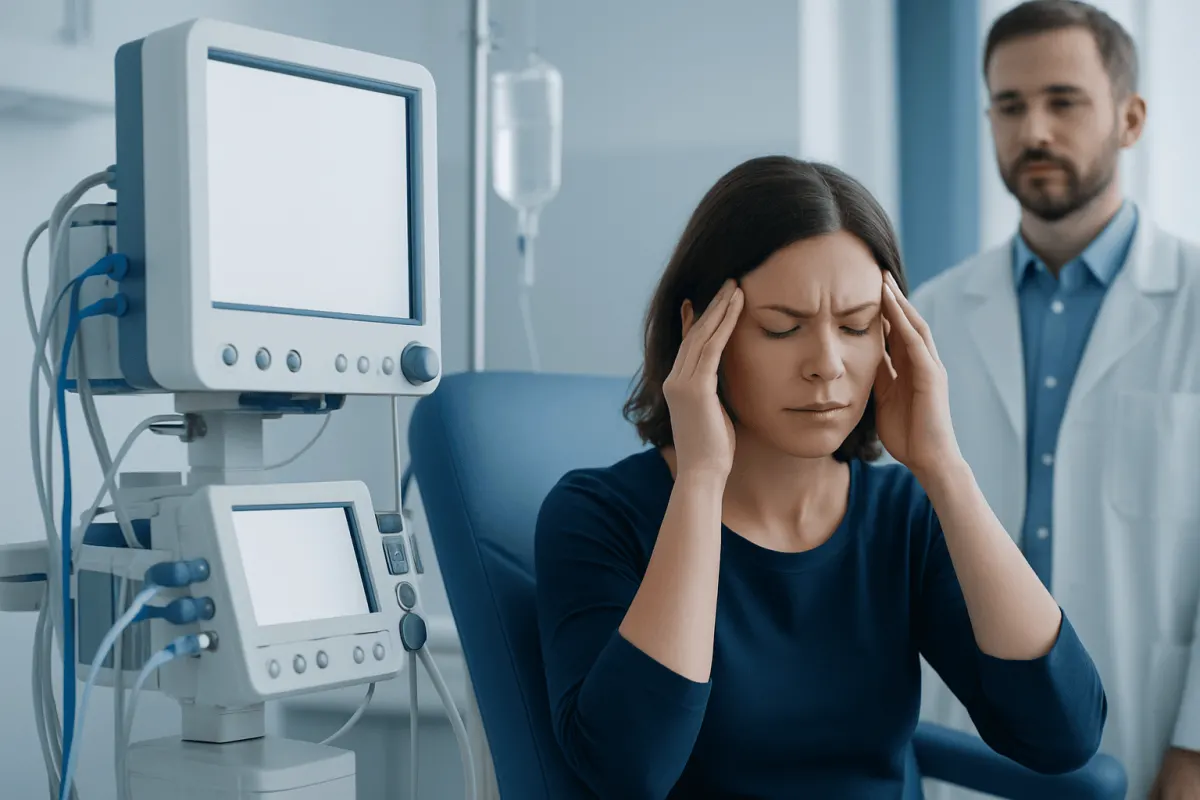
Pressure in the temples is a common symptom that is often related to tension-type headache, migraine, jaw muscle strain, eye strain, or a viral illness. Although it is usually not dangerous, the pattern of symptoms and any accompanying warning signs help determine when medical care is needed.
What Does Pressure in the Temples Mean?
Pressure in the temples describes a feeling of tightness, fullness, squeezing, aching, or heaviness on one or both sides of the head near the outer eyes and forehead. It may be mild and short-lived or may develop into a more noticeable headache. In many people, it is related to a primary headache disorder, meaning the headache itself is the condition rather than a sign of another illness.
Tension-type headache is a frequent cause. It often produces a band-like pressure across the forehead or temples and may be accompanied by tenderness in the scalp, neck, or shoulders. Migraine can also cause temple pain or pressure, sometimes on one side and sometimes on both, with symptoms such as nausea or sensitivity to light, sound, or activity.
Temple pressure is a symptom rather than a diagnosis. A clinician considers the timing, severity, triggers, prior headache history, medications, general health, and accompanying symptoms before deciding whether tests or specialist assessment are appropriate.
Common Patterns and Accompanying Symptoms
The way temple pressure feels can offer useful clues. Tension-type headaches tend to cause steady, non-pulsing pressure that does not usually worsen substantially with ordinary activity. They may occur after long periods of concentration, poor posture, emotional stress, inadequate sleep, or prolonged use of a computer or mobile device.
Migraine pain is often throbbing or pulsating, though some people describe it mainly as pressure. It may be associated with nausea, vomiting, sensitivity to light or sound, visual disturbances, fatigue, or difficulty concentrating. Some people experience warning symptoms before migraine, while others do not.
Pressure around the temples may also occur with jaw discomfort, tooth grinding, clicking of the jaw, or facial muscle tenderness. These features can suggest strain involving the temporomandibular joints and chewing muscles. Nasal blockage, facial fullness, reduced smell, or thick nasal discharge may point toward a cold, allergy, or sinus-related problem, although many self-diagnosed “sinus headaches” are actually migraine.
- Pressure after desk work or driving may be linked with neck and shoulder muscle tension.
- Pressure with eye fatigue may occur after close visual work or when vision correction needs review.
- Headache after missing meals, dehydration, alcohol use, or caffeine withdrawal may reflect an identifiable trigger.
Possible Causes and Risk Factors

Stress, anxiety, sleep disruption, dehydration, irregular meals, and prolonged static posture can all increase the likelihood of head and temple discomfort. These factors may tighten muscles around the neck, scalp, jaw, and shoulders or lower the threshold for a headache. They do not mean that symptoms are “all in the mind”; they are common physical contributors that can often be addressed.
Jaw clenching and teeth grinding, especially during sleep, can strain the temporalis muscles located at the temples. Dental problems or bite-related concerns may contribute in some cases. An eye examination may be helpful when pressure occurs with blurred vision, squinting, eye fatigue, or difficulty focusing, particularly if symptoms arise during reading or screen use.
Medication overuse is another important consideration. Using pain medicines too frequently for headaches can lead to rebound or medication-overuse headache, making symptoms more frequent and harder to manage. A doctor or pharmacist can advise on safe use of over-the-counter and prescribed medicines.
Less commonly, temple pain can reflect an underlying medical condition. For example, inflammation of blood vessels near the temples, called temporal arteritis, requires prompt assessment because it can affect vision. This condition is most often seen in adults over age 50 and may cause new temple headache, scalp tenderness, jaw pain while chewing, fatigue, fever, or visual symptoms.
How Doctors Assess Temple Pressure
Diagnosis begins with a careful discussion. A healthcare professional may ask when the pressure started, whether it is new or recurring, how long episodes last, what makes them better or worse, and whether there are associated symptoms. Information about sleep, stress, diet, caffeine, menstrual cycles, recent illness, injuries, medication use, and family history can be relevant.
A physical examination may include blood pressure measurement and assessment of the eyes, nervous system, neck, jaw, sinuses, and scalp. In many people with a familiar pattern of tension-type headache or migraine and a normal examination, imaging is not routinely needed. Tests are considered when symptoms are unusual, progressive, new at an older age, or accompanied by warning signs.
Depending on the findings, a clinician may recommend blood tests, an eye examination, dental evaluation, or brain imaging. These investigations are not used simply because a headache is uncomfortable; they are selected to look for specific causes when the history or examination indicates a need.
Treatment Options and Everyday Relief
Treatment depends on the underlying cause and the frequency of symptoms. For occasional mild temple pressure, rest in a quiet room, hydration, a regular meal, gentle neck movement, relaxation breathing, or a cool or warm compress may be helpful. Some people find that reducing screen glare, taking regular visual breaks, and improving workstation posture reduces recurring discomfort.
Over-the-counter pain relief may be appropriate for some adults when used according to the product label and a clinician’s advice. However, people with kidney disease, liver disease, stomach ulcers, bleeding risks, cardiovascular conditions, pregnancy, or regular medication use should check with a healthcare professional before taking pain medicines. Repeated self-treatment without addressing frequent headaches can contribute to medication-overuse headache.
If migraine is suspected, a clinician may recommend a plan for treating attacks early and, for frequent or disabling episodes, preventive treatment. Learn more about migraine symptoms and medical management. For jaw-related symptoms, treatment may include addressing tooth grinding, jaw exercises recommended by an appropriate clinician, stress management, or dental assessment.
Persistent headaches benefit from an individualized plan rather than a single remedy. This can include treatment of sleep problems, anxiety, allergies, neck pain, or other contributing conditions. Keeping a record of symptoms and treatments can help the clinician choose the most suitable approach.
Prevention and Self-Care Strategies
Regular habits can reduce the frequency of many common headaches. Aim for consistent sleep and wake times, regular meals, adequate fluid intake, and gradual rather than abrupt changes in caffeine intake. Physical activity suited to the person’s health and fitness can also support sleep, stress regulation, and neck mobility.
For screen-related strain, taking brief breaks to look into the distance, adjusting screen height, and avoiding prolonged forward-head posture may help. People who notice jaw tightness can practice keeping the teeth slightly apart when not eating and the tongue relaxed, rather than holding the jaw clenched. A dentist or clinician can assess persistent clenching or suspected nighttime grinding.
A headache diary is particularly useful when symptoms recur. It can include the date and time, location and intensity of pain, duration, associated symptoms, sleep, food and drink, stress level, menstrual timing where relevant, medicines taken, and response to treatment. Over several weeks, patterns may become clearer.
It is important not to ignore a meaningful change in a usual headache pattern. Even when a person has a history of headaches, new symptoms or a significant increase in frequency should be reviewed by a healthcare professional.
When to Seek Medical Care
Urgent medical care is needed for a sudden, extremely severe headache that reaches maximum intensity quickly, especially if it is unlike any previous headache. Emergency assessment is also important for headache after a significant head injury, or headache with fainting, seizure, confusion, weakness, numbness, trouble speaking, difficulty walking, or a new facial droop.
Prompt medical evaluation is recommended for temple pressure with fever and a stiff neck, persistent vomiting, new vision loss or double vision, a painful red eye, or a rash. Adults over 50 should seek timely assessment for a new headache, particularly when there is scalp tenderness, pain in the jaw during chewing, unexplained weight loss, fever, or visual changes.
A non-urgent appointment is appropriate when pressure in the temples happens often, interferes with daily life, lasts longer than expected, changes in character, or leads to frequent use of pain medication. Acıbadem Health Point’s multidisciplinary specialists in JCI-accredited hospitals can assess headache and related symptoms for international patients and coordinate care when needed.
Frequently asked questions
01Is pressure in the temples usually serious?
Most temple pressure is related to common causes such as tension-type headache, migraine, muscle strain, jaw clenching, dehydration, or poor sleep. However, a new, severe, persistent, or changing headache should be evaluated, especially when it occurs with neurological symptoms, fever, or changes in vision.
02Can stress cause pressure in the temples?
Yes. Stress can increase muscle tension in the scalp, jaw, neck, and shoulders and can contribute to tension-type headache. Stress may also trigger migraine in some people, although migraine has several possible triggers and is a neurological condition.
03Why do my temples feel tight when I wake up?
Morning temple tightness can be associated with nighttime teeth grinding, jaw clenching, poor sleep, an uncomfortable sleep position, or neck muscle strain. It can also occur with sleep disorders or frequent headaches, so ongoing symptoms are worth discussing with a healthcare professional.
04Can sinus problems cause pressure in the temples?
Colds, allergies, and sinus inflammation can cause facial pressure, nasal congestion, and discomfort around the eyes, forehead, or temples. However, recurring headaches described as sinus pressure are often migraine, particularly when nausea or sensitivity to light and sound are present.
05What can I do at home for mild temple pressure?
Rest, hydration, a regular meal, gentle stretching, heat or cold packs, and reducing screen or jaw strain may help. Pain medicines should be used only as directed and not too frequently; repeated or worsening symptoms should be reviewed by a clinician.
06When is temple pain an emergency?
Emergency care is appropriate for a sudden worst-ever headache, headache with weakness, numbness, confusion, seizures, fainting, speech problems, severe neck stiffness, or sudden vision changes. New temple pain in an older adult with scalp tenderness, jaw pain while chewing, or visual symptoms also needs prompt assessment.
This article is for general information only and is not a substitute for professional medical advice. Please consult a qualified doctor about your individual situation.
Hair transplant in Turkey — costs, graft counts & a free assessment
JCI-accredited · board-certified surgeons · reply within 24h
Add us as a Preferred Source to see more of our trusted health content across Google Search, AI Overviews and Discover.