Pregnant with Heart Palpitations: What You Need to Know

Key Takeaways
- Heart palpitations are common in pregnancy and are often linked to normal circulatory and hormonal changes.
- Skipped beats, fluttering, or a racing pulse can also be influenced by stress, dehydration, caffeine, anemia, or thyroid issues.
- Palpitations that occur with chest pain, fainting, severe breathlessness, or a sustained very fast heartbeat should be assessed promptly.
- Doctors may use a medical history, exam, blood tests, and sometimes an ECG or heart monitoring to check for an underlying cause.
- Simple steps such as rest, hydration, limiting triggers, and discussing medicines with a clinician can help manage symptoms safely.
Being pregnant with heart palpitations is often unsettling, but it is frequently related to normal pregnancy changes such as increased blood volume, hormones, anxiety, or fatigue. Still, some palpitations deserve medical assessment, especially if they come with dizziness, chest pain, shortness of breath, or fainting.
Overview
For many people, being pregnant with heart palpitations means noticing a heartbeat that feels unusually strong, fast, fluttery, or irregular. In pregnancy, that sensation is often explained by ordinary body changes rather than a dangerous heart problem, but it should still be taken seriously enough to mention to a healthcare professional.
The heart works harder during pregnancy because blood volume rises and the body must support both mother and baby. Hormonal shifts can also make the pulse more noticeable, especially when a person is tired, anxious, dehydrated, or active. For some pregnant patients, palpitations are brief and harmless; for others, they are the first clue to anemia, thyroid imbalance, an arrhythmia, or another condition that deserves treatment.
Understanding the difference is the practical goal. The pattern of the palpitations, what triggers them, and whether they come with other symptoms usually helps clinicians decide whether reassurance, simple lifestyle changes, or further evaluation is the right next step.
Symptoms
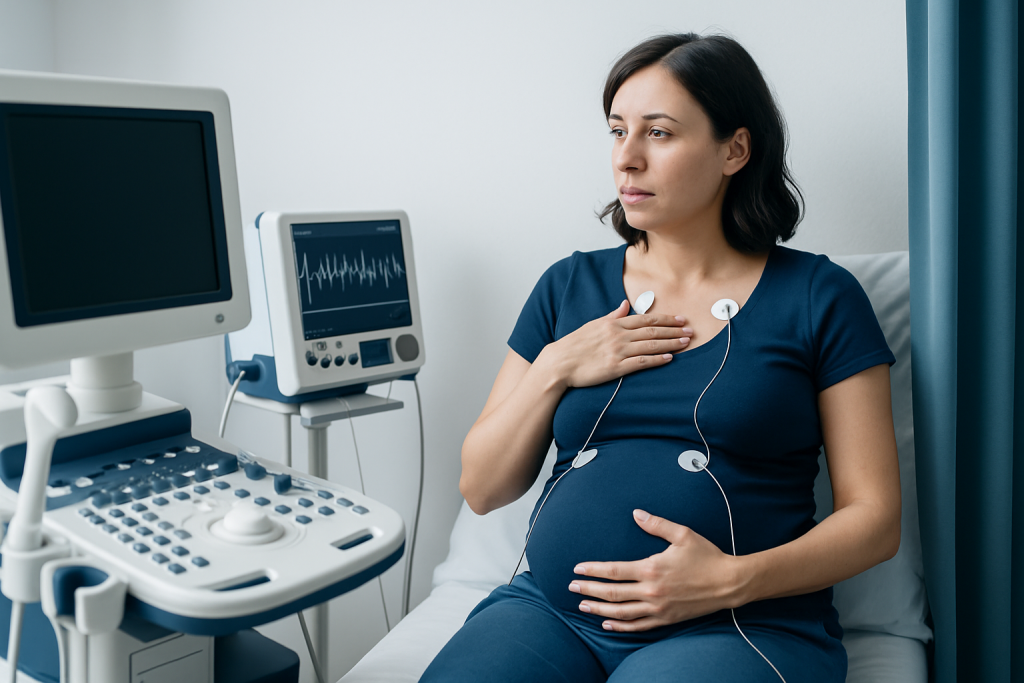
Heart palpitations can feel different from person to person. Some describe a skipped beat, a flip-flopping sensation in the chest, or a pounding pulse in the throat. Others notice a sudden burst of rapid heartbeat that appears while resting, after standing up, or during mild activity.
During pregnancy, palpitations may be more noticeable at night, after meals, when changing position, or in moments of stress. They may last only seconds or continue for several minutes. A clinician will usually ask whether the episodes are occasional or frequent, whether they happen at rest or with exertion, and whether the rhythm feels regular or chaotic.
Symptoms that go beyond an awareness of the heartbeat are more important than the sensation itself. These include dizziness, lightheadedness, chest discomfort, breathlessness that is out of proportion to activity, fainting, or swelling with worsening fatigue. Those features do not always mean a serious heart disorder, but they do justify prompt medical attention.
Causes & Risk Factors
Pregnancy changes circulation in ways that can make the heart beat harder and faster. Blood volume rises, the heart pumps more output, and hormones such as progesterone can influence blood vessel tone and how strongly the heartbeat is felt. These shifts are part of the body’s normal adaptation to pregnancy.
Several everyday factors can make palpitations more noticeable. Dehydration, poor sleep, caffeine, nicotine, anxiety, emotional stress, and overexertion can all contribute. Nausea or vomiting may also leave someone depleted of fluids or electrolytes, which can affect the rhythm.
Other causes deserve consideration because they may need treatment during pregnancy:
- Anemia or low iron levels
- Thyroid disorders
- Electrolyte imbalance
- Arrhythmias such as supraventricular tachycardia
- Pre-existing heart disease or a family history of rhythm problems
- Some medications, supplements, or stimulants
Risk is higher if palpitations were present before pregnancy, if there is known structural heart disease, or if there is a personal or family history of fainting, sudden rhythm problems, or thyroid disease. Even then, many patients continue pregnancy safely with appropriate monitoring and individualized care.
Diagnosis
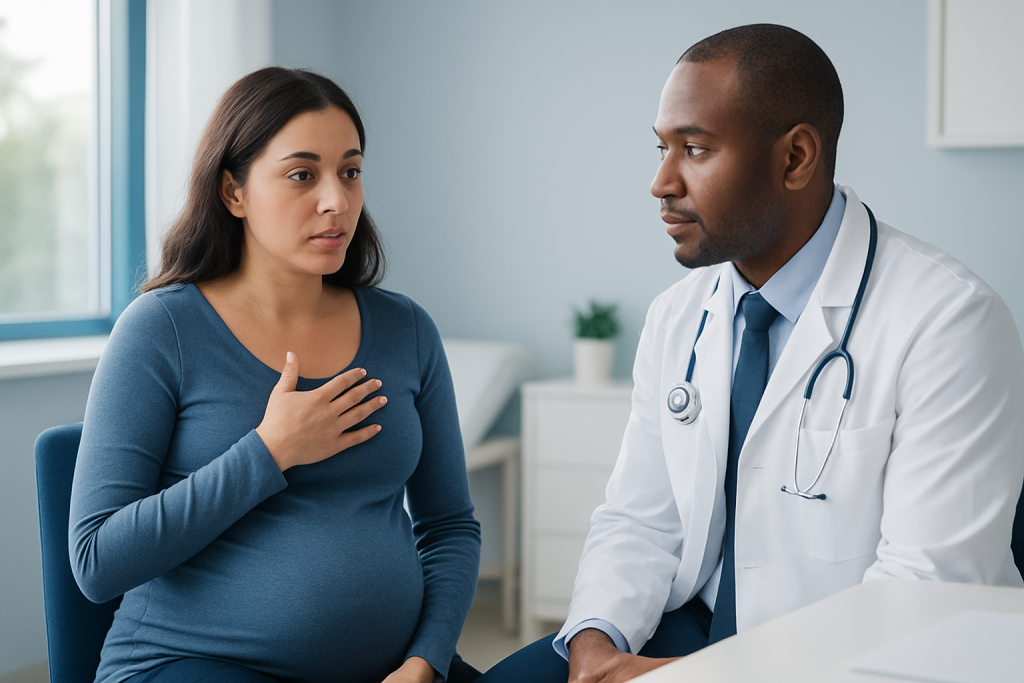
Evaluation usually starts with a careful conversation. The clinician will want to know when the palpitations began, how long they last, what they feel like, and whether they are linked to activity, meals, stress, or changes in position. A review of pregnancy history, medicines, supplements, caffeine intake, and any prior heart conditions is also important.
A physical examination may be followed by basic tests to look for common, treatable causes. Blood work can help check for anemia, thyroid problems, or electrolyte disturbances. An electrocardiogram, or ECG, is often used to look at the heart’s electrical pattern, and a portable monitor may be recommended if symptoms come and go and are not captured during a brief office visit.
If there are warning signs or an abnormal initial evaluation, a clinician may suggest additional assessment such as echocardiography or referral to a cardiologist. For patients who are pregnant and travelling for care, bringing prior records, medication lists, and any home pulse readings can make the appointment more efficient and help doctors compare changes over time.
Treatment Options
Treatment depends on the underlying cause. When palpitations are linked to normal pregnancy changes and testing is reassuring, management may focus on practical symptom reduction and observation. If anemia, thyroid disease, dehydration, or a rhythm disorder is found, treatment is directed at that specific issue while considering pregnancy safety.
Many pregnant patients improve with non-drug measures first. Rest, hydration, gradual movement rather than sudden exertion, and avoiding known triggers can reduce episodes. If caffeine seems to worsen symptoms, it may help to cut back and observe whether the palpitations settle. For some people, breathing exercises and stress-management strategies lower the body’s adrenaline response and make episodes less frequent.
When an arrhythmia is confirmed, the choice of treatment is individualized. Some rhythm problems need only monitoring, while others may require medication, and a few may need urgent treatment. In pregnancy, any medicine is selected carefully so that maternal benefit and fetal safety are both considered. If a patient is considering care abroad, a multidisciplinary team can be helpful because cardiology and obstetric specialists can coordinate testing, treatment, and follow-up in one plan.
Prevention & Self-care
Not every episode of palpitations can be prevented, but some habits can make them less likely or less intense. Drinking enough fluids, eating regularly, and avoiding long stretches without rest can support a steadier heartbeat. Many people also notice that palpitations are less troublesome when sleep improves and daily stress is better managed.
Self-care also means being thoughtful about common triggers. Caffeine, energy drinks, nicotine, and unregulated supplements may provoke symptoms in some pregnant patients. It is wise to check with a clinician before using over-the-counter cold remedies, herbal products, or any medication not specifically approved for pregnancy.
Helpful day-to-day steps may include:
- Tracking when palpitations happen and what was happening beforehand
- Standing up slowly if symptoms occur with position changes
- Keeping meals balanced to avoid blood sugar swings
- Resting when exhausted and pacing strenuous activity
- Discussing iron, thyroid, or vitamin questions with a clinician rather than self-treating
These measures are supportive, not a substitute for medical evaluation if symptoms are frequent or concerning.
When to See a Doctor
Pregnancy is a good time to mention palpitations at a routine prenatal visit, even if the episodes are mild. A clinician can decide whether the pattern sounds benign or whether basic testing would be useful. This is especially important if the palpitations are new, becoming more frequent, or interfering with daily life.
Urgent medical attention is warranted if palpitations occur with chest pain, fainting, severe shortness of breath, marked dizziness, a sustained very fast heartbeat, or a feeling that the heart is not returning to a normal rhythm. Those symptoms can signal a problem that should not wait for the next appointment.
In some cases, the best time to seek care is before travel, especially for patients planning international treatment or a delivery away from home. Having symptoms reviewed early can reduce uncertainty and help the care team decide what monitoring is needed during the journey, pregnancy, and postpartum recovery. Acibadem Health Point’s multidisciplinary specialists and JCI-accredited hospitals can diagnose and treat this condition for international patients as part of coordinated care.
Frequently asked questions
01Are heart palpitations normal during pregnancy?
They are common in pregnancy and often relate to normal changes in blood volume, hormones, and heart rate. Many episodes are harmless, but new or frequent palpitations should still be discussed with a doctor.
02What does a pregnancy palpitation feel like?
People often describe fluttering, pounding, skipped beats, or a sudden racing pulse. Some feel the heartbeat in the chest, neck, or throat, and episodes may come and go quickly.
03Can anxiety cause heart palpitations in pregnancy?
Yes, stress and anxiety can make the heart beat faster or feel more forceful. That said, anxiety should not be assumed to be the only cause until other common factors, such as anemia or thyroid problems, are considered.
04Should caffeine be avoided completely if I have palpitations?
Not always, but reducing caffeine can help if it seems to trigger symptoms. A clinician can advise what level, if any, is appropriate during pregnancy based on the individual’s situation.
05What tests might a doctor order?
Common tests include blood work, an ECG, and sometimes a wearable heart monitor. If needed, an echocardiogram or specialist review may be recommended to look for an underlying heart problem.
06Can palpitations harm the baby?
Brief palpitations themselves are often not harmful, especially when the mother is otherwise well. The main concern is the cause behind them, which is why persistent or severe symptoms should be evaluated.
This article is for general information only and is not a substitute for professional medical advice. Please consult a qualified doctor about your individual situation.
Heart care in Turkey — expert evaluation and treatment
JCI-accredited · board-certified surgeons · reply within 24h
Add us as a Preferred Source to see more of our trusted health content across Google Search, AI Overviews and Discover.