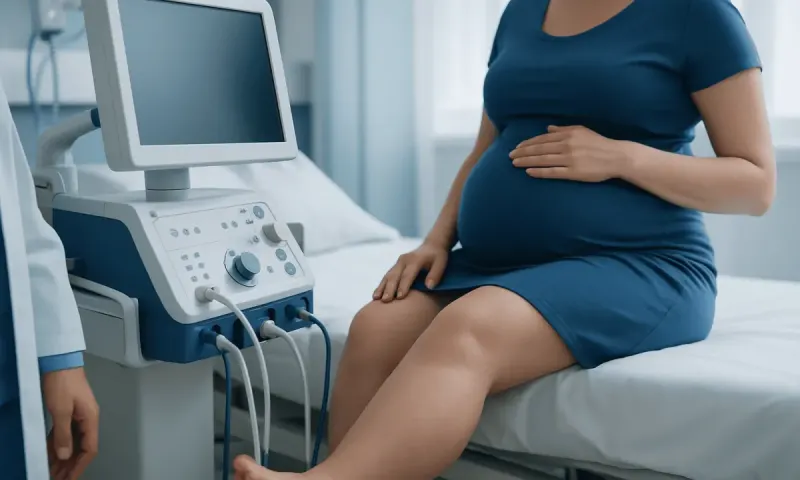
Pregnant Two Weeks After Vasectomy Reversal?
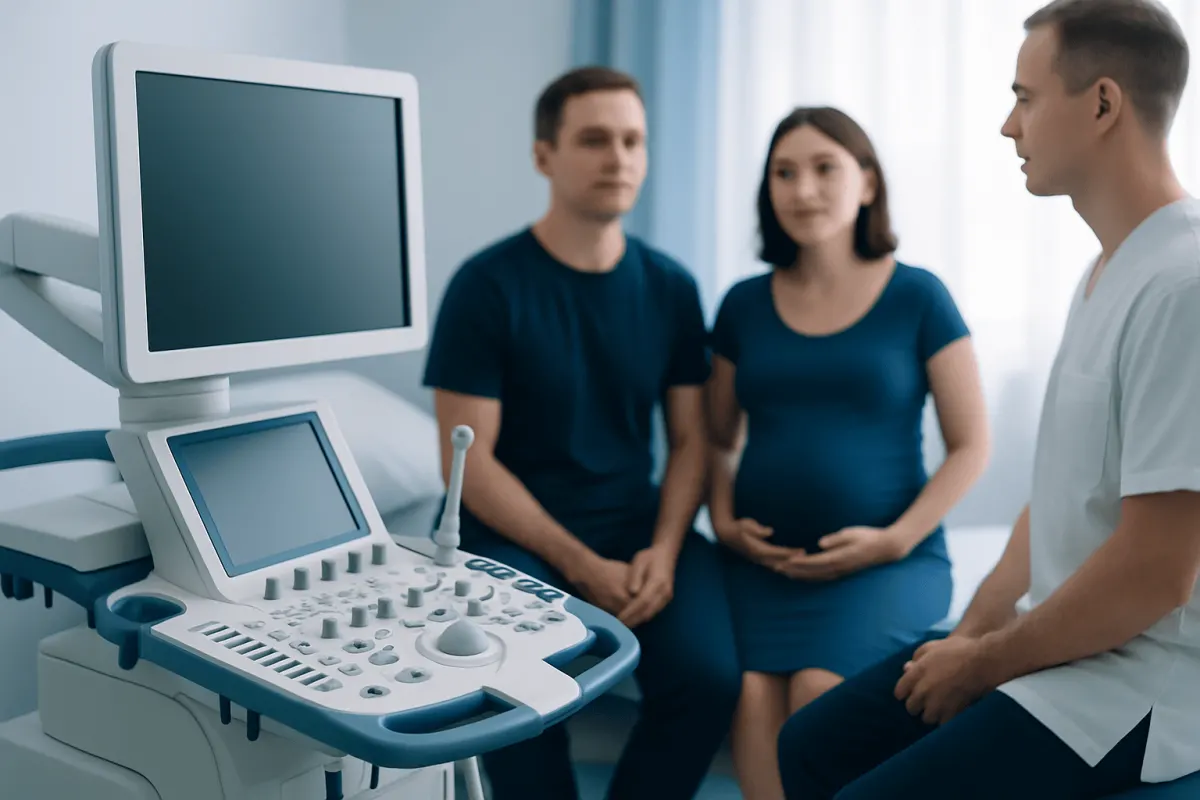
Pregnancy 2 weeks after a vasectomy reversal is biologically possible if sperm return to the semen quickly and ovulation occurs at the right time, but it is uncommon. Healing, sperm return and pregnancy timing vary, so follow-up semen testing and guidance from a fertility specialist are important.
Can someone be pregnant 2 weeks after a vasectomy reversal?
Pregnant 2 weeks after vasectomy reversal is possible, but it is not the usual pattern. A reversal can restore a pathway for sperm to enter the semen soon after surgery in some men. If intercourse takes place after the surgeon has cleared it, sperm are present, and the partner ovulates at that time, fertilization can occur. A positive pregnancy test only two weeks later may reflect conception around the time of ovulation, since pregnancy tests detect the hormone produced after implantation.
However, most couples do not conceive immediately. The repaired tubes need time to heal, sperm numbers and movement may take months to stabilize, and fertility is influenced by both partners. If pregnancy is suspected, a home pregnancy test after a missed period and confirmation with a clinician are appropriate. Until the surgical team advises that intercourse can resume, avoiding ejaculation helps protect the repair.
A vasectomy reversal should be viewed as a fertility-restoring procedure rather than an immediate guarantee of pregnancy. The most useful early follow-up test is a semen analysis, which checks whether sperm have returned and provides information about their concentration and movement.
How vasectomy reversal works and who may be a candidate
During a vasectomy, each vas deferens is cut or blocked to prevent sperm from mixing with semen. A vasectomy reversal reconnects these tubes using microsurgical techniques. The goal is to restore the passage of sperm from the testicles to the ejaculate, making natural conception possible again.
The surgeon may perform a vasovasostomy, which reconnects the two cut ends of the vas deferens. If there is a blockage closer to the testicle, a more complex procedure called a vasoepididymostomy may be needed to connect the vas deferens to the epididymis. The choice is often made during surgery based on microscopic assessment of fluid from the vas deferens.
Potential candidates usually want future biological children after a previous vasectomy. Assessment commonly considers the time since vasectomy, prior fertility, medical history, examination findings and the fertility history of the partner. Because pregnancy is a couple-based outcome, evaluation of the female partner may be particularly helpful when there are concerns about ovulation, tubal health, age-related fertility changes or previous difficulty conceiving.
Men considering surgery may discuss vasectomy reversal treatment with a urologist or reproductive specialist. Alternatives such as sperm retrieval with assisted reproductive techniques may also be discussed when appropriate.
What happens during the procedure?
Vasectomy reversal is generally performed by a urologist with microsurgical training. It may be done under general anesthesia or another anesthetic approach selected by the surgical and anesthesia teams. The procedure is typically carried out through small incisions in the scrotum.
After locating the vas deferens, the surgeon removes scarred tissue at the former vasectomy site and checks for sperm or sperm fragments in the fluid. Fine sutures and magnification are used to create a precise, tension-free reconnection. If the findings suggest a secondary blockage, the surgeon may instead perform a vasoepididymostomy.
The operation can take several hours, especially when both sides require complex reconstruction. Most patients go home the same day, although the exact plan depends on the procedure, anesthesia recovery and individual health needs. Before discharge, the team provides instructions for pain control, wound care, activity limits and follow-up appointments.
Although reversal can restore sperm flow, it cannot correct every cause of infertility. For example, reduced sperm production, an untreated female-factor fertility issue or a new blockage after surgery can affect the chance of conception.
How long does a vasectomy reversal take to heal?
Initial healing after vasectomy reversal commonly takes about two to four weeks, but internal healing of the delicate reconnection continues for longer. Mild scrotal swelling, bruising, tenderness and fatigue are expected in the early days for many patients. These symptoms should gradually improve rather than become more severe.
Patients are usually advised to rest, wear supportive underwear and avoid heavy lifting, strenuous exercise and sexual activity for a period set by their surgeon. The exact restrictions vary according to the type of repair and the individual recovery. Returning too soon to activities that increase pressure or movement in the scrotum may place strain on healing tissues.
Many people can resume desk-based work within several days to about a week, depending on comfort and the nature of their work. Physically demanding work may require more time away. The surgical team should provide individualized guidance about driving, bathing, exercise and when ejaculation is safe.
Healing of the incision does not necessarily mean fertility has fully returned. Follow-up semen analysis is usually scheduled weeks to months after surgery and may be repeated because sperm counts can change during recovery.
How soon after vasectomy reversal can you get pregnant?
Pregnancy can occur as soon as sperm are again present in the semen and intercourse happens during the fertile window. In some cases, sperm are seen on semen analysis within several weeks. For many couples, though, it takes several months before sperm counts and movement become sufficient for conception, and some couples take a year or longer.
There is no single timeline because pregnancy depends on several factors. These include the interval since the vasectomy, whether a vasovasostomy or vasoepididymostomy was required, the presence and quality of sperm after surgery, and the age and reproductive health of the partner. Regular semen analyses provide more useful information than symptoms alone about whether the repair is functioning.
Once the surgeon has confirmed that sexual activity can resume, couples trying to conceive may time intercourse around ovulation. A clinician can advise on cycle tracking if needed. If pregnancy has not occurred after an appropriate period of trying, or if semen tests show low or absent sperm, a fertility assessment can help clarify next steps.
For people who need additional support, fertility care may include testing for both partners and discussion of options such as in vitro fertilization (IVF) treatment. The suitable approach depends on the couple’s medical circumstances and goals.
What are the chances of getting pregnant 2 weeks after a vasectomy?
If this question refers to two weeks after a vasectomy reversal, pregnancy is possible but uncommon. A successful reversal may allow sperm to reappear early, yet many men do not have adequate sperm in the semen at two weeks. In addition, couples are generally asked to avoid intercourse and ejaculation during the first postoperative period to protect the surgical repair.
If it refers to two weeks after an original vasectomy, pregnancy can still occur because a vasectomy is not immediately effective. Sperm may remain beyond the surgical site for weeks or longer. Another form of contraception should be used until a follow-up semen test confirms that there are no sperm or only the level considered safe under the treating clinician’s guidance.
Pregnancy chances after a reversal are not determined by surgery alone. Patency, meaning the return of sperm to semen, is different from a live-birth outcome. Both may be affected by time since vasectomy, surgical findings, postoperative scarring, semen quality and female partner factors.
Anyone with concern about a possible pregnancy should take a pregnancy test at the appropriate time and contact a healthcare professional for advice. If avoiding pregnancy is important after either procedure, reliable contraception should be continued until the treating team confirms the individual plan.
Benefits, risks and follow-up after reversal
The main potential benefit of vasectomy reversal is the opportunity to pursue pregnancy through intercourse without requiring sperm retrieval for every attempt. It may also allow sperm to be available for freezing if this is desired and clinically appropriate. The procedure does not prevent future fertility treatment if it is later needed.
As with any operation, risks include bleeding, infection, pain, swelling, bruising, anesthesia-related complications and wound problems. There is also a possibility that the tubes will not remain open, that a blockage will develop later, or that sperm return but pregnancy does not occur. Rarely, fluid collection or prolonged discomfort may develop.
Follow-up appointments allow the surgeon to examine healing and arrange semen analysis. Patients should attend these visits even if they feel well, because sperm testing is central to evaluating the result. A clinician may recommend repeat testing over time, particularly when sperm first appear in low numbers or with reduced movement.
Acıbadem Health Point’s multidisciplinary specialists and JCI-accredited hospitals provide assessment and treatment planning for international patients considering vasectomy reversal and fertility care.
When to seek medical care
Contact the surgical team promptly if pain, swelling or redness is worsening rather than improving; if there is fever, chills, drainage from the incision, heavy bleeding, difficulty urinating or a rapidly enlarging scrotum. These symptoms do not always indicate a serious problem, but they need timely clinical assessment.
Urgent medical care is appropriate for severe scrotal pain, fainting, trouble breathing, chest pain or signs of a serious allergic reaction after anesthesia or medication. Patients should follow the postoperative contact instructions provided by their surgical team, including advice for out-of-hours concerns.
A fertility consultation is also reasonable if semen tests do not show sperm as expected, if pregnancy has not occurred after a period advised by the clinician, or if either partner has known fertility concerns. Early assessment can help identify treatable factors and support informed choices about next steps.
Frequently asked questions
01Is it possible to get pregnant 2 weeks after a vasectomy reversal?
It is possible, but uncommon. Sperm may return to the semen relatively quickly in some men, but most couples need more time for recovery, semen quality to improve and conception to occur. Sexual activity should only resume when the surgeon says it is safe.
02How long does a vasectomy reversal take to heal?
Early physical recovery often takes about two to four weeks, although healing continues internally for longer. The surgeon may restrict strenuous exercise, heavy lifting and ejaculation during the first part of recovery. Individual timelines vary with the type of repair and the person's health.
03How soon after vasectomy reversal can you get pregnant?
Pregnancy may be possible within weeks if sperm return promptly, but it commonly takes several months or longer. Semen analyses are used to monitor the return of sperm and assess semen quality. Partner age, ovulation and reproductive health also influence timing.
04What are the chances of getting pregnant 2 weeks after a vasectomy?
After an original vasectomy, pregnancy remains possible at two weeks because sperm can still be present in the reproductive tract. Backup contraception should be used until a semen test confirms that the vasectomy is effective. After a reversal, pregnancy at two weeks is possible but generally not expected.
05When can intercourse resume after vasectomy reversal?
The timing should be set by the operating surgeon, as it depends on the repair and healing progress. Many surgeons recommend avoiding intercourse and ejaculation for a period of weeks to protect the reconnection. Patients should not rely on a general timeline in place of their own postoperative instructions.
06Does sperm return immediately after vasectomy reversal?
Not always. Some men have sperm in their semen within weeks, while others need several months, particularly after a more complex vasoepididymostomy. Semen testing, rather than symptoms, shows whether sperm have returned.
This article is for general information only and is not a substitute for professional medical advice. Please consult a qualified doctor about your individual situation.
IVF & fertility treatment in Turkey — success rates and costs
JCI-accredited · board-certified surgeons · reply within 24h
Add us as a Preferred Source to see more of our trusted health content across Google Search, AI Overviews and Discover.