Pregnancy Test Pictures Positive: Purpose, Procedure and Results

Key Takeaways
- A true positive pregnancy test usually indicates hCG is present, which commonly means pregnancy.
- Test timing, reading windows, and instructions all affect how reliable the result is.
- Evaporation lines, expired tests, and some medical conditions can cause confusing results.
- A blood test and medical evaluation can confirm the result and guide the next steps.
- Seek medical advice promptly if there is pain, heavy bleeding, or uncertainty about the test result.
A pregnancy test picture that appears positive usually means the test has detected hCG, a hormone made after pregnancy begins. This article explains how to read the result, why false positives or unclear lines can happen, and what to do next.
Overview
When someone searches for pregnancy test pictures positive, they are usually trying to understand what a line, plus sign, or digital message really means. In most cases, a clearly positive home pregnancy test suggests that human chorionic gonadotropin, or hCG, has been detected in urine, and pregnancy is the most common reason.
Even so, a picture alone does not always tell the whole story. Lighting, timing, the brand of test, and how the result was read can all change what appears on the device. That is why the safest way to interpret a positive image is to compare it with the instructions that came with that specific test and, when needed, confirm the result with a doctor.
For many people, seeing a positive result brings relief, surprise, or a mix of both. The next step is usually not panic or guesswork, but a calm confirmation process: repeat testing if advised, arrange medical follow-up, and review what the result means for the person’s health and plans.
How Pregnancy Tests Work
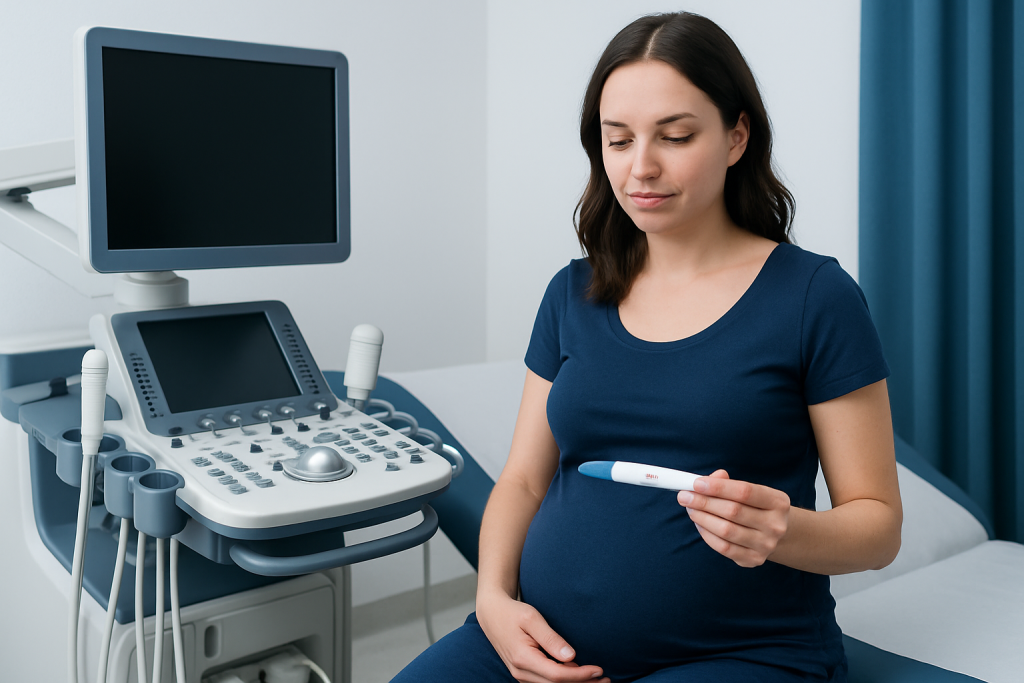
Home pregnancy tests are designed to detect hCG, a hormone the body begins producing after a fertilized egg implants in the uterus. Urine tests use antibodies that react to hCG and create a visible change, such as a second line, a plus sign, or a digital word like “pregnant.”
The test is meant to be read within a specific time window. If the result is checked too early or too late, the picture can become misleading. A faint line may still be meaningful if it appears within the reading time, but a line that appears after the allowed window may not count as a true positive.
Different brands format results differently, so a “positive picture” does not look the same for every product. Some tests use one control line and one test line, while others display symbols. For that reason, the instructions are essential, even when the result seems obvious at first glance.
What Positive Pictures Usually Look Like

Positive pregnancy test pictures commonly show a second line, a colored plus sign, or a digital confirmation. In many tests, any visible test line within the instructed time frame is considered positive, even if it is faint. The shade of the line is less important than whether it appears correctly and on time.
A true positive typically has a clear control marker showing the test functioned properly, along with a result marker indicating hCG detection. If the control marker is missing, the test may be invalid rather than positive or negative. That is why a photo shared online, or a memory of what the test looked like, can be helpful but should not replace the product guide.
It can also help to know that light and camera angle can make a faint line look stronger or weaker in a picture. A person reviewing a photo should compare it with the actual device under normal lighting. When there is doubt, repeating the test after the recommended interval or obtaining a blood test can bring clarity.
False Positives, Evaporation Lines, and Other Confusing Results
Not every picture that appears positive means pregnancy is definitely present. A false positive is uncommon, but it can happen. Some tests may be affected by user error, reading the result too late, or using an expired or damaged test.
Evaporation lines are another source of confusion. These are faint marks that can appear after urine dries, often outside the reading window. They are not the same as a true test line, but they may look similar in a photo, especially if the image was taken later or under poor lighting.
Other factors can also interfere with interpretation. Recent pregnancy loss, fertility medications that contain hCG, certain medical conditions, and rare laboratory issues may sometimes lead to a positive result that does not match expectations. Because of this, a positive picture should be treated as a signal to confirm, not as the final word in every situation.
When and How to Test for the Most Reliable Result
Testing too early is one of the most common reasons for uncertainty. hCG levels rise after implantation, so a test taken before enough hormone is present may show a negative or very faint result. Many people get clearer answers after a missed period, although timing can vary with cycle length and ovulation.
For better reliability, urine tests are often done with first-morning urine, when hCG concentration may be higher. Following the package directions exactly matters: how long to dip or hold the test, where to place it, how long to wait, and when to read the result all affect accuracy.
Simple habits can improve clarity:
- Check the expiration date before use.
- Read the result only during the recommended time window.
- Use a clean, dry surface and good lighting.
- Repeat testing after 48 hours if the result is unclear and instructions allow it.
If a person is traveling, changing time zones, or managing stress around a possible pregnancy, it may help to plan a retest rather than rushing to judge a borderline picture. A measured approach usually gives a more dependable answer.
Confirming the Result at a Clinic
A clinic visit can confirm whether a home test is truly positive. Healthcare professionals may order a blood hCG test, which can detect pregnancy earlier and measure hormone levels more precisely than a urine test. They may also repeat testing if the first result is uncertain.
Confirmation is especially important when the result does not match symptoms or when there is a history of ectopic pregnancy, irregular cycles, fertility treatment, or recent pregnancy loss. In some cases, ultrasound may be used later to verify the pregnancy location and development, depending on timing.
For Myomectomy Recovery for International Patients: The Usual Travel Timeline" class="ahp-ilk">international patients, it can be helpful to bring the test box or a photo of the result to the appointment. That allows the clinician to see the brand, the format, and the timing details, which can all influence interpretation. A clear review of the actual test is often more useful than describing it from memory.
What to Do After a Positive Test
After a positive result, the next step is usually to contact a doctor or midwife for guidance. They can confirm the pregnancy, estimate how far along it may be, review medicines or conditions that need attention, and explain what happens next. If the pregnancy is desired, early prenatal planning is often started soon after confirmation.
If the result is unexpected, the person still deserves calm, accurate information and time to think. A clinician can discuss options, answer questions, and explain what follow-up is needed. Support from a trusted health professional can make the process feel more manageable.
It is also wise to review current medicines, supplements, alcohol use, smoking, and chronic conditions with a clinician. Some treatments may need adjustment in pregnancy, while others can continue safely under supervision. A positive test is not a diagnosis of perfect health or an emergency by itself, but it is a reason to check in promptly.
When to See a Doctor
A doctor should be consulted whenever a pregnancy test picture is positive and the person wants confirmation, guidance, or next-step planning. Medical review is also important if the result is faint, inconsistent, or difficult to interpret, especially when periods are irregular or fertility treatment has been used.
Urgent medical attention is needed if a positive test is accompanied by severe one-sided pain, heavy bleeding, fainting, shoulder pain, or intense dizziness. These symptoms may signal an ectopic pregnancy or another urgent condition that should not wait for a routine appointment.
Acibadem Health Point’s multidisciplinary specialists and JCI-accredited hospitals diagnose and treat pregnancy-related concerns for international patients, including confirmation of early pregnancy when needed. A careful, supportive evaluation can help a person move from uncertainty to a clear plan.
Frequently asked questions
01What does a positive pregnancy test picture usually mean?
A positive picture usually means the test detected hCG, the hormone commonly associated with pregnancy. The exact meaning still depends on the test brand, the timing, and whether the result was read within the correct window.
02Can a faint line still be positive?
Yes, a faint line can still be positive if it appears within the time stated in the instructions. The line should be compared with the product guide, and repeating the test or getting a blood test may help if the result is unclear.
03What is an evaporation line?
An evaporation line is a faint mark that can show up after the test has dried, usually outside the official reading time. It can resemble a positive line in a photo, which is why timing is so important.
04How soon after a missed period should a test be taken?
Many people test after a missed period because the result is often easier to interpret then. Some tests can detect pregnancy earlier, but taking the test too soon may lead to a negative or very faint result.
05Can a positive test happen without pregnancy?
It can happen in some situations, although it is less common. Fertility medications containing hCG, recent pregnancy loss, and a few medical conditions can sometimes cause a positive result that needs confirmation.
06What should someone do after seeing a positive result?
They should contact a healthcare professional to confirm the result and discuss next steps. If there is severe pain, heavy bleeding, fainting, or strong dizziness, urgent medical care is needed.
This article is for general information only and is not a substitute for professional medical advice. Please consult a qualified doctor about your individual situation.
Explore treatments in Turkey — costs, top hospitals & a free quote
JCI-accredited · board-certified surgeons · reply within 24h
Add us as a Preferred Source to see more of our trusted health content across Google Search, AI Overviews and Discover.