Power Walking for Fitness, Heart Health, and Mood
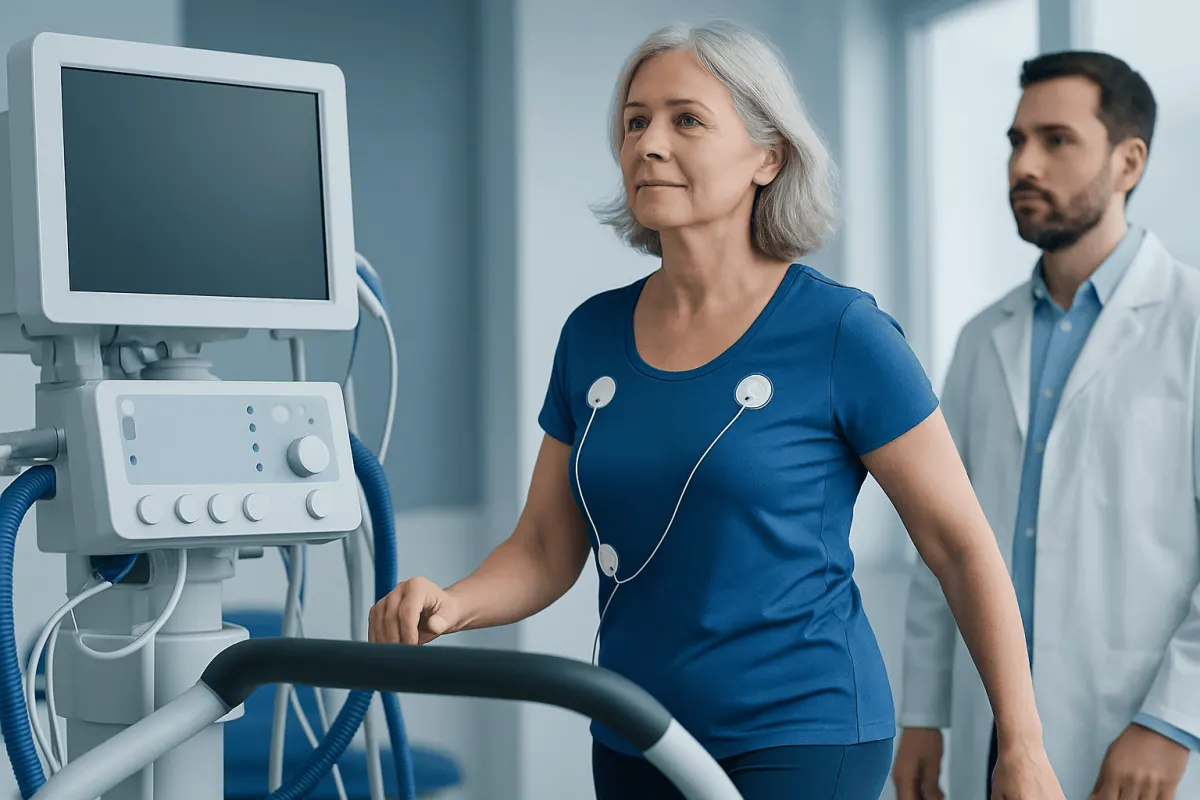
Power walk is a purposeful, faster-paced form of walking that raises breathing and heart rate while remaining lower impact than running. When done with appropriate technique and progressed gradually, it can support cardiovascular fitness, strength, mood and long-term health.
What Is Power Walking?
A power walk is a brisk, purposeful style of walking performed at an intensity that noticeably increases breathing and heart rate. It does not require running, special equipment or exaggerated movements. The aim is to move efficiently: maintaining upright posture, taking naturally quick steps and using the arms in a relaxed, coordinated way.
For many people, power walking falls within moderate-intensity aerobic activity. A practical guide is the talk test: during a suitable brisk pace, a person can usually speak in short sentences but cannot comfortably sing. The exact speed varies with age, fitness, terrain, health conditions and medication use, so there is no single pace that defines power walking for everyone.
Power walking is different from race walking, a competitive sport with formal rules about contact with the ground and leg position. It is also different from an all-out walk that causes pain, dizziness or extreme exhaustion. A sustainable pace that can be repeated regularly is generally more valuable than occasional very hard efforts.
What Medical Evidence Suggests About Its Benefits
Brisk walking contributes to the aerobic physical activity recommended for adults by major public-health organizations. Regular moderate-intensity activity supports cardiovascular fitness and can help lower the risk of several chronic health problems when combined with other healthy habits. It may also improve stamina for daily activities such as climbing stairs, shopping or keeping up with family.
Because walking uses large muscle groups repeatedly, it can support healthy circulation, blood pressure management, blood sugar regulation and weight management. Its effect on body weight differs from person to person and depends on food intake, total activity, sleep, medical conditions and other factors. Power walking should therefore be viewed as one useful component of an overall health plan, not a stand-alone cure for weight concerns.
Walking outdoors or with a companion may also support mental well-being. Physical activity can reduce stress and improve sleep quality for some people, while regular routines can provide structure and social connection. These benefits do not replace professional mental health care when someone is experiencing persistent low mood, anxiety or other distressing symptoms.
Power walking is lower impact than running because one foot remains in contact with the ground. However, lower impact does not mean no impact: feet, ankles, knees, hips and the lower back still experience repetitive loading. Appropriate progression and supportive shoes remain important.
How to Power Walk With Efficient Form

Efficient technique is usually comfortable rather than dramatic. A person can stand tall with the head level, eyes looking ahead and shoulders relaxed. The chest should feel open without forcing the lower back into an exaggerated arch. Keeping the abdominal muscles gently engaged may help maintain a stable, natural posture.
Steps should be relatively quick but not artificially long. Overstriding, or reaching far forward with the foot, can make walking less efficient and may increase discomfort in the shins, hips or knees. It is generally better to let the foot land close to the body, roll smoothly through the step and push off naturally through the back foot.
The arms can swing forward and back close to the body with elbows bent comfortably. Arm movement should feel rhythmic, not tense; clenched fists and raised shoulders waste energy. On hills, shortening the stride and slightly reducing pace can help maintain control and reduce strain.
- Warm up with 5 to 10 minutes of easy walking.
- Build speed gradually until breathing is noticeably faster.
- Choose stable, well-lit routes and footwear that fits comfortably.
- Finish with a few minutes of slower walking before stopping.
Finding a Safe Starting Point and Building a Routine
A safe starting point depends on current activity level. Someone who has been inactive may begin with short, easy walks and add brief brisk intervals. For example, a person might alternate a few minutes at a comfortable pace with one or two minutes at a faster pace, then gradually increase the brisk portions over several weeks.
Adults are commonly encouraged to work toward at least 150 minutes of moderate-intensity aerobic activity each week, alongside muscle-strengthening activities on two or more days when appropriate. These minutes can be divided into manageable sessions. A 10- or 15-minute power walk can still be meaningful, especially when it helps establish a consistent routine.
Progress should be gradual. Increasing duration before speed is often a practical approach, followed by modest changes in route, hills or pace. Rest days and easier sessions are useful, particularly after an unusual increase in activity. Persistent soreness, worsening pain or fatigue that does not improve with rest is a reason to reduce training and seek clinical advice.
People with diabetes, heart disease, lung disease, arthritis, balance difficulties or a history of falls may still benefit from walking, but may need individualized guidance. A clinician or physiotherapist can help adapt intensity, terrain and supportive equipment to the person’s needs. For joint symptoms, an evaluation through physical therapy and rehabilitation may help identify safer ways to stay active.
Common Myths About Power Walking
Myth: It only counts if it is very fast. The health value of walking is not limited to one speed. A pace that is moderate for one person may be vigorous for another. Consistency, adequate challenge and safe progression matter more than matching someone else’s pace or distance.
Myth: Sweating is necessary for a useful workout. Sweat is mainly a cooling response and is affected by weather, clothing, hydration and individual physiology. A person may gain fitness benefits without heavy sweating. Breathing effort, perceived exertion and the ability to sustain the activity are more useful indicators of intensity.
Myth: Walking cannot improve fitness. Regular brisk walking can improve aerobic capacity, particularly for people starting from a low activity level. As fitness improves, adding hills, intervals or longer routes can maintain a suitable challenge without needing to run.
Myth: Pain should be pushed through. Mild, temporary muscle tiredness after a new activity can occur, but sharp pain, joint swelling, limping, numbness or pain that worsens during a walk should not be ignored. Rest and appropriate assessment are safer than trying to overcome significant symptoms.
Prevention and Self-Care for Walking Discomfort
Preparation can make power walking more comfortable. Shoes should feel stable, have enough room for the toes and be appropriate for the walking surface. There is no single “best” shoe for every person, but worn-out footwear, shoes that rub or poorly fitting socks may contribute to blisters and foot discomfort.
Hydration needs depend on weather, duration and individual health. For most routine walks, drinking fluids according to thirst and starting well hydrated is reasonable. In hot weather, plan cooler times of day, use sun protection and reduce intensity if needed. People who have been given fluid restrictions by a clinician should follow their individual care plan.
Cross-training can help distribute physical load. Gentle strength exercises for the legs, hips and core, as well as flexibility and balance work, may improve comfort and confidence. If knee, hip or back pain repeatedly limits walking, a clinician can assess possible causes and recommend an appropriate plan rather than assuming that walking itself is always the problem.
For people with known cardiovascular risk factors, regular check-ups can help guide preventive care. Healthy movement, balanced eating, sleep, avoiding tobacco and following prescribed treatment all contribute to overall heart health. Walking is supportive, but it should not replace medication or follow-up recommended for conditions such as hypertension.
When to Seek Medical Care
Medical review is advisable before starting a more demanding walking program for people with known heart or lung disease, uncontrolled blood pressure, diabetes-related foot problems, severe arthritis, recent surgery, significant balance problems or symptoms that occur with exertion. A clinician can suggest a safe starting intensity and identify whether further testing or rehabilitation is appropriate.
Urgent medical attention is needed for chest pressure or pain, fainting, severe or unusual shortness of breath, a new irregular heartbeat sensation accompanied by weakness or dizziness, or sudden weakness or numbness. These symptoms should not be attributed to exercise without assessment. Emergency services should be contacted according to local guidance if symptoms are severe, persistent or worsening.
A prompt appointment is also appropriate for calf swelling, redness or warmth; leg pain that begins predictably with walking and improves with rest; repeated falls; or foot wounds that are slow to heal. These may have causes beyond ordinary exercise soreness and deserve professional evaluation.
Acıbadem Health Point’s multidisciplinary specialists and JCI-accredited hospitals support international patients who need assessment and individualized care for exercise-related symptoms, cardiovascular concerns or mobility limitations.
Frequently asked questions
01Is power walking better than regular walking?
Power walking is not automatically better, but its brisker intensity may provide greater aerobic challenge in less time than an easy stroll. Regular walking at any comfortable pace is still beneficial, especially for people who are beginning to be more active. The best choice is one that is safe, enjoyable and sustainable.
02How fast should a power walk be?
There is no universal speed because fitness, height, terrain and health status differ. A useful target is a pace that makes breathing faster while still allowing short sentences. If a person cannot speak at all, the intensity may be too high for a routine moderate walk.
03Can power walking help with weight loss?
Power walking increases energy use and can support weight management as part of a consistent lifestyle plan. Weight changes also depend on nutrition, total daily movement, sleep, medications and medical factors. A healthcare professional can offer individualized guidance when weight concerns are significant.
04Is it okay to power walk every day?
Many people can walk daily if the duration and intensity are appropriate for their conditioning. Beginners may benefit from alternating easier and brisker days while their muscles and joints adapt. Rest or reduced activity is sensible when pain, excessive fatigue or illness develops.
05Should the arms move during power walking?
Yes, a relaxed arm swing can support rhythm and balance. The elbows may be bent comfortably, with hands loose and shoulders relaxed. Forceful pumping or tensing the upper body is unnecessary and may lead to discomfort.
06Can people with knee pain power walk?
It depends on the cause and severity of the knee pain. Mild symptoms may improve with reduced distance, flatter terrain, appropriate footwear and gradual progression, but persistent, swollen, unstable or worsening knees should be assessed by a clinician. An individualized plan can help a person remain active while protecting the joint.
This article is for general information only and is not a substitute for professional medical advice. Please consult a qualified doctor about your individual situation.
Joint and spine care in Turkey — expert assessment & treatment
JCI-accredited · board-certified surgeons · reply within 24h
Add us as a Preferred Source to see more of our trusted health content across Google Search, AI Overviews and Discover.