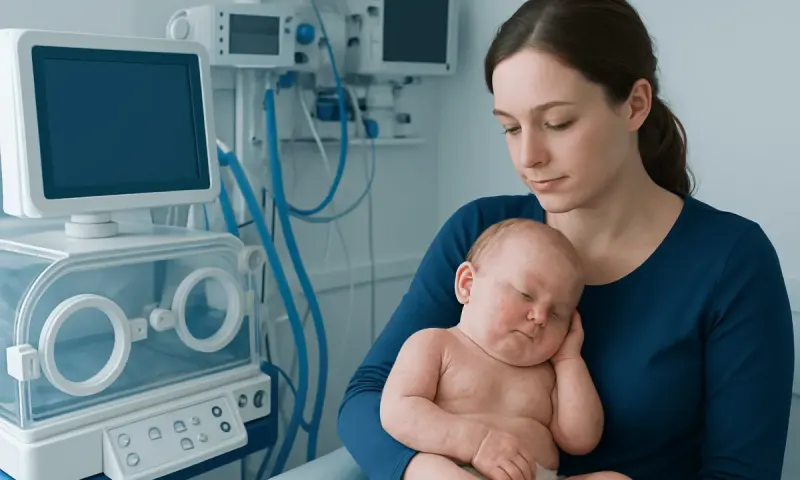
Postpartum Hives After Childbirth: Symptoms and Care
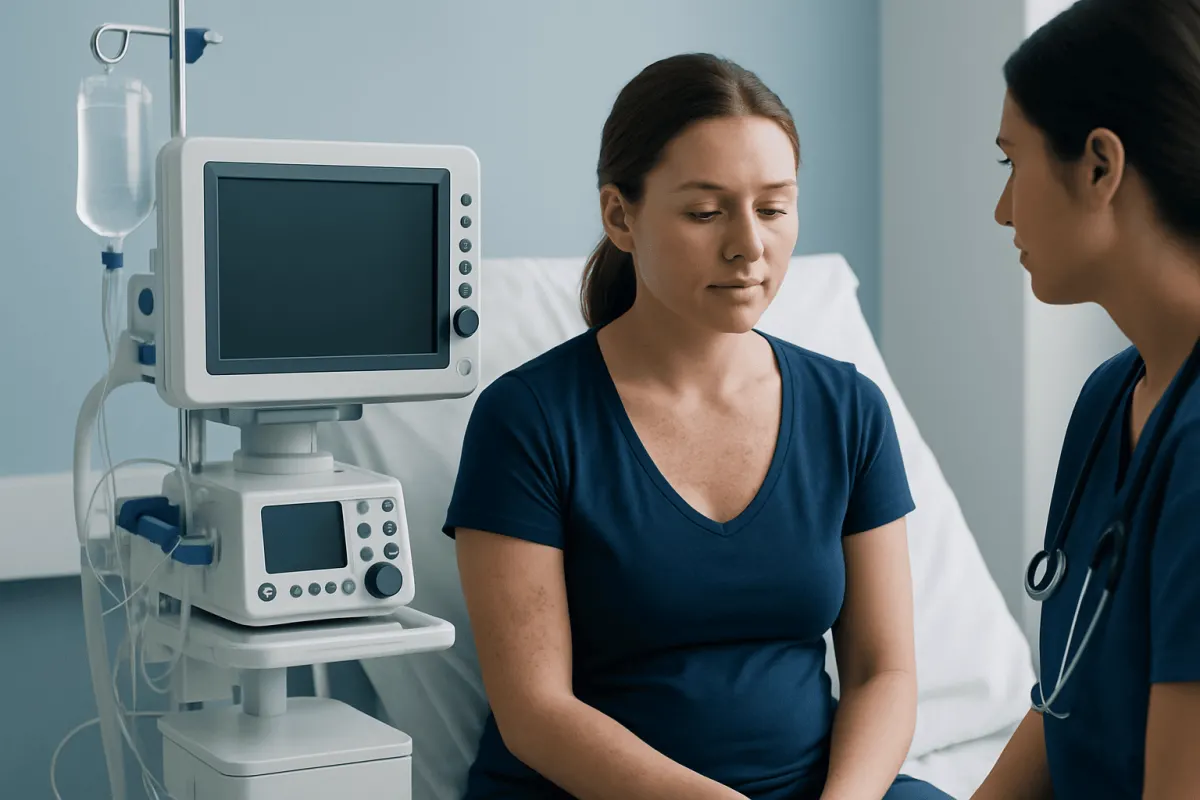
Postpartum hives are raised, itchy welts that develop after delivery and may come and go over hours or days. They are often linked to immune, hormonal, medication, or contact-related triggers, but new or severe symptoms should be assessed by a clinician to rule out other postpartum conditions.
Overview: What Are Postpartum Hives?
Postpartum hives are itchy, raised patches or bumps on the skin that appear after childbirth. Also called urticaria, hives can vary in size, join together into larger areas, and fade from one location while appearing in another. Individual welts commonly resolve within a day, although new ones may continue to develop for days or sometimes longer.
The period after birth involves major changes in hormones, immune activity, sleep, stress, medications, and skin exposures. These changes may make hives more likely in some people, but they do not always reveal one clear cause. Most episodes are not dangerous, yet it is important not to assume every postpartum rash is hives.
A medical assessment is especially useful when the rash is new, extensive, recurring, or accompanied by other symptoms. A clinician can distinguish ordinary hives from pregnancy-related eruptions that persist after delivery, medication reactions, infection-related rashes, eczema, or other skin conditions.
How Postpartum Hives May Look and Feel
Hives typically cause intensely itchy, smooth, raised welts. They may be pink, red, skin-colored, or more difficult to see on darker skin tones; in all skin tones, the area may feel warm, swollen, or itchy. The shape may be round, oval, ring-like, or irregular.
A helpful feature is that hives are temporary in one exact spot. A welt may disappear within minutes to hours and then develop elsewhere. Scratching, pressure from clothing, a hot shower, emotional stress, or exercise can make itching and redness more noticeable.
Some people develop deeper swelling called angioedema, often around the eyelids, lips, hands, feet, or genital area. Mild swelling still deserves prompt clinical advice in the postpartum period. Swelling of the tongue or throat, trouble breathing, wheezing, dizziness, or fainting can signal a severe allergic reaction and requires emergency care.
- Welts that remain fixed in the same place for more than 24 hours are less typical of simple hives.
- Painful lesions, blisters, skin peeling, fever, or purple or bruise-like marks need timely medical evaluation.
- A rash confined to abdominal stretch marks or beginning late in pregnancy may have a different cause and should be assessed accordingly.
Why Hives Can Develop After Giving Birth

Hives happen when mast cells in the skin release histamine and other inflammatory substances. This causes small blood vessels to leak fluid into the skin, leading to raised, itchy welts. After childbirth, shifting hormone levels and the immune system’s transition after pregnancy may contribute to this reaction in some individuals.
Common potential triggers include pain medicines, antibiotics, anti-inflammatory medicines, iron products, herbal supplements, or other new treatments used around labor and recovery. Reactions may also follow exposure to latex, adhesives, antiseptics, soaps, fragranced products, laundry products, or new clothing. A suspected medicine allergy should always be discussed with a clinician rather than tested by taking the medicine again.
Viral illnesses and other infections can trigger hives, as can heat, sweating, pressure, cold, stress, and lack of sleep. Foods may be involved in some cases, particularly when symptoms occur repeatedly soon after a specific food is eaten, but broad food restrictions are usually not necessary without a convincing pattern or professional advice.
Occasionally, hives persist for more than six weeks and are classified as chronic urticaria. Chronic hives are often not due to a classic allergy, and an allergy or dermatology clinician can help guide further evaluation. Related information may be helpful for patients managing urticaria.
How Clinicians Assess a Postpartum Rash
Diagnosis of hives is usually based on the appearance and behavior of the rash, along with a careful history. The clinician may ask when symptoms began, how long individual marks last, whether swelling is present, and whether there were recent medicines, infections, foods, products, or environmental exposures.
Photographs can be very useful because welts may fade before an appointment. Patients can note the timing of symptoms, any new medicines or supplements, what they ate, illnesses, and factors such as heat or pressure. This record can help identify patterns without making unnecessary assumptions about the cause.
Blood tests or allergy testing are not routinely needed for a short-lived, typical episode of hives. Testing may be considered when symptoms are persistent, recurrent, associated with other concerning symptoms, or suggest a particular trigger. Clinicians will also consider other postpartum rashes, including conditions that need different treatment.
It is particularly important to mention if a rash began during pregnancy, involves the belly button area, includes blisters, or is accompanied by high blood pressure symptoms, severe headache, abdominal pain, fever, or feeling generally unwell. These details help the care team decide how urgently assessment is needed.
Treatment Options and Breastfeeding Considerations
Treatment is based on the severity of symptoms, possible triggers, overall health, and whether the person is breastfeeding. For uncomplicated hives, clinicians often consider a non-sedating antihistamine to reduce itching and wheals. The most suitable option should be confirmed with a doctor, obstetric clinician, pediatrician, or pharmacist, particularly while breastfeeding or when other medicines are being used.
Cool compresses, loose cotton clothing, and fragrance-free skin products may reduce discomfort. Avoiding overheating, hot baths, tight garments, and scratching can also help. A soothing moisturizer may be useful if the skin is dry, although moisturizers do not directly stop the underlying hive response.
If a medicine is suspected, the prescribing clinician should be contacted promptly for advice. It is important not to stop an essential prescribed medicine without medical guidance, except when emergency services advise otherwise during a severe reaction. A clinician may recommend changes in medication, additional treatment, or referral depending on the symptoms.
More extensive or persistent hives sometimes require prescription treatment and specialist input. Short courses of stronger anti-inflammatory medicines may be considered in selected situations, but these are not appropriate for every patient and require individualized medical assessment. Do not use someone else’s medication or rely on unproven remedies during postpartum recovery.
Comfort Measures and Reducing Possible Triggers
While waiting for medical advice or alongside a clinician-approved plan, simple measures can make postpartum hives easier to tolerate. Keeping rooms comfortably cool, applying a clean cool compress for short periods, and choosing soft, loose clothing can lessen itch and irritation. Nails kept short may reduce skin damage from scratching.
Using gentle, unscented soap and detergent may be reasonable if new products were introduced around delivery. It may also help to pause non-essential fragranced lotions, essential oils, or supplements until a clinician has reviewed the symptoms. This is a temporary, practical step rather than proof that a product caused the rash.
Rest and hydration support general postpartum recovery, although they do not cure hives. Because sleep disruption and stress can aggravate itching, accepting practical help with meals, infant care, or household tasks may be valuable. A person who is breastfeeding should continue to eat a varied diet unless a clinician identifies a specific reason to avoid something.
Keeping a brief symptom diary can be more useful than eliminating many foods or products at once. It should include the rash location, timing, duration, accompanying symptoms, and recent exposures. This information can support a focused discussion with a healthcare professional.
When to Seek Medical Care
Emergency medical care is needed for hives with difficulty breathing, wheezing, throat tightness, trouble swallowing, swelling of the tongue or throat, severe dizziness, confusion, or fainting. These symptoms can occur with anaphylaxis, a serious allergic reaction that requires immediate treatment. Calling local emergency services is safer than driving oneself.
Prompt same-day medical advice is appropriate for new facial swelling, a rapidly spreading rash, severe itch that disrupts sleep or infant care, fever, or a rash that starts after a new medicine. Contact the obstetric team or another qualified clinician if symptoms occur soon after hospital discharge, as postpartum care needs may be considered alongside the skin symptoms.
A non-urgent appointment is appropriate if hives last more than a few days, recur repeatedly, continue beyond six weeks, or leave painful, bruise-like, or fixed marks. A clinician can review likely causes and create a treatment plan that fits recovery and breastfeeding needs.
Acıbadem Health Point’s multidisciplinary specialists and JCI-accredited hospitals can assess skin and allergy-related concerns for international patients, including rashes arising during postpartum recovery.
Frequently asked questions
01Are postpartum hives common?
Itching and skin changes can occur during the postpartum period, but the exact cause of hives is not always identifiable. Immune and hormonal changes, medicines, infections, and contact exposures may all play a role. A clinician can help confirm whether a new rash is truly hives.
02How long do postpartum hives last?
An individual hive usually fades within 24 hours, often much sooner, although fresh welts can appear elsewhere. A short episode may settle over days. Hives that recur frequently or continue for more than six weeks should be medically reviewed.
03Can breastfeeding cause hives?
Breastfeeding itself is not usually considered a direct cause of hives. However, postpartum hormonal shifts, sweating, stress, sleep loss, new medications, and skin contact exposures may occur at the same time. A clinician can advise on safe symptom treatment while breastfeeding.
04What can a breastfeeding parent take for postpartum hives?
Some antihistamines may be suitable during breastfeeding, but the best choice depends on the individual’s medical history, infant age, other medicines, and symptoms. A doctor, obstetric clinician, pediatrician, or pharmacist should provide individualized advice. Avoid starting medicines or herbal products without checking first.
05Could postpartum hives be a reaction to medication received during labor?
Yes, hives can occur after exposure to medicines, including some medicines used during labor, delivery, or postpartum recovery. Symptoms may also have other causes, so it is important to report the timing and all medicines taken to a clinician. Urgent care is needed if hives occur with breathing problems or swelling of the mouth or throat.
06When are postpartum hives an emergency?
Seek emergency help for hives with breathing difficulty, wheezing, throat tightness, swelling of the tongue or throat, severe dizziness, or fainting. These may be signs of anaphylaxis. Rapidly worsening widespread symptoms also need immediate assessment.
This article is for general information only and is not a substitute for professional medical advice. Please consult a qualified doctor about your individual situation.
Explore treatments in Turkey — costs, top hospitals & a free quote
JCI-accredited · board-certified surgeons · reply within 24h
Add us as a Preferred Source to see more of our trusted health content across Google Search, AI Overviews and Discover.