

Posterior Pelvic Tilt: Causes, Symptoms and Treatment
- 8 min read
- Published November 28, 2026
Key Takeaways
- Posterior pelvic tilt describes a backward rotation of the pelvis that can affect posture and spinal alignment.
- Tight hamstrings, weak hip and trunk muscles, or movement habits may contribute to the pattern.
- Assessment usually includes posture observation, movement testing, and a review of symptoms and lifestyle factors.
- Treatment often focuses on exercise, mobility work, ergonomic changes, and addressing the underlying cause.
- Many people improve with consistent self-care, but persistent pain, numbness, or functional limits should be evaluated by a clinician.
Posterior pelvic tilt is a postural pattern in which the pelvis rotates backward, often changing the curve of the lower spine. It may be linked to muscle imbalance, prolonged sitting, or movement habits, and it can sometimes be improved with targeted exercise and guided care.
Overview
Posterior pelvic tilt is a way of standing, sitting, or moving in which the pelvis tips backward more than expected. In practical terms, the front of the pelvis rises and the back of the pelvis drops, which can flatten the natural curve of the lower spine.
This pattern is not a diagnosis on its own; it is a description of alignment. For some people, it is simply one of several posture habits. For others, it may be part of a broader musculoskeletal issue that affects comfort, walking, exercise, or recovery after an injury.
For international patients planning care, the helpful question is usually not whether the pelvis looks “perfect,” but whether the alignment pattern is contributing to pain, stiffness, or reduced function. That distinction guides whether simple self-management is enough or whether a rehabilitation specialist should be involved.
Symptoms

Posterior pelvic tilt does not always cause symptoms. Some people notice it only during a clinical exam or when comparing posture in a mirror. When it does become noticeable, the signs often involve the lower back, hips, or the way the person sits and stands.
Common experiences may include a flatter lower back, difficulty maintaining an upright posture for long periods, or tightness in the back of the thighs. Some people describe a feeling of stiffness when getting up after sitting, while others notice discomfort during exercise, bending, or prolonged desk work.
- Flattened appearance of the lower back
- Rounded or tucked-under sitting posture
- Hamstring tightness or reduced flexibility
- Low back discomfort or fatigue
- Reduced ease with standing tall for long periods
If symptoms include radiating pain, weakness, or changes in bladder or bowel control, the issue may be more than posture alone and deserves prompt medical attention.
Causes & Risk Factors

Posterior pelvic tilt usually develops from a mix of muscle balance, movement habits, and daily positioning. One common pattern is tightness in the hamstrings, gluteal muscles, or abdominal muscles combined with reduced mobility at the hips. In some people, the pelvis is held in a tucked position during sitting because of desk work, car travel, or long hours on soft furniture.
Weakness or poor coordination in the hip flexors, spinal extensors, or stabilizing muscles of the trunk may also contribute. People who train heavily without balanced mobility work, or those recovering from pain who unconsciously avoid certain movements, can develop the pattern over time.
Risk can be higher when someone has a sedentary routine, limited flexibility, poor ergonomic setup, previous back or hip pain, or a sport-specific movement style that repeatedly favors a tucked pelvis. In some cases, structural factors, previous injury, or congenital differences in the spine or hips influence alignment as well.
Diagnosis
Diagnosis begins with a careful history and physical examination. A clinician usually asks when the posture changes are noticed, whether pain is present, what daily activities aggravate symptoms, and whether there has been prior injury or surgery. The aim is to understand whether the pelvic position is a flexible movement habit or part of a broader mechanical problem.
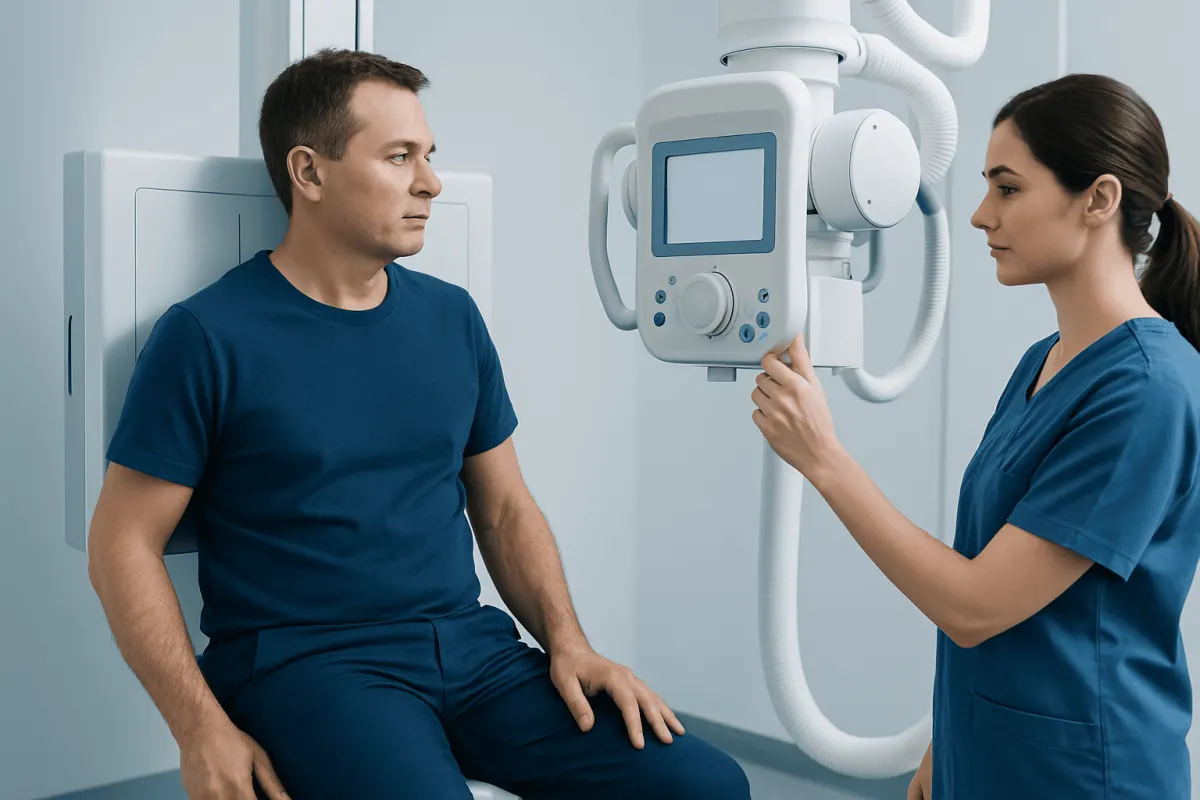
During the exam, the clinician may observe posture from different angles, check spinal curves, and assess hip and trunk mobility. Simple movement tests may help identify which muscles feel tight and which ones need strengthening. In many cases, no imaging is required if the pattern is clear and there are no warning signs.
Imaging studies may be considered if pain is persistent, symptoms suggest a structural condition, or the clinician needs to rule out another cause. For international patients who travel for evaluation, a rehabilitation or orthopedics visit often combines posture assessment with a practical home program so care can continue safely after returning home.
Treatment Options
Treatment depends on why the pelvis is tilting and whether symptoms are present. If the pattern is mild and not causing problems, education and movement changes may be enough. When pain, stiffness, or performance issues are involved, a structured rehabilitation plan is often the most useful approach.
Exercise therapy commonly focuses on improving hip mobility, strengthening the muscles that support upright posture, and restoring balanced movement. A clinician or physiotherapist may guide stretches for tight hamstrings or glutes, along with strengthening for the hip flexors, back extensors, and deep core muscles. The exact plan should be individualized, since the same posture can have different drivers in different people.
Other helpful measures may include ergonomic adjustments, activity modification, and gradual return to sport or exercise. Pain-relief medicines are sometimes used when appropriate, but they do not correct the alignment pattern by themselves. The long-term goal is usually better movement control, less strain, and more confidence in daily activities.
Prevention & Self-care
Self-care starts with noticing the positions that encourage the pelvis to tuck under. Long periods of slumped sitting, low chairs, or training without recovery breaks can reinforce the pattern. Small changes in daily routine often make a meaningful difference when they are repeated consistently.
People are often advised to alternate sitting and standing, use a chair that supports a more neutral pelvis, and include regular mobility breaks during the day. Gentle stretching, walking, and targeted strengthening may help, especially when guided by a clinician who can match the exercises to the individual’s movement pattern.
Useful habits may include:
- Taking short movement breaks during desk work or travel
- Practicing neutral sitting and standing posture
- Building balanced lower-body and core strength
- Progressing exercise gradually rather than forcing alignment
- Seeking guidance if self-directed stretching increases pain
For patients receiving care abroad, a written home program and follow-up plan are especially valuable. They make it easier to continue rehabilitation after the trip and reduce the chance of stopping exercises once symptoms begin to improve.
When to See a Doctor
Medical review is sensible when posterior pelvic tilt is linked with ongoing pain, repeated stiffness, reduced mobility, or trouble with work, sport, or daily activities. It is also worth seeking evaluation if posture changes appeared after an injury, pregnancy, surgery, or a new exercise program.
Prompt assessment is important if there is numbness, weakness, pain that travels down the leg, fever, unexplained weight loss, or any change in bladder or bowel control. These symptoms do not automatically mean a serious condition, but they should not be ignored.
A doctor, orthopedist, or rehabilitation specialist can help determine whether the issue is mainly postural or whether another condition is contributing. In some cases, Acibadem Health Point’s multidisciplinary specialists and JCI-accredited hospitals diagnose and treat posterior pelvic tilt for international patients, with coordinated care that supports both in-person treatment and follow-up planning.
Frequently asked questions
01Is posterior pelvic tilt the same as bad posture?
Not exactly. Posterior pelvic tilt is one specific alignment pattern, while “bad posture” is a broad, informal term. Some people have a posterior tilt without symptoms, and others develop pain or stiffness because of the way the pattern affects movement.
02Can posterior pelvic tilt be corrected?
In many cases, the posture can be improved, especially when muscle tightness, weakness, or sitting habits are the main contributors. The approach usually involves exercise, mobility work, and better movement habits rather than trying to force a perfect position.
03Does posterior pelvic tilt always cause back pain?
No. Some people with posterior pelvic tilt have no pain at all. When pain is present, it may come from muscle strain, reduced mobility, or another musculoskeletal issue that should be assessed separately.
04What kind of exercises help posterior pelvic tilt?
Exercises are usually chosen to improve hip mobility and strengthen the muscles that support a more neutral pelvis. A clinician may recommend targeted stretching and strengthening based on the person’s specific pattern, since one-size-fits-all plans are not ideal.
05Should imaging be done for posterior pelvic tilt?
Imaging is not always necessary. It is more often considered when symptoms are persistent, severe, or unusual, or when a clinician needs to rule out another cause of pain or movement change.
06Can sitting too much cause posterior pelvic tilt?
Prolonged sitting can contribute, especially if it encourages a tucked-under position for long periods. Regular movement breaks and better seating habits may help reduce that tendency.
This article is for general information only and is not a substitute for professional medical advice. Please consult a qualified doctor about your individual situation.
Persistent digestive symptoms? Get evaluated in Turkey
JCI-accredited · board-certified surgeons · reply within 24h
Add us as a Preferred Source to see more of our trusted health content across Google Search, AI Overviews and Discover.


How can we help you today?
Meet an Acibadem specialist by secure video, before you travel.
Book a video visit