Post Laminectomy Syndrome: Pain After Back Surgery
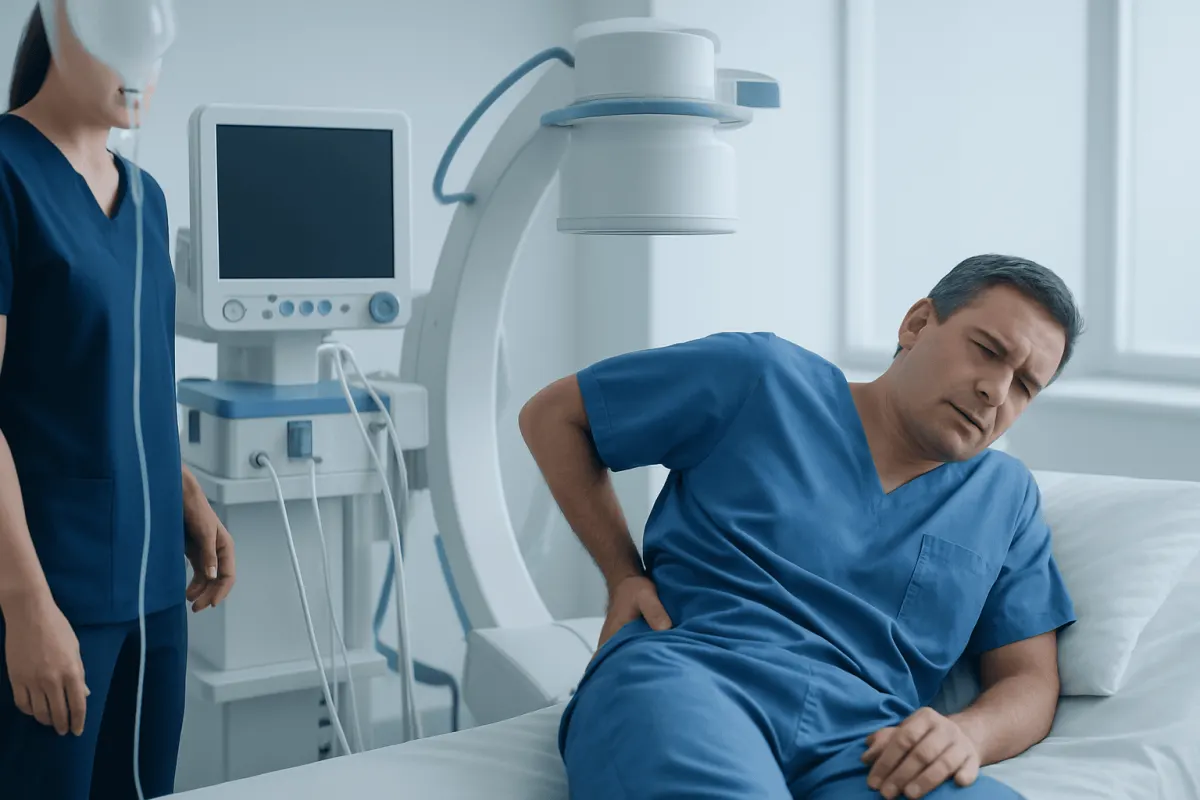
Post laminectomy syndrome describes persistent or newly recurrent pain after a laminectomy or another spinal operation. It does not mean surgery has "failed" in every case; it is a broad term that requires a careful evaluation to identify treatable causes and build an individual recovery plan.
Overview: what is post laminectomy syndrome?
Post laminectomy syndrome, also called failed back surgery syndrome or persistent spinal pain syndrome after surgery, refers to ongoing or recurring pain following a laminectomy or other spine procedure. A laminectomy removes part of the bony spinal arch to create more room for nerves, often to relieve pressure caused by spinal stenosis, a disc problem or related conditions.
The term can be misleading because persistent symptoms do not automatically mean that an operation was performed incorrectly or that it provided no benefit. Some people have good initial relief but develop symptoms later, while others continue to have pain because nerves take time to recover or because more than one pain source is present.
Post laminectomy syndrome management is most effective when it is based on the individual cause of symptoms, daily function and goals. A spine specialist may involve orthopedics, neurosurgery, pain medicine, physical therapy and rehabilitation professionals in the assessment and care plan.
Is post-laminectomy syndrome painful?
Yes. Post-laminectomy syndrome can be painful, but the pattern and intensity vary considerably. Pain may remain in the lower back or neck, travel into an arm or leg, or feel burning, electric, tingling or numb when a nerve is irritated. Some people mainly notice stiffness, fatigue with activity or reduced walking tolerance rather than severe pain.
Symptoms may be continuous or triggered by standing, walking, sitting, bending or lifting. Pain can also affect sleep, mood and confidence with movement. These effects are real and deserve attention, even when imaging does not show a single clear structural cause.
A clinician will distinguish nerve-related pain from pain arising in muscles, joints, discs or the sacroiliac region. This distinction helps guide treatment and avoids assuming that every symptom requires another operation.
Why can symptoms continue or return after spine surgery?
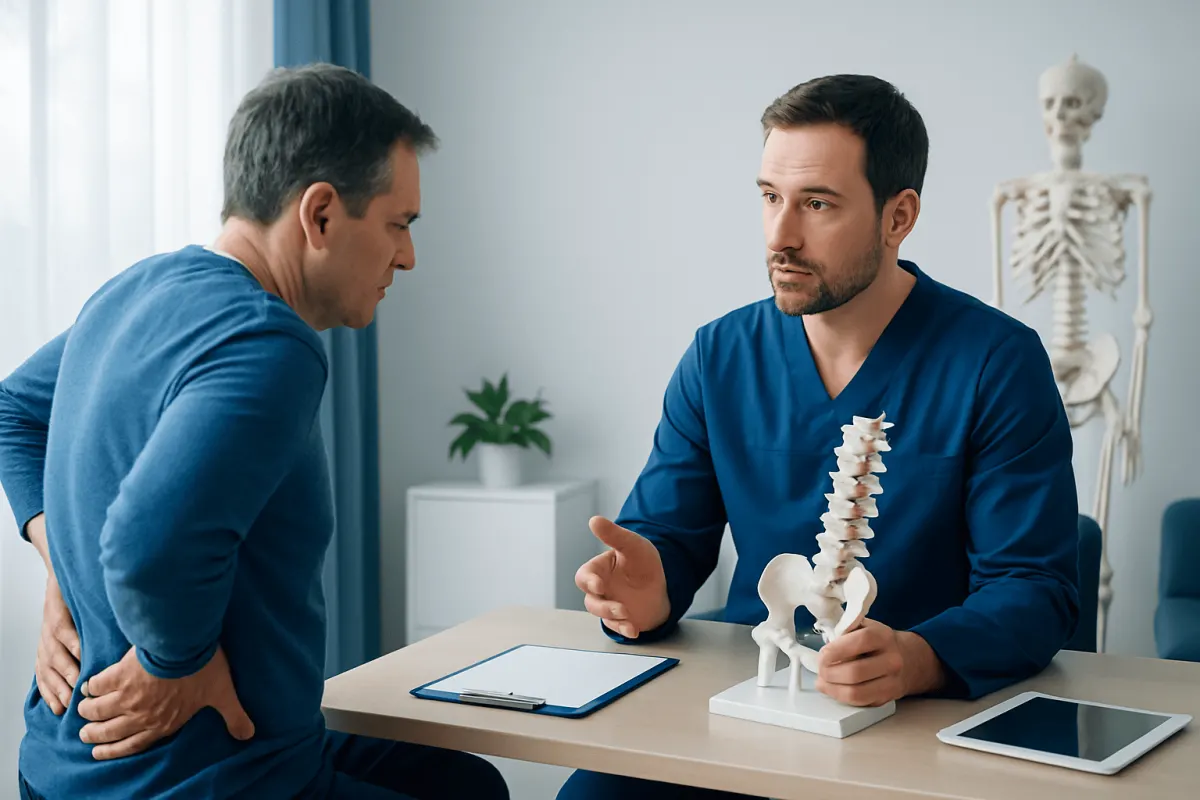
Spine surgery treats a specific problem, such as pressure on a nerve. However, the spine and nervous system can have more than one source of pain. Nerves that were compressed for a long time may recover slowly or incompletely, and pain pathways can remain sensitive after the original problem has been addressed.
Possible causes include recurrent or remaining disc herniation, narrowing around the nerves, postoperative scar tissue, inflammation, instability between spinal bones, degeneration at an adjacent spinal level, or problems involving facet or sacroiliac joints. In some cases, a new condition develops that is separate from the reason for the first surgery.
Risk can be influenced by the complexity of the original spinal condition, previous operations, smoking, poorly controlled diabetes, low physical conditioning and psychological stress. These factors are not a matter of blame; they are important considerations when planning recovery support and treatment.
- Persistent nerve injury or slow nerve healing
- Recurrent compression of a spinal nerve
- Postoperative scar tissue around nerve structures
- Spinal instability or degeneration at another level
- Muscle deconditioning and altered movement patterns
How is post laminectomy syndrome diagnosed?
Diagnosis starts with listening carefully to the person’s symptoms before and after surgery. The clinician asks where pain occurs, what triggers it, whether numbness or weakness is present, and how symptoms affect walking, work, sleep and self-care. The type of previous operation and any available surgical records are also useful.
A physical examination assesses posture, range of motion, muscle strength, sensation, reflexes, balance and walking. Depending on the findings, imaging may include X-rays to assess alignment or instability, magnetic resonance imaging to examine nerves and soft tissues, or computed tomography when a detailed bone assessment is needed. Contrast imaging may sometimes help distinguish scar tissue from recurrent disc material.
Blood tests, electrodiagnostic tests or diagnostic injections may be considered in selected situations. The aim is not simply to find an abnormal scan result; it is to determine whether a finding explains the symptoms and whether treating it is likely to improve function.
Post laminectomy syndrome treatment: how care works
Post laminectomy syndrome treatment guidelines generally support a stepwise, multidisciplinary approach. Care usually begins with confirming the diagnosis, identifying urgent concerns and setting practical goals, such as walking farther, sleeping better, returning to daily tasks or reducing reliance on pain medicines. Treatment is individualized rather than based on a single universal protocol.
Rehabilitation is often central to post laminectomy syndrome recovery. A physical therapist can introduce graded mobility, core and hip strengthening, posture training and pacing strategies. A post laminectomy syndrome rehab protocol should be adapted to the procedure performed, nerve symptoms, fitness level and healing progress. Sudden overactivity after a period of limited movement can aggravate symptoms, so gradual progression matters.
Doctors may recommend non-opioid pain medicines, anti-inflammatory medicines when appropriate, or medicines aimed at nerve-related pain. Selected patients may benefit from image-guided injections, depending on the suspected pain generator. Psychological support, cognitive behavioral approaches and sleep management can also help people cope with persistent pain and improve participation in rehabilitation.
When pain remains disabling despite comprehensive conservative care, specialists may discuss spinal cord stimulation or another neuromodulation approach. This therapy uses implanted technology to modify pain signaling in carefully selected patients, usually after a trial period. Further surgery may be appropriate if tests identify a correctable issue, such as clear recurrent nerve compression or instability, but it is not routinely the first answer for persistent pain.
How long does it take to feel better after a laminectomy?
Recovery after a laminectomy varies with the spinal level treated, the extent of surgery, the original condition and overall health. Many people begin to move soon after uncomplicated surgery and notice gradual improvement over the first several weeks. Recovery of stamina, strength and confidence with everyday activities may take several months.
Leg pain caused by nerve pressure may improve quickly for some people, while numbness, tingling or weakness can take longer because nerves heal slowly. Back soreness around the surgical area is common during early healing. A clinician should review symptoms that are not improving as expected, return after initial improvement or interfere significantly with rehabilitation.
For people with post laminectomy syndrome, improvement may not follow the same timeline as routine surgical recovery. The focus becomes steady gains in function and symptom control through a personalized plan, rather than expecting one treatment to produce immediate, complete relief.
What can you never do after a laminectomy?
There is no universal list of activities that a person can never do after a laminectomy. Long-term guidance depends on the reason for surgery, whether spinal fusion was performed, the number of levels treated, bone health, work demands and the person’s recovery. Many people safely return to walking, swimming, cycling, exercise and other valued activities with appropriate progression.
In the early recovery period, surgeons commonly restrict heavy lifting, repeated bending, twisting and high-impact activity while tissues heal. The exact limits and timing should come from the operating team. Returning too quickly to demanding tasks may increase pain or delay recovery, while avoiding all activity for too long can lead to stiffness and deconditioning.
A rehabilitation professional can teach safer ways to move, lift and build strength. People who have had a fusion may require more specific lifelong advice about high-impact sports or physically demanding work. It is best to ask the spine surgeon before resuming contact sports, heavy manual labor or activities that place substantial load on the back.
What is the prognosis for post-laminectomy syndrome?
The prognosis for post-laminectomy syndrome depends on its underlying cause, the severity and duration of nerve symptoms, general health and response to rehabilitation. Some causes can be treated directly, while others are managed by reducing pain, restoring activity and improving quality of life. Persistent pain can be challenging, but many people make meaningful functional progress with coordinated care.
Good outcomes are more likely when care addresses the whole picture: physical conditioning, sleep, emotional wellbeing, work or home demands and appropriate medical treatment. Regular follow-up allows the plan to change as symptoms and goals evolve. A second operation is considered carefully because its likely benefit depends on finding a specific surgical target.
Acıbadem Health Point’s multidisciplinary specialists and JCI-accredited hospitals assess and treat spinal conditions for international patients, including people seeking evaluation for persistent symptoms after surgery.
When to seek medical care
Medical review is appropriate when pain persists beyond the expected healing period, returns after initial improvement, limits walking or sleep, or prevents participation in rehabilitation and daily activities. A planned appointment is also sensible for new numbness, increasing tingling, concerns about medication side effects or uncertainty about activity restrictions.
Urgent assessment is needed for new or worsening muscle weakness, numbness in the groin or inner thighs, new loss of bladder or bowel control, fever with wound redness or drainage, or severe pain that rapidly worsens. These symptoms are uncommon, but they may indicate a condition that needs prompt treatment.
People should bring information about their prior operation, imaging studies and current medicines to the appointment when possible. This can help the clinical team make a more complete and efficient assessment.
Frequently asked questions
01Can post laminectomy syndrome occur years after surgery?
Yes. Some people develop recurrent symptoms months or years after surgery. This can occur because of changes at the operated level, degeneration at a nearby level, scar-related nerve irritation or a new musculoskeletal problem. A new evaluation can help identify the cause rather than assuming it is the same issue as before.
02Does post laminectomy syndrome always require another operation?
No. Many people are managed without further surgery through rehabilitation, medications, pain procedures and other supportive approaches. Revision surgery is usually considered only when assessment shows a specific structural problem that is likely to respond to an operation.
03Can physical therapy make post laminectomy syndrome worse?
Appropriately planned physical therapy is intended to improve movement, strength and confidence without excessive symptom flares. Temporary soreness can occur as activity increases, but sharp worsening pain, new weakness or escalating nerve symptoms should be reported. The program may need adjustment to match the person’s recovery stage.
04Is post laminectomy syndrome the same as failed back surgery syndrome?
These terms have often been used interchangeably. Many clinicians prefer terms such as persistent spinal pain syndrome after surgery because they describe ongoing symptoms without implying that a surgeon or patient has failed. The important issue is identifying the pain source and developing a suitable care plan.
05Can scar tissue after laminectomy cause pain?
Scar tissue can form after any operation and may contribute to symptoms if it affects nearby nerve structures. However, scar tissue on an imaging scan does not always explain pain, because it is also common in people who feel well after surgery. A specialist considers scan findings alongside symptoms and examination results.
06What should a person ask at a post-laminectomy follow-up appointment?
Useful questions include what may be causing the symptoms, whether further imaging is needed, which activities are currently safe and what rehabilitation goals are realistic. It is also reasonable to ask about medicine options, interventional pain treatments and warning signs that require urgent care. Clear goals and regular follow-up can make treatment decisions easier.
This article is for general information only and is not a substitute for professional medical advice. Please consult a qualified doctor about your individual situation.
Joint and spine care in Turkey — expert assessment & treatment
JCI-accredited · board-certified surgeons · reply within 24h
Add us as a Preferred Source to see more of our trusted health content across Google Search, AI Overviews and Discover.