Pooping Sex: Causes of Rectal Pressure During Intimacy

Pooping sex is an informal term that may describe an urge to have a bowel movement during sex, accidental stool leakage, or concern about bowel activity during anal sex. These experiences can be uncomfortable or embarrassing, but they are often related to normal anatomy, bowel habits, or pelvic-floor function and can usually be addressed calmly and safely.
What Does “Pooping Sex” Mean?
“Pooping sex” is not a medical term. People commonly use it to describe feeling as though they need to have a bowel movement during sex, passing stool or gas during intimacy, or wondering whether anal sex can cause bowel problems. The experience may be embarrassing, but it is a common health question and is not, by itself, a sign that something is seriously wrong.
The rectum sits close to the vagina, prostate, pelvic-floor muscles, and other structures involved in sexual activity. Pressure, muscle contraction, arousal, and certain positions can create sensations that resemble the need to pass stool. If the rectum contains stool or gas, this sensation may be more noticeable.
For some people, the concern is accidental leakage. Stool leakage, also called fecal incontinence, is different from simply feeling pressure. It can range from staining in underwear to loss of bowel control, and it deserves medical discussion if it recurs. A clinician can help identify whether bowel habits, medications, pelvic-floor changes, or an underlying digestive condition are contributing.
Why the Urge to Poop Can Happen During Sex
During vaginal or penetrative sex, pressure against the back wall of the vagina can indirectly press on the rectum. This may be felt as fullness, an urge to have a bowel movement, or the need to pass gas. Deep penetration and positions that place more pressure on the pelvis may make the sensation stronger, although comfort varies from person to person.
Pelvic-floor muscles support the bladder, uterus or prostate, and bowel. These muscles contract during arousal and orgasm, and they also help control bowel movements. Tension in the pelvic floor, difficulty relaxing the muscles, or weakness after pregnancy, pelvic surgery, aging, or neurological conditions can change how the area feels during sex.
Bowel habits matter as well. Constipation can leave stool in the rectum and increase pressure during intimacy. Diarrhea, irritable bowel syndrome, food sensitivities, infections, and some medicines can lead to urgency or leakage. Anxiety may also affect the gut through the brain-gut connection, increasing cramps, gas, or the feeling of needing the toilet.
- Having a bowel movement before sex may help if constipation or fullness is a pattern.
- Allowing enough time for arousal and using comfortable positions may reduce pelvic tension.
- Stopping or changing activity is appropriate whenever there is discomfort or a strong urge to use the toilet.
Bowel Movements, Gas, and Leakage During Intimacy
Passing gas during sex is common and usually harmless. It can come from the rectum or, during vaginal sex, from air entering and leaving the vagina. These sounds are not necessarily related to digestion, cleanliness, or sexual health. A relaxed response and clear communication can make the situation less stressful for both partners.
Accidental stool leakage is less common. It may happen when loose stool is difficult to hold, when severe constipation causes liquid stool to leak around a blockage, or when the anal sphincter or pelvic-floor muscles are not working effectively. Childbirth-related injury, previous rectal surgery, inflammatory bowel disease, diabetes-related nerve changes, and certain neurological disorders can sometimes play a role.
A one-time minor episode, particularly during a stomach illness, may resolve as bowel habits return to normal. Repeated leakage, urgency that limits daily activities, or needing pads or protective garments should not be accepted as an unavoidable part of life. Assessment can lead to practical treatments, including changes to stool consistency, pelvic-floor physiotherapy, and care for any underlying condition.
Anal Sex and Bowel Health
Anal sex involves the rectum, so an awareness of bowel contents, gas, and pressure is understandable. The anus is designed to hold stool through coordinated sphincter muscles and rectal sensation. In most people, consensual, careful anal sex does not cause permanent stretching or loss of bowel control. However, forceful activity, inadequate lubrication, pain, or pre-existing anal and bowel conditions can increase the chance of irritation or injury.
Comfort and consent are essential. The anal canal does not produce its own lubrication, so a generous amount of compatible lubricant helps reduce friction. Partners should start slowly, stop if there is pain, and avoid numbing creams because they can mask pain that would otherwise signal a need to stop. Hands and sex toys should be clean, and toys should have a flared base to prevent them from becoming lodged in the rectum.
Condoms reduce the risk of sexually transmitted infections. A new condom should always be used before moving from anal sex to vaginal or oral sex, and hands or toys should be washed between areas. This reduces the transfer of bacteria that can cause vaginal, urinary, or other infections. Douching is not medically necessary for most people and frequent or harsh douching can irritate rectal tissue; anyone choosing to douche should avoid soaps and stop if irritation occurs.
Hemorrhoids, anal fissures, active diarrhea, rectal inflammation, recent anorectal surgery, or unexplained rectal bleeding may make anal penetration painful or unsafe until a clinician has advised otherwise. People who have receptive anal sex may also benefit from discussing appropriate sexual health screening with a healthcare professional.
How Clinicians Assess Ongoing Symptoms
A healthcare professional will usually begin by asking about the timing of symptoms, stool consistency, constipation or diarrhea, pain, bleeding, medications, surgeries, childbirth history, and sexual practices relevant to the concern. These questions are routine and are intended to guide care, not to judge. Being specific about symptoms helps the clinician distinguish rectal pressure from true bowel leakage or another cause of pelvic pain.
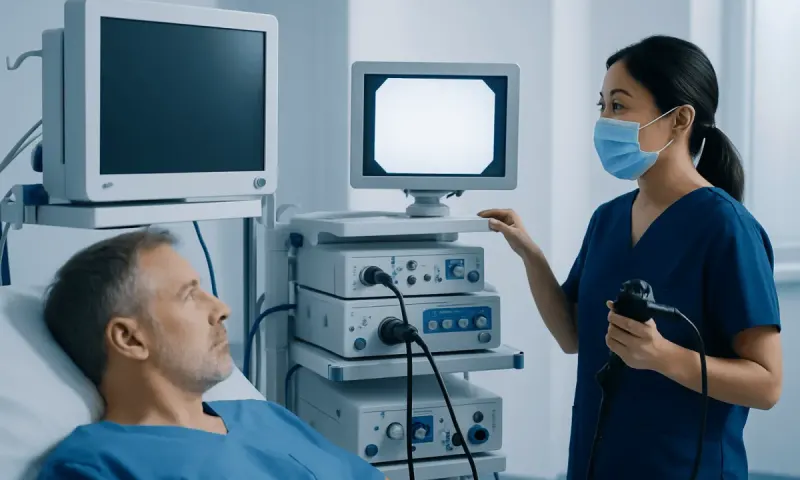
An examination may include a gentle abdominal and external anal examination. In some situations, a digital rectal examination can assess muscle tone, tenderness, hemorrhoids, fissures, or stool in the rectum. Depending on the findings, testing may include stool tests, blood tests, imaging, endoscopy, or specialized tests of anal sphincter and pelvic-floor function.
Not every episode needs testing. If symptoms are mild, brief, and clearly linked to a temporary change in diet or a gastrointestinal infection, supportive care may be enough. Persistent symptoms or warning signs need a more careful evaluation to rule out conditions such as inflammatory bowel disease, infection, pelvic-floor disorders, or colorectal disease.
Practical Steps for Comfort and Prevention
There is no need for extreme cleansing or restrictive eating before intimacy. Regular bowel habits are generally more helpful than last-minute preparation. Drinking enough fluids, eating fiber-containing foods as tolerated, staying physically active, and responding to the natural urge to have a bowel movement can support bowel regularity. People with diarrhea-predominant symptoms may need individualized dietary advice rather than simply increasing fiber.
Before sex, using the toilet if needed and choosing a time when the stomach and bowel feel settled may lessen worry. Gentle pacing, communication about depth and pressure, and positions that allow the receiving partner to control movement can improve comfort. A towel or easy access to a bathroom may offer reassurance, but should not become a source of shame or pressure.
For anal sex, use a condom and sufficient lubricant, proceed gradually, and stop for sharp pain, bleeding, or persistent discomfort. Avoid sharing unwashed toys and do not move directly from anus to vagina without changing the condom or cleaning hands and toys. These simple steps protect both comfort and sexual health.
If pelvic tension, constipation, or leakage continues, a clinician may recommend pelvic-floor physical therapy, bowel retraining, or treatment directed at stool consistency and the underlying cause. Acıbadem Health Point’s multidisciplinary specialists at JCI-accredited hospitals can assess digestive and pelvic-floor concerns for international patients when coordinated care is needed.
When to Seek Medical Care
Medical advice is appropriate for new or recurring bowel leakage, rectal pain that does not settle, pain during sex, or a continuing urge to have a bowel movement that affects intimacy or daily life. A clinician can offer confidential evaluation and may be able to identify manageable causes such as constipation, hemorrhoids, a fissure, infection, or pelvic-floor dysfunction.
Urgent medical assessment is important for heavy rectal bleeding, black or tar-like stools, severe or worsening abdominal pain, fever with rectal pain, fainting, inability to pass stool or gas with significant abdominal swelling, or a suspected object retained in the rectum. These symptoms can have causes that need prompt treatment.
It is also wise to arrange a medical review for Weight Loss: Possible Causes and Medical Evaluation" class="ahp-ilk">unexplained weight loss, persistent changes in bowel habits, anemia, symptoms that wake a person from sleep, or a family history of colorectal cancer alongside new bowel symptoms. Seeking care early is a practical step toward comfort and reassurance.
Frequently asked questions
01Is it normal to feel like pooping during sex?
It can be normal, especially when pressure is placed on the rectum or when there is stool or gas in the bowel. Pelvic-floor muscle contractions can also create a similar sensation. If the feeling is frequent, painful, or accompanied by leakage, a clinician can help identify the cause.
02Can sex cause a bowel movement?
Sex may stimulate the pelvic area and make a person more aware of a pre-existing need to have a bowel movement. It does not usually directly cause stool to pass in someone with normal bowel control. Constipation, diarrhea, and pelvic-floor problems can make bowel urgency more likely during intimacy.
03Can anal sex cause fecal incontinence?
Careful, consensual anal sex does not usually cause permanent fecal incontinence. Repeated painful or forceful penetration, inadequate lubrication, or pre-existing sphincter injury may increase the risk of irritation or injury. New or ongoing bowel-control problems should be assessed by a healthcare professional.
04Should someone douche before anal sex?
Douching is not medically required for anal sex. Frequent, deep, or harsh douching may irritate the rectum and disrupt its protective lining. If a person chooses to douche, avoiding soap or irritating products and stopping if pain or bleeding occurs is important.
05What should partners do if stool gets on a condom or bedding during sex?
They can pause, clean up calmly, wash hands and any toys, and use a new condom before continuing. A condom used for anal contact should not then be used for vaginal or oral contact. If this happens repeatedly, it is worth discussing bowel symptoms with a clinician.
06When is rectal bleeding after anal sex a concern?
A small amount of light bleeding can occur with minor irritation or a small tear, but it should not be ignored if it persists or recurs. Heavy bleeding, severe pain, fever, dizziness, or black stools require urgent medical assessment. Avoid further anal penetration until symptoms have been evaluated and resolved.
This article is for general information only and is not a substitute for professional medical advice. Please consult a qualified doctor about your individual situation.
Persistent digestive symptoms? Get evaluated in Turkey
JCI-accredited · board-certified surgeons · reply within 24h
Add us as a Preferred Source to see more of our trusted health content across Google Search, AI Overviews and Discover.