Pleurodynia Causes Sudden Chest Pain From a Viral Infection

The pain hits out of nowhere. A sharp, gripping stab in your chest or just under your ribs that gets worse every time you take a deep breath. It’s frightening — and understandably so.
This can be pleurodynia: sudden, sharp chest or upper abdominal pain, most often caused by a viral infection that irritates the muscles between your ribs. It usually settles on its own. Even so, getting checked matters, both to rule out other causes of chest pain and to find the right way to ease it.
Overview: what pleurodynia means
With pleurodynia, the pain comes in sudden attacks in the chest or upper abdomen. It starts in the muscles between your ribs or the nearby chest wall tissue — not in the lungs themselves. Breathing, coughing or moving can make it worse, so it often feels alarming even though the cause is temporary.
The condition is sometimes called Bornholm disease, epidemic pleurodynia, or “devil’s grip” because the pain can appear abruptly and feel gripping or stabbing. In many cases, pleurodynia is related to a viral infection, especially an enterovirus such as coxsackievirus. Symptoms often improve over several days, although some people have recurring waves of pain for a short time.
Keep in mind that pleurodynia is only one possible explanation for chest pain. Chest discomfort may also occur with pneumonia, inflammation around the lungs, heart disease, gallbladder problems, or muscle strain. For that reason, a proper medical assessment may be needed, particularly when symptoms are new, severe, or unusual.
Common symptoms and what the pain feels like
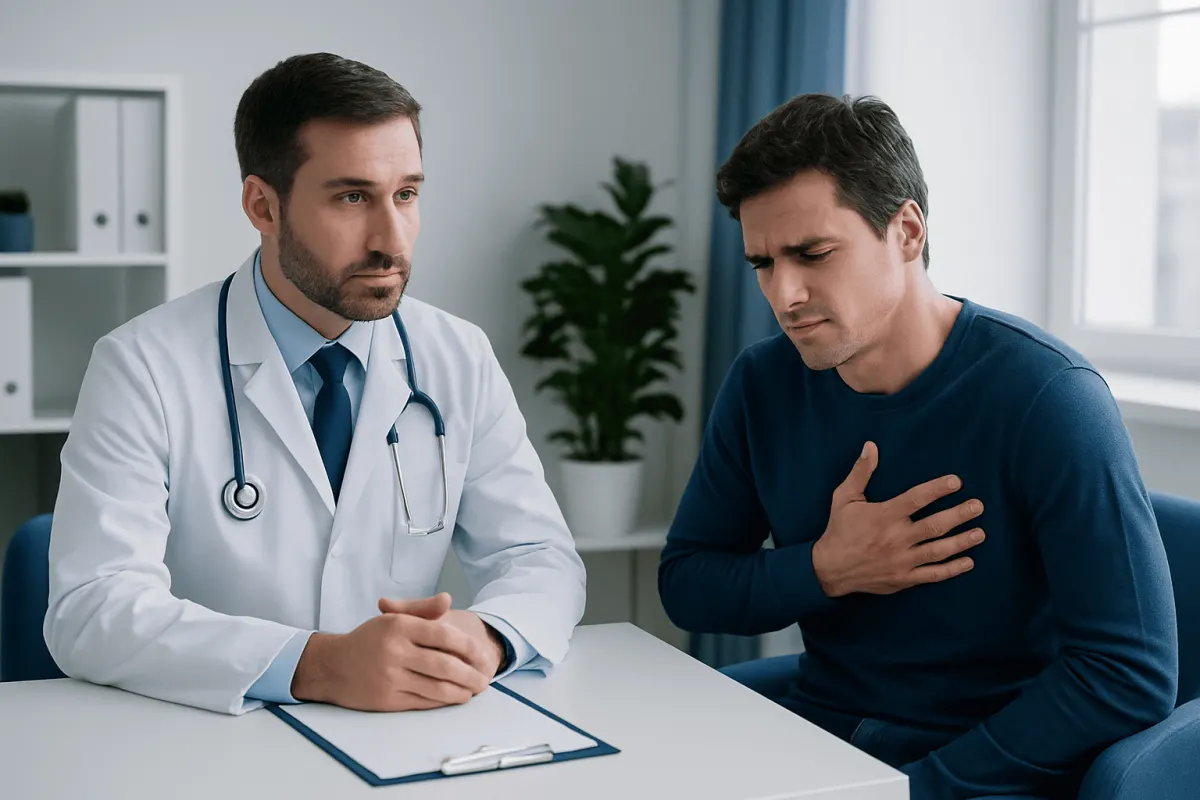
The hallmark symptom of pleurodynia is sudden, severe pain on one or both sides of the chest, often near the lower ribs. Some people feel it in the upper abdomen, back, or side. The pain is commonly described as stabbing, cramping, or aching, and it often gets worse with deep breathing, laughing, coughing, or twisting the body.
Pain episodes may last from a few minutes to longer waves that come and go over hours or days. In children, the symptoms can be harder to describe, and they may simply appear distressed, guard the chest or abdomen, or avoid deep breaths because they hurt. The pain may seem dramatic, but the overall pattern often points to a self-limited viral illness.
Other symptoms can occur at the same time, including:
- Fever
- Headache
- Fatigue or malaise
- Sore throat
- Muscle aches
- Nausea in some cases
These usually come from the virus itself, not from your heart or lungs. But if chest pain comes with shortness of breath, bluish lips, fainting, new confusion, or pain spreading to your jaw or arm, don’t assume it’s pleurodynia — get seen right away.
Causes and risk factors
Pleurodynia is most often caused by infection with enteroviruses, particularly coxsackie B viruses, though other related viruses may also be responsible. These viruses can spread from person to person, usually through respiratory secretions or contact with contaminated hands or surfaces. Outbreaks may occur in families, schools, childcare settings, or other close-contact environments.
The pain appears to result from inflammation affecting the chest wall muscles, especially the intercostal muscles between the ribs. This is why breathing, stretching, coughing, or even changing position can trigger or intensify symptoms. Although the term sounds similar to “pleurisy,” pleurodynia does not always mean the lining around the lungs is inflamed; it is often more of a muscular chest-wall pain syndrome linked to infection.
Anyone can develop pleurodynia, but it is seen more often in children, teenagers, and younger adults. Risk can be higher during times when enteroviral infections circulate more widely. Close household contact with someone who has a recent viral illness may also increase the chance of infection.
Very rarely, viruses associated with pleurodynia may also affect other organs, including the heart or the membranes around it. This is one reason clinicians sometimes evaluate chest pain carefully and may consider related conditions such as myocarditis when symptoms or examination findings suggest something more than simple chest-wall pain.
How doctors diagnose pleurodynia
There is no single test that confirms pleurodynia in every patient. Doctors usually make the diagnosis by combining the symptom pattern, recent illness history, physical examination, and the absence of signs pointing to a more dangerous cause. The sudden onset of chest or upper abdominal pain that worsens with breathing or movement, especially during a viral illness, can be a strong clue.
The main goal of the evaluation is often to rule out other conditions that may need urgent treatment. Depending on the person’s age, symptoms, and medical history, a clinician may assess for problems such as heart attack, pulmonary embolism, pneumonia, gallbladder disease, appendicitis, rib injury, or pleurisy. The exact workup depends on the clinical situation rather than a fixed checklist.
Possible tests may include blood tests, an electrocardiogram, chest X-ray, or other imaging when needed. If breathing problems are present, doctors may also look more closely at the lungs. In selected cases, a cardiac check-up or a broader medical check-up can help clarify the cause of chest symptoms and support a safe diagnosis.
Once the serious causes are ruled out and the picture clearly fits pleurodynia, most people need no further testing. All the same, don’t try to diagnose chest pain yourself — especially the first time it happens.
Treatment options and recovery
Pleurodynia treatment is usually supportive. Because the condition is commonly viral, antibiotics are not helpful unless there is a separate bacterial infection. The main goals are to ease pain, support hydration, encourage rest, and monitor for signs that another condition may be present.
Doctors may recommend pain-relieving and anti-inflammatory medicines when appropriate for the patient’s age and health status. Gentle rest is often useful during the painful phase, but prolonged bed rest is not usually necessary once the person starts to feel better. Warm compresses may also bring comfort to some patients.
Recovery is often good, with symptoms improving over several days, though pain can recur in short episodes before fully settling. If the initial diagnosis is uncertain, symptoms are unusually severe, or complications are suspected, a doctor may arrange further evaluation. In a hospital setting, specialist chest disease evaluation and supportive care may be used if symptoms suggest a more complex respiratory or chest-related problem.
If you are travelling from abroad and need a closer look, Acıbadem Health Point’s specialist teams at our JCI-accredited hospitals assess chest pain and related conditions, tailoring the workup to you.
Self-care and prevention
At home, self-care focuses on comfort and recovery. Drinking enough fluids, resting, and taking medicines exactly as advised by a qualified clinician are often the most helpful steps. People with pain on deep breathing may naturally take shallow breaths, but gentle breathing and light movement as tolerated can help prevent excessive stiffness.
Because pleurodynia is commonly linked to viral infection, prevention overlaps with general infection-control habits. These include frequent handwashing, avoiding close contact when sick, cleaning commonly touched surfaces, and teaching children not to share cups or utensils during illness outbreaks.
There is no specific vaccine for pleurodynia itself. However, good overall health habits may reduce the spread of many viral illnesses:
- Wash hands regularly with soap and water
- Cover coughs and sneezes
- Stay home when feverish or clearly unwell
- Maintain hydration and adequate sleep
- Seek medical advice if symptoms change or worsen
If a person has repeated chest pain episodes, especially without fever or other signs of infection, the diagnosis may need to be reconsidered. Ongoing or recurrent symptoms should be reviewed by a doctor rather than managed only at home.
When to seek medical care
Medical care should be sought promptly for any new chest pain that is severe, unexplained, or persistent. Pleurodynia can mimic other conditions, and clinicians often need to exclude causes involving the heart, lungs, or abdomen before reassurance is appropriate. This is especially important in older adults, people with heart or lung disease, and anyone with significant risk factors for cardiovascular illness.
Urgent evaluation is advisable if chest pain happens with shortness of breath, fainting, confusion, bluish skin or lips, a very high fever, dehydration, or pain that spreads to the neck, shoulder, arm, or jaw. Children, pregnant patients, and people with weakened immune systems may also need earlier assessment because symptoms can be harder to interpret.
Call your doctor too if the pain isn’t improving, keeps coming back, or comes with palpitations, a worsening cough or marked weakness. Getting checked in good time means pleurodynia is managed properly and nothing more serious slips through.
Frequently asked questions
01Is pleurodynia serious?
Pleurodynia is often uncomfortable and alarming, but it is usually a self-limited illness linked to a viral infection. The important issue is that chest pain can have many causes, so a doctor may need to rule out more serious problems before confirming pleurodynia.
02How long does pleurodynia last?
Symptoms often improve within a few days, but some people have recurring waves of pain for a short period before fully recovering. If symptoms last longer than expected or become more severe, medical review is recommended.
03Can pleurodynia cause abdominal pain?
Yes. Pleurodynia can cause pain in the upper abdomen as well as the chest, especially when the muscles near the lower ribs are affected. This can sometimes make it resemble other abdominal conditions, which is why diagnosis may require a careful examination.
04Is pleurodynia contagious?
The condition itself refers to the pain syndrome, but the viral infection behind it can be contagious. Good hand hygiene, covering coughs and sneezes, and avoiding close contact while sick can help reduce spread.
05Do antibiotics treat pleurodynia?
Usually not. Pleurodynia is most often caused by a virus, and antibiotics do not treat viral infections. A doctor may recommend supportive care and pain relief instead, unless another bacterial illness is also present.
06How is pleurodynia different from pleurisy?
Pleurodynia generally refers to sudden chest or upper abdominal pain, often from viral inflammation affecting the chest wall muscles. Pleurisy more specifically means inflammation of the lining around the lungs, although the symptoms can overlap.
This article is for general information only and is not a substitute for professional medical advice. Please consult a qualified doctor about your individual situation.
Heart care in Turkey — expert evaluation and treatment
JCI-accredited · board-certified surgeons · reply within 24h
Add us as a Preferred Source to see more of our trusted health content across Google Search, AI Overviews and Discover.