Breast Reduction in Turkey: Cost, Clinics and What to Expect

Key Takeaways
- Most international pathways begin with a remote review of your photographs, medical history and questions, followed by a face-to-face assessment and final surgical decision on arrival in Turkey.
- Packages commonly bundle hospital fees, surgeon and anaesthetist fees, standard tests, a short inpatient stay, transfers and interpreter support — but inclusions differ, so ask for them in writing.
- Cost varies with the complexity of the operation, the length of hospital stay, anaesthesia, implants or additional procedures and accommodation choices; personalised estimates come only after a medical review.
- Accreditation (such as JCI), the surgeon's specialist plastic surgery credentials and the hospital's ability to manage complications are more meaningful selection criteria than package headline figures.
- Surgeons commonly advise staying in the country for around a week to ten days for wound checks and clearance before a return flight, though individual advice varies.
- Aftercare should be planned before you travel: written discharge notes, a named contact for questions and arrangements for follow-up with a GP or clinician in the UK.
Patients from the UK who travel for breast reduction Turkey typically plan the whole journey in advance — remote consultation, an in-person assessment on arrival, surgery, a short hospital stay and around a week in country before flying home. This guide explains how the pathway is coordinated, what packages usually include, what influences cost bands and how aftercare continues once you are back in the UK.
Why UK patients consider breast reduction Turkey
Breast reduction is one of the more frequently requested procedures among people who look abroad for planned surgery, and breast reduction Turkey enquiries usually come from patients who have already thought carefully about the operation at home. Common reasons include long waiting times for assessment where the procedure is not funded, the cost of private surgery in the UK, or simply the wish to combine treatment with a period of quiet recovery away from work and family responsibilities.
Breast reduction (reduction mammoplasty) is a surgical procedure, not a cosmetic quick fix. Whether it is appropriate for a particular person — and what result is realistically achievable — is a clinical decision that depends on individual anatomy, general health, body weight stability, smoking status, breastfeeding plans and previous breast surgery or screening history. Those questions belong in a consultation with a qualified plastic surgeon, not in an online guide or a price list.
This article therefore focuses on the part that patients most often ask about: how the journey is organised. It covers the sequence of steps from first enquiry to flying home, what treatment packages typically include, how to interpret cost information sensibly, how to check a hospital and surgeon, and how aftercare continues once you are back in the UK.
How the pathway is planned before you travel
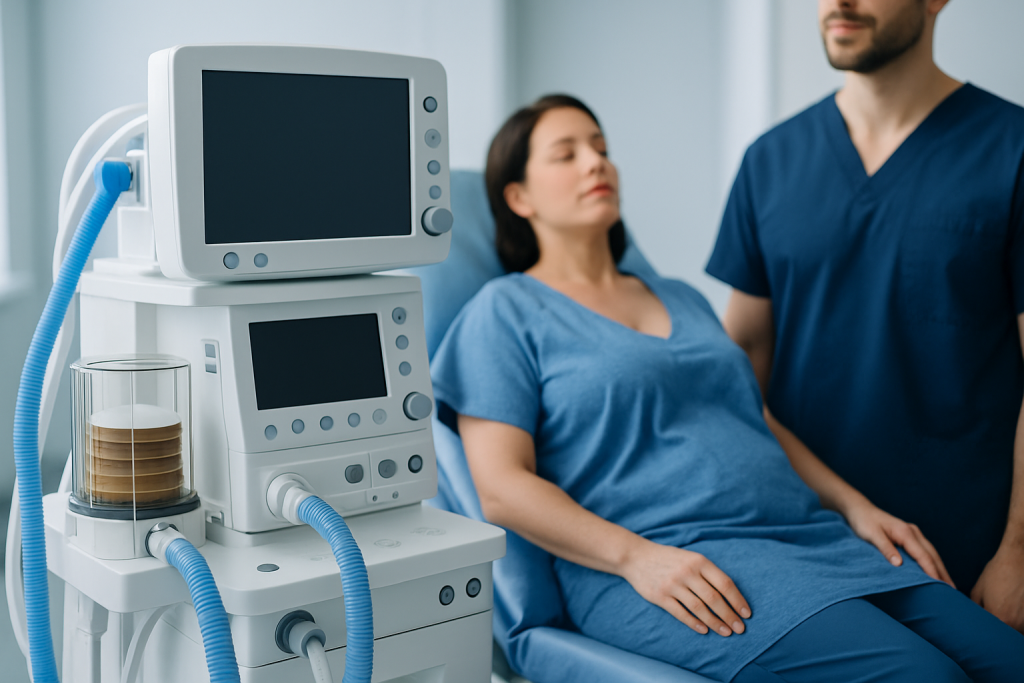
A well-organised international pathway starts long before the flight. Most patients begin by sending a short medical summary: age, height and weight, relevant medical history, current medicines, previous operations, any breast imaging or referrals already carried out, and standardised photographs taken according to instructions provided. This information is reviewed by the surgical team so that the discussion is grounded in clinical facts rather than assumptions.
Many hospitals then offer a video consultation or a written second opinion. This is the moment to ask the questions that matter most to you — what technique the surgeon expects to use, where scars are likely to sit, how the operation may affect nipple sensation or future breastfeeding, what happens if you are not a suitable candidate, and what the plan would be if a complication occurred. A reputable team will be candid about uncertainty and will not commit to a specific outcome, cup size or timeline before examining you in person.
The final assessment always takes place face to face. Once in Turkey, patients typically attend a pre-operative appointment with the surgeon and an anaesthetist, undergo blood tests and any other checks required, and give informed consent. If the examination shows that surgery should be modified, postponed or not performed, that decision takes priority over any travel plan already made. A patient coordinator can help rearrange accommodation or flights if this happens.
- Gather your GP summary, medication list and any recent imaging reports before your first enquiry.
- Ask for the surgeon’s name and qualifications in writing, not just the hospital’s name.
- Confirm what happens — clinically and practically — if you are found unsuitable for surgery.
- Check that an interpreter will be present for consent and discharge discussions if English is not shared.
What treatment packages typically include

Hospitals that regularly treat international patients usually present care as a package so that the essentials are covered in one arrangement. Contents vary between providers, but a typical package for planned breast surgery covers surgeon and anaesthetist fees, operating theatre and hospital charges, routine pre-operative tests, medicines given during the inpatient stay, dressings and a post-surgical support garment, and the scheduled follow-up appointment or wound check before departure.
Non-clinical support is often bundled alongside: airport transfers, hotel-to-hospital transport, help with hotel booking, interpreter services and a named coordinator who is reachable throughout the stay. Some packages include a set number of hotel nights for the patient and a companion; others quote accommodation separately. Visa guidance and invitation letters, where relevant, are usually arranged by the international patient office rather than by the surgical team.
Equally important is what is not included. Flights are almost never part of a package. Treatment of complications, extended hospital stays, additional procedures decided after examination, take-home prescriptions, extra nights of accommodation and travel insurance are commonly outside the quoted arrangement. Ask for a written list of inclusions and exclusions, and ask specifically how additional costs would be handled if your stay needed to be longer than planned.
Understanding cost: bands, variables and honest estimates
It is not possible — or safe — to publish a fixed price for breast reduction, because the operation is tailored to the individual. What can be described honestly is the range of factors that move a personalised estimate up or down. Broadly, quotations sit in a lower band for a straightforward single-stage reduction with a short hospital stay, a middle band where the operation is more complex or the stay longer, and an upper band where additional procedures, implants for reshaping, or extended inpatient care are involved.
The main variables include the extent of tissue to be removed and the technique required, the duration of general anaesthesia, the number of nights in hospital, whether a lift or other procedure is combined, the grade of accommodation chosen, and how many companions travel with you. Currency movements and seasonal demand can also affect figures quoted at different times, which is one reason written estimates usually carry a validity period.
Treat any figure offered before a medical review as indicative only. A responsible provider will give a planning range at the enquiry stage and a firmer written estimate after the surgeon has reviewed your information — and will reconfirm it after the in-person examination. Be cautious about offers that appear unusually low, quote a final price without any clinical review, or apply pressure to pay quickly to secure a date.
Choosing a hospital and surgeon: accreditation and credentials
Accreditation is a practical filter. Joint Commission International (JCI) accreditation indicates that a hospital has been assessed against international standards for patient safety, infection control, medication management and clinical governance, and that it is re-surveyed periodically. It is not a comment on any individual surgeon or on your personal result, but it does tell you that systems are inspected against an external benchmark.
Surgeon credentials matter just as much. Ask whether the operating surgeon holds a recognised specialist qualification in plastic, reconstructive and aesthetic surgery, how regularly they perform breast reduction, and whether they will personally carry out the operation. Ask to see representative before-and-after photographs of patients with a similar starting point, understanding that images illustrate possible outcomes rather than predict yours.
Finally, consider capability rather than convenience. A full-service hospital with intensive care, radiology, laboratory services and on-site specialists in other disciplines is better placed to manage an unexpected event than a stand-alone day clinic. Ask directly: who reviews me overnight, what happens if bleeding or infection occurs, and is revision surgery covered under any policy? Clear, written answers are a good sign; vague reassurance is not.
The stay in Turkey: typical timing and what to expect
Most patients plan a stay of roughly seven to ten days, although the surgeon’s advice for an individual may be shorter or longer. A common shape to the trip is: arrival and rest, pre-operative consultation and tests, surgery the following day, one or two nights in hospital, transfer to a hotel for recovery, a wound check and dressing change midway through the week, then a final review and travel clearance before departure.
Immediately after surgery, patients are usually encouraged to walk gently, wear a support garment as instructed and take prescribed pain relief. Drains, if used, are removed according to clinical judgement. Discomfort, swelling, bruising and tiredness in the first days are expected; the team will explain what is normal and what should prompt an immediate call. Travelling with a companion is strongly advised, both for practical help and because you should not lift luggage or drive.
Flying too early carries avoidable risk, including problems with wound healing and venous thromboembolism. Surgeons generally advise waiting until wounds have been reviewed and clearance given, which for many patients is around a week to ten days after the operation. Book flexible flights where possible, keep the return date open at the later end of the advised window, and follow the specific in-flight guidance you are given about mobility, hydration and compression stockings.
Aftercare once you are home in the UK
Aftercare should be arranged before you leave the UK, not improvised on your return. Ask for a full discharge summary in English that lists the procedure performed, anaesthetic details, implants or materials used if any, medicines prescribed, wound care instructions and the recommended follow-up schedule. Keep digital and paper copies, and share them with your GP so your medical record is complete.
Recovery continues for weeks. Most people need time away from work and should avoid heavy lifting, strenuous exercise and driving until cleared. Scars mature gradually over many months, and swelling settles slowly, so the final shape takes time to appear. Follow the garment, wound-care and activity guidance you are given, and attend any remote follow-up appointments offered by the operating team, who can review photographs and answer questions after you are home.
Know your escalation route. For urgent problems — fever, spreading redness, increasing pain, wound opening, heavy bleeding, breathlessness or calf pain — seek care in the UK immediately via your GP, NHS 111 or an emergency department, and inform the international patient office as well. Routine questions about healing, scars or timing of activities can go to your coordinator or the surgical team. It is also worth confirming whether your travel insurance or any complication cover applies to planned surgery abroad.
When to speak to a patient coordinator
A patient coordinator is the practical link between you and the clinical team. Contact them early — before booking flights — to understand what information the surgeon needs, how a video consultation or second opinion is arranged, what a realistic planning range looks like for your situation, and how long you should expect to stay. Coordinators also help with visa documentation, accommodation, transfers, interpreters and scheduling appointments around your travel dates.
Speak to them again if anything changes: a new diagnosis or medication, pregnancy or breastfeeding, a significant change in weight, a delayed flight, or a decision to postpone. They can reschedule appointments and, where needed, arrange for the surgeon to review the change before you travel. After surgery, they remain a useful first point of contact for non-urgent questions and for organising remote follow-up.
Acibadem Health Point coordinates care for international patients within the Acıbadem Healthcare Group, where multidisciplinary specialists in JCI-accredited hospitals assess, treat and follow up patients considering breast reduction. Whichever provider you choose, the same principles apply: seek an individual medical assessment, insist on written information about inclusions and risks, and keep your GP informed at every stage.
Frequently asked questions
01How long should I plan to stay in Turkey for breast reduction?
Many patients plan around seven to ten days in total, allowing for pre-operative assessment, surgery, one or two nights in hospital and wound checks before departure. The exact length depends on the operation performed and how healing progresses. Your surgeon gives travel clearance individually, so keep return travel as flexible as your budget allows.
02What is usually included in a package price?
Packages commonly cover surgeon and anaesthetist fees, hospital and theatre charges, routine pre-operative tests, the inpatient stay, dressings and a support garment, transfers and interpreter support. Flights, travel insurance, extended stays and treatment of complications are frequently excluded. Always request a written list of inclusions and exclusions before paying a deposit.
03Why can't a clinic give me an exact price straight away?
Breast reduction is tailored to the individual, so cost depends on the complexity of the operation, anaesthesia time, length of stay and any additional procedures. Responsible providers offer an indicative planning range at the enquiry stage and a firmer written estimate only after a surgeon has reviewed your medical information. The estimate is normally reconfirmed after the in-person examination.
04Does JCI accreditation guarantee a good result?
No. JCI accreditation shows that a hospital has been assessed against international standards for safety, infection control and clinical governance, and is re-surveyed periodically. It says nothing about the outcome of your particular operation. Combine accreditation with checks on the surgeon's specialist qualifications, experience with the procedure and the hospital's ability to manage complications.
05When is it safe to fly home after surgery?
Surgeons usually ask patients to wait until wounds have been reviewed and travel clearance given, which for many people falls around a week to ten days after the operation. Flying earlier can increase risks such as wound problems and blood clots. Follow your team's individual advice on mobility, hydration and compression stockings during the flight.
06What happens if I have a problem after returning to the UK?
For urgent symptoms such as fever, spreading redness, heavy bleeding, wound opening, breathlessness or calf pain, seek medical care in the UK immediately through your GP, NHS 111 or an emergency department, and inform the hospital's international patient office. For routine healing questions, contact your coordinator or the surgical team, who can arrange remote follow-up. Sharing your discharge summary with your GP beforehand makes this much easier.
07Can I combine breast reduction with other procedures on the same trip?
Sometimes, but this is strictly a clinical decision. Combining procedures lengthens anaesthesia and recovery and may increase risk, so the surgeon will consider your health, the extent of surgery and your recovery circumstances. If procedures are combined, expect a longer stay in the country and a higher estimate; discuss this fully before travelling.
This article is for general information only and is not a substitute for professional medical advice. Please consult a qualified doctor about your individual situation.
Explore treatments in Turkey — costs, top hospitals & a free quote
JCI-accredited · board-certified surgeons · reply within 24h
Add us as a Preferred Source to see more of our trusted health content across Google Search, AI Overviews and Discover.