Facelift in Turkey: Cost, Clinics and What to Expect

Key Takeaways
- A facelift is planned surgery, not a quick appointment — most UK patients spend around 7 to 10 days in Turkey, depending on the technique used and their surgeon's advice.
- Package content varies; always confirm in writing what is and is not included, including anaesthesia, hospital stay, follow-up visits and any revision policy.
- Costs are best understood as bands rather than fixed prices, because the surgical technique, anaesthesia and length of stay all affect the final figure.
- Accreditation (such as JCI), hospital licensing and verifiable surgeon credentials are more useful selection criteria than photographs or social media presence.
- Aftercare planning matters as much as surgery: agree before travelling who will review your healing, remove sutures if needed, and answer questions once you are back in the UK.
- A patient coordinator can arrange a video consultation, medical record review, visa guidance, interpreters and travel timing before any commitment is made.
Many UK patients research a facelift in Turkey because treatment, hospital care and accommodation are often coordinated as a single planned package. This guide explains what those packages usually include, how costs are structured in bands, how to assess clinics and surgeons, and how recovery and aftercare are managed once you fly home.
Facelift Turkey: What the Patient Journey Actually Involves
People who search for “facelift turkey” are usually looking for two things at once: reliable surgical care, and a clearly organised trip. In practice, a facelift performed abroad follows the same clinical steps as one performed at home — assessment, planning, surgery under anaesthesia, a supervised recovery period and structured follow-up — with the added elements of international travel, accommodation and language support. The main difference is coordination: much of the pathway is arranged in advance rather than booked appointment by appointment.
A typical journey begins with a remote consultation. Photographs, a medical history and a list of current medicines are reviewed, and a surgeon gives a preliminary opinion on whether a facelift, a less extensive lift, or a non-surgical alternative is likely to suit the person’s anatomy and goals. Nothing is confirmed at this stage; the purpose is to establish whether surgery is appropriate and what it would realistically involve. A final decision is only made after a face-to-face examination in Turkey.
From there, the trip is planned around the surgery date: arrival a day or two beforehand for pre-operative tests and the in-person consultation, the operation itself, an overnight or short hospital stay, and several days of monitored recovery before a fitness-to-fly review. Understanding this rhythm early helps UK patients book leave from work, arrange help at home, and avoid the common mistake of planning a facelift too close to a wedding, holiday or major work commitment.
What Treatment Packages Typically Include
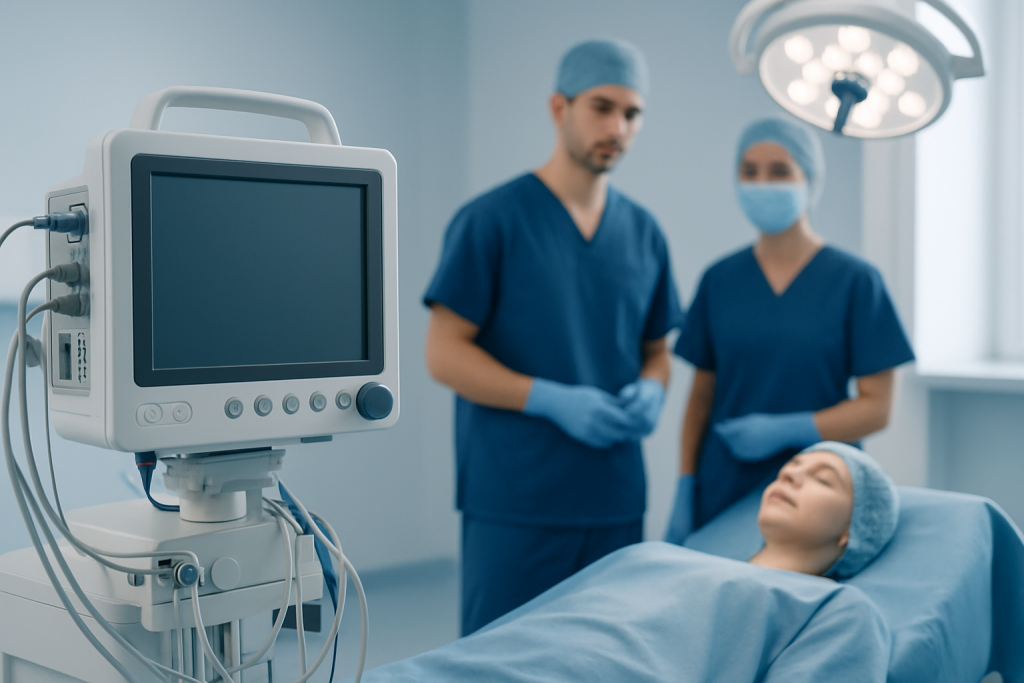
Packages differ considerably between providers, so the most useful question is not “what does it cost?” but “what exactly is covered?” A written itemised list, provided before any deposit, is the clearest way to compare options and to avoid unexpected additions later.
- Pre-operative assessment: blood tests, ECG or other checks required before general anaesthesia, and the in-person surgical consultation.
- The surgical procedure itself, including surgeon, anaesthetist and operating theatre fees.
- Hospital stay — often one night for a full facelift, though this depends entirely on the technique and the individual.
- Dressings, compression garments and prescribed post-operative medicines during the stay.
- Follow-up appointments in Turkey, including wound checks and, where relevant, suture removal.
- Airport transfers, hotel accommodation for the recovery period, and interpreter support during clinical appointments.
Items that are frequently not included deserve equal attention: flights, travel insurance covering elective surgery abroad, extra hotel nights if the surgeon advises a longer stay, treatment of complications after returning home, and any additional procedures discussed on the day. Combining a facelift with eyelid surgery, a neck lift or fat transfer changes both the theatre time and the recovery, and should be priced and consented to separately rather than added informally.
Understanding Cost Bands and Planning a Budget

Responsible providers quote in ranges rather than fixed figures, because a facelift is not a single standardised operation. Costs are generally structured in bands: less extensive procedures such as a mini-lift or a short-scar lift sit at the lower end; a full SMAS facelift sits in the middle band; and deep-plane techniques, extended lifts or facelifts combined with neck and eyelid surgery sit at the upper end. Anaesthesia type, expected theatre time, hospital category and length of stay all shift the figure within those bands.
For budgeting purposes, it helps to build a total trip cost rather than focusing on the surgical fee alone. That means adding flights for the patient and, ideally, a companion; accommodation beyond the included nights; meals and local transport; travel insurance; and a contingency amount in case recovery takes longer than expected. A realistic contingency is one of the most valuable parts of the plan, because it removes pressure to fly home before a surgeon considers it safe.
Be cautious of quotations that seem detached from what is being offered. A price given before any medical assessment, a figure that changes sharply after a deposit, or a package that cannot itemise anaesthesia and hospital care are all reasons to ask more questions. A firm, personalised estimate should only be possible once a surgeon has reviewed photographs and medical history and agreed which technique is being proposed.
Choosing a Clinic: Accreditation and Surgeon Credentials
Selection criteria should be verifiable rather than promotional. Independent accreditation — such as Joint Commission International (JCI) accreditation — indicates that a hospital has been externally assessed against international standards for patient safety, infection control, medication management and emergency response. It is not a comment on any individual result, but it does tell a patient that systems have been inspected by an outside body. Licensing by the Turkish Ministry of Health is a baseline requirement, and a hospital rather than an office-based setting is generally preferable for surgery under general anaesthesia.
Surgeon credentials matter just as much. Reasonable questions include: is the surgeon formally qualified and registered in plastic, reconstructive and aesthetic surgery in Turkey; how regularly do they perform facelifts specifically; which technique do they recommend for this face and why; and who provides care overnight and out of hours. Membership of recognised national or international professional societies can add context, though it is not a substitute for direct answers about training and experience.
It is also worth asking practical safety questions that rarely appear in marketing material: what happens if a complication such as a haematoma occurs, is there an intensive care facility on site, who is the named contact if problems arise at night, and how is consent taken and documented in English. Clear, unhurried answers to these questions are a better guide than before-and-after galleries, which cannot be verified and do not predict an individual outcome.
Before You Fly: Consultation, Assessment and Fitness to Travel
Preparation begins weeks before departure. Most services start with a video consultation and a review of medical records, which allows a surgeon to flag anything that needs attention — uncontrolled blood pressure, diabetes, a history of blood clots, smoking, or medicines and supplements that affect bleeding. Patients on anticoagulants, hormone therapy or certain herbal supplements should raise this early, as instructions must come from the treating surgeon and, where appropriate, their GP in the UK.
A second opinion is entirely reasonable before committing to surgery abroad, particularly if different clinics have recommended very different procedures. Reviewing options with an independent doctor, or asking a second surgeon to comment on the proposed plan, is a normal part of decision-making rather than a sign of distrust. It is also sensible to discuss the plan with a GP so that UK records reflect the surgery and any medicines involved.
Practical preparation includes checking passport validity and current entry requirements for Turkey, arranging travel insurance that explicitly covers elective surgery abroad and the return journey, and confirming who will accompany the patient. Travelling with a companion is strongly advisable: the first days after a facelift involve swelling, restricted head movement and reduced ability to manage luggage or navigate airports comfortably.
Recovery in Turkey and Timing the Journey Home
Recovery timelines are individual, and no clinic can promise a fixed schedule. In general terms, however, the first 48 hours involve dressings, swelling and bruising, with head elevation and rest. Drains, if used, are usually removed within the first few days, and sutures at intervals determined by the surgeon. Most patients remain in Turkey for roughly a week to ten days so that wound checks can be carried out in person and any early concerns addressed before flying.
Flying too soon is a common source of avoidable problems. Cabin pressure, dehydration, long periods of immobility and the physical demands of an airport can all aggravate swelling and increase discomfort. The surgeon should confirm fitness to fly, and patients should be prepared to extend their stay if advised — which is precisely why a contingency budget and flexible flight arrangements are so useful. Measures such as staying hydrated, moving the legs regularly and following any advice on compression stockings help reduce the risk of travel-related clots.
Visible bruising and swelling typically settle over several weeks, while the final appearance continues to refine over months as tissues soften and scars mature. Realistic expectations about this timeline — and about scar care, sun protection and avoiding strenuous exercise until cleared — are part of a safe recovery, and should be discussed and documented before leaving Turkey.
Aftercare Once You Are Back in the UK
Aftercare is the part of medical travel that most deserves attention before booking. Before departure from Turkey, patients should receive a written operative report, a list of medicines given and prescribed, wound care instructions, scar management advice and a clear schedule for follow-up. This documentation allows any UK clinician — a GP, a practice nurse or an emergency department — to understand exactly what was done if a question arises.
Remote follow-up is standard practice: photographs sent at agreed intervals, video reviews with the surgical team, and a named contact for questions. Patients should also know which local services to use for routine matters such as suture removal, and should not assume the NHS will manage cosmetic follow-up as a matter of course. Complications, however, should always be assessed promptly and locally — urgent symptoms such as rapidly increasing swelling on one side, severe pain, fever, spreading redness or discharge need same-day medical attention in the UK, alongside informing the operating team.
Patients considering this pathway can discuss planning, documentation and follow-up arrangements with an international patient coordinator early on, before any dates are fixed. Acibadem Health Point supports international patients travelling to Acıbadem’s JCI-accredited hospitals in Turkey, where multidisciplinary specialists assess suitability for facial surgery and coordinate consultations, hospital care, interpreters and post-operative follow-up.
When to Speak to a Patient Coordinator — and When to Speak to a Doctor
A patient coordinator is the right first contact for logistics and structure: arranging a video consultation with a surgeon, forwarding medical records securely, clarifying what a package includes, advising on visa and travel documentation, estimating the length of stay and organising accommodation and transfers. Coordinators do not give medical opinions, but they make sure the right clinical questions reach the right specialist and that information is not lost in translation.
A doctor is the right contact for anything clinical: whether a facelift is appropriate, which technique suits a particular face, how existing health conditions and medicines affect surgical risk, and what results can realistically be expected. Anyone with an ongoing medical condition should also speak with their GP before committing to elective surgery abroad, so that UK records are complete and any medication adjustments are made safely.
Finally, medical decisions should never feel rushed. Time-limited offers, pressure to pay a deposit before a surgical opinion, or reluctance to provide written details are reasons to pause. A well-organised pathway allows space to ask questions, seek a second opinion and decide calmly — and that space is itself a marker of a service that takes patient safety seriously.
Frequently asked questions
01How long should I plan to stay in Turkey for a facelift?
Most patients are advised to allow around seven to ten days in total, allowing time for pre-operative assessment, surgery, a hospital stay and in-person wound checks before flying. The exact length depends on the technique used, whether other procedures are combined, and how recovery progresses. Only the operating surgeon can confirm when it is safe to fly, so flexible travel arrangements are sensible.
02Why do facelift costs vary so much between clinics?
Costs reflect the complexity of the operation rather than a single standard price. A short-scar or mini-lift requires less theatre time than a full SMAS or deep-plane facelift, and combining procedures such as neck or eyelid surgery increases both surgical time and recovery needs. Anaesthesia, hospital category, length of stay and included follow-up all shift the figure, which is why reputable providers quote ranges only after a medical assessment.
03What does JCI accreditation mean, and does it matter?
Joint Commission International accreditation means a hospital has been independently assessed against international standards covering patient safety, infection control, medication management and emergency care. It is a useful, verifiable indicator of how a facility operates, though it does not predict an individual surgical outcome. It is best used alongside checks on hospital licensing and the surgeon's own qualifications and experience.
04Who looks after me when I return to the UK?
Follow-up is usually arranged remotely with the operating team through photographs and video reviews, using the operative report and instructions provided before departure. Routine tasks such as suture removal can often be arranged locally, but this should be agreed in advance rather than assumed. Any urgent symptom — severe pain, fever, spreading redness, discharge or rapidly increasing swelling — needs same-day assessment by a doctor in the UK.
05Can I travel alone for facelift surgery?
It is generally recommended to travel with a companion. Swelling, bruising, restricted head and neck movement and the effects of anaesthesia make the first days after surgery physically demanding, and airports and long journeys are easier with support. A companion can also help with communication, medicines and following post-operative instructions accurately.
06When is the best time to contact a patient coordinator?
It is helpful to make contact early, before flights or dates are fixed. A coordinator can arrange a video consultation with a surgeon, pass on medical records for review, clarify exactly what a package includes, and advise on travel documentation, accommodation and interpreter support. This allows decisions to be made with full information rather than under time pressure.
07Are non-surgical alternatives worth discussing first?
Yes. Depending on the degree of skin laxity and the areas of concern, a surgeon may consider that non-surgical or less extensive options are more appropriate, or that surgery should be deferred. These alternatives have different results, durations and risks, and a proper assessment should include an honest discussion of what each can and cannot achieve for a particular face.
This article is for general information only and is not a substitute for professional medical advice. Please consult a qualified doctor about your individual situation.
Explore treatments in Turkey — costs, top hospitals & a free quote
JCI-accredited · board-certified surgeons · reply within 24h
Add us as a Preferred Source to see more of our trusted health content across Google Search, AI Overviews and Discover.