Pins and Needles All Over the Body: Causes
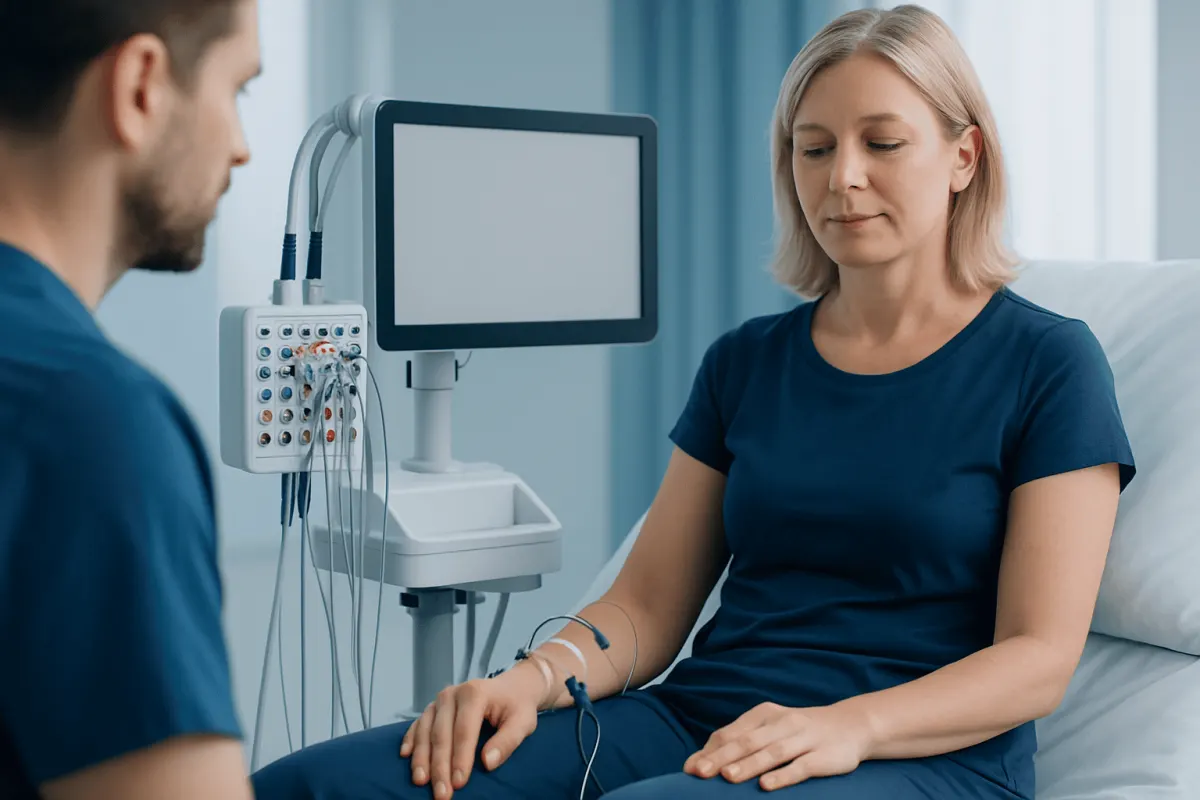
Pins and needles all over the body, medically called widespread paresthesia, may be temporary and harmless but can also signal a nerve, metabolic, nutritional, medication-related, or neurological concern. The pattern, duration, associated symptoms, and a person's health history help a clinician identify the likely cause and decide whether testing is needed.
Overview: what widespread pins and needles means
Pins and needles is a familiar description of tingling, prickling, buzzing, burning, or a crawling sensation in the skin. The medical term is paresthesia. It often happens when pressure temporarily reduces blood flow or irritates a nerve, such as after crossing the legs or leaning on an arm. In these situations, sensation usually returns within a few minutes after changing position.
When tingling occurs in several areas or seems to affect the whole body, it is less likely to be explained by one compressed nerve. Widespread symptoms can still be short-lived, including during stress or rapid breathing, but they may also be related to conditions affecting nerves, circulation, nutrient levels, hormones, or the body’s chemistry. The sensation itself is not a diagnosis, so identifying its timing and accompanying symptoms is important.
A useful first step is to notice whether the feeling is constant or comes and goes, whether it begins in the hands or feet, and whether it affects both sides similarly. Tingling without weakness or pain is often less urgent, but persistent, progressive, or unexplained symptoms should be discussed with a qualified clinician.
Common patterns and accompanying symptoms
Widespread tingling does not always mean that every part of the body is affected at once. Some people notice it mainly in both hands and feet, while others experience brief waves involving the face, scalp, arms, trunk, or legs. Symptoms may be more noticeable at night, after physical inactivity, during periods of stress, or when a person pays close attention to bodily sensations.
Other symptoms can help narrow down possible causes. Numbness, reduced ability to feel heat or pain, burning pain, sensitivity to touch, muscle cramps, balance problems, fatigue, palpitations, shortness of breath, or changes in vision are all relevant details to report. A clinician will also ask about recent illness, diet, alcohol use, chronic health conditions, new medicines, and exposure to toxins or chemicals.
Symptoms affecting the hands and feet in a symmetrical “glove and stocking” pattern can occur with peripheral nerve problems. In contrast, tingling limited to one arm, one leg, or one side of the face may point to a more localized nerve or brain-related cause. These patterns are guides rather than rules, and professional assessment is needed when symptoms persist.
Why pins and needles may occur all over the body

Temporary causes are common. Remaining in one position for a long time, exercising intensely, being exposed to cold, or breathing too quickly during anxiety or panic can cause tingling. Rapid breathing can change the balance of carbon dioxide in the blood and may lead to tingling around the mouth and in the hands, sometimes with lightheadedness or chest tightness. These symptoms should still be assessed if they are new, severe, or difficult to distinguish from other medical problems.
Ongoing symptoms may have a medical explanation. Diabetes and other conditions that affect blood sugar can damage peripheral nerves over time. Low vitamin B12 and certain other nutritional deficiencies may affect nerve function, particularly in people with restricted diets, digestive disorders, or reduced nutrient absorption. Thyroid disease, kidney or liver disease, autoimmune conditions, infections, and some neurological disorders can also contribute.
Medicines and substances are another consideration. Certain chemotherapy medicines, some antibiotics, seizure medicines, excess alcohol, and exposure to particular toxins can affect nerves. A person should not stop prescribed medication without medical advice; instead, they should tell their clinician about all prescription medicines, over-the-counter products, supplements, and recreational substances.
- More likely temporary: symptoms after pressure on a limb, cold exposure, or a brief stressful episode.
- More likely to need evaluation: symptoms that recur, worsen, disturb sleep, spread, or occur with numbness, pain, weakness, or balance changes.
How clinicians assess widespread tingling
A clinician usually begins with a detailed history. They may ask when symptoms started, how quickly they developed, where they are felt, what improves or worsens them, and whether there is weakness, pain, dizziness, headache, or altered vision. Information about diabetes, thyroid disease, digestive surgery, family history of nerve disease, recent infections, travel, dietary changes, and alcohol intake can be useful.
A physical and neurological examination may check strength, reflexes, balance, coordination, walking, skin sensation, and circulation. Depending on the findings, blood tests may assess glucose levels, vitamin B12, thyroid function, blood count, kidney function, electrolytes, and other factors. Testing is individualized rather than routine for every person with tingling.
If a nerve disorder is suspected, nerve conduction studies and electromyography may help evaluate how nerves and muscles are working. Imaging of the brain or spine may be considered when symptoms suggest a problem involving the central nervous system or nerve compression. Normal test results can also be reassuring and help guide the next steps in care.
Treatment options depend on the cause
There is no single treatment for pins and needles all over the body because paresthesia is a symptom rather than a disease. When symptoms are caused by prolonged pressure, changing position, gentle movement, and allowing circulation to return may be enough. If anxiety and overbreathing are contributing, calm, slow breathing and support for stress management can be helpful after urgent causes have been excluded.
For an underlying health condition, treatment aims to address that condition and protect nerve health. This may involve improving blood sugar management, correcting a confirmed nutritional deficiency, reviewing medicines, treating thyroid or kidney problems, reducing alcohol intake, or managing a neurological condition. Supplement use should be guided by testing and medical advice, as excessive amounts of some vitamins can also cause nerve symptoms.
When tingling is painful or disruptive, clinicians may recommend therapies for nerve pain, physical therapy, occupational therapy, or other approaches based on the diagnosis. Follow-up is important if symptoms change, since a new pattern may require a different evaluation. Prompt treatment of an identified cause can sometimes prevent symptoms from progressing.
Practical self-care and prevention
Healthy daily habits support nerve and circulation health, although they do not replace medical evaluation for ongoing symptoms. Regular movement, gradual stretching, adequate sleep, and avoiding long periods in one position may reduce pressure-related tingling. During desk work or travel, taking periodic breaks to change posture can be useful.
A varied eating pattern that includes protein, vegetables, fruits, whole grains, and sources of key vitamins and minerals supports overall health. People following vegan, highly restrictive, or medically necessary diets may need individualized nutritional guidance. Limiting alcohol and avoiding smoking can also support nerve and blood vessel health.
Keeping a simple symptom record can make an appointment more productive. It may include the location of tingling, duration, triggers, associated symptoms, recent illnesses, and medication or supplement changes. It is best to avoid self-diagnosing based on online information, especially if symptoms are frequent or are interfering with daily activities.
When to seek medical care
Emergency care is needed for sudden tingling or numbness with weakness on one side of the body, facial drooping, trouble speaking or understanding speech, sudden confusion, new loss of vision, severe headache, fainting, chest pain, or major difficulty walking. These symptoms can be signs of a time-sensitive medical emergency. New symptoms after a head, neck, or back injury, or tingling with loss of bladder or bowel control, also require urgent assessment.
A non-emergency medical appointment is appropriate when tingling persists for more than a few days, repeatedly returns without a clear trigger, gradually spreads, wakes a person from sleep, or occurs with pain, reduced sensation, weakness, fatigue, or balance problems. People with diabetes, thyroid disease, kidney disease, a history of cancer treatment, or known nutritional absorption problems should mention new tingling to their healthcare team.
Acıbadem Health Point’s multidisciplinary specialists and JCI-accredited hospitals evaluate neurological and medical causes of persistent tingling for international patients. A clinician can help determine whether the symptoms are likely temporary or whether targeted tests and treatment are appropriate.
Frequently asked questions
01Can anxiety cause pins and needles all over the body?
Anxiety can contribute to widespread tingling, especially when it leads to rapid or shallow breathing. This may cause tingling in the hands, feet, or around the mouth, often alongside lightheadedness or a feeling of panic. However, new or recurring symptoms should not automatically be attributed to anxiety without medical assessment.
02Is pins and needles all over the body a sign of diabetes?
Diabetes can cause peripheral neuropathy, a type of nerve damage that commonly begins in the feet and may later affect the hands. It usually develops gradually rather than appearing suddenly throughout the body. Testing and a clinical examination are needed to determine whether diabetes or another cause is involved.
03Can vitamin B12 deficiency cause widespread tingling?
Yes, vitamin B12 deficiency can affect nerve function and may cause tingling, numbness, balance changes, fatigue, or weakness. It may occur with limited dietary intake or problems absorbing B12 from food. A blood test can help confirm whether deficiency is present before taking supplements.
04How long should pins and needles last before seeing a doctor?
Tingling that resolves within minutes after changing position is often temporary. A person should arrange a medical review if symptoms last for days, keep returning, worsen, or have no clear explanation. Urgent assessment is needed if tingling starts suddenly with weakness, speech changes, severe headache, or trouble walking.
05Can dehydration cause tingling sensations?
Significant dehydration or changes in electrolytes can sometimes contribute to muscle cramps, weakness, dizziness, or tingling. These symptoms are not specific to dehydration and may have other causes. People with persistent symptoms, vomiting, diarrhea, or conditions affecting kidney function should seek medical advice.
06What tests might be used for unexplained tingling?
A clinician may start with a neurological examination and blood tests for glucose, vitamin B12, thyroid function, blood count, electrolytes, and kidney function. Nerve conduction studies, electromyography, or imaging may be considered if the history and examination suggest a nerve, spine, brain, or muscle condition. The choice of tests depends on the individual symptom pattern.
This article is for general information only and is not a substitute for professional medical advice. Please consult a qualified doctor about your individual situation.
Hair transplant in Turkey — costs, graft counts & a free assessment
JCI-accredited · board-certified surgeons · reply within 24h
Add us as a Preferred Source to see more of our trusted health content across Google Search, AI Overviews and Discover.