

Pinpoint Pupils: Causes and Treatment
- 8 min read
- Published November 29, 2026
Key Takeaways
- Pinpoint pupils are a sign, not a diagnosis, and the cause can range from medications to neurologic illness.
- Both eyes or one eye can be affected, and associated symptoms help guide evaluation.
- A careful history, eye exam, and sometimes imaging or toxicology testing are used to find the cause.
- Treatment depends on the underlying reason, and some causes need prompt medical attention.
- People should seek urgent care if pinpoint pupils appear with confusion, breathing problems, head injury, or sudden vision changes.
Pinpoint pupils, also called miosis, describe pupils that are unusually small and may react less than expected to light. They can occur for benign reasons, medication effects, eye conditions, or nervous system problems, so understanding the pattern and timing matters.
Overview
Pinpoint pupils are pupils that look unusually small, often as if the eyes are staying in a bright environment. In medical terms, this is called miosis. On its own, miosis is not a diagnosis; it is a clue that the body is responding to something, whether that is medication, an eye problem, or a condition affecting the brain or nervous system.
For many people, small pupils are noticed incidentally in a mirror, by a family member, or during a routine exam. In other situations, they appear together with other symptoms such as sleepiness, headache, eye pain, or blurred vision. The combination of findings is what helps clinicians decide whether the cause is minor and temporary or needs urgent assessment.
Because pinpoint pupils can be linked to both common and serious conditions, it is sensible to look at the whole picture rather than the pupil size alone. A careful review of recent medicines, exposures, and any head or eye symptoms usually provides the best starting point for understanding what is happening.
Symptoms
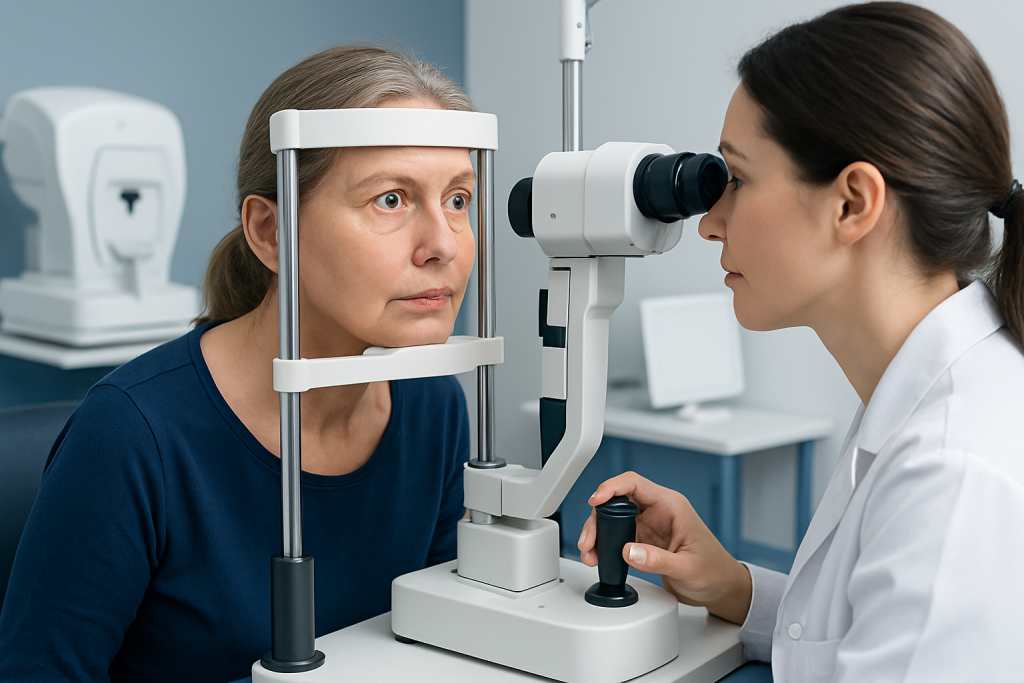
The most obvious sign is that the pupils remain very small. In some people, both pupils are equally affected; in others, only one eye looks smaller than the other. The pupils may still react to light, or the reaction may seem slower than usual.
Pinpoint pupils may occur with other eye symptoms, including reduced vision, eye pain, tearing, or light sensitivity. If the pupil is small because of a problem in the eye itself, the eye may also feel irritated or look red. If the cause involves the nervous system or an exposure to a medication or toxin, other body symptoms may be more prominent than eye symptoms.
Depending on the cause, a person may also notice drowsiness, nausea, sweating, dizziness, headache, weakness, drooping eyelid, slurred speech, or trouble breathing. These associated symptoms matter because they help separate a simple pupil change from a larger medical issue that needs evaluation.
Causes & Risk Factors

Several common medications can make the pupils smaller. Opioid pain medicines are a well-known cause, and certain eye drops, medicines used for glaucoma, and some drugs that affect the nervous system can also lead to miosis. Sometimes the effect is expected and temporary; in other cases, it may signal an overdose or an unintended drug interaction.
Eye-related causes include inflammation inside the eye, exposure to certain chemicals, or direct injury to the eye. Some conditions affecting the iris or the muscles that control pupil size can make one pupil smaller than the other, and the difference may become more noticeable in different lighting conditions.
Neurologic causes can include stroke in certain brain regions, bleeding, brainstem problems, or damage to the nerves that help control the pupils. A person may be at higher risk if they have recently had a head injury, started a new medicine, used substances that affect the brain, or have a history of neurologic or eye disease.
- Recent use of opioids or sedating medicines
- New eye drops or exposure to insecticides or chemicals
- Head injury or Neurology May Be Urgently Needed" class="ahp-ilk">severe headache
- Known glaucoma, eye inflammation, or neurologic illness
Diagnosis
Diagnosis begins with a detailed conversation about when the pupil change started, whether one or both eyes are affected, and what other symptoms are present. Clinicians often ask about prescription medicines, over-the-counter products, supplements, recreational substances, and possible chemical exposures because these details can quickly point toward the cause.
An eye examination usually follows. The clinician may check how each pupil responds to light and darkness, look for redness or injury, and compare the eyes for symmetry, eye movement, and vision changes. If the pattern suggests a problem beyond the eye, additional neurologic examination may be needed.
Depending on the findings, testing can include blood work, toxicology screening, eye pressure measurement, or imaging such as CT or MRI. The goal is not simply to confirm that the pupils are small, but to identify the underlying reason in a way that supports safe, targeted treatment.
Treatment Options
Treatment depends entirely on the cause. When miosis is due to a medication, a clinician may review the dosing schedule, interactions, and whether an alternative medicine is more appropriate. If the cause is an eye condition, treatment may focus on reducing inflammation, relieving pressure, or treating infection or injury.
When pinpoint pupils are linked to opioid exposure or another urgent toxic effect, prompt medical care is important. In those situations, clinicians may monitor breathing, mental status, and vital signs while treating the underlying problem. The specific approach depends on the substance involved and the person’s overall condition.
If a neurologic condition is responsible, treatment may require emergency care, hospital observation, or specialist input. People traveling for care often find it helpful to keep a current medication list, previous scan reports, and a short timeline of symptoms, since this can make evaluation more efficient across different healthcare systems.
Prevention & Self-care
Not every case of pinpoint pupils can be prevented, but some causes are avoidable. Using medicines exactly as prescribed, never sharing prescription drugs, and being careful with eye drops or chemical exposures can lower the chance of medication-related or accidental causes. It also helps to keep a written list of all medicines and supplements, especially when seeing different doctors.
For self-care, the most useful step is observing the pattern. Note whether both pupils are small, whether the change is constant or comes and goes, and whether there are any associated symptoms such as headache, eye pain, drowsiness, or vision changes. A photo taken in the same lighting can sometimes help a clinician understand the timeline, though it does not replace an exam.
Travelers who develop symptoms away from home may need care in an unfamiliar setting. In that situation, bringing medication packaging, allergy information, and prior eye or brain imaging if available can reduce delays and confusion during the first consultation.
When to See a Doctor
Medical review is appropriate when pinpoint pupils are new, persistent, unexplained, or different from a known baseline. It is especially important if only one pupil is affected, because one-sided changes can sometimes reflect a local eye or nerve problem that deserves prompt assessment.
Urgent evaluation is recommended if pinpoint pupils occur with confusion, severe sleepiness, slow or difficult breathing, chest symptoms, a major headache, fainting, seizure, recent head injury, or sudden vision loss. These combinations can signal a medical emergency and should not be watched at home.
For international patients, timely assessment is often easier when the care team can coordinate multiple specialties. Acibadem Health Point’s multidisciplinary specialists and JCI-accredited hospitals diagnose and treat conditions like pinpoint pupils for international patients, with attention to both the immediate symptoms and the next steps for follow-up after travel.
Frequently asked questions
01Are pinpoint pupils always a sign of something serious?
No. Pinpoint pupils can happen for harmless reasons such as normal lighting or medication effects. However, they can also be a sign of a more serious eye, drug-related, or neurologic problem, so the context matters.
02Can one pupil be smaller than the other?
Yes. Sometimes only one pupil is affected, which can point to a local eye issue or a nerve-related cause. Unequal pupils should be assessed, especially if the change is new or comes with pain, weakness, or vision changes.
03Do opioids cause pinpoint pupils?
They can. Opioids are a classic cause of very small pupils, and the effect may be seen with prescribed use or overdose. If small pupils appear with unusual sleepiness or slow breathing, urgent medical care is needed.
04How do doctors check the cause of small pupils?
They usually start with a history and eye examination, then decide whether blood tests, toxicology screening, or imaging is needed. The next steps depend on whether the pattern looks like a medication effect, an eye condition, or a neurologic problem.
05Can eye drops cause pinpoint pupils?
Yes, some eye drops can make the pupils smaller, especially those used for glaucoma or certain other eye conditions. A doctor can help determine whether the effect is expected or whether a different cause should be considered.
06When should someone seek emergency help?
Emergency care is important if pinpoint pupils appear with trouble breathing, confusion, fainting, a severe headache, seizure, or head injury. Sudden vision loss or a very painful eye also needs prompt attention.
This article is for general information only and is not a substitute for professional medical advice. Please consult a qualified doctor about your individual situation.
Persistent digestive symptoms? Get evaluated in Turkey
JCI-accredited · board-certified surgeons · reply within 24h
Add us as a Preferred Source to see more of our trusted health content across Google Search, AI Overviews and Discover.


How can we help you today?
Meet an Acibadem specialist by secure video, before you travel.
Book a video visit