Pink Eye: When to See an Eye Doctor

Key Takeaways
- Pink eye is a symptom pattern, not one single disease, so the cause matters.
- Viral and allergic conjunctivitis are common and often improve with supportive care.
- Bacterial conjunctivitis may need medical treatment, especially if symptoms are significant or persistent.
- Good hygiene helps reduce spread, particularly in households, schools, and travel settings.
- Eye pain, vision changes, or light sensitivity are reasons to seek medical evaluation promptly.
Pink eye, also called conjunctivitis, is a common cause of red, irritated eyes and can have viral, bacterial, allergic, or irritant-related causes. An eye doctor can help identify the reason, guide treatment, and rule out more serious eye problems.
Overview
Pink eye is the everyday name for conjunctivitis, a condition that makes the thin surface covering the white of the eye and the inside of the eyelids become inflamed. The eye often looks red or pink, but the exact cause can vary widely. That is why a pink eye eye doctor visit can be useful: the treatment plan depends on whether the trigger is viral, bacterial, allergic, or something irritant-related.
For many people, the condition is short-lived and manageable. Still, the experience can be disruptive, especially when both eyes are affected, vision feels blurry from discharge, or the eye is uncomfortable enough to interrupt work, school, or travel. International patients may also need practical guidance on how to safely manage symptoms while away from home, which is where clear diagnosis and follow-up matter.
Conjunctivitis is usually not the same as a sight-threatening eye emergency, but it should not be guessed at too quickly. A red eye can come from several different conditions, and some require faster treatment than others. An eye doctor helps separate common conjunctivitis from problems such as corneal inflammation, uveitis, or a foreign body in the eye.
Symptoms

Pink eye often starts with a noticeable change in how the eye feels and looks. Redness is the most familiar sign, but the experience may also include irritation, tearing, a gritty sensation, or discharge that can make the eyelids stick together after sleep. Some people notice one eye first and then the other follows.
The symptom pattern can offer clues about the cause. Viral conjunctivitis often begins with watery discharge and may occur alongside cold-like symptoms. Bacterial conjunctivitis more commonly produces thicker discharge. Allergic conjunctivitis usually causes itching in both eyes and may come with sneezing, nasal congestion, or other allergy symptoms.
- Red or pink appearance of the eye
- Watery or thicker discharge
- Itching, burning, or foreign-body sensation
- Tearing and mild swelling of the eyelids
- Blurred vision from tears or discharge that clears with blinking or cleaning
Some symptoms are less typical and deserve caution. Significant pain, light sensitivity, reduced vision, or a feeling that something is stuck in the eye can point to a different problem. In those situations, a prompt eye examination is the safer path rather than trying to self-diagnose.
Causes & Risk Factors

Conjunctivitis develops when the conjunctiva becomes irritated or inflamed. Viral infections are a frequent cause and often spread easily through hands, shared towels, contaminated surfaces, or close contact. Bacterial infections can also cause pink eye, particularly when there is eye discharge and eyelids are stuck together in the morning.
Allergies are another common trigger. In this form, the immune system reacts to substances such as pollen, dust mites, or pet dander. Irritants can also play a role, including smoke, chlorinated water, cosmetic products, contact lens wear, or exposure to airborne chemicals. In a travel setting, dry cabin air, dust, or changing climate can make the eyes feel more sensitive.
Certain factors can increase the chance of developing conjunctivitis or spreading it to others. These include close contact with someone who has a contagious infection, poor hand hygiene, touching the eyes frequently, sharing eye makeup or towels, and improper contact lens use. Children are commonly affected because of frequent close contact, but adults can develop it just as easily.
People who wear contact lenses should be especially careful, since red eye can sometimes reflect more serious surface irritation or corneal infection rather than simple conjunctivitis. An eye doctor may ask detailed questions about lens habits because that history can change the urgency and type of care recommended.
Diagnosis
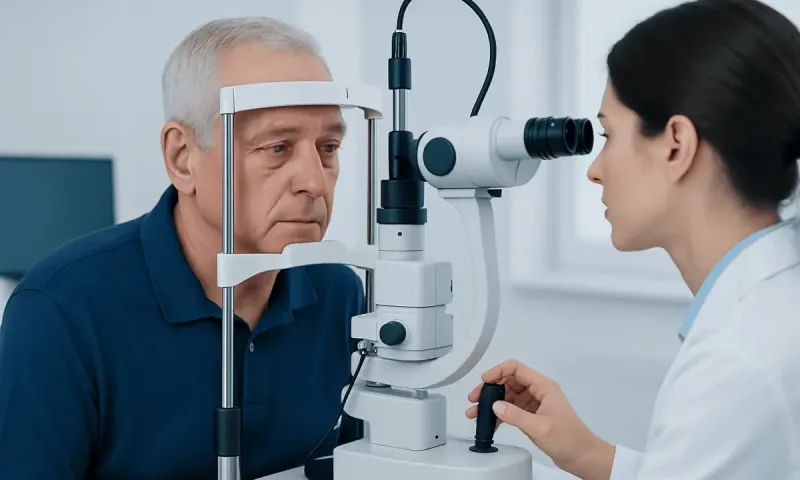
Diagnosis usually begins with a careful history and eye examination. An eye doctor will ask when symptoms began, whether one or both eyes are affected, what type of discharge is present, and whether there has been exposure to sick contacts, allergens, or irritants. Recent travel, contact lens use, and any eye injury are also important details.
In many cases, the diagnosis is made by looking at the eye and eyelids. The appearance of the conjunctiva, the pattern of discharge, and the presence of swelling or itching often provide enough information to guide care. If the condition seems unusual, severe, or prolonged, additional testing may be considered.
Tests are not always needed, but they may be used in selected situations. For example, a sample of eye discharge can sometimes help identify the cause if symptoms are significant, recurrent, or not improving as expected. The doctor may also check vision, measure eye pressure if indicated, and examine the cornea to make sure the problem is not deeper than the conjunctiva.
For international patients who arrive after self-treatment abroad, a structured evaluation can be especially helpful. It can clarify whether prior drops were appropriate, whether contact lenses should be paused, and whether follow-up can be handled remotely after the initial visit.
Treatment Options
Treatment depends on the underlying cause. Viral conjunctivitis often improves on its own with supportive care, such as cool compresses, gentle eyelid cleaning, and comfort measures recommended by the doctor. Because antibiotics do not treat viruses, they are not routinely helpful in this form.
Bacterial conjunctivitis may require prescription eye drops or ointment, especially when discharge is thick, symptoms are more pronounced, or the infection is not settling. Allergic conjunctivitis is usually managed by reducing exposure to the trigger and using doctor-recommended anti-allergy eye drops or other soothing measures. Irritant-related conjunctivitis improves when the eye is rinsed and the source of irritation is removed.
Common parts of care may include:
- Prescribed or over-the-counter eye drops as directed by a clinician
- Cool or warm compresses, depending on the cause and comfort
- Artificial tears for lubrication when recommended
- Temporary discontinuation of contact lenses until the eyes recover
- Careful cleaning of discharge with clean water or sterile materials
It is important not to share eye drops, and steroid-containing drops should only be used when prescribed by an eye specialist. Steroids can be helpful in specific conditions, but they are not appropriate for every red eye and may worsen some infections if used without supervision.
Prevention & Self-care
Simple habits can reduce the chance of catching or spreading conjunctivitis. Handwashing remains one of the most effective steps, especially after touching the face, cleaning eye discharge, or applying drops. People with contagious pink eye should avoid sharing towels, pillowcases, makeup, or contact lens supplies.
Self-care is often about comfort and reducing irritation while the eye heals. A clean compress can ease swelling, while artificial tears may help when dryness or scratchiness is part of the picture. People traveling for work or family reasons should keep their eye products sealed, avoid touching the inside of bottles, and pack any prescribed medication in carry-on luggage so it stays available.
Contact lens wearers should be cautious. Lenses generally should be removed during active eye irritation and only resumed when a clinician says it is safe. Reusing old lenses or their case too soon can prolong symptoms or introduce a new problem.
Practical prevention steps include:
- Wash hands often and avoid rubbing the eyes
- Use a separate towel and pillowcase during recovery
- Replace or clean eye makeup as advised after an infection
- Follow contact lens hygiene instructions carefully
- Protect eyes from smoke, dust, and chemical irritants when possible
When to See a Doctor
Many cases of pink eye are mild, but an eye doctor should evaluate any red eye that is painful, associated with light sensitivity, or linked to vision changes. Those features are not typical of uncomplicated conjunctivitis and may signal a more serious issue that needs faster care.
Medical attention is also sensible if symptoms are not improving after a few days, if discharge is heavy, if the eye is very swollen, or if only one eye is becoming progressively worse. Children, contact lens wearers, and people with weakened immune systems may need earlier assessment because their risk profile is different.
Seek prompt care if the red eye follows an injury, a chemical exposure, or the sensation that something is embedded in the eye. The same is true if there is severe pain, headache with nausea, or sudden blurred vision. These do not always mean something dangerous is happening, but they deserve a professional look rather than watchful waiting.
For patients traveling internationally, getting checked early can avoid unnecessary delays and uncertainty. Acibadem Health Point’s multidisciplinary specialists and JCI-accredited hospitals diagnose and treat conjunctivitis for international patients, with attention to both the medical details and the practical follow-up that recovery may require after travel.
Living With Pink Eye During Recovery
Recovery is usually straightforward when the cause is identified and the eyes are protected from further irritation. Many people can continue light daily activities if symptoms are mild, but they may need to pause contact lens use, avoid eye makeup, and take extra care not to spread the condition to others. Resting the eyes and keeping the hands clean often makes a noticeable difference.
For families, schools, and shared accommodations, the main challenge is often preventing spread rather than treating severe illness. Clear routines help: separate towels, regular handwashing, and not touching the eyes during the contagious period. If a traveler is staying in a hotel or temporary apartment, having a small, dedicated eye-care kit can make self-care easier and more hygienic.
Follow-up is worth considering if symptoms linger, recur, or seem to change character. A case that starts like simple conjunctivitis but develops pain or visual symptoms should be reassessed. That way, a new issue is not missed, and the recovery plan can be adjusted if needed.
Frequently asked questions
01Is pink eye always contagious?
No. Viral and bacterial conjunctivitis can be contagious, but allergic and irritant-related forms are not. An eye doctor can help identify the likely cause based on the symptoms and exam.
02Do antibiotics help every case of pink eye?
No. Antibiotics are used for some bacterial infections, but they do not treat viral or allergic conjunctivitis. Using the right treatment depends on the underlying cause.
03Can contact lenses make pink eye worse?
Yes. Contact lenses can irritate the eye surface and sometimes hide a more serious corneal problem. They should usually be removed until an eye doctor says it is safe to wear them again.
04How long does pink eye usually last?
That depends on the cause. Viral cases often improve gradually, allergic symptoms may continue as long as the trigger is present, and bacterial cases may improve sooner with appropriate treatment.
05Can pink eye go away without treatment?
Some cases, especially viral and mild irritant-related forms, can settle on their own. Even so, it is wise to seek medical advice if symptoms are severe, persistent, or unusual.
06What should a person do if pink eye happens while traveling?
They should avoid sharing personal items, keep hands clean, and seek local medical assessment if symptoms are painful, worsening, or affecting vision. Having a clear diagnosis can make it easier to continue the trip safely and plan follow-up after returning home.
This article is for general information only and is not a substitute for professional medical advice. Please consult a qualified doctor about your individual situation.
Explore treatments in Turkey — costs, top hospitals & a free quote
JCI-accredited · board-certified surgeons · reply within 24h
Add us as a Preferred Source to see more of our trusted health content across Google Search, AI Overviews and Discover.