Pink Eye in Toddlers: Causes, Symptoms, and Care
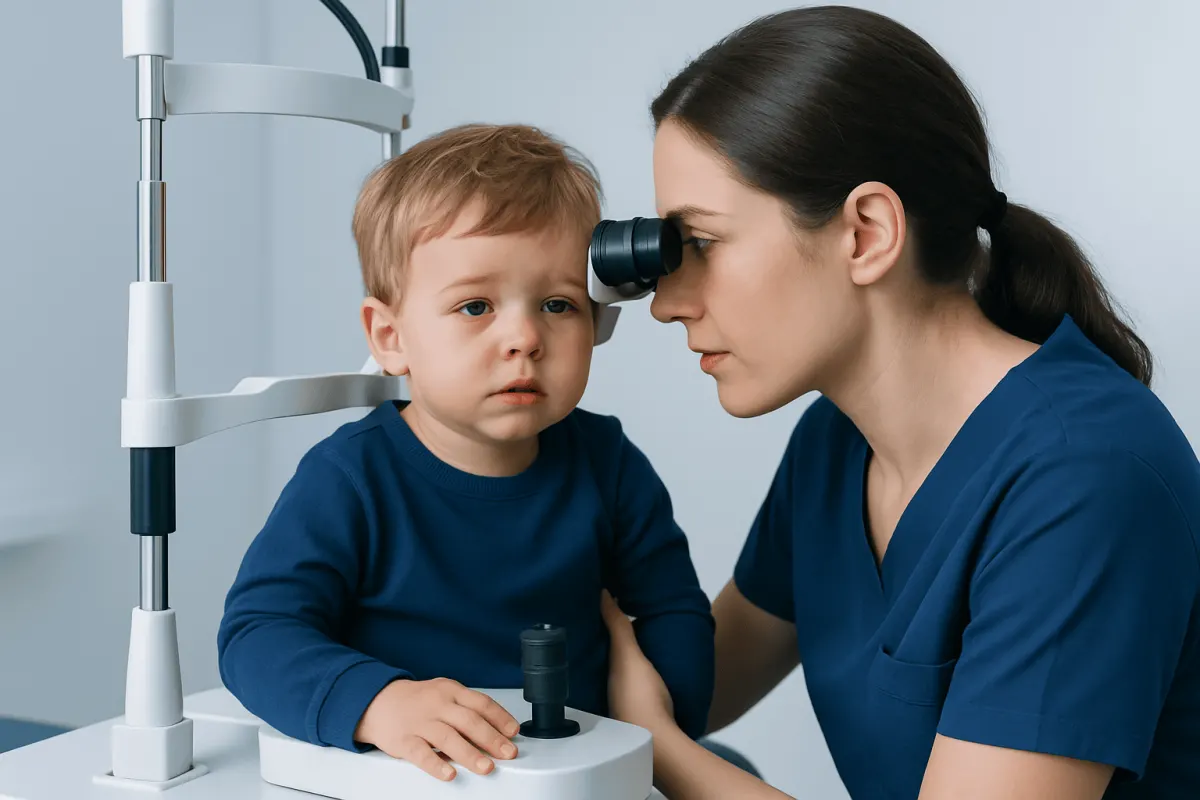
Pink eye in toddlers, medically called conjunctivitis, causes redness of the eye and may include tearing, discharge, itching, or eyelid crusting. It is often mild and manageable, but the likely cause and a toddler’s age and symptoms help determine whether medical care is needed.
Pink Eye in Toddlers: An Overview
Pink eye in toddlers is the everyday term for conjunctivitis, inflammation of the conjunctiva. This clear, thin tissue lines the inside of the eyelids and covers the white part of the eye. When it becomes irritated or infected, the eye may appear pink or red, watery, sticky, or uncomfortable.
Conjunctivitis is common in young children because toddlers touch their faces often, share close contact in childcare settings, and may not yet be able to describe eye discomfort clearly. It can affect one eye first and then the other. Although it often settles without lasting problems, the cause matters because viral, bacterial, allergic, and irritant-related pink eye are managed differently.
Parents and caregivers should avoid trying to diagnose the cause from redness alone. A child’s overall health, the type of eye discharge, the presence of itching or cold symptoms, and whether there is pain or trouble seeing all help a healthcare professional decide on the appropriate care.
What Pink Eye Looks and Feels Like in Toddlers
A toddler may not say that an eye feels gritty, itchy, or sore. Instead, caregivers may notice frequent rubbing, blinking, fussiness in bright light, watery eyes, or reluctance to open the eye after sleeping. Redness can involve the white of the eye, the inner eyelids, or both.
Discharge can provide useful information, though it does not confirm a diagnosis on its own. Clear or watery tearing is common with viral infection, allergies, and irritation. A thicker yellow or green discharge that causes the eyelids to stick together, especially after sleep, can occur with bacterial conjunctivitis. Both eyes may become involved over time.
Other symptoms may include a mild eyelid puffiness, crusting along the lashes, a runny nose, cough, or sore throat. Pronounced itching, especially in both eyes, is more suggestive of an allergic trigger. A simple conjunctivitis usually does not cause severe pain, major light sensitivity, or reduced vision; these symptoms need medical attention.
- Eye redness or a pink appearance
- Watery eyes or tearfulness
- Sticky lashes or eyelid crusting
- Rubbing, blinking, or apparent irritation
- Itching, particularly with allergies
- Cold-like symptoms in some viral cases
Causes and How Pink Eye Spreads

Viral conjunctivitis is a frequent cause of pink eye in children. It may occur with a common cold and can spread through contact with infected eye secretions or respiratory droplets. It often starts in one eye, produces watery discharge, and may spread to the second eye within days.
Bacterial conjunctivitis is caused by bacteria and may produce thicker discharge and eyelids that are stuck together on waking. It can also be contagious. A clinician may recommend observation or prescribe antibiotic eye drops or ointment when bacterial infection is considered likely, depending on the child’s symptoms and local clinical guidance.
Allergic conjunctivitis is not contagious. It happens when the immune system reacts to triggers such as pollen, dust mites, animal dander, or mold. It often affects both eyes and is typically dominated by itching and watery eyes. Smoke, chlorine, shampoos, and other irritants can also temporarily inflame the conjunctiva without infection.
Pink eye can spread easily when it is infectious, particularly in households and childcare environments. Toddlers may transfer germs from their hands to their eyes and then onto toys, surfaces, or other people. Careful handwashing is therefore an important part of home care.
How Doctors Diagnose Conjunctivitis in Young Children
Healthcare professionals can often diagnose conjunctivitis by asking about symptoms and examining the child’s eyes and eyelids. They may ask when the redness began, whether one or both eyes are involved, the appearance of discharge, possible allergy exposures, recent illnesses, and whether other household members have symptoms.
The examination looks for conjunctival redness, discharge, eyelid swelling, and signs that suggest another eye condition. In most uncomplicated cases, laboratory testing is not needed. If symptoms are severe, persistent, recurrent, unusual, or not improving as expected, a clinician may consider further testing or referral to an eye specialist.
It is important to distinguish pink eye from problems such as a scratched cornea, a foreign body in the eye, blocked tear drainage, eyelid infection, or more serious infection around the eye. These conditions may need different treatment. Parents should not use leftover eye drops, another person’s medication, or redness-relieving drops unless specifically advised by a qualified clinician.
Treatment and Comfort Measures
Treatment depends on the cause. Viral conjunctivitis commonly improves with time and supportive care. A clean, cool or comfortably warm compress applied gently to the closed eyelid may soothe irritation. Caregivers can use clean cotton or a soft clean cloth dampened with cooled boiled water or clean water, wiping gently from the inner corner outward and using a fresh section for each wipe.
If bacterial conjunctivitis is suspected, a doctor may prescribe antibiotic eye medicine. Antibiotics do not treat viral or allergic conjunctivitis, so they should only be used when a clinician recommends them. Caregivers should follow the prescribed instructions, avoid touching the dropper or tube tip to the eye or lashes, and complete the advised course unless the prescriber gives different instructions.
For allergic conjunctivitis, reducing exposure to known triggers and using cool compresses may help. A clinician or pharmacist can advise whether an age-appropriate allergy treatment is suitable. Oral allergy medicines and medicated eye drops are not appropriate for every toddler, so professional guidance is important.
Do not patch a toddler’s eye, use contact lenses during active symptoms, or place herbal preparations, breast milk, or non-sterile substances in the eye. These approaches may worsen irritation or introduce infection. Any child with suspected eye infection should be assessed if symptoms are concerning or do not follow an expected mild course.
Limiting Spread and Supporting Recovery at Home
For contagious viral or bacterial pink eye, frequent handwashing with soap and water is the most practical way to reduce spread. Adults should wash their hands before and after cleaning the child’s eye or giving prescribed eye medicine. Toddlers can be encouraged to wash hands with supervision and to avoid rubbing their eyes.
Use separate washcloths, towels, pillows, and face cloths for the affected child where practical. Wash items that come into contact with the face or eye secretions, and regularly clean frequently touched toys and surfaces. Avoid sharing eye drops, cosmetics, or personal towels among family members.
Whether a toddler can attend childcare depends on the child’s well-being, the likely cause, the amount of discharge, and the center’s policy. Many public-health recommendations do not require exclusion for every case of conjunctivitis, particularly when the child feels well and can participate. A pediatrician can advise when uncertainty exists, and caregivers should follow local childcare requirements.
Children should be encouraged to rest, drink normally, and return to usual activity as they feel able. Comfort measures may ease symptoms, but persistent redness or discharge should not be assumed to be harmless if the child appears unwell or symptoms are worsening.
When to Seek Medical Care
Parents should contact a doctor promptly if a toddler has significant eye pain, marked sensitivity to light, changes in vision, inability to keep the eye open, severe redness, or rapidly increasing eyelid swelling. These are not typical features of uncomplicated pink eye and can indicate a need for timely assessment.
Medical advice is also important if the child has fever and appears very unwell, has swelling or redness of the skin around the eye, has had an eye injury or possible foreign body, or has a weakened immune system. Infants, especially newborns with red eyes or discharge, require prompt medical evaluation because eye infections at this age need specific assessment and treatment.
A clinician should review symptoms that do not begin improving within a few days, recur repeatedly, or worsen despite recommended care. Acıbadem Health Point’s multidisciplinary specialists and JCI-accredited hospitals can assess and treat eye concerns for international patients when specialist care is needed.
Frequently asked questions
01Is pink eye in toddlers contagious?
Viral and bacterial conjunctivitis can be contagious, while allergic and irritant-related conjunctivitis are not. Good hand hygiene, avoiding shared towels, and cleaning eye discharge carefully can help limit spread. A clinician can help determine the likely cause when symptoms are unclear.
02How can a parent tell if a toddler has viral or bacterial pink eye?
Viral pink eye often causes watery discharge and may occur with cold symptoms. Bacterial pink eye may cause thicker yellow or green discharge and eyelids that stick together after sleep. These patterns overlap, so an examination may be needed before deciding whether antibiotics are appropriate.
03Do toddlers with pink eye always need antibiotic drops?
No. Antibiotic drops or ointment only treat bacterial infection and do not help viral or allergic conjunctivitis. Many mild cases improve with supportive care, but a doctor may prescribe antibiotics when bacterial infection is suspected or symptoms warrant treatment.
04Can a toddler go to daycare with pink eye?
This depends on the child’s overall condition, the amount of discharge, the suspected cause, and the daycare’s rules. Many children can return when they feel well enough to participate and hygiene measures can be followed. Parents should check the center’s policy and seek medical advice if needed.
05What home care is safe for a toddler with pink eye?
A clean warm or cool compress and gentle cleaning of discharge can improve comfort. Caregivers should wash their hands before and after eye care and use separate clean cloths for each eye. They should avoid using leftover antibiotics, adult eye drops, or non-sterile home remedies.
06When is pink eye in a toddler an emergency?
Urgent medical assessment is needed for significant pain, light sensitivity, vision changes, severe swelling, an inability to open the eye, injury, or a child who seems seriously unwell. Newborns with a red eye or discharge should also be evaluated promptly. These symptoms may indicate a condition other than simple conjunctivitis.
This article is for general information only and is not a substitute for professional medical advice. Please consult a qualified doctor about your individual situation.
Explore treatments in Turkey — costs, top hospitals & a free quote
JCI-accredited · board-certified surgeons · reply within 24h
Add us as a Preferred Source to see more of our trusted health content across Google Search, AI Overviews and Discover.