Pimple Behind Lip: Common Causes and When to Seek Care

A pimple behind the lip is usually a small, non-serious bump caused by irritation, a blocked minor salivary gland, a canker sore, or a spot near the lip line. Because several mouth and skin conditions can look similar, a bump that lasts longer than two weeks, recurs often, grows, or causes significant pain should be checked by a dentist or doctor.
Overview: What Can a Pimple Behind the Lip Be?
A pimple behind the lip can describe a white, red, clear, or tender bump on the inner surface of the lip, just inside the mouth, or at the border where the lip meets the surrounding skin. Although it may look like acne, true acne generally develops in hair-bearing skin with oil glands and is less likely to form on the moist inner lining of the lip. The location, appearance, duration, and associated symptoms help distinguish the likely cause.
Many bumps in this area are temporary. For example, a person may develop a small sore after accidentally biting the lip, eating sharp or acidic foods, or having dental work. A blocked minor salivary gland can also create a smooth, translucent swelling called a mucocele. These are common and often harmless, but they can be uncomfortable or recur.
Other possibilities include a canker sore, a cold sore caused by herpes simplex virus, irritation from toothpaste or lip products, or less commonly a dental infection that is draining into nearby tissues. It is not possible to confirm the cause from appearance alone in every case. A qualified clinician can examine the mouth, teeth, gums, and surrounding skin when the bump is persistent or concerning.
How Different Causes May Look and Feel
A mucocele commonly appears on the inside of the lower lip as a round, soft, smooth bump. It may look clear, bluish, or slightly pink and can change in size. It forms when saliva cannot drain normally from a minor salivary gland, often after lip biting or minor trauma. Some mucoceles rupture and shrink on their own, but they may return if the gland remains blocked.
A canker sore, also called an aphthous ulcer, is usually a shallow, painful ulcer rather than a raised pimple. It often has a white, yellowish, or gray center with a red border. Canker sores are not contagious and may occur after minor injury, stress, illness, or exposure to irritating foods. They often heal within one to two weeks.
Cold sores usually occur on or close to the outer lip edge, though they can affect nearby areas. They may start with tingling, itching, burning, or tenderness, followed by small grouped blisters that break and crust. Unlike canker sores, cold sores can be contagious, especially when blisters or open sores are present.
A white or yellow point at the lip border may occasionally be an inflamed follicle or acne-type spot, particularly after shaving, cosmetic use, friction, or touching the area frequently. A painful swelling near the upper or lower lip that comes with toothache, gum swelling, bad taste in the mouth, or facial tenderness may instead suggest a dental issue and should not be treated as a simple pimple.
Common Causes and Factors That Can Trigger It
Minor trauma is one of the most common explanations for a bump inside the lip. Repeated lip biting, accidentally biting the mouth while eating, sharp tooth edges, braces, dentures, or vigorous toothbrushing can irritate the delicate oral lining. In some people, the irritation blocks a salivary duct and leads to a mucocele.
Canker sores may be linked with local injury, emotional stress, tiredness, hormonal changes, or foods that are acidic, spicy, salty, or rough in texture. Sodium lauryl sulfate, a foaming ingredient in some toothpastes, may irritate the mouth in susceptible people. Recurrent canker sores can occasionally be associated with nutritional deficiencies, digestive conditions, immune-related illnesses, or medication effects, so frequent episodes merit medical discussion.
Viral infections are another cause. Herpes simplex virus can reactivate after sun exposure, stress, fever, illness, or immune suppression. Contact with an active cold sore can spread the virus through kissing or oral contact. Good hand hygiene and avoiding direct contact with an active sore help reduce transmission.
Less often, lumps around the lip relate to allergic or irritant reactions, bacterial skin infection, cysts, or oral lesions requiring further evaluation. Tobacco use, heavy alcohol use, and ongoing irritation can increase the importance of assessing a mouth lesion that does not heal. This does not mean that every persistent bump is serious, but it does mean it should not be ignored.
Safe Self-Care While the Area Heals
For a small, uncomplicated bump, gentle care is usually appropriate. A person can rinse the mouth with plain water after meals and maintain regular but gentle brushing and flossing. Soft foods may be more comfortable if the area is sore. Avoiding spicy, acidic, very hot, or crunchy foods for a few days can reduce stinging and repeated irritation.
It is important not to squeeze, puncture, scrape, or repeatedly press a pimple behind the lip. Attempting to pop a mucocele, blister, or mouth ulcer can cause bleeding, infection, and additional swelling. Lip biting or chewing should also be avoided where possible; some people find that chewing sugar-free gum briefly helps them notice and interrupt the habit, although it may not suit everyone.
Over-the-counter oral pain-relief products or protective mouth gels may help some people manage temporary discomfort when used according to the product directions and with advice from a pharmacist if needed. People should be particularly careful with products containing numbing medicines in young children, and should seek professional advice for children, pregnancy, chronic health conditions, or regular medication use.
If a cold sore is suspected, avoid kissing, sharing drinks, lip products, towels, or eating utensils while it is active. Handwashing after touching the face is helpful. Antiviral treatment may be appropriate for some people, especially those with frequent, severe, or early-recognized outbreaks, but this should be discussed with a clinician.
How Doctors and Dentists Assess a Lip Bump
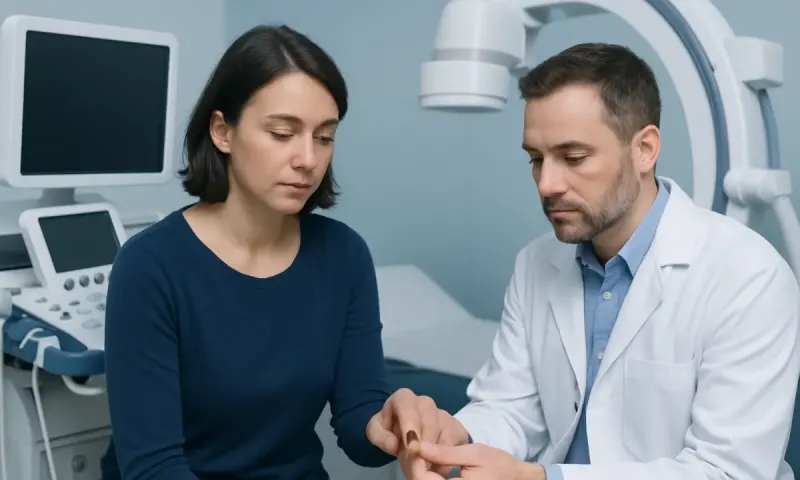
A dentist, family doctor, dermatologist, or ear, nose and throat specialist may diagnose many lip bumps through a careful examination. They will ask when it started, whether it has changed, whether it hurts or bleeds, and whether there have been injuries, dental symptoms, cold sore episodes, new products, or similar lesions in the past.
The examination may include the lips, cheeks, tongue, gums, throat, teeth, and lymph nodes in the neck. A dental examination or dental X-ray may be needed if a tooth or gum infection is suspected. In most cases, extensive testing is not necessary.
If a lesion persists, has an unusual appearance, repeatedly returns, or has features that cannot be identified by examination, the clinician may recommend referral or a small biopsy. A biopsy means removing a tiny sample for laboratory analysis. This is a routine way to clarify the diagnosis and guide the most appropriate care; it does not by itself indicate that a serious condition is expected.
For recurrent ulcers, a clinician may also consider whether blood tests or other evaluation are appropriate, particularly if there are symptoms such as weight loss, persistent diarrhea, fatigue, fever, genital sores, or eye inflammation. The evaluation is individualized and based on the overall health picture.
Treatment Options Depend on the Cause
Many minor injuries and canker sores heal without prescription treatment. Care focuses on reducing pain, avoiding triggers, and protecting the area while it heals. A clinician may recommend a medicated mouth rinse, topical treatment, or another approach for large, very painful, or frequently recurring ulcers.
Mucoceles often settle after the blocked tissue heals, particularly if lip biting stops. If a mucocele remains, interferes with eating or speaking, frequently comes back, or cannot be confidently identified, a dental or oral specialist may recommend a minor procedure to remove or treat the affected gland. This helps reduce recurrence and provides diagnostic certainty when needed.
Cold sores may improve on their own, but antiviral medicines can shorten or lessen outbreaks for some patients when started early. A clinician can advise whether treatment is useful based on the person’s symptoms, health history, and frequency of outbreaks. Antibiotics do not treat cold sores and should only be used when a healthcare professional identifies a bacterial infection.
If the cause is dental, treatment addresses the tooth or gum problem rather than the visible bump alone. This may involve dental cleaning, restoration, root canal treatment, drainage, or other care as clinically indicated. Prompt dental assessment is especially important when tooth pain and facial swelling occur together.
When to Seek Medical Care
A person should arrange an appointment with a dentist or doctor if a pimple behind the lip does not heal or clearly improve within two weeks. Assessment is also sensible when the bump is growing, repeatedly returning, firm, fixed in place, bleeding without an obvious injury, numb, or associated with a persistent red or white patch.
Urgent medical or dental care is needed for facial swelling, fever, worsening severe pain, pus, a spreading rash, trouble opening the mouth, difficulty swallowing, drooling, or breathing difficulty. These symptoms may point to a significant infection or swelling that needs prompt treatment.
People with weakened immune systems, those receiving cancer treatment, or individuals with poorly controlled diabetes should contact a clinician sooner for a new or painful mouth lesion. Babies, young children, and older adults may also need earlier advice if mouth pain makes it difficult to drink enough fluids.
Acıbadem Health Point’s multidisciplinary specialists and JCI-accredited hospitals can assess persistent oral and lip lesions, including possible dental, dermatologic, and ear, nose and throat causes, for international patients. A timely professional review can provide reassurance and ensure that treatment is matched to the underlying condition.
Frequently asked questions
01Is a pimple behind the lip usually serious?
Most small bumps behind the lip are not serious and are related to irritation, a canker sore, a blocked salivary gland, or a minor skin spot. However, a lesion that lasts longer than two weeks, enlarges, or repeatedly returns should be examined by a dentist or doctor.
02Can a mucocele go away on its own?
Yes. Many mucoceles shrink or disappear after the tissue heals, especially when further lip biting or irritation is avoided. If the swelling persists, keeps returning, or affects eating or speech, a clinician can discuss treatment options.
03Should someone pop a bump inside the lip?
No. Popping or puncturing a bump inside the lip may cause bleeding, infection, and further irritation. It can also make a temporary lesion last longer or recur.
04How can someone tell a cold sore from a canker sore?
Cold sores often begin with tingling or burning and usually form clusters of blisters on or near the outer lip border. Canker sores are painful shallow ulcers inside the mouth and are not contagious. A clinician can help if the appearance is unclear.
05Can tooth problems cause a bump behind the lip?
Yes. An infection involving a tooth or gum can sometimes cause swelling, tenderness, or a small draining bump near the lip or gum. Toothache, bad taste, gum swelling, fever, or facial swelling should prompt a dental assessment.
06What home care is safe for a sore bump inside the lip?
Gentle oral hygiene, water rinses, soft foods, and avoiding spicy or acidic foods can reduce discomfort. Avoid touching, biting, or attempting to drain the bump, and ask a pharmacist or clinician about suitable pain-relief options if needed.
This article is for general information only and is not a substitute for professional medical advice. Please consult a qualified doctor about your individual situation.
Hair transplant in Turkey — costs, graft counts & a free assessment
JCI-accredited · board-certified surgeons · reply within 24h
Add us as a Preferred Source to see more of our trusted health content across Google Search, AI Overviews and Discover.