Pigeon Toed: Causes, Symptoms and Treatment

Key Takeaways
- Pigeon toed usually refers to intoeing, where the feet point inward when walking or standing.
- It is often seen in children and may improve naturally as growth continues.
- Common causes include metatarsus adductus, tibial torsion, and femoral anteversion.
- A doctor may recommend observation, exercises, or orthopedic treatment depending on the cause and age.
- Evaluation is important if walking is painful, asymmetrical, worsening, or affecting daily activities.
Pigeon toed walking, also called intoeing, is a common alignment pattern in children and sometimes persists into adolescence or adulthood. In many cases it improves naturally, but a medical assessment can help determine whether the cause is the feet, legs, or hips and whether treatment is needed.
Overview
Pigeon toed is a common way to describe intoeing, a walking pattern in which one or both feet point inward instead of straight ahead. Parents often notice it when a child walks, runs, or stands with the toes turned in. In many children, this is a variation of normal development rather than a sign of serious disease.
The pattern can come from different parts of the body. Some children rotate inward at the feet, others at the lower legs, and some at the thighs or hips. That is why the same visible walking style can have different causes and different follow-up needs.
Most cases are identified during routine pediatric or orthopedic assessment. For families considering care abroad, it is often reassuring to know that evaluation is usually straightforward: a clinician studies the child’s walking pattern, asks about development, and checks whether the alignment is improving over time.
Symptoms
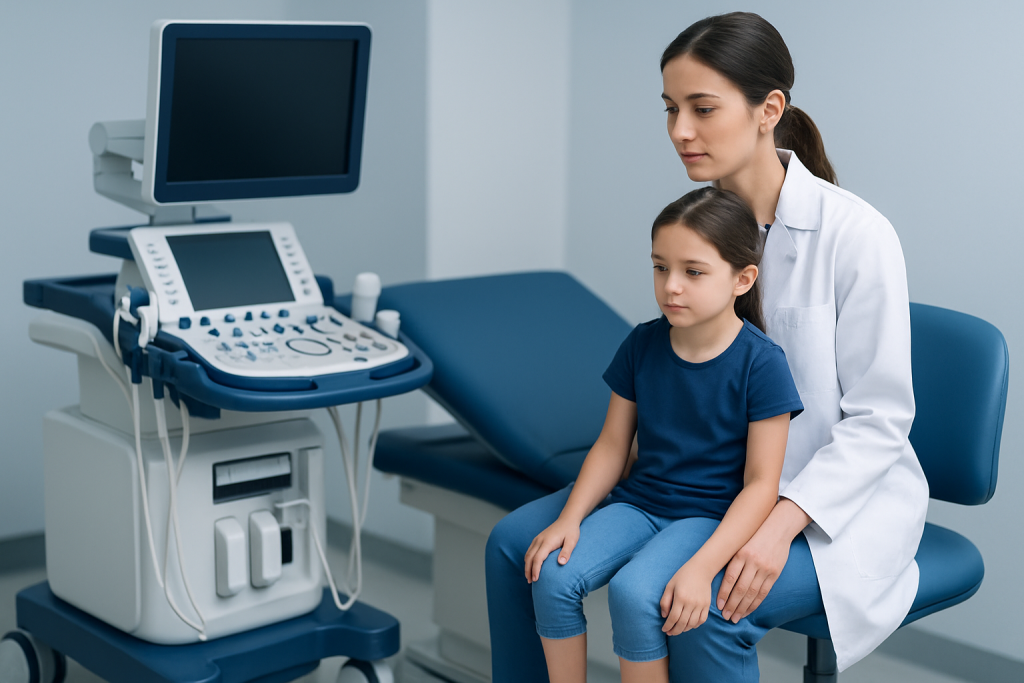
The most visible sign of pigeon toed walking is the inward direction of the feet. A child may appear to walk with the toes pointing toward each other, and the knees may seem to follow that same line. Some children also trip more often, especially when they are tired or moving quickly.
Symptoms are often more noticeable during early walking years, when coordination is still maturing. In many children, the pattern is mild and does not cause pain. Parents may notice it most when looking at shoe wear, photos, or videos taken from the front.
Possible features include:
- Toes that point inward while walking or running
- Feet that seem to turn in when standing
- Frequent tripping or clumsiness
- Uneven walking between the two legs
- Occasional discomfort if there is an underlying structural problem
Pain, stiffness, limp, or loss of function are not typical of simple developmental intoeing and should be assessed by a doctor.
Causes & Risk Factors
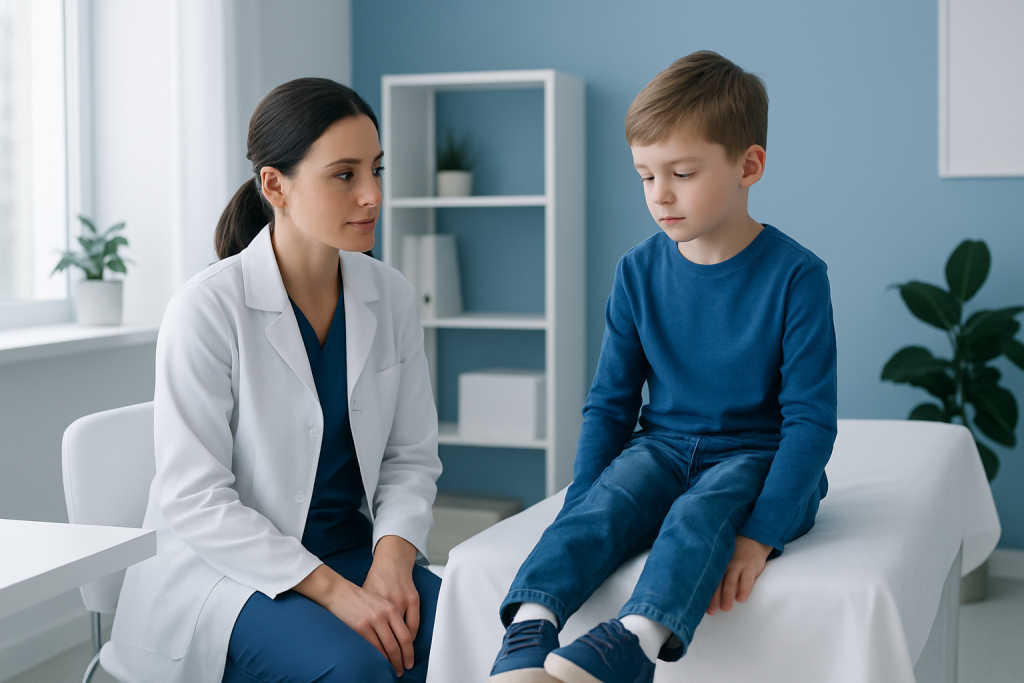
Pigeon toed is not one single diagnosis. It is a visible alignment pattern that can arise from several common childhood variations. Understanding the source matters because treatment decisions depend on where the inward rotation begins.
The three most common causes are metatarsus adductus, where the front part of the foot turns inward; internal tibial torsion, where the shinbone rotates inward; and femoral anteversion, where the thighbone and hip region rotate inward. Each tends to appear at different ages and often improves at a different pace.
Risk factors may include family tendency, breech positioning in the womb, or normal developmental variation during early childhood. Less commonly, intoeing can be related to neuromuscular conditions, hip problems, or other orthopedic concerns, which is why persistent or unusual cases deserve a medical review.
Diagnosis
Diagnosis usually begins with a careful history and physical examination. A clinician asks when the inward walking was first noticed, whether it is changing, whether one side is different from the other, and whether the child has pain, falls, or activity limits. Growth and motor milestones are also part of the picture.
The examination often includes observing the child walk and checking leg rotation, foot shape, hip movement, and overall alignment. In most cases, this is enough to identify the likely source of the intoeing. Imaging is not always necessary, especially when the pattern is mild and the child is otherwise developing normally.
If the findings are unusual, severe, or associated with symptoms, the doctor may consider X-rays or other tests to rule out a structural issue. For international patients, this step can be helpful before travel plans are made, because it clarifies whether the condition needs simple monitoring or a more specialized orthopedic approach.
Treatment Options
Many children with pigeon toed do not need active treatment. When the cause is part of normal growth, the usual approach is observation over time. Families are often advised to follow the child’s development, return for review if the pattern changes, and avoid unnecessary interventions that are unlikely to help.
When treatment is appropriate, it depends on the underlying cause. Mild foot positioning in infants may be monitored. Rotational changes in the shin or thigh often improve gradually with growth. In selected cases, an orthopedic specialist may recommend braces, Arthritis Knee Physical Therapy: Early Signs, Risk Factors, and How It Is Treated" class="ahp-ilk">physical therapy, or guided exercises, although these are not useful for every child and should be chosen for a specific reason.
Surgery is rarely needed for simple intoeing. It may be considered only when a significant structural problem persists, causes functional difficulty, or is linked to another condition. Decisions are individualized, especially for children who travel for care and need a clear plan for postoperative follow-up once they return home.
Prevention & Self-care
Because pigeon toed is usually related to normal growth or natural bone rotation, it is not something parents can always prevent. The focus is more on supportive care, observation, and avoiding unnecessary worry. Many children outgrow the pattern without any special intervention.
At home, it helps to encourage regular physical activity, comfortable footwear, and age-appropriate play that supports balance and coordination. Parents can also take occasional photos or short videos over time, which may help a doctor track whether the alignment is changing.
It is generally better to avoid relying on unproven remedies, rigid shoes, or restrictive devices unless a specialist specifically recommends them. If a family is receiving care in another country, keeping copies of clinic notes, imaging reports, and follow-up instructions can make continued monitoring much easier after travel.
When to See a Doctor
Medical evaluation is a good idea if the inward walking is getting worse, appears only on one side, or is accompanied by pain, limping, stiffness, or repeated falls. These features suggest that the issue may be more than a common developmental variation.
Children should also be seen if the pattern persists beyond the age when the doctor expects improvement, or if parents feel uncertain about whether the child’s gait is within a normal range. A timely visit can provide clarity and prevent unnecessary treatments.
If care is being arranged internationally, families may prefer a visit that combines orthopedic assessment, imaging if needed, and a clear follow-up plan before returning home. Acibadem Health Point’s multidisciplinary specialists and JCI-accredited hospitals diagnose and treat this condition for international patients in a coordinated way, with attention to both the medical findings and the practicalities of travel and recovery.
Living With Pigeon Toed
For many families, the most important part of living with pigeon toed is understanding that the appearance of the walk does not always match the severity of the problem. Some children look noticeably turned in but function well and improve with time. Others may have a milder appearance but need closer review because of pain or asymmetry.
School, sports, and play are often fully possible when the condition is mild. If a child is self-conscious, reassurance can help, along with a clear explanation from the doctor about what is expected to change naturally and what should be watched over time.
When treatment or follow-up is needed across borders, the most useful plan is a simple one: know the cause, know the expected course, and know when to return. That framework helps parents make practical decisions without turning a common developmental pattern into a source of ongoing stress.
Frequently asked questions
01Is pigeon toed the same as intoeing?
Yes. Pigeon toed is a common lay term for intoeing, where the feet point inward when walking or standing. Doctors usually use the term intoeing because it describes the walking pattern more precisely.
02Will a child outgrow pigeon toed walking?
Many children do outgrow it, especially when it is due to normal growth-related rotation in the feet, shins, or thighs. A doctor can estimate whether improvement is likely based on the child’s age and the source of the alignment.
03Can special shoes or braces fix pigeon toe?
Not usually for simple developmental intoeing. Treatment depends on the cause, and many cases improve without devices; a specialist can say whether any support would be useful in a specific situation.
04Does pigeon toed cause pain?
It often does not. Pain, a limp, or stiffness may point to a different issue and should be checked by a doctor rather than assumed to be normal intoeing.
05When should parents be more concerned?
Concern is higher if the inward walking is only on one side, is worsening, causes frequent falls, or comes with pain or a limp. These signs make a professional assessment more important.
06Is surgery common for pigeon toed?
No, surgery is uncommon. It is usually reserved for persistent, significant structural problems that affect function and do not improve as expected.
This article is for general information only and is not a substitute for professional medical advice. Please consult a qualified doctor about your individual situation.
Joint and spine care in Turkey — expert assessment & treatment
JCI-accredited · board-certified surgeons · reply within 24h
Add us as a Preferred Source to see more of our trusted health content across Google Search, AI Overviews and Discover.