Pick’s Disease: Symptoms, Causes, and Treatment Options

Maybe it started with a comment at dinner that was completely out of character. Or a person you’ve known for decades who suddenly stopped caring about work, about friends, about anything. Not forgetful — just different.
Pick’s disease is an older term often used for a form of frontotemporal dementia that gradually affects personality, behavior, language, and decision-making. There is no cure. But a timely diagnosis and supportive treatment can help manage symptoms, improve safety, and support both patients and the families around them.
What Pick's Disease Means
Pick’s disease is a neurodegenerative brain disorder that causes gradual changes in behavior, personality, language, and everyday functioning. In current medical practice, the term is often used loosely to describe a subgroup of frontotemporal dementia rather than a separate diagnosis made during life. Strictly speaking, “Pick’s disease” historically referred to cases in which certain abnormal protein changes, called Pick bodies, were found in brain tissue.
This distinction matters because many patients and families search for Pick’s disease when they are really being told about frontotemporal dementia, or FTD. FTD affects the frontal and temporal areas of the brain, which help regulate behavior, planning, social judgment, emotions, and language. Unlike Alzheimer’s disease, memory loss may not be the first or most obvious symptom.
Symptoms often begin in midlife, but the condition can appear earlier or later. The course is progressive, meaning symptoms usually worsen over time. Because the first signs may resemble stress, depression, relationship difficulties, or a psychiatric condition, diagnosis can be delayed.
Knowing where the old name fits today helps families ask better questions, spot patterns sooner, and get to the right specialist. It also helps to know how this differs from other causes of dementia, including Alzheimer’s disease.
How Symptoms Usually Appear
The symptoms of Pick’s disease depend on which brain regions are most affected. Some people first develop marked changes in behavior and personality. Others mainly experience language problems, such as difficulty finding words, understanding speech, or forming clear sentences.
Behavioral symptoms may include loss of social awareness, impulsive actions, reduced empathy, poor judgment, repetitive habits, apathy, emotional blunting, or overeating. Family members sometimes notice that the person seems unlike their usual self rather than obviously forgetful. They may make inappropriate comments, neglect responsibilities, or lose interest in work and relationships.
Language-related symptoms can include speaking less, using the wrong word, hesitating often, or having trouble understanding complex conversation. Over time, communication may become increasingly difficult, which can lead to frustration or withdrawal. Some patients also develop changes in planning, organization, and decision-making.
- Early signs may involve behavior more than memory.
- Daily routines may become disorganized or repetitive.
- Speech and communication can decline gradually.
- Later stages may affect movement, swallowing, and independence.
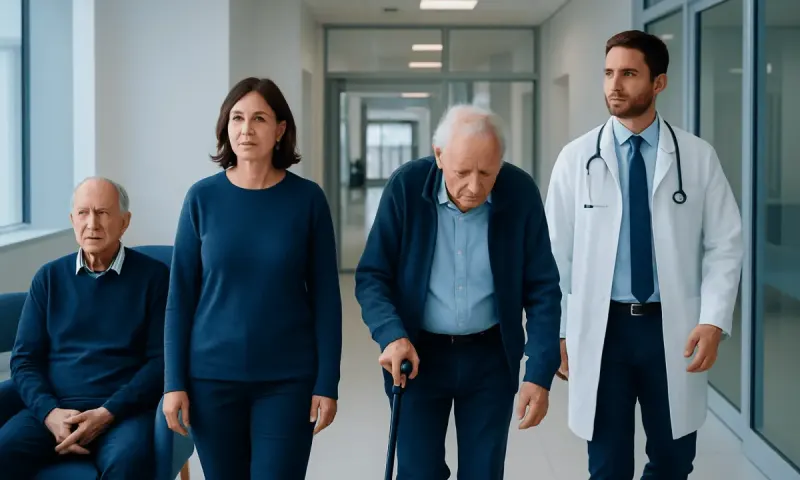
As the condition progresses, patients may need increasing support with finances, medications, personal care, meals, transportation, and safety. Not every person follows the same pattern, but progressive decline is typical.
Causes and Risk Factors

Pick’s disease develops because nerve cells in certain parts of the brain become damaged and gradually die. This damage is linked to abnormal protein buildup inside brain cells. In classic Pick’s disease, these proteins are associated with tau. However, frontotemporal dementia as a broader group can involve different protein abnormalities, which is one reason the modern diagnosis may sound different from the older term.
The exact reason this process starts is not always known. In some families, inherited genetic changes raise the risk of frontotemporal dementia. A family history of early-onset dementia, unexplained personality change, or progressive language disorder can be an important clue. Still, many patients have no known affected relatives.
Age is a significant risk factor, with symptoms commonly beginning between about 45 and 65 years, though onset outside this range can occur. Researchers are studying why some people develop behavioral symptoms while others develop language-dominant forms.
Let us be clear about one thing: Pick’s disease is not caused by ordinary stress, poor lifestyle choices, or normal aging. Although healthy habits support overall brain health, this is a medical brain disorder that needs professional assessment.
How Doctors Diagnose Pick's Disease
There is no single blood test that confirms Pick’s disease during life. Diagnosis is based on a careful clinical evaluation that looks at symptom pattern, rate of progression, neurological findings, and effects on daily life. Doctors often begin by speaking with both the patient and a close family member, since insight into symptoms may be reduced.
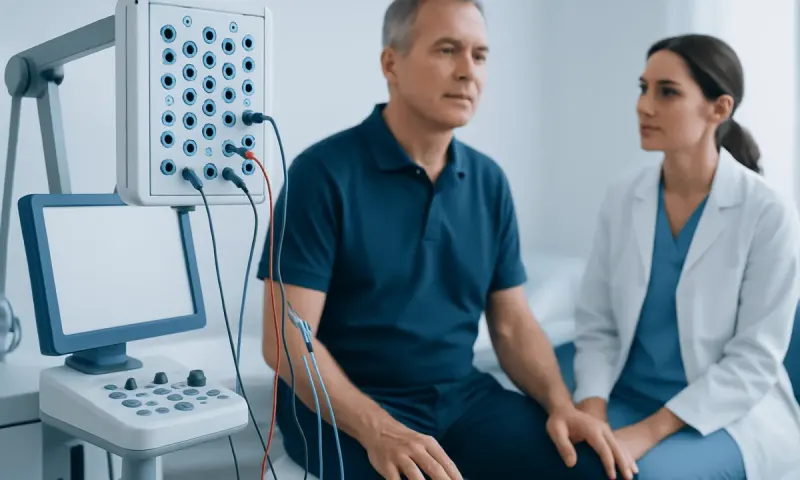
Assessment may include cognitive and language testing, neurological examination, and screening for other causes of decline such as thyroid disease, vitamin deficiency, medication effects, sleep disorders, or depression. Brain imaging is especially important. MRI can show shrinkage in the frontal or temporal lobes, while functional imaging may help in selected cases.
Because other conditions can cause similar symptoms, doctors may also consider Parkinson’s disease spectrum disorders, stroke-related problems, psychiatric illnesses, and other dementias. In some patients, advanced testing is used to better separate frontotemporal dementia from Alzheimer’s disease or other neurodegenerative disorders.
When symptoms are complex, referral to a neurologist, neuropsychologist, speech-language specialist, or memory clinic can be helpful. A structured workup may include neurological examination and MRI imaging as part of the evaluation process.
Treatment Options and Supportive Care
There is currently no cure that stops or reverses Pick’s disease. Treatment focuses on managing symptoms, preserving function where possible, reducing distress, and helping families plan for changing needs. The most helpful care is usually multidisciplinary, combining medical follow-up with rehabilitation and caregiver support.
Medications may sometimes be used to address specific symptoms such as depression, anxiety, irritability, compulsive behaviors, agitation, or sleep problems. Drug choice depends on the person’s symptoms, other health conditions, and safety concerns. Doctors generally review medicines carefully because some can worsen confusion, cause sedation, or increase fall risk.
Non-drug therapies are often central to care. Speech and language therapy may help with communication strategies. Occupational therapy can support daily function and home safety. Physical therapy may be useful if balance, mobility, or stiffness become concerns. In selected patients, physical therapy and rehabilitation can help maintain mobility and comfort.
Practical support is just as important as medical treatment. Families may benefit from routines, simplified communication, supervision around money and driving, meal planning, and legal or care planning early in the disease course. Multidisciplinary support matters at every stage, and especially later on. Acıbadem Health Point’s JCI-accredited hospitals evaluate and treat complex neurological conditions for international patients.
Living With Pick's Disease: Daily Strategies for Patients and Families
Daily life with Pick’s disease often becomes easier when the environment is structured and predictable. Many patients do better with a regular routine, reduced noise, simple choices, and one-step instructions. Clear communication, calm redirection, and avoiding confrontation can reduce frustration for everyone involved.
Families often need practical strategies for safety. These can include organizing medications, supervising driving, protecting finances, labeling rooms or drawers, and reducing access to hazardous tools or appliances if judgment has changed. Nutrition may also need attention if appetite, food preferences, or swallowing begin to change.
Caregivers should also protect their own health. Burnout is common when behavior changes are persistent or communication becomes difficult. Respite care, counseling, support groups, and regular medical follow-up can make long-term caregiving more manageable.
- Keep routines consistent and instructions simple.
- Use short sentences and allow extra time to respond.
- Monitor safety at home, on the road, and with finances.
- Seek support early rather than waiting for a crisis.
Advance care planning is often helpful while the patient can still participate in decisions. This may include discussing future care preferences, legal authority, work changes, and support at home.
When to Seek Medical Care
Medical evaluation is important when a person develops progressive personality change, loss of empathy, poor judgment, unusual behavior, or unexplained language difficulty. These symptoms should not be dismissed as normal aging, stubbornness, or stress when they continue to worsen over time.
Prompt assessment is also needed if symptoms begin to affect work, finances, driving, family relationships, or personal safety. A doctor can look for treatable causes, arrange specialist testing, and help the family understand what support may be needed.
Urgent care may be appropriate if there is sudden confusion, a rapid change from baseline, falls, new weakness, swallowing problems, severe agitation, or signs of self-harm or unsafe behavior. Sudden symptoms are not typical of Pick’s disease and may point to another medical problem that needs immediate attention.
Even without a cure, knowing early is worth a great deal. It shapes how symptoms are managed, gives you time to plan, connects your family with resources, and takes away some of the not-knowing.
Frequently asked questions
01Is Pick's disease the same as frontotemporal dementia?
Pick's disease is often used as an older name for a form of frontotemporal dementia, or FTD. In strict medical terms, classic Pick's disease refers to a specific pathology seen in brain tissue, while FTD is the broader clinical diagnosis used in living patients.
02What are the first signs of Pick's disease?
Early signs often involve behavior, personality, or language rather than memory. Families may notice impulsiveness, apathy, poor judgment, inappropriate social behavior, or increasing difficulty speaking or understanding words.
03Does Pick's disease affect memory?
It can affect memory, especially as the disease progresses, but memory loss is often not the earliest or main symptom. Problems with behavior, planning, social awareness, or language may appear first.
04Can Pick's disease be cured?
There is no cure that can stop or reverse Pick's disease at present. Treatment focuses on managing symptoms, supporting communication and daily function, improving safety, and helping caregivers cope with long-term changes.
05Is Pick's disease inherited?
Some cases are linked to inherited genetic changes, especially when several family members have had similar symptoms or early-onset dementia. However, many people diagnosed with frontotemporal dementia have no clear family history.
06How is Pick's disease diagnosed?
Doctors diagnose it through medical history, neurological examination, cognitive or language assessment, and brain imaging. They also look for other conditions that can mimic dementia symptoms, since there is no single simple test that confirms classic Pick's disease during life.
This article is for general information only and is not a substitute for professional medical advice. Please consult a qualified doctor about your individual situation.
Explore treatments in Turkey — costs, top hospitals & a free quote
JCI-accredited · board-certified surgeons · reply within 24h
Add us as a Preferred Source to see more of our trusted health content across Google Search, AI Overviews and Discover.