Phelan-McDermid Syndrome: Lifelong Care and Support
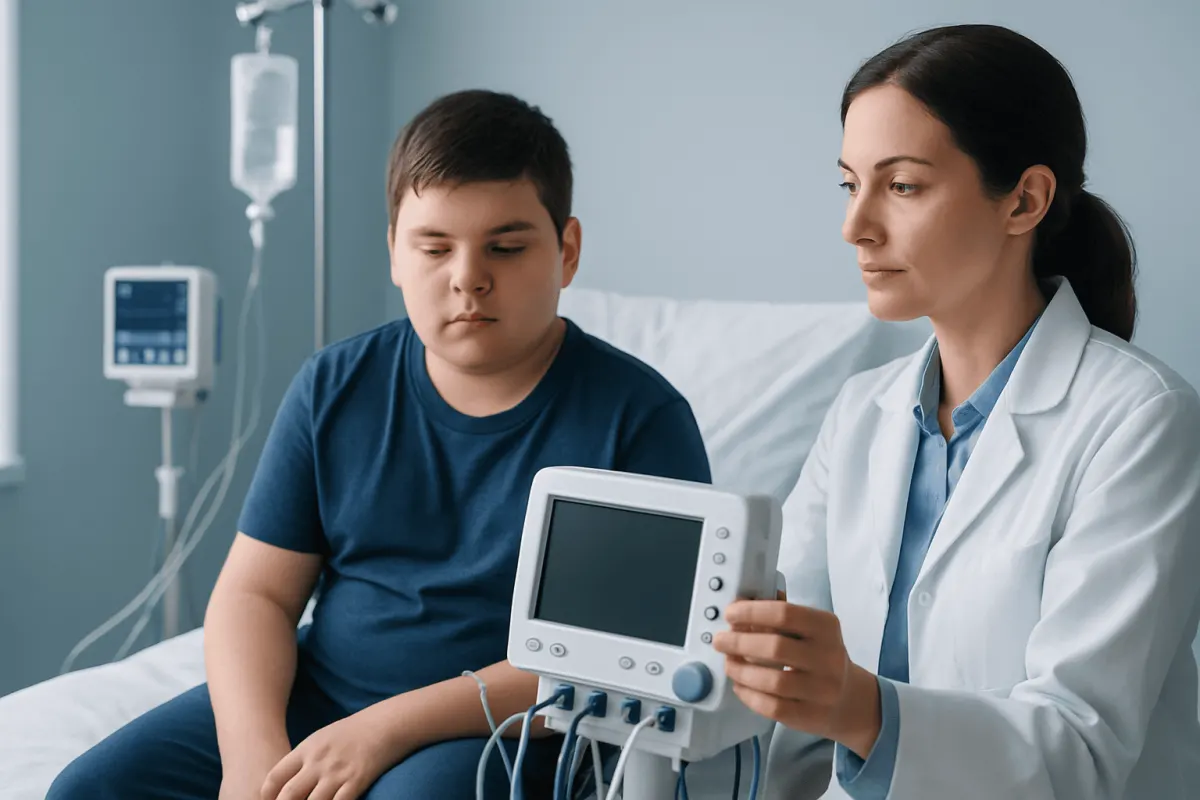
Phelan-McDermid syndrome is a rare genetic neurodevelopmental condition, most often caused by a deletion involving chromosome 22q13 or a change in the SHANK3 gene. There is currently no cure, but genetic diagnosis, early developmental support and regular monitoring can help people receive care matched to their individual needs.
Overview: what is Phelan-McDermid syndrome?
Phelan-McDermid syndrome is a rare genetic condition that primarily affects brain development. It can lead to developmental delay, differences in speech and language, low muscle tone and features associated with autism. The condition is also called 22q13 deletion syndrome when it results from a missing piece of chromosome 22 that includes the SHANK3 gene.
In some people, Phelan-McDermid syndrome is caused by a disease-causing change within SHANK3 rather than a larger chromosome deletion. SHANK3 provides instructions for a protein that helps nerve cells communicate at synapses, the connections between neurons. However, the condition is complex, and a person’s symptoms may also reflect other genes affected by a larger deletion.
Phelan-McDermid syndrome is present from birth, although it may not be recognized immediately. Children can have subtle signs in infancy, such as poor muscle tone or feeding difficulties, while differences in communication and development often become more apparent during early childhood. Symptoms, abilities and support needs differ considerably from one person to another.
How the condition may affect development and daily life
Most people with Phelan-McDermid syndrome have some degree of developmental delay or intellectual disability. Speech and language are often particularly affected. Some children develop only a few spoken words or do not use speech consistently, while others communicate through gestures, signs, pictures, communication devices or a combination of approaches.
Low muscle tone, known as hypotonia, can contribute to delayed sitting, walking and coordination difficulties. A child may have an unsteady gait, reduced endurance or challenges with fine-motor tasks such as using utensils, writing or fastening clothes. Early physical and occupational therapy can support mobility, participation and independence.
Autism-related traits are common and can include differences in social communication, repetitive behaviors, sensory sensitivities or a strong preference for routines. Some individuals have reduced sensitivity to pain or may not clearly show discomfort. Families and caregivers may therefore need to watch for changes in behavior, movement, appetite, sleep or activity that could signal illness or injury.
Some people experience a loss of previously gained skills, often called developmental regression, during later childhood, adolescence or adulthood. Regression can involve communication, self-care, movement or behavior. It should always be assessed promptly because sleep problems, seizures, pain, anxiety, medical illness or medication effects may contribute and may be treatable.
Genetic causes and family planning
Phelan-McDermid syndrome usually results from a missing segment of the long arm of chromosome 22, described as 22q13. The size of the deletion can vary. Larger deletions may involve several genes and can be associated with additional medical or developmental features. A smaller deletion or a variant affecting SHANK3 can also cause the syndrome.
Many genetic changes responsible for Phelan-McDermid syndrome occur for the first time in the affected person and are not inherited from either parent. This is called a de novo change. Less commonly, a parent may carry a chromosome rearrangement or genetic variant that can be passed on, sometimes without having clear symptoms themselves.
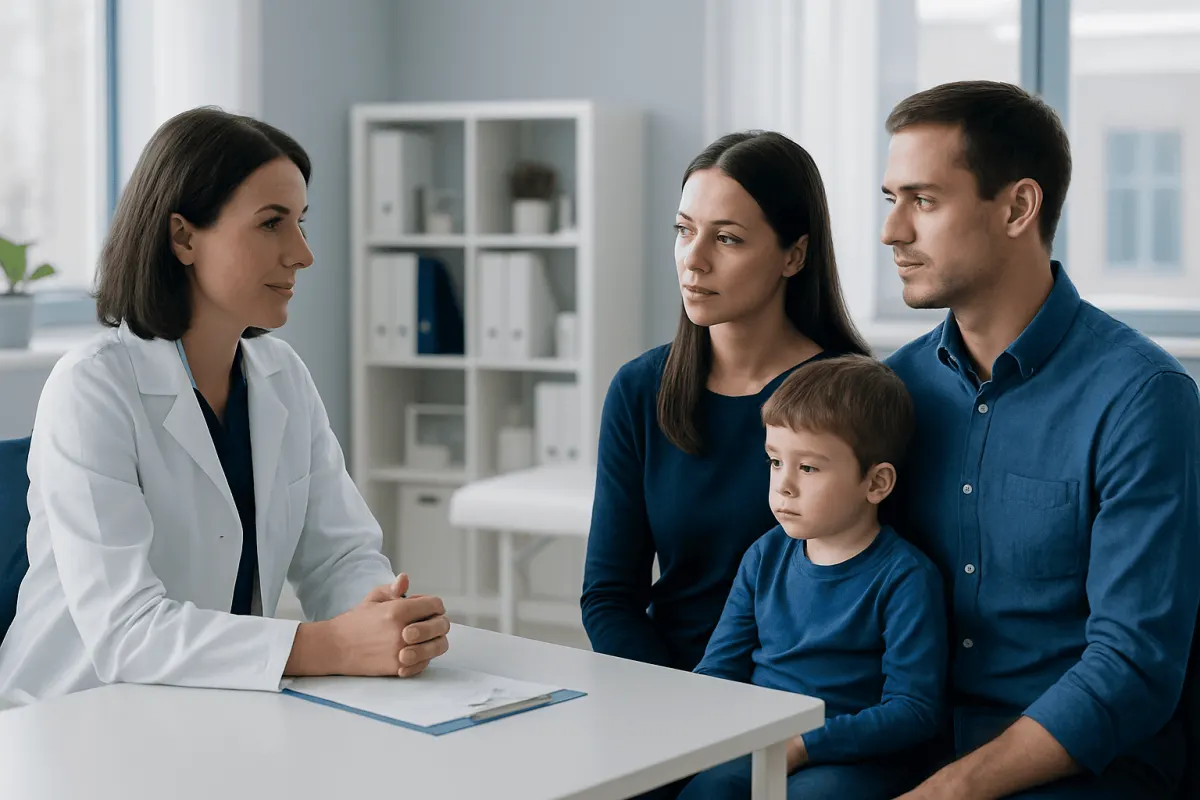
After a diagnosis, genetic counseling is valuable for explaining the test result, discussing whether parental testing is appropriate and reviewing recurrence risk for future pregnancies. Genetic counselors can also discuss available reproductive options in a supportive, non-directive way. The exact chance of recurrence depends on the specific genetic finding in the family.
Diagnosis and assessments after diagnosis
Healthcare professionals may suspect Phelan-McDermid syndrome when a child has significant speech delay, low muscle tone, global developmental delay, autism-related characteristics or unexplained developmental regression. Clinical features alone cannot confirm the condition, because similar signs can occur in many genetic and developmental disorders.
Chromosomal microarray analysis is commonly used to identify a deletion at 22q13. If a microarray does not identify a deletion but the clinical picture remains suggestive, genetic sequencing may look for changes in SHANK3 or other relevant genes. Exome or genome sequencing may be considered when the diagnosis remains uncertain. A genetics specialist can help interpret results, including findings whose significance is not yet clear.
Assessment continues after the genetic diagnosis. Depending on symptoms and the individual’s history, clinicians may recommend evaluations of hearing, vision, sleep, feeding and nutrition, gastrointestinal function, kidney and urinary health, heart health, movement and behavior. An electroencephalogram, or EEG, may be useful when seizures or episodes of unexplained staring, loss of awareness or regression are suspected.
A baseline review gives families and clinicians a practical starting point for monitoring over time. It also helps identify treatable concerns that can affect communication, learning, comfort or behavior. The need and timing of specific tests should be individualized rather than assumed to be the same for every person.
Treatment options and modern care approaches
There is currently no treatment that reverses the genetic cause of Phelan-McDermid syndrome. Care focuses on supporting development, managing medical concerns and improving quality of life. A coordinated plan often involves a pediatrician or adult physician, clinical geneticist, neurologist, developmental specialist, therapists, mental health professionals and other specialists as needed.
Early intervention is particularly important. Speech and language therapy should include assessment for augmentative and alternative communication, such as picture-based systems, sign language or speech-generating devices. Occupational therapy can help with sensory needs, daily living skills and fine-motor development, while physical therapy can address low muscle tone, balance, strength and mobility.
Medical treatment is based on the person’s symptoms. For example, seizures are assessed and treated by a clinician with epilepsy expertise, while sleep difficulties, constipation, reflux, feeding problems, anxiety or behavioral distress may each need targeted evaluation. Medication may be considered for specific diagnosed conditions, but should be selected and monitored carefully because responses can differ between individuals.
Research is exploring how changes in SHANK3 affect brain signaling and whether targeted medicines, genetic therapies or other approaches could be helpful in the future. These approaches remain under investigation and are not established routine treatments. Families considering a clinical trial should discuss its purpose, eligibility criteria, possible burdens and safety monitoring with their medical team.
Supporting communication, health and participation
Daily support works best when it is built around the individual’s strengths, preferences and ways of communicating. A communication plan should be used consistently at home, school and in healthcare settings. Giving extra time to respond, using visual schedules and preparing for transitions can reduce frustration and make routines more predictable.
Regular dental care, balanced nutrition, physical activity suited to the person’s abilities and attention to sleep can support general health. Because some people may have difficulty describing pain or discomfort, caregivers can keep a record of changes in sleep, appetite, bowel habits, activity, mood or behavior. This information can be helpful during medical appointments.
Educational support should be individualized and reviewed as needs change. Many children benefit from individualized learning plans, accommodations for sensory or communication needs and goals that promote practical skills and social participation. As a person approaches adulthood, planning may also address healthcare transition, work or day programs, living arrangements, financial support and community inclusion.
Families may find emotional and practical support through rare disease organizations, disability services and parent networks. These resources can help caregivers share strategies, learn about services and feel less isolated while still recognizing that every person’s experience of Phelan-McDermid syndrome is different.
Outlook and when to seek medical care
The outlook for Phelan-McDermid syndrome is variable. Many people live into adulthood, and abilities can continue to develop with appropriate communication tools, education, therapy and medical care. At the same time, some people need substantial support throughout life. A genetic diagnosis cannot reliably predict every individual’s developmental path or future medical needs.
Ongoing follow-up helps a care team respond to new concerns and adjust support over time. It is especially important to discuss loss of skills, a marked change in behavior, new sleep problems, worsening balance or movement, feeding changes and concerns about mental health. These changes do not always indicate a serious complication, but they deserve assessment.
Urgent medical assessment is needed for a first suspected seizure, repeated seizures, loss of consciousness, serious injury, breathing difficulty, severe dehydration, persistent vomiting, sudden weakness or a rapid decline in function. Caregivers who are unsure whether symptoms are urgent should contact a qualified healthcare professional or local emergency service for guidance.
Acıbadem Health Point’s multidisciplinary specialists and JCI-accredited hospitals can support diagnosis, developmental assessment and individualized management for international patients with complex genetic conditions, working alongside families and their local care teams.
Frequently asked questions
01Is Phelan-McDermid syndrome the same as autism?
No. Phelan-McDermid syndrome is a genetic condition, while autism spectrum disorder is a neurodevelopmental diagnosis based on behavior and development. Autism-related traits are common in Phelan-McDermid syndrome, but not every person has the same profile or meets criteria for autism.
02At what age is Phelan-McDermid syndrome diagnosed?
Diagnosis can occur in infancy, childhood or adulthood. It is often identified after concerns about delayed milestones, very limited speech, low muscle tone or autism-related features lead to genetic testing. Increased use of chromosomal microarray and sequencing has helped some people receive a diagnosis earlier.
03Can Phelan-McDermid syndrome be inherited?
Yes, but many cases happen de novo, meaning the genetic change is new in the affected person. In some families, a parent may carry a related genetic change or chromosome rearrangement. Genetic counseling and parental testing can clarify the likely inheritance pattern and recurrence risk.
04Does everyone with Phelan-McDermid syndrome have seizures?
No. Seizures occur in some people with the condition but are not present in everyone. New staring spells, episodes of unresponsiveness, unusual movements, falls or developmental regression should be discussed with a clinician, who may recommend neurological assessment or an EEG.
05Is there a cure for Phelan-McDermid syndrome?
There is no cure or proven disease-modifying treatment at present. However, early intervention, communication support, therapies and treatment of medical concerns can make a meaningful difference in comfort, skills and participation. Research into targeted therapies is ongoing.
06What specialists may be involved in care?
Care may involve a clinical geneticist, pediatrician or primary care physician, neurologist, developmental specialist, speech-language therapist, occupational therapist and physical therapist. Other specialists, such as gastroenterologists, psychiatrists, sleep specialists, cardiologists or kidney specialists, may be involved when symptoms indicate a need.
This article is for general information only and is not a substitute for professional medical advice. Please consult a qualified doctor about your individual situation.
Explore treatments in Turkey — costs, top hospitals & a free quote
JCI-accredited · board-certified surgeons · reply within 24h
Add us as a Preferred Source to see more of our trusted health content across Google Search, AI Overviews and Discover.