Petit Mal Fits: Symptoms, Causes and Treatment

Key Takeaways
- Petit mal fits are usually brief absence seizures with sudden staring and reduced awareness.
- They are often subtle, so teachers, parents, and coworkers may notice them before the person does.
- Diagnosis typically includes a detailed history, neurological examination, and EEG testing.
- Treatment may involve anti-seizure medicines and practical safety planning.
- Most people benefit from regular follow-up, especially when seizures begin in childhood or affect daily activities.
Petit mal fits, now more commonly called absence seizures, are brief episodes of staring or awareness loss that can be easy to miss. With the right diagnosis and treatment, many people manage them well and return to school, work, and daily life with confidence.
Overview
The term petit mal fits is an older expression that usually refers to absence seizures. These seizures are short, generalised episodes in which a person briefly stops responding, often appearing as a blank stare. Because the event may last only a few seconds, it can be mistaken for daydreaming, inattention, or fatigue.
Absence seizures are most often seen in children, although they can also occur in teenagers and adults. They are one type of epilepsy-related seizure and usually begin and end suddenly. Many people recover immediately afterward and continue with whatever they were doing, which is one reason these episodes may go unrecognised for some time.
For families considering care across borders, this condition is often evaluated with a careful history rather than a single test alone. A neurologist will want to know what the episodes look like, how often they happen, and whether there are any triggers or learning concerns. That practical detail helps distinguish absence seizures from other causes of staring spells.
Symptoms
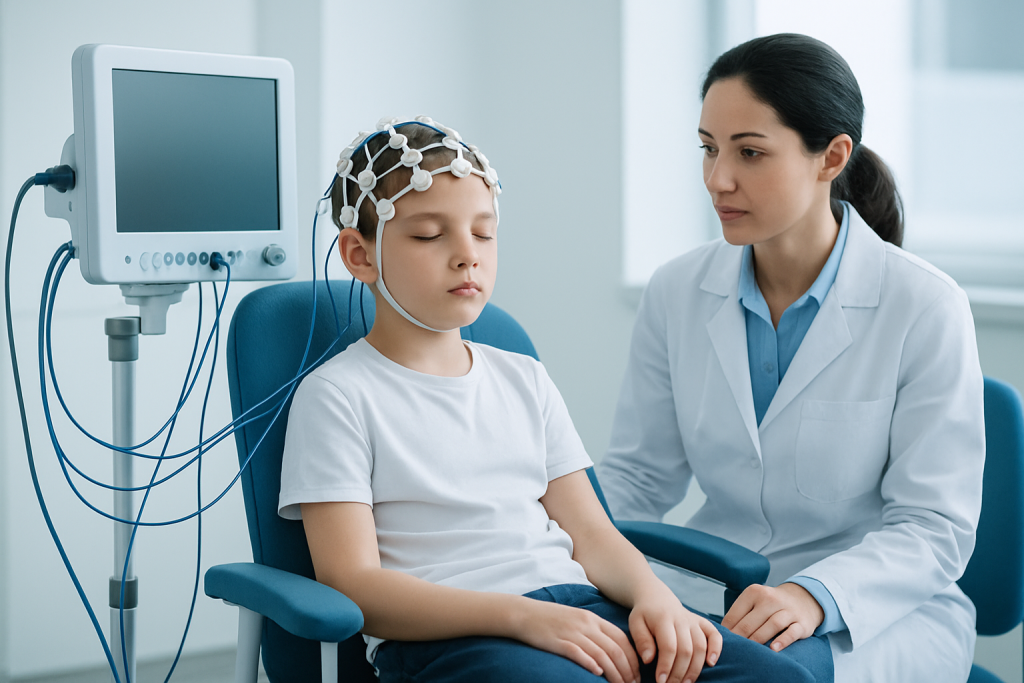
The classic sign of a petit mal fit is a brief interruption in awareness. The person may look straight ahead, stop speaking mid-sentence, or seem momentarily detached from the surroundings. In many cases, the episode lasts only a few seconds and ends as quickly as it started.
Other features may include subtle eye blinking, small mouth movements, or a pause in hand activity. Some people do not remember the event at all, while others only notice that “something felt off.” Because the seizure is short and there is usually no confusion afterward, it can blend into everyday life unless someone is watching closely.
Common clues include:
- Sudden staring with reduced response to voices or touch
- Brief pauses in speech or activity
- Eyes that may flutter or blink repeatedly
- Return to normal behaviour immediately after the event
- Episodes that happen many times a day in some people
Unlike many other seizure types, absence seizures usually do not involve falling, strong shaking, or a prolonged recovery period. Even so, frequent episodes can affect learning, concentration, work performance, or safety during activities such as crossing a street or cooking.
Causes & Risk Factors

Petit mal fits are linked to abnormal electrical activity in the brain. In many people, especially children with childhood absence epilepsy, the exact reason this happens is not fully understood. Genetics appear to play a role in some cases, and a family history of seizures may increase the likelihood.
Certain factors can make absence seizures more likely or more noticeable. These include lack of sleep, illness, stress, and in some people flashing lights or long periods of boredom and inactivity. However, triggers vary from person to person, and not everyone has an obvious pattern.
Risk may be higher in children, particularly between early school age and adolescence. Absence seizures can also occur alongside other seizure types in some epilepsy syndromes. Because the causes are not always simple, a proper medical evaluation is important rather than relying on observation alone.
Diagnosis
Diagnosis usually starts with a detailed conversation about what happens before, during, and after the episodes. A doctor may ask family members, teachers, or coworkers to describe the events, since the person having the seizure may not notice them clearly. If possible, a video recorded by a parent or companion can be very helpful.
A neurological examination is typically part of the assessment, along with an electroencephalogram (EEG), which records brain activity. During absence seizures, the EEG often shows a characteristic pattern that helps confirm the diagnosis. In some cases, the doctor may also recommend blood tests or brain imaging to rule out other conditions, depending on the age of the patient and the overall picture.
When the episodes involve children studying abroad or adults travelling for a second opinion, clear record-sharing is especially useful. Previous school reports, medication lists, and descriptions of any earlier seizure events can save time and help the specialist make a more accurate diagnosis. The goal is to understand the full pattern, not just one isolated episode.
Treatment Options
Treatment depends on the type of absence seizure, the person’s age, and whether other seizure types are present. Anti-seizure medicines are commonly used to reduce or stop episodes. A neurologist chooses the most suitable option based on the individual’s overall seizure pattern, because some medicines used for other seizure types are not ideal for absence seizures.
Medication is only one part of care. Families and patients also need clear guidance on safety, school or workplace planning, and what to do if seizure patterns change. For people travelling internationally for treatment, follow-up planning matters as much as the first consultation, since medicine monitoring and seizure tracking often continue after returning home.
In some cases, absence seizures are part of a broader epilepsy syndrome and need longer-term follow-up. If side effects, breakthrough episodes, or developmental concerns appear, the treatment plan may be adjusted. The aim is steady control with the fewest disruptions to daily life.
Prevention & Self-care
Not every petit mal fit can be prevented, but good habits can reduce the chance of episodes becoming more frequent. Regular sleep, taking prescribed medicine consistently, and avoiding missed doses are practical starting points. Many people also benefit from noticing and limiting personal triggers such as sleep deprivation or high stress.
Daily self-care can be very ordinary and still very effective. Keeping a seizure diary, eating regularly, staying hydrated, and arranging calm breaks during intense study or work periods may all help. For children, teachers should know what the episodes look like so they do not mistake them for behaviour problems.
Helpful steps may include:
- Following the treatment plan exactly as prescribed by the neurologist
- Keeping sleep and wake times as regular as possible
- Tracking seizure timing, duration, and possible triggers
- Sharing an action plan with school, family, or colleagues
- Asking the doctor before using new medicines or supplements
For international patients, self-care also includes practical planning for travel: enough medication for the trip, copies of medical records, and a clear plan for follow-up appointments after returning home. Those small details can make care feel much more manageable.
When to See a Doctor
Any unexplained staring spells, repeated brief pauses in awareness, or sudden lapses in concentration should be evaluated by a doctor, especially if they happen more than once. It is important not to assume that a child is simply daydreaming or that an adult is just tired, since absence seizures can be subtle.
Medical review is also important if episodes are becoming more frequent, if learning or work performance is slipping, or if there are other types of seizure activity. A doctor should be contacted sooner if the person has an injury during an episode, prolonged confusion, or a seizure lasting longer than expected for that individual.
If a family is seeking specialist care from another country, the most useful first step is a Neurology: Memory, Balance, and Nerve Problems in Older Adults" class="ahp-ilk">Geriatric Neurology Consultation: What Tests Might Be Recommended?" class="ahp-ilk">neurology consultation with a clear written history of the events. Acibadem Health Point’s multidisciplinary specialists and JCI-accredited hospitals diagnose and treat this condition for international patients, with attention to both the medical workup and the practicalities of ongoing care. Even so, treatment decisions should always be made with a qualified doctor who knows the full clinical picture.
Frequently asked questions
01What are petit mal fits called today?
Petit mal fits are most commonly called absence seizures. The newer term is preferred because it describes what the seizure looks like rather than using an older label. They are a type of seizure that briefly affects awareness.
02How can absence seizures be different from daydreaming?
Absence seizures usually start suddenly and stop suddenly, with the person not responding during the event. Daydreaming can often be interrupted by speaking to or touching the person, while an absence seizure cannot. A doctor may use a history and EEG to tell the difference.
03Do petit mal fits only happen in children?
No. They are more common in children, but adolescents and adults can also have absence seizures. In some people, they are part of a broader epilepsy pattern that continues beyond childhood.
04Can a person drive if they have absence seizures?
Driving rules depend on local laws and seizure control. In general, a person should discuss driving with their neurologist and follow the legal requirements in their country or region. Safety decisions are usually based on how well the seizures are controlled over time.
05Are petit mal fits dangerous?
The seizures themselves are often brief, but they can still affect safety if they happen during tasks that need attention, such as crossing a road or using machinery. They may also interfere with learning and daily concentration if they occur often. Proper diagnosis and treatment help reduce these risks.
06What should families do during an episode?
Stay calm and keep the person safe. Gently guide them away from immediate hazards and note how long the episode lasts, then inform the doctor if the spells are recurring or changing. If the event is unusual or followed by collapse, shaking, or prolonged confusion, medical assessment is needed.
This article is for general information only and is not a substitute for professional medical advice. Please consult a qualified doctor about your individual situation.
Explore treatments in Turkey — costs, top hospitals & a free quote
JCI-accredited · board-certified surgeons · reply within 24h
Add us as a Preferred Source to see more of our trusted health content across Google Search, AI Overviews and Discover.