Period Panties: Benefits, Uses and Care

Key Takeaways
- Period panties are specially designed underwear with absorbent layers that help collect menstrual fluid.
- They may be used alone for light to moderate flow or as backup protection on heavier days.
- Choosing the right absorbency, fit, and care routine can improve comfort and reliability.
- Changes in bleeding patterns, very heavy flow, or persistent leaks should be discussed with a clinician.
- They are one option within a broader menstrual-care plan, not a replacement for medical evaluation when symptoms seem unusual.
Period panties are absorbent underwear designed to help manage menstrual flow, spotting, or backup protection during a period. They can be a practical, reusable option for many people, especially when comfort, convenience, and discreet protection matter.
Overview
Period panties, also called menstrual underwear, are underwear made with built-in absorbent layers that help manage menstrual flow. For many people, they offer a reusable alternative or complement to pads, tampons, and menstrual cups, especially on days when comfort and simplicity are priorities.
They are designed to look and feel like regular underwear, while using technical fabrics to absorb fluid, reduce odor, and help prevent leaks. Depending on the style, they may be used for light spotting, a full period day, overnight protection, or as backup protection alongside another menstrual product.
For people traveling, working long hours, or adjusting to a different routine away from home, period panties can be a practical part of menstrual care. They are easy to pack, do not rely on single-use supplies, and may help reduce the stress of finding products at the right time.
How Period Panties Work
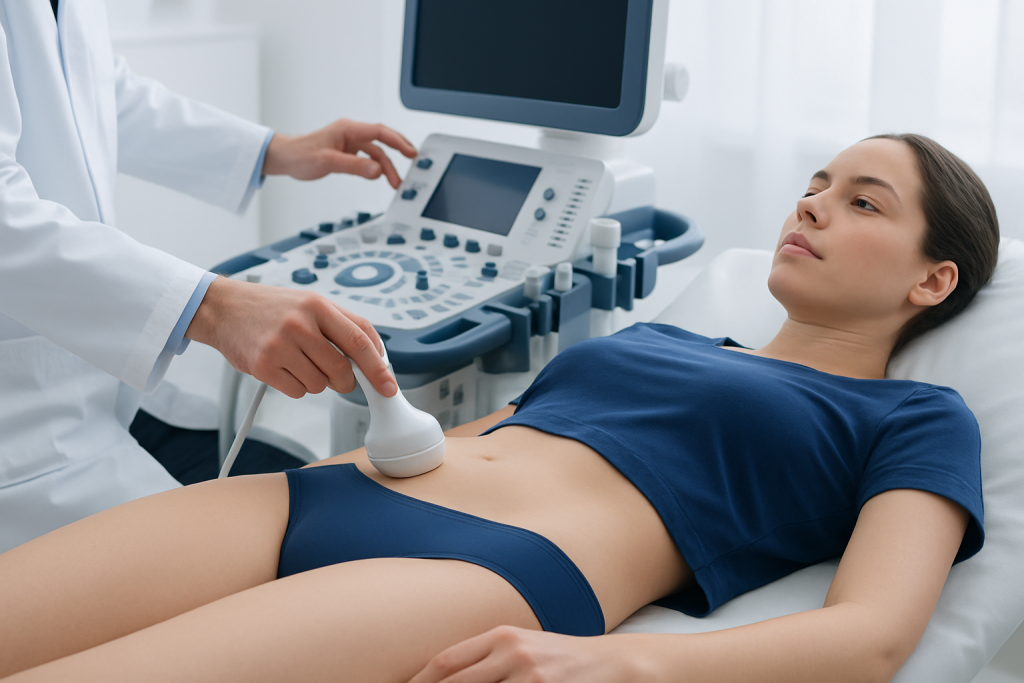
Most period panties use several layers, each with a specific job. One layer pulls moisture away from the skin, an absorbent core holds the fluid, and a leak-resistant outer layer helps keep clothing dry. The result is a product designed for both comfort and function.
Different brands and styles vary widely. Some are made for light flow or spotting, while others are designed for heavier days or overnight wear. The amount of fluid they can hold depends on the construction, fit, and individual bleeding pattern, so it is important to match the product to the situation rather than assuming one pair suits every day.
Many people like that period panties feel familiar compared with internal menstrual products. Others use them as a backup layer for added confidence during busy days, long flights, school exams, or hospital visits when bathroom access may be unpredictable.
- Light-absorbency styles may suit spotting or the end of a period.
- Moderate-absorbency styles may fit typical daytime use.
- High-absorbency or overnight styles may offer extra protection while sleeping.
Signs They May Be a Good Fit

Period panties may be a good option for someone who wants reusable menstrual protection and values a low-maintenance routine. They can also suit those who prefer not to use internal products, or who want a more discreet option under clothing.
They are often useful for people with unpredictable spotting, lighter periods, or as backup protection on heavier days. Some choose them during postpartum bleeding or while recovering from procedures, but that use should always follow medical guidance, since postpartum and post-procedure bleeding needs individualized advice.
Comfort matters as much as absorbency. A well-fitting pair should feel secure without digging in, and the user should feel confident changing them at appropriate intervals. If a person notices repeated leaks despite the right absorbency, the issue may be sizing, timing, or a sign that menstrual flow is heavier than expected.
Causes & Risk Factors for Choosing the Right Protection
The need for menstrual protection depends on individual bleeding patterns, activity level, and personal comfort. Flow can vary from one person to another and from one cycle to the next, so choosing period panties is often about matching the product to real-life needs rather than selecting a single universal solution.
Some factors may make reusable protection especially appealing. These include sensitive skin, dislike of disposable products, a desire to reduce laundry-related waste over time, or travel schedules that make regular product restocking inconvenient. Others may use them simply because they are comfortable and easy to wear for long periods.
It is also important to recognize when menstrual flow may be heavier than normal. Very large clots, soaking through protection quickly, or bleeding that interferes with daily activities can point to an underlying issue that deserves medical attention, such as hormonal imbalance, fibroids, adenomyosis, or other gynecologic conditions.
Diagnosis and Assessment
Period panties themselves do not require a medical diagnosis, but the bleeding they are used for sometimes does. A clinician may ask about cycle timing, flow volume, pain, clotting, and whether bleeding happens between periods or after sex. These details help distinguish a typical period from bleeding that should be evaluated.
If a person is exploring menstrual care because of frequent leaks, a doctor may suggest tracking how often products need changing and whether protection fails at certain times of day or night. This practical information can be more helpful than trying to estimate blood loss in abstract terms.
For Myomectomy Recovery for International Patients: The Usual Travel Timeline" class="ahp-ilk">international patients seeking care, it is often useful to bring a simple record of symptoms, previous test results, and any medications or supplements used. That can make a consultation more efficient and help the care team decide whether the issue is mainly about product choice or whether testing is needed for a broader menstrual-health concern.
Treatment Options and Product Choices
There is no medical treatment required for most people who simply want to use period panties. The main decision is choosing the right style, absorbency level, and backup routine. Some people wear them alone on light days, while others pair them with a cup, tampon, or pad for longer outings or heavier flow.
When bleeding is unusually heavy or irregular, treatment depends on the cause. A clinician may discuss hormonal options, nonhormonal medicines, or other gynecologic treatments after evaluation. In that situation, period panties can still be used as supportive protection, but they should not be the only response if bleeding is concerning.
For best comfort and reliability, it helps to look for a fit that matches body shape and movement. Seam placement, waistband rise, and coverage can matter just as much as absorbency. People with sensitive skin may prefer softer fabrics and fragrance-free laundry products to reduce irritation.
- Choose light, moderate, or heavy absorbency based on the day’s needs.
- Consider overnight styles for sleep or long stretches between changes.
- Keep a spare pair in a bag when traveling or spending the day away from home.
Prevention & Self-care
Good self-care starts with washing and drying period panties according to the manufacturer’s instructions. In general, rinsing after use and laundering with mild detergent helps preserve the absorbent layers and supports hygiene. Avoiding fabric softener is often recommended because it can affect absorbency.
It is also wise to have a realistic backup plan. Even well-made period panties have limits, and changing them at a sensible interval helps prevent leaks and discomfort. For long journeys, overnight stays, or demanding workdays, carrying a spare pair can be reassuring.
People who experience cramps, fatigue, or mood changes during their cycle may benefit from pairing menstrual protection with broader self-care, such as rest, hydration, and pain management strategies recommended by a clinician. Period underwear can make daily life easier, but it works best as part of an overall menstrual-health routine.
When to See a Doctor
Medical advice is important if bleeding is much heavier than usual, if soaking through protection happens quickly, or if periods are so unpredictable that daily life becomes difficult to manage. These patterns may reflect a condition that is treatable once identified.
It is also sensible to seek care for bleeding between periods, after sex, after menopause, or along with severe pelvic pain, dizziness, or signs of anemia such as unusual tiredness. A person should not assume that repeated leaking means they simply need a different product; sometimes the flow itself deserves assessment.
For those considering care abroad, a specialized consultation can help clarify whether the issue is menstrual-product selection, a hormone-related concern, or a gynecologic condition requiring further testing. Acibadem Health Point’s multidisciplinary specialists and JCI-accredited hospitals diagnose and treat women’s health conditions for international patients with coordinated care and follow-up planning.
Living With Period Panties in Real Life
The appeal of period panties often becomes clear in ordinary routines: getting dressed quickly, commuting, attending class, or sleeping without worrying about adhesive strips or changing a product at inconvenient moments. Many people appreciate that they feel more like everyday clothing than a medical device.
That said, the most comfortable routine is usually a flexible one. Some cycles are light enough for one pair to last much of the day; others call for a change, a backup pad, or a different absorbency level. Learning through a few cycles is normal and often helps people settle on what works best for them.
For a patient balancing work, travel, or recovery in another country, the best menstrual solution is usually the one that is predictable, easy to manage, and consistent with medical advice. Period panties can be part of that plan, especially when they are chosen with realistic expectations and a good understanding of one’s own bleeding pattern.
Frequently asked questions
01Can period panties replace pads or tampons completely?
They can for some people on light or moderate days, depending on the product’s absorbency and the person’s flow. On heavier days, many users prefer them as backup protection rather than the only option. Trying them at home before relying on them for travel or long days can help build confidence.
02How long can period panties be worn?
That depends on the absorbency of the underwear and the amount of bleeding. They should be changed when they feel wet, after the manufacturer’s recommended wear time, or sooner if leakage starts. A practical routine is usually safer and more comfortable than waiting until they feel saturated.
03Do period panties smell?
When used and washed properly, they should not create a strong odor. Odor can increase if the pair is worn too long, if bleeding is heavy, or if washing instructions are not followed. If odor is unusual or persistent, it may be worth reviewing hygiene practices or asking a clinician about possible infection or bleeding concerns.
04Are period panties safe for sensitive skin?
Many people with sensitive skin find them comfortable because they avoid adhesives and some internal products. However, fabric choice and detergent matter, and some users react to dyes, fragrances, or rough seams. A fragrance-free laundry routine and a softer, well-fitting style can help reduce irritation.
05What if leaks keep happening even with high-absorbency period panties?
Repeated leaks can mean the size or absorbency is not the right match, but they can also suggest heavy menstrual bleeding. If the problem continues, a doctor should assess the bleeding pattern and check for possible causes. A medical review is especially important if there is pain, dizziness, or bleeding between periods.
This article is for general information only and is not a substitute for professional medical advice. Please consult a qualified doctor about your individual situation.
Explore treatments in Turkey — costs, top hospitals & a free quote
JCI-accredited · board-certified surgeons · reply within 24h
Add us as a Preferred Source to see more of our trusted health content across Google Search, AI Overviews and Discover.