The Perineum and Why Symptoms There Have Many Causes

Ever felt soreness in that small area between the genitals and the anus — after a long bike ride, a long day of sitting, or childbirth? That area is called the perineum. Small as it is, it matters more than most people realize: it helps with pelvic support, urination, bowel function, sexual health, and childbirth. And because so much happens there, symptoms in this area can come from irritation, injury, infection, or pelvic floor problems.
Overview: what the perineum is and why it matters
The perineum is the area of tissue between the external genitals and the anus. In women, it lies between the vaginal opening and the anus. In men, it lies between the scrotum and the anus. It’s a small area, but it belongs to a larger support system of muscles, nerves, skin, connective tissue, and the pelvic floor.
This region helps support the pelvic organs and contributes to urination, bowel control, sexual function, and comfort during movement and sitting. So many structures meet here that symptoms can have several different causes. You might notice pain, pressure, skin irritation, swelling, numbness, or tenderness — and what these mean depends on which tissues are involved.
The perineum is also important in childbirth. During a vaginal delivery, the tissues of the perineum stretch to allow the baby to pass. In some cases, the area may tear or require repair. Outside pregnancy, the perineum may also be affected by sports injuries, long periods of sitting, cycling, infections, cysts, hemorrhoids, and pelvic floor disorders.
Basic anatomy of the perineum
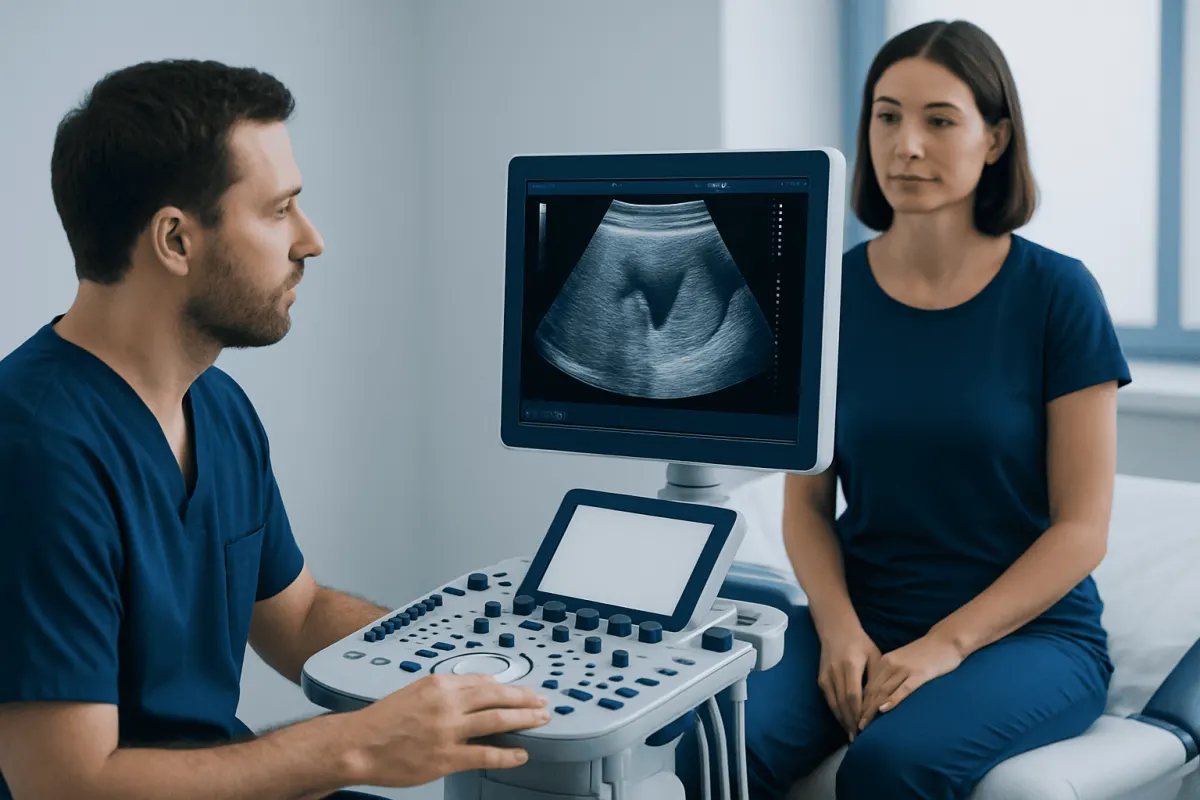
From a medical point of view, the perineum sits below the pelvic floor and contains soft tissues that help support the openings of the urinary, reproductive, and digestive systems. The area includes skin, fat, fascia, muscles, blood vessels, and nerves. The exact anatomy differs slightly between men and women because of the external genital structures, but the basic supportive role is similar.
The muscles in and around the perineum work with the pelvic floor. These muscles help control urination and bowel movements and also contribute to sexual function. Nearby nerves provide sensation to the genital and anal region. If a nerve becomes compressed or irritated, a person may feel burning, tingling, or numbness in the perineum.
Because the perineum is close to the anus, urethra, and genitals, symptoms from one nearby structure can sometimes be felt in this area even when the perineal tissue itself is not the primary problem. For example, a urinary tract issue, a skin condition, or hemorrhoids may be felt as perineal discomfort. That’s why doctors often examine the whole pelvic region, not just one spot.
Common symptoms involving the perineum
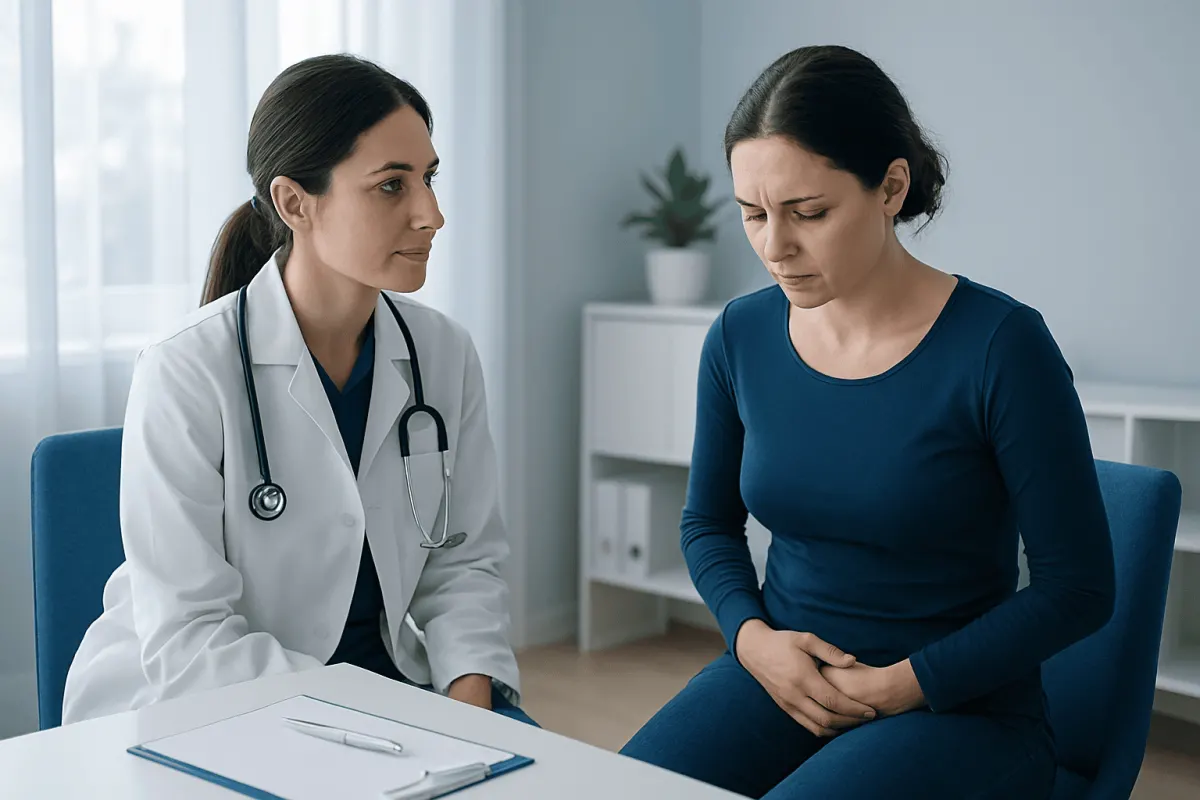
Perineal symptoms vary widely. Some people describe a dull ache or sense of pressure, while others report sharp pain, stinging, itching, burning, or throbbing. Symptoms may be constant or may occur mainly during sitting, exercise, sex, urination, bowel movements, or after childbirth. Tenderness to touch and visible swelling are also common reasons for concern.
In some cases, the skin of the perineum may become red, irritated, moist, cracked, or bumpy. A rash, cyst, abscess, or ingrown hair may affect the area. People may also notice bruising after an injury or childbirth. If the underlying issue involves muscles or nerves, there may be pain without much visible change on the skin.
Symptoms that deserve careful attention include fever, increasing redness, drainage of pus, trouble passing urine, severe pain, heavy bleeding, loss of bowel control, or numbness that spreads. These don’t always mean something serious, but they can point to infection, deeper tissue injury, or a nerve problem — so have a clinician take a look.
- Pain or pressure in the area between the genitals and anus
- Burning, itching, or skin irritation
- Swelling, bruising, or a painful lump
- Discomfort during sitting, cycling, sex, urination, or bowel movements
- Numbness, tingling, or altered sensation
Causes and risk factors
Perineal problems can arise from many causes. A common one is physical strain or direct pressure, especially from cycling, rowing, prolonged sitting, or strenuous exercise. Childbirth is another major cause, as the tissues may stretch, tear, or become tender during vaginal delivery. Minor trauma, falls, and sports injuries can also affect the region.
Infections and inflammatory conditions may involve the perineum because of its location near the urinary tract, genitals, and anus. Skin infections, fungal irritation, abscesses, infected cysts, and sexually transmitted infections can cause pain, redness, warmth, or discharge. Nearby problems such as anal fissures, hemorrhoids, prostatitis in men, or vulvar irritation in women may also be felt in the perineal area.
Muscle and nerve conditions are another important group of causes. Pelvic floor tension, spasms, and nerve irritation can lead to chronic or recurring pain, especially when sitting. Some people develop perineal symptoms after pelvic surgery or after repeated strain from constipation. Evaluation may also consider related conditions such as urinary incontinence or pelvic organ support problems if bladder or bowel symptoms are present.
Risk factors depend on the underlying cause, but they may include prolonged pressure on the area, vaginal childbirth, constipation, obesity, poor hygiene, skin sensitivity, high-impact sports, previous pelvic injury, and certain infections. Age can also play a role, as tissue healing and pelvic support may change over time.
How doctors diagnose perineal problems
Diagnosis starts with a detailed history. The doctor will usually ask where the symptoms are felt, when they started, what makes them better or worse, and whether there are related urinary, bowel, sexual, skin, or gynecologic symptoms. Recent childbirth, trauma, exercise habits, surgery, and infections are also important clues.
A physical examination often includes inspection of the skin and nearby structures, gentle palpation for tenderness or swelling, and assessment of the pelvic floor and surrounding muscles when appropriate. Depending on symptoms, the examination may involve a gynecologist, urologist, colorectal specialist, dermatologist, or pelvic floor specialist. The goal is to identify whether the issue is mainly skin-related, muscular, neurologic, infectious, or structural.
Additional tests are only used when needed. These may include urine testing, swabs for infection, blood tests, ultrasound, or MRI if a deeper injury or abscess is suspected. For persistent functional symptoms, doctors may evaluate pelvic floor dysfunction and may recommend specialized assessment or pelvic floor therapy to address muscle coordination and pain.
Treatment options for perineal pain or injury
Treatment depends on the cause. Mild irritation or strain may improve with rest, avoiding pressure on the area, warm baths, careful hygiene, and short-term pain relief recommended by a doctor. If sitting makes symptoms worse, a soft cushion or activity modification may help while the area recovers. Good hydration and preventing constipation can reduce strain during bowel movements.
When infection is present, treatment may include prescription medication or drainage of an abscess if needed. Skin conditions may require creams or other targeted therapies based on the diagnosis. Childbirth-related tears are managed according to their severity, and healing is monitored over time. If the problem is muscular, a personalized rehabilitation approach may be more helpful than medication alone.
Pelvic floor dysfunction can respond well to guided exercises, relaxation techniques, posture changes, and supervised therapy. Some people benefit from physical therapy and rehabilitation if symptoms are linked to muscle tension, pelvic alignment, or recovery after childbirth or surgery. If a structural problem is identified, doctors may recommend procedures such as hemorrhoid treatment or other specialist care.
The good news: most perineal symptoms improve once we find and treat the cause. Don’t ignore pain that lingers — especially if it disturbs your sleep, work, exercise, or quality of life. Long-lasting symptoms usually deserve a wider look, so nearby pelvic conditions aren’t missed.
Self-care and prevention
Many everyday steps can help protect the perineum. Good hygiene, breathable clothing, and keeping the area dry can reduce irritation. Avoiding harsh soaps, fragranced products, and prolonged moisture may also help, especially for sensitive skin. If exercise causes pressure on the area, adjusting technique, equipment, or training intensity can be useful.
Try to avoid constipation — straining puts extra pressure on the pelvic floor and perineum. A balanced diet, plenty of fluids, and regular movement can make bowel habits easier. After childbirth or pelvic procedures, following medical advice about activity, wound care, and recovery exercises can support healing.
People with recurring symptoms may benefit from pelvic floor assessment, especially if they also have urinary leakage, pelvic heaviness, constipation, or pain with sex. Targeted support may include supervised exercises, relaxation strategies, and treatment for related conditions. In complex cases, multidisciplinary care is often the most practical way to address overlapping muscle, nerve, skin, and pelvic organ issues.
Near the end of the care pathway, some patients may need specialist review in a center that can coordinate different disciplines. Acıbadem Health Point’s multidisciplinary specialists and JCI-accredited hospitals diagnose and treat perineal and pelvic floor conditions for international patients when more advanced assessment is needed.
When to seek medical care
Medical advice is recommended if perineal symptoms last more than a few days, keep returning, or interfere with normal activities such as sitting, walking, urinating, or having a bowel movement. New symptoms after childbirth, pelvic surgery, or trauma should also be discussed with a clinician, particularly if healing does not seem to be progressing.
Urgent medical assessment is important for severe pain, rapidly increasing swelling, fever, foul-smelling discharge, pus, trouble passing urine, heavy bleeding, or loss of sensation in the area. These symptoms can point to infection, significant injury, or a problem affecting nerves or nearby structures.
And if your symptoms are mild but something feels off — come in anyway. Getting checked early keeps treatment simpler and spares you weeks of discomfort. Because the perineum connects to several body systems, the right specialist can pin down the cause and guide the safest next steps.
Frequently asked questions
01What is the perineum?
The perineum is the area between the genitals and the anus. It contains skin, muscles, nerves, and connective tissues that help support pelvic function, including urination, bowel control, sexual function, and, in women, childbirth.
02Why does the perineum hurt?
Perineal pain can result from many causes, including muscle strain, prolonged sitting, cycling, childbirth, infections, skin irritation, hemorrhoids, nerve irritation, or nearby pelvic conditions. Because the causes vary, persistent or severe pain should be evaluated by a doctor.
03Is perineal pain after childbirth normal?
Some soreness and swelling can be common after vaginal childbirth, especially if there was stretching or tearing. However, severe pain, worsening swelling, fever, unusual discharge, or delayed healing should be assessed promptly.
04Can cycling cause perineum numbness or pain?
Yes. Repeated pressure from a bicycle seat can irritate the soft tissues and nerves of the perineum, leading to pain, tingling, or numbness. Adjusting the bike fit, saddle type, posture, and riding duration may help, but ongoing symptoms should be checked by a clinician.
05How are perineal problems diagnosed?
Doctors usually begin with a medical history and physical examination. Depending on the symptoms, they may also use urine tests, swabs, imaging, or referral to a gynecologist, urologist, colorectal specialist, dermatologist, or pelvic floor therapist.
06When is perineal pain an emergency?
Urgent care is needed if there is severe or rapidly worsening pain, fever, spreading redness, pus, heavy bleeding, difficulty passing urine, or numbness in the area. These symptoms may signal infection, significant injury, or nerve involvement.
This article is for general information only and is not a substitute for professional medical advice. Please consult a qualified doctor about your individual situation.
Persistent digestive symptoms? Get evaluated in Turkey
JCI-accredited · board-certified surgeons · reply within 24h
Add us as a Preferred Source to see more of our trusted health content across Google Search, AI Overviews and Discover.