Perianal Hematoma: Symptoms, Causes, and Treatment Options
You strain a little on the toilet, stand up, and suddenly there’s a sharp pain and a tender lump right at the edge of the anus. That’s often a perianal hematoma: a pocket of blood collected under the skin near the anus, which usually causes sudden pain and a tender lump.
It gets mistaken for hemorrhoids all the time, but it’s a separate problem. It may settle on its own, or, in selected cases, be treated with a minor procedure.
Overview
A perianal hematoma is a collection of blood trapped under the skin around the anus. It usually develops when a small vein ruptures, leading to a firm, tender lump that may look blue, purple, or dark red. The pain often begins suddenly and can be noticeable during sitting, walking, or bowel movements.
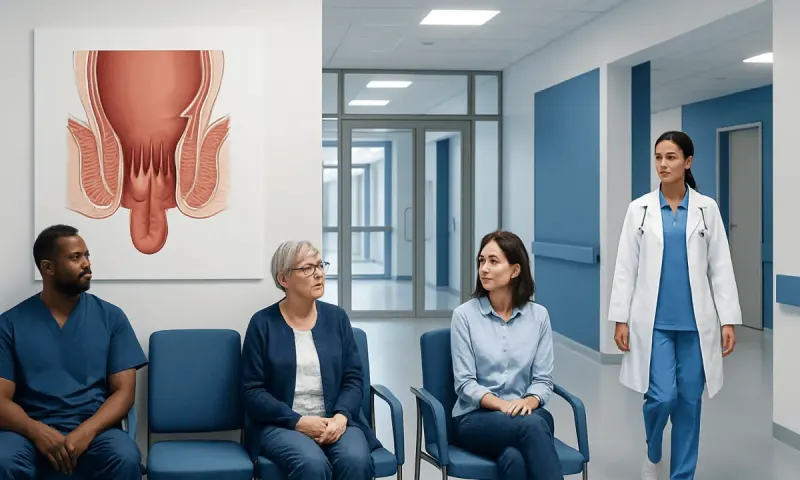
Although people sometimes call it an “external hemorrhoid,” a perianal hematoma is not exactly the same thing. Hemorrhoids are swollen vascular cushions in or around the anal canal, while a perianal hematoma is more like a bruise with a clot under the skin. Because the symptoms can overlap, the two are often confused, especially when there is a painful lump near the anus.
Most of the time this isn’t dangerous. Over days to weeks, your body reabsorbs the blood and things settle. But the pain at the start can be real, and it’s worth having a doctor confirm the diagnosis and talk through whether a simple procedure would help.
Symptoms and what it feels like
The most common symptom of a perianal hematoma is sudden anal pain with a lump just outside the anus. The lump is usually tender to the touch and may feel tense or firm. Pain is often worse when sitting, straining, coughing, or passing stool.
The skin over the area may appear swollen and discolored. Some people notice mild spotting of blood, especially if the skin becomes irritated, but heavy bleeding is uncommon. In general, the discomfort tends to be more prominent than bleeding.
Symptoms can vary in intensity depending on the size of the clot. Small hematomas may cause mainly pressure or soreness, while larger ones can make daily activities uncomfortable. A few features that people commonly report include:
- A painful lump at the anal edge
- Blue, purple, or dark red discoloration
- Pain when sitting or during bowel movements
- A feeling of fullness or pressure
- Mild local irritation or spotting
Because other anorectal conditions can cause similar symptoms, including hemorrhoids, anal fissures, skin infections, or rarely more serious disorders, persistent or uncertain symptoms should be checked by a qualified clinician.
Causes and risk factors

A perianal hematoma forms when pressure suddenly increases in the small veins around the anus and one of them breaks. Blood then collects under the skin rather than flowing out, creating the characteristic lump. Often there is no single obvious trigger, but many people can identify a recent strain or pressure-related event.
Common situations linked to perianal hematoma include constipation, hard stools, prolonged straining on the toilet, heavy lifting, vigorous exercise, coughing, or childbirth. Long periods of sitting may also contribute in some individuals. Anything that increases pressure in the pelvic and anal veins can make this condition more likely.
Other factors that may raise the risk include:
- Frequent constipation or irregular bowel habits
- Episodes of diarrhea with repeated wiping and irritation
- Low-fiber diet or poor fluid intake
- Pregnancy and the postpartum period
- Jobs or travel involving prolonged sitting
- Use of blood-thinning medicines, which may increase bruising or bleeding tendencies
To put your mind at ease: this is not usually caused by cancer, and it says nothing about your hygiene. That said, pain and swelling near the anus can also come from infection, an abscess, or inflammatory bowel problems, so get a proper diagnosis if symptoms are severe, keep coming back, or feel unusual.
How doctors diagnose it
Diagnosis is usually made through medical history and a careful physical examination. A doctor will ask when the pain started, whether there was straining or heavy lifting, and if there are symptoms such as fever, drainage, persistent bleeding, or changes in bowel habits. The timing of symptoms is useful because very recent, severe pain may affect treatment decisions.
On examination, a perianal hematoma typically appears as a well-defined, tender lump at the edge of the anus. The overlying skin may be dark or bruised. In many cases, this visible finding is enough to identify the problem without extensive testing.
Further tests are not always needed, but a clinician may recommend additional evaluation if the diagnosis is uncertain or if another condition is suspected. Depending on symptoms, this could include assessment for fissures, abscesses, or internal anorectal problems. If anorectal complaints are ongoing, doctors may also consider evaluation similar to that used for anal fissure or other causes of anal pain and bleeding.
Don’t assume every painful anal lump is a hematoma. Severe redness, fever, pus, spreading swelling, or a soft, squishy mass can point to infection rather than a simple clot, and that needs to be looked at promptly.
Treatment options
Treatment depends on the size of the hematoma, the degree of pain, and how recently symptoms began. Many perianal hematomas can be managed conservatively because the body will slowly break down and absorb the trapped blood. The first few days are often the most uncomfortable, after which pain usually starts to ease.
Conservative care may include warm sitz baths, avoiding straining, increasing fluid and fiber intake, and using a doctor-recommended pain reliever. Some people benefit from stool-softening strategies to reduce pressure during bowel movements. Gentle hygiene and avoiding prolonged sitting can also help reduce discomfort while healing continues.
When pain is severe and the hematoma is evaluated early, a doctor may discuss a minor procedure to remove the clot or drain the collection. This is typically done under local anesthesia in an appropriate clinical setting. It can provide faster symptom relief in selected cases, but it is not necessary for everyone, and timing is important because delayed procedures may offer less benefit once the clot has started organizing.
If symptoms overlap with significant anorectal disease, treatment may also involve evaluating related conditions such as hemorrhoid treatment or further assessment of the anal canal. In complex cases, specialists may use targeted tests or procedures, and some patients with persistent anorectal symptoms may be referred for colonoscopy when clinically appropriate to investigate bleeding or other bowel concerns unrelated to the hematoma itself.
Self-care, recovery, and prevention
Most people get better with simple self-care at home. Rest, ease off activities that push up abdominal pressure, and soak the area in warm water for short periods to stay comfortable. The lump may shrink gradually over one to several weeks, though a small residual skin tag or firmness can sometimes remain for a time.
Preventing constipation is one of the most helpful steps. A balanced diet with adequate fiber, regular hydration, and healthy bowel habits can reduce straining. It also helps to respond to the urge to have a bowel movement without long delays and to avoid sitting on the toilet for extended periods.
Practical preventive measures include:
- Eating fiber-rich foods such as vegetables, fruit, legumes, and whole grains
- Drinking enough fluids unless a doctor has advised restriction
- Staying physically active to support regular bowel function
- Avoiding excessive straining and heavy lifting when possible
- Taking breaks from prolonged sitting
- Discussing recurrent constipation or bowel problems with a clinician
If these symptoms keep returning, an underlying bowel or pelvic floor issue may be worth checking. Patients often ask us where to go from there: Acıbadem Health Point’s multidisciplinary teams in JCI-accredited hospitals evaluate and treat anorectal conditions for international patients when more advanced assessment is needed.
When to seek medical care
Medical care is advisable if a painful anal lump is new, very severe, or not clearly improving. Prompt assessment is especially helpful when symptoms started recently, because early treatment options may be different from those offered later. A clinician can also make sure the problem is not being mistaken for an abscess, fissure, thrombosed hemorrhoid, or another condition.
Urgent medical attention is important if there is fever, pus, rapidly increasing swelling, spreading redness, significant bleeding, faintness, or difficulty passing stool or urine. These are not typical features of a simple perianal hematoma and may point to infection or another problem needing timely care.
People should also seek advice if they have repeated episodes, unexplained rectal bleeding, ongoing change in bowel habits, weight loss, or a personal history that raises concern, such as inflammatory bowel disease or use of blood thinners. In some cases, doctors may recommend further lower bowel evaluation, including proctology care, to clarify the diagnosis and guide treatment safely.
Frequently asked questions
01Is a perianal hematoma the same as a hemorrhoid?
Not exactly. A perianal hematoma is a pool of blood under the skin near the anus, while hemorrhoids are enlarged blood vessels in the anal area. Because both can cause a painful lump, they are often confused.
02Can a perianal hematoma go away on its own?
Yes, many cases improve without a procedure. The body gradually reabsorbs the trapped blood, and pain usually lessens before the lump fully disappears. Healing time varies depending on the size of the hematoma.
03How long does a perianal hematoma last?
Pain is often worst in the first few days and then starts to ease. The swelling or lump may take days to several weeks to shrink. Some residual firmness can persist for a while even after discomfort improves.
04Should a perianal hematoma be drained?
Drainage is not always needed. A doctor may consider it if the hematoma is large, very painful, and seen early after it develops. The decision depends on symptom severity, timing, and whether another diagnosis is possible.
05What can help at home?
Warm sitz baths, gentle hygiene, avoiding straining, and keeping stools soft are common supportive measures. A clinician may also recommend appropriate pain relief. It is best to avoid trying to lance or squeeze the lump at home.
06When is a painful lump near the anus not a simple hematoma?
Fever, pus, rapidly spreading redness, or worsening swelling can suggest infection rather than a simple blood clot. Ongoing rectal bleeding, weight loss, or persistent bowel habit changes also need medical assessment. These symptoms should not be ignored.
This article is for general information only and is not a substitute for professional medical advice. Please consult a qualified doctor about your individual situation.
Persistent digestive symptoms? Get evaluated in Turkey
JCI-accredited · board-certified surgeons · reply within 24h
Add us as a Preferred Source to see more of our trusted health content across Google Search, AI Overviews and Discover.