Peptides For Skin: Benefits, Risks and Uses

Key Takeaways
- Peptides are small protein fragments that can help signal skin-related processes such as repair and support.
- Different peptides are used for different goals, including hydration, barrier support, and the appearance of fine lines.
- Skincare products and professional procedures are not the same; their effects, strengths, and expectations differ.
- People with sensitive skin may tolerate peptides well, but patch testing and ingredient review still matter.
- A dermatologist can help decide whether peptides fit into a routine or a broader treatment plan.
Peptides for skin are short chains of amino acids used in skincare and some medical treatments to support the skin’s structure and repair processes. They are often discussed for hydration, firmness, and signs of aging, but results depend on the type of peptide, the formula, and the person’s skin needs.
Overview
Peptides can appear in creams, serums, masks, and sometimes in in-clinic cosmetic or dermatologic protocols. Their role depends on the formulation. Some are designed to support hydration and barrier comfort, while others are marketed to encourage a smoother-looking surface or a firmer appearance. Not every product that says “peptide” on the label works in the same way.
It is also helpful to separate marketing language from realistic expectations. Topical peptide products are not the same as prescription medicines, and they do not replace sun protection, moisturizers, or evidence-based treatments for specific skin conditions. Used thoughtfully, however, they can be a useful part of a skin care plan that is simple, consistent, and comfortable to maintain.
How Peptides May Work on the Skin
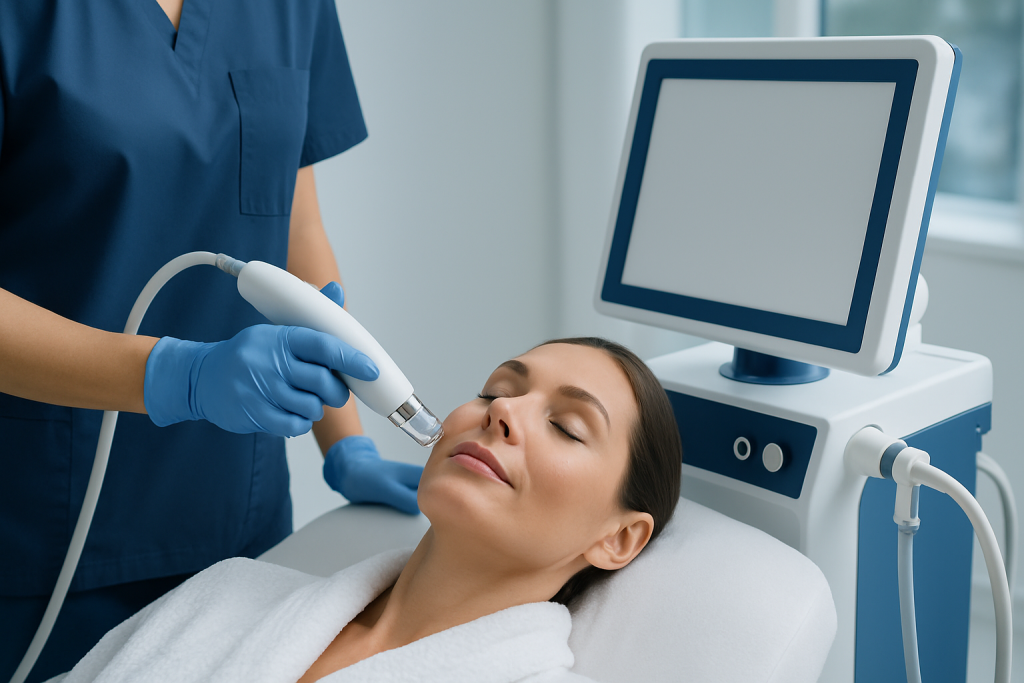
Another important point is that peptides are not one ingredient. The word covers a wide family of molecules, and different products may highlight different combinations. A dermatologist or skincare specialist may look at the full formula, not only the peptide name, because supporting ingredients such as moisturizers, antioxidants, and sunscreens often influence the final outcome more than the peptide alone.
For patients planning treatment while traveling, this matters in a practical way. A long-haul flight, a dry climate, strong sun exposure, or recovery from a procedure can all change how the skin behaves. A peptide product that feels comfortable in one setting may need to be paired with richer hydration or simpler routines in another.
Potential Benefits and Common Uses

It is worth noting that benefits are usually subtle and gradual. If someone is hoping for a major change in deep wrinkles, sun damage, acne scars, or pigmentation, peptides alone are unlikely to be enough. In those situations, a dermatologist may recommend combining peptide skincare with other treatments such as retinoids, chemical peels, laser treatments, injectables, or medical-grade moisturization, depending on the diagnosis.
For some people, the main benefit is not visible “transformation” but better tolerability. A routine that supports the skin barrier can make it easier to stay consistent with other helpful products. Consistency matters in skin care, so a well-tolerated peptide serum may be more useful than a stronger product that is abandoned after a few days because it stings or irritates.
Causes, Skin Concerns, and Who May Benefit
Peptides may also be discussed in relation to preventive skincare. Someone in their 20s or 30s may use them as part of a long-term routine focused on barrier support and hydration, while someone older may use them to complement a more comprehensive skin plan. The goal is usually to support the skin’s current condition, not to chase unrealistic promises.
Because skin concerns can overlap, a professional assessment is often helpful. Fine lines may be connected to dryness, sun exposure, or sleep issues, while texture changes may reflect acne, irritation, or product overload. A dermatologist can help separate these possibilities and decide whether peptides are appropriate on their own or as one part of a larger strategy.
Diagnosis and Professional Assessment
When prescription treatment is being considered for another skin problem, the conversation may change. For example, acne, melasma, rosacea, or eczema may require targeted therapy before peptides are added. In such cases, peptide skincare may serve a supportive role, but it should not delay proper diagnosis or treatment.
If a patient is unsure whether a product is truly suitable, it can help to bring the ingredient list to the appointment. A careful review of the full formula often gives more useful information than the front label. This is especially true for people who have reacted to skin products in the past or who are recovering from a procedure and want to avoid unnecessary irritation.
Treatment Options and How Peptides Fit In
What peptide products cannot do is equally important. They are not a replacement for professional treatment when there is a medical condition, and they should not be expected to fix severe sun damage or advanced signs of aging on their own. People often get the best results when peptides are combined with fundamentals such as daily sunscreen, adequate moisturization, and a consistent routine.
If a person is already using active ingredients such as retinoids, alpha hydroxy acids, or vitamin C, a dermatologist may help decide how to layer products safely. This can reduce the chance of irritation and make the routine more realistic. Sometimes the simplest routine is the best one, especially for travelers who want dependable care without bringing a large number of products abroad.
Prevention, Self-care, and Practical Tips
Hydration and sleep are also relevant, though they are often overlooked in skincare discussions. Skin that is exhausted, dehydrated, or exposed to environmental stress may not respond as well to any cosmetic product. For patients traveling internationally, staying hydrated on flights, protecting skin from sun and dry cabin air, and carrying a simple post-treatment routine can make a noticeable difference.
People who have undergone professional procedures should follow the aftercare plan exactly as provided by their clinician. Even well-known ingredients can be unsuitable during early healing. When in doubt, it is safer to ask before restarting a peptide serum or introducing a new cream.
When to See a Doctor
People should seek prompt medical assessment if a skin reaction is spreading, painful, or associated with swelling, crusting, or signs of infection. Those with eczema, rosacea, or other chronic skin conditions may also benefit from a check-in before adding any new active product, including peptides. A brief consultation can prevent a routine from becoming too complicated or irritating.
Ultimately, peptides are one tool among many. They can be useful, but they work best when they are matched to the skin, the formula, and the goal. A good clinician helps make that match feel simple rather than experimental.
Frequently asked questions
01What are peptides for skin supposed to do?
Peptides are used in skincare to support hydration, barrier comfort, and the appearance of firmness or smoothness. Different peptides have different intended roles, so results depend on the formula and the overall routine. They usually work gradually rather than producing a dramatic overnight change.
02Are peptides better than retinol?
They are different ingredients with different strengths. Retinol is often used for more active skin renewal, while peptides are usually chosen for a gentler support-focused approach. A dermatologist can help decide which is more appropriate based on skin sensitivity and goals.
03Can sensitive skin use peptide products?
Many people with sensitive skin tolerate peptides well, but the full product formula still matters. Fragrance, preservatives, or other active ingredients may cause irritation even if the peptide itself is mild. Patch testing and starting slowly are sensible steps.
04How long does it take to see results from peptides?
Any visible effect is usually gradual and subtle. Some people notice a difference in comfort or hydration sooner, while changes in firmness or fine lines may take longer and may be modest. Consistency is more important than frequent product switching.
05Can peptides help after cosmetic procedures?
They may be used in some aftercare routines if the treating clinician says they are appropriate. The timing depends on the procedure and how the skin is healing, so patients should follow individualized instructions. Not every product is safe immediately after treatment.
06Do peptide creams replace sunscreen or moisturizer?
No. Peptide products are usually additions to a routine, not replacements for the basics. Sunscreen is essential for protecting skin health, and moisturizer may be needed to support the barrier and keep the routine comfortable.
This article is for general information only and is not a substitute for professional medical advice. Please consult a qualified doctor about your individual situation.
Explore treatments in Turkey — costs, top hospitals & a free quote
JCI-accredited · board-certified surgeons · reply within 24h
Add us as a Preferred Source to see more of our trusted health content across Google Search, AI Overviews and Discover.