Pelvic Fracture Care Depends on the Stability of the Break

A pelvic fracture can happen after a simple fall at home or a high-speed collision — and the treatment for those two situations looks very different. What matters most is the type of break, how stable it is, how much you need to move around, and whether nearby organs or blood vessels were injured too.
Stable fractures often heal with Knee Pain Relief: Causes and Treatment" class="ahp-ilk">pain relief and rehabilitation. Unstable or displaced fractures may need surgical stabilization, followed by a structured recovery.
Overview: How Pelvic Fracture Treatment Works
Pelvic fracture treatment aims to control pain, protect the pelvis while bone healing occurs, prevent complications and help the person safely return to walking and daily activities. The pelvis is a ring of bones that supports the spine, transfers weight to the legs and protects organs such as the bladder, bowel and reproductive organs. Because of this anatomy, treatment must address the fracture as well as any associated injuries.
Some pelvic fractures are stable, meaning the pelvic ring remains aligned and can usually heal without an operation. These may occur after a fall, particularly in older adults with fragile bones. Other fractures are unstable or displaced, often after a high-energy injury such as a road traffic collision or a major fall. These injuries may need urgent stabilization and, in selected cases, surgery to restore alignment.
Usually a trauma and orthopedic team leads your care, working alongside emergency medicine, anesthesiology, radiology, rehabilitation specialists and other services when needed. Your plan is built around your imaging and repeated clinical assessments — not simply the name of the fracture.
Assessment, Candidacy and Treatment Planning
Initial care focuses on safety. Clinicians assess breathing, circulation, pain, leg and nerve function, and possible injury to the abdomen, urinary tract or other areas. A pelvic fracture can sometimes cause internal bleeding, so emergency assessment is especially important after major trauma or when there is faintness, severe pain, abdominal swelling or difficulty passing urine.
Pelvic X-rays are often used first, while CT scans provide more detailed information about fracture lines, displacement and the stability of the pelvic ring. Blood tests and additional scans may be necessary when there is concern about bleeding or organ injury. In people with a low-impact fracture, clinicians may also consider bone health assessment and possible osteoporosis management.
Non-surgical care may be appropriate when the fracture is stable, alignment is acceptable and the person can mobilize safely with support. Surgery may be considered for an unstable pelvic ring, substantial displacement, persistent mechanical instability, certain fractures involving the hip socket, or situations where better alignment is expected to improve function. Age alone does not determine candidacy; overall health, activity level, fracture pattern and associated injuries all matter.
Related orthopedic care may also be needed for injuries such as hip fractures or other fractures of the lower limb. The treating team explains the goals of treatment, expected weight-bearing limits and the rehabilitation plan before discharge whenever possible.
Non-Surgical Pelvic Fracture Treatment
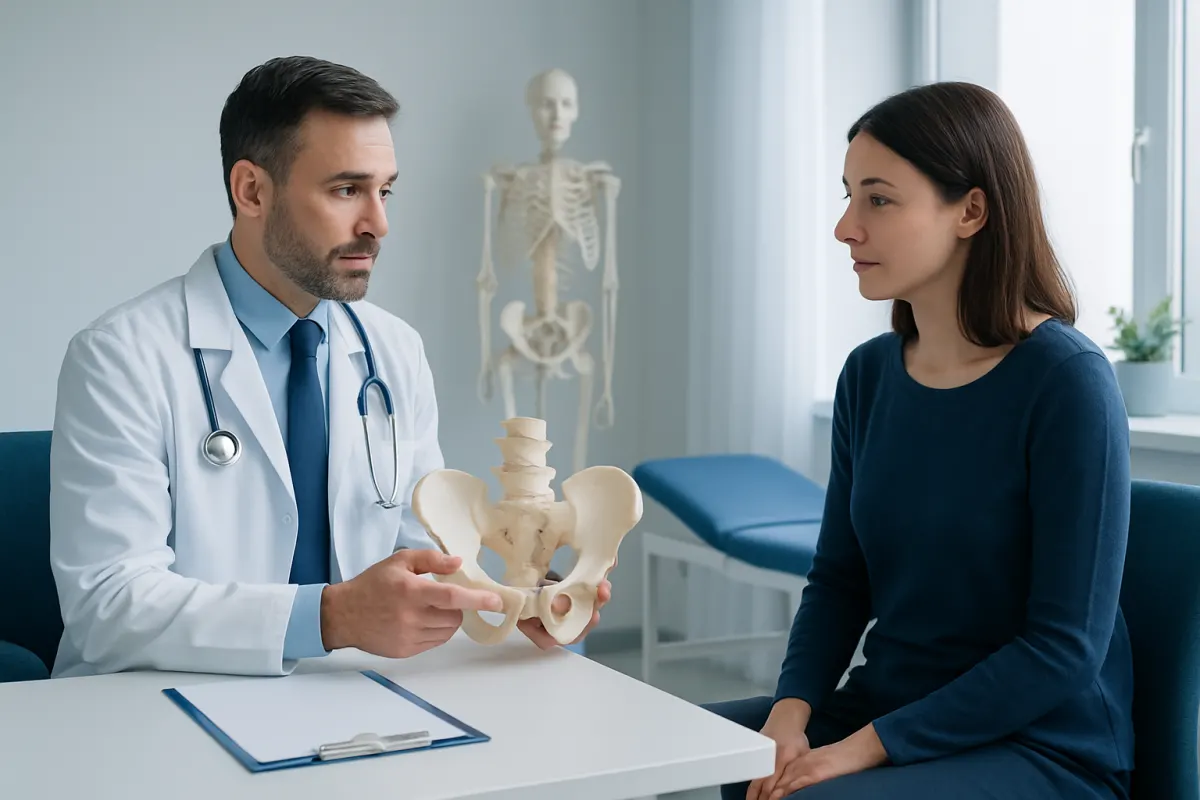
Stable pelvic fractures are commonly treated without an operation. Care includes appropriate pain relief, advice about safe positions and transfers, and an individualized plan for walking or moving with a walker, crutches or other aid. The exact amount of weight that can be placed through the legs depends on the fracture pattern and the treating surgeon’s assessment.
Keeping complications away is just as much a part of non-surgical care as the healing itself. Reduced mobility can increase the risk of blood clots, skin pressure injuries, constipation, muscle loss and chest infections. Depending on the individual’s risks, clinicians may recommend blood-clot prevention measures, hydration, nutrition support, breathing exercises and frequent position changes.
Physiotherapy generally begins as soon as it is safe. Early sessions may focus on getting in and out of bed, standing, using a walking aid and protecting the injured area. As healing progresses, rehabilitation expands to include gait training, hip and trunk strength, balance and practical tasks such as stairs or dressing.
Bone health is also relevant after a fracture from a low-energy fall. A clinician may review calcium and vitamin D intake, fall risks, medicines that affect balance and whether testing or treatment for osteoporosis is appropriate. These measures help reduce the likelihood of future fragility fractures.
Pelvic Fracture Surgery: Step by Step
Pelvic fracture surgery is intended to stabilize and realign an unstable or displaced pelvis. The exact technique depends on the location and complexity of the injury. Surgeons may use screws inserted through small incisions, plates and screws placed through an open incision, or temporary external fixation in which a frame outside the body is connected to pins in the pelvic bones. In complex trauma, stabilization may be staged after urgent bleeding control and resuscitation.
Before surgery, the team reviews imaging, overall medical stability, medications and anesthesia considerations. The procedure is performed under anesthesia. During surgery, imaging guidance may be used to confirm bone position and implant placement. The surgeon then stabilizes the fracture with the planned fixation method, closes the incisions and develops a postoperative mobility and pain-management plan.
After surgery, monitoring includes circulation in the legs, wound condition, blood counts, bladder and bowel function, and signs of blood clots or infection. Some people can begin standing and transfer practice soon after surgery, while others need a period of protected or non-weight-bearing activity. The permitted level of weight bearing is determined by fixation stability and the full injury pattern.
If you are traveling for treatment, Acıbadem Health Point’s multidisciplinary specialists and JCI-accredited hospitals assess and treat pelvic fractures, including surgical stabilization and rehabilitation planning for international patients. Any decision still needs an in-person examination and a look at your imaging first.
Benefits, Risks and Recovery Timeline
The potential benefit of treatment is a healed, stable pelvis that allows comfortable movement and return to as much independence as possible. Surgical stabilization can improve alignment and mechanical stability in appropriately selected unstable fractures, potentially making rehabilitation safer and more effective. Non-surgical treatment avoids operative risks when the fracture is stable and likely to heal in a satisfactory position.
Every pelvic fracture and procedure carries risk. The injury itself can be associated with bleeding, nerve injury, urinary or bowel problems, blood clots and chronic pain. Surgical risks include infection, bleeding, wound problems, blood clots, damage to nearby nerves or blood vessels, anesthesia-related complications, implant irritation, loss of fixation and the possible need for further procedures. The team reduces these risks through careful planning, monitoring and follow-up.
Bone healing often takes roughly 6 to 12 weeks, but complete functional recovery may take several months or longer. More severe fractures, multiple injuries, older age, osteoporosis and medical conditions can extend recovery. Follow-up appointments and repeat X-rays or CT imaging may be used to confirm healing and guide progression of activity.
Recovery rarely moves in a straight line. Pain and fatigue may fluctuate as activity increases, and emotional adjustment after a traumatic injury can take time. Reporting new severe pain, fever, wound drainage, leg swelling, chest pain, breathlessness, numbness or changes in bladder or bowel control is important because these symptoms need timely medical review.
How Long Does It Take to Walk Normally After a Pelvic Fracture?
The time needed to walk normally after a pelvic fracture varies widely. A person with a stable, non-displaced fracture may begin supported walking relatively early if pain allows, while someone with an unstable fracture or surgical repair may need restricted weight bearing for several weeks. Many people need a walker or crutches initially and gradually reduce support as strength, balance and confidence return.
Walking may feel uneven or painful for a period even after the bone has started to heal. Physiotherapy helps restore hip and core strength, improve gait and address fear of falling. Returning to an unaided, comfortable walking pattern can take several months, particularly after complex trauma or when other leg, spine or nerve injuries are present.
The safest guide is the treating team’s weight-bearing instruction. Advancing too quickly can place stress on a healing fracture or fixation device, while avoiding all movement longer than necessary can contribute to weakness and complications. Regular reassessment helps balance protection with safe activity.
What Is the Success Rate of Pelvic Fracture Surgery?
There is no single success rate for pelvic fracture surgery because pelvic injuries range from relatively localized breaks to life-threatening multi-system trauma. Results depend on fracture type, quality of reduction, associated injuries, timing of treatment, infection risk, bone health and access to rehabilitation. For this reason, individual outcome discussions are more useful than a general percentage.
In appropriate candidates, surgery can provide stable alignment that supports fracture healing and rehabilitation. However, a technically successful operation does not guarantee that all symptoms will disappear. Some people experience ongoing pelvic, hip, lower-back or sexual health symptoms, especially after severe injuries involving nerves, joints or internal organs.
A surgeon can discuss the likely goals and limitations of surgery after reviewing CT scans and the person’s overall condition. Follow-up is important to monitor bone healing, implant position, wound healing and function over time.
What Is Life Like After a Pelvic Fracture?
Life after a pelvic fracture is often marked by gradual improvement rather than an immediate return to previous routines. In the early phase, help may be needed with bathing, dressing, cooking, transport and household tasks. Mobility aids, raised seating and other practical adaptations can make everyday activity safer while pain and movement limitations improve.
Many people regain good daily function, particularly after stable fractures or well-aligned repairs. Others may have lingering stiffness, reduced endurance, pain with prolonged walking or sitting, sleep disruption, or difficulty returning to demanding work and sport. Rehabilitation targets the physical aspects of recovery, while occupational therapy may help with work and home adaptations.
Pelvic injuries can also affect mood, confidence, relationships and sexual function. These concerns are common and appropriate to discuss with a clinician; support may include pelvic-floor therapy, pain management, mental health care or referral to a relevant specialist. You do not have to handle any of this on your own.
How Long Is Bed Rest for a Pelvic Fracture?
Prolonged bed rest is generally avoided when it is safe to mobilize because it can lead to muscle weakness, blood clots, pressure injuries, constipation and loss of independence. The duration of bed rest, if any, depends on fracture stability, bleeding risk, surgery, other injuries and the person’s medical condition. In many cases, supervised sitting, standing or transfer practice begins early.
Some patients need temporary bed rest during emergency treatment, while awaiting surgery or because another injury makes movement unsafe. Even then, the healthcare team usually introduces prevention measures such as leg exercises when appropriate, skin care, respiratory exercises and clot-prevention strategies.
Follow the activity and weight-bearing plan your trauma or orthopedic team gives you. Don’t stay in bed — or start walking unaided — based on general advice you read online, because the right plan differs from one fracture pattern to the next.
When to Seek Medical Care
Emergency medical care is needed after a significant fall, collision or crushing injury when pelvic, groin, hip or lower-back pain makes standing or walking difficult. Immediate assessment is also important for severe pain, fainting, pale or clammy skin, abdominal swelling, confusion, weakness, numbness, blood in the urine, inability to urinate, vaginal or rectal bleeding, chest pain or shortness of breath.
A person already recovering from a pelvic fracture should contact their care team promptly for worsening pain, fever, new wound redness or drainage, one-sided leg swelling, calf pain, new numbness or weakness, or a sudden decline in mobility. These symptoms do not always indicate a serious complication, but they should be assessed without delay.
Follow-up care matters even when symptoms are improving. Orthopedic review, imaging when advised and rehabilitation sessions help ensure that recovery is progressing safely and that activity recommendations remain appropriate.
Frequently asked questions
01Can a pelvic fracture heal without surgery?
Yes. Many stable, non-displaced pelvic fractures heal without surgery through pain management, protected movement and rehabilitation. Surgery is more likely when the pelvic ring is unstable, significantly displaced or associated with injuries that require stabilization.
02How painful is a pelvic fracture?
Pain can range from mild to severe depending on the fracture and surrounding tissue injury. Pain is often worse with standing, walking, turning in bed or transferring from sitting to standing. A clinician can create a pain-management plan that supports safe movement and recovery.
03When can a person drive after a pelvic fracture?
Driving should wait until the person can sit comfortably, move the legs safely, perform an emergency stop and is no longer taking medicines that impair alertness. The timing varies greatly and should be confirmed with the treating clinician and local driving requirements.
04Will metal plates or screws need to be removed after pelvic fracture surgery?
In many cases, pelvic fixation hardware remains in place permanently if it is not causing problems. Removal may be considered if there is infection, irritation, implant failure or another specific clinical reason. The decision is individualized and made after imaging and surgical review.
05Can a pelvic fracture cause long-term problems?
Some people have persistent pain, stiffness, altered walking, fatigue or reduced tolerance for high-impact activities. More severe fractures may also affect nearby nerves, joints, urinary function, bowel function or sexual health. Ongoing symptoms should be discussed with the care team because targeted rehabilitation and specialist support may help.
06What helps recovery after a pelvic fracture?
Following weight-bearing instructions, attending rehabilitation, taking prescribed medicines safely and maintaining adequate nutrition can support recovery. Avoiding smoking and discussing bone health, fall prevention and mental wellbeing with a clinician may also be helpful. Progress should be gradual and guided by the treating team.
This article is for general information only and is not a substitute for professional medical advice. Please consult a qualified doctor about your individual situation.
Persistent digestive symptoms? Get evaluated in Turkey
JCI-accredited · board-certified surgeons · reply within 24h
Add us as a Preferred Source to see more of our trusted health content across Google Search, AI Overviews and Discover.