What a Pediatric Therapy Evaluation Looks At and Why
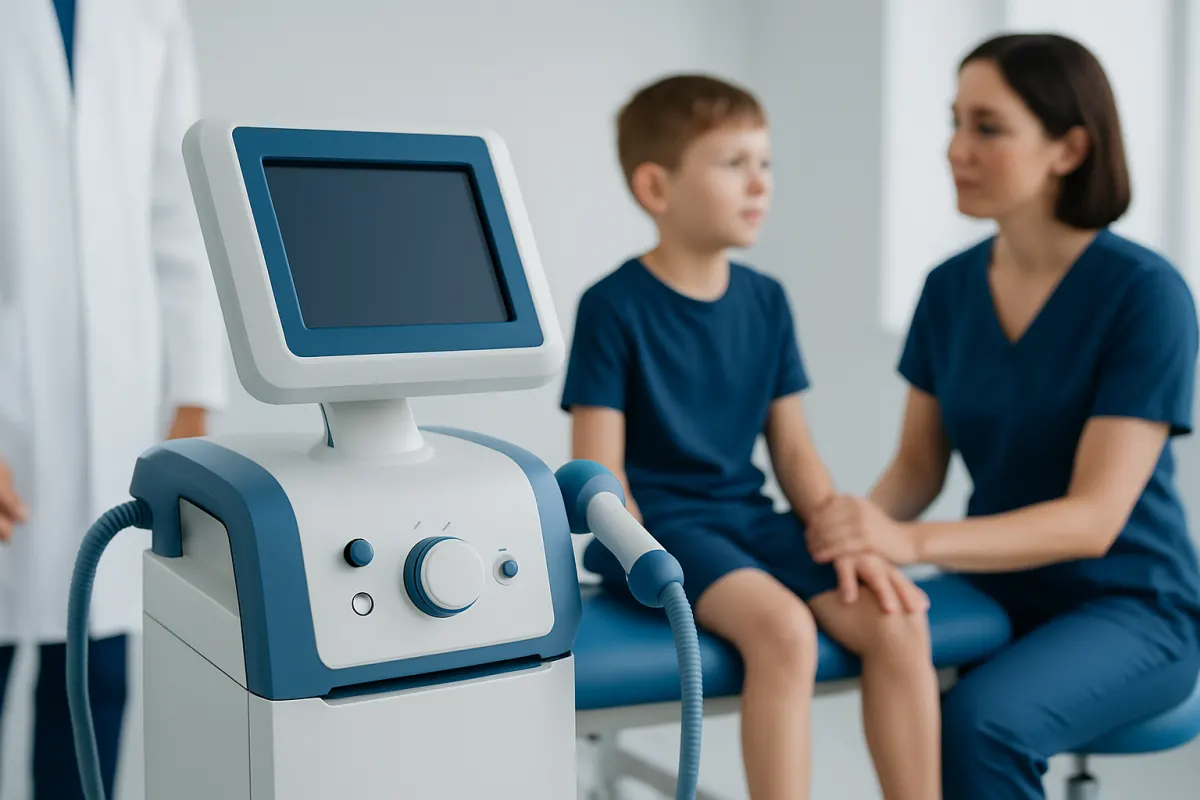
Maybe your toddler still isn’t pulling to stand while other children the same age are running. Maybe your eight-year-old dreads writing homework, or mealtimes have become a daily struggle. When something in your child’s day feels harder than it should, a pediatric therapy evaluation is often the next step.
It’s an age-appropriate assessment used to understand how a child moves, plays, communicates, learns, and manages everyday activities. It helps families and clinicians decide whether therapy may be helpful and create practical goals that fit the child’s needs and routines.
Pediatric Therapy Evaluation: An Overview
A pediatric therapy evaluation is a structured, child-friendly appointment that examines how a child functions in daily life. Depending on the concern, it may focus on gross motor skills such as walking and balance, fine motor abilities such as drawing or using utensils, sensory processing, self-care, feeding, communication, play, attention, or participation at home and school.
No child passes or fails this. What you get is a detailed picture of what your child can do now, where support might help, and what interests and strengths they bring with them. Findings help the family and clinical team decide whether therapy is appropriate, what type of therapy may help, and which goals matter most in everyday life.
Pediatric therapy services may involve physical therapy, occupational therapy, speech and language therapy, feeding therapy, developmental medicine, pediatric neurology, orthopedics, psychology, or other specialties. A child may be referred because of a known condition, an injury, delayed milestones, school concerns, or a parent’s observation that everyday tasks seem unusually difficult.
Who May Benefit From an Evaluation?
Children of any age may be considered for a pediatric therapy evaluation, from infants who have difficulty with head control or feeding to adolescents recovering from injury or coping with challenges in independence. A medical diagnosis can be useful, but it is not always required. Functional concerns reported by parents, caregivers, teachers, or doctors can be an appropriate reason to seek assessment.
Common reasons for referral include delayed sitting, crawling, walking, or running; frequent falls; pain or reduced mobility after an injury; difficulty with handwriting, dressing, feeding, or using both hands; poor balance or coordination; sensory sensitivities; challenges with play or peer participation; and fatigue during routine activities. Children with developmental conditions, neurological conditions, orthopedic concerns, or chronic illness may also benefit from periodic assessments.
For example, therapy assessment can be an important part of care for children with cerebral palsy, developmental coordination concerns, or recovery after musculoskeletal injury. No therapist should judge from a single observation. Your child’s age, medical history, environment, culture, routines, and what matters most to your family all go into the picture.
What Happens During a Therapy Evaluation?

The first visit usually begins with a conversation between the therapist and parent or caregiver. The therapist asks about pregnancy and birth history when relevant, medical conditions, medications, developmental milestones, previous therapies, school or childcare experiences, current routines, and the family’s main concerns. Families are encouraged to describe what is going well as well as what feels difficult.
The child is then observed during age-appropriate activities. For younger children, assessment may look like play on a mat, reaching for toys, changing positions, walking, or interacting with a caregiver. For older children, it may include tasks such as climbing stairs, catching a ball, writing, getting dressed, opening containers, organizing school materials, or discussing everyday challenges.
The therapist may use standardized assessment tools, which compare a child’s skills with expected developmental ranges, along with clinical observation and physical examination. Depending on the service, this can include posture, muscle strength, joint movement, balance, coordination, endurance, hand function, sensory responses, problem-solving, communication, and ability to complete daily activities.
At the end of the appointment, the therapist generally reviews initial findings and discusses next steps. These may include therapy sessions, a home activity plan, support at school, equipment or splinting assessment, referral to another specialist, additional testing, or follow-up monitoring. A written report is often prepared for the family and referring clinician.
How Long Does a Pediatric Physical Therapy Evaluation Take?
A pediatric physical therapy evaluation commonly takes about 45 to 90 minutes, although the exact duration varies by the child’s age, medical complexity, attention span, and the questions being assessed. Infants and children with more complex movement, neurological, or orthopedic needs may require additional time or more than one appointment.
A physical therapist evaluates movement and mobility. This may include observing posture, muscle tone, joint range of motion, strength, walking pattern, balance, coordination, transitions such as sitting to standing, stair use, endurance, and participation in play. The assessment is adapted to the child’s comfort and developmental level, and breaks may be offered when needed.
Parents can help by bringing relevant medical reports, a list of medicines, previous therapy records, school plans, orthotics or mobility aids, and comfortable clothing that allows movement. A familiar toy, snack, or comfort item may also make the visit easier for younger children.
What Does a Pediatric OT Evaluation Consist Of?
A pediatric occupational therapy, or OT, evaluation examines how a child participates in everyday occupations: play, learning, self-care, social activities, and routines at home, school, and in the community. “Occupation” in pediatric OT does not mean employment; it means the meaningful activities that fill a child’s day.
The occupational therapist may assess fine motor control, hand strength, use of both hands together, visual-motor integration, handwriting readiness, dressing, bathing, toileting, feeding skills, sleep routines, attention during tasks, planning and organization, and sensory responses. The child may be invited to draw, build, cut paper, manipulate small objects, complete a puzzle, use utensils, or take part in pretend play.
The therapist also considers the environment. A task can be difficult because of the child’s skills, but it can also be affected by furniture, classroom demands, noise, clothing textures, tools, schedule, or the amount of support available. Recommendations may therefore include skill-building activities as well as practical changes to make daily tasks more manageable.
Some children need coordinated input from more than one service. For example, a child with concerns affecting motor skills and communication may benefit from multidisciplinary rehabilitation planning, including pediatric rehabilitation when clinically appropriate.
How Long Does an OT Eval Take?
An initial pediatric OT evaluation often takes approximately 45 to 90 minutes. The appointment may be shorter for a young child who tires easily or longer when the therapist needs to review detailed medical records, observe several functional tasks, or complete standardized testing.
In some situations, the assessment is completed over two visits. This can be helpful when a child needs time to become comfortable, has complex needs, attends school during the day, or requires observation in different settings. The therapist may also send caregiver or teacher questionnaires to better understand how skills vary across home and school routines.
Results are read alongside what you tell the therapist and what the therapist sees firsthand. One score never defines what your child can do or how far they will go. The most useful report explains how findings affect daily participation and outlines realistic, measurable goals if occupational therapy is recommended.
Results, Benefits, Risks and the Next Steps
The biggest thing an evaluation gives you is clarity. It can identify strengths to build on, explain why a daily activity may be challenging, and help families access timely support. Recommendations may range from simple home strategies and monitoring to regular therapy, assistive devices, school accommodations, or medical referral.
The evaluation itself is generally low risk and noninvasive. Children may feel shy, frustrated, tired, or overstimulated during unfamiliar activities, especially when they have pain, sensory sensitivities, communication differences, or difficulty with transitions. Experienced pediatric therapists use play, pacing, encouragement, breaks, and caregiver involvement to support comfort and participation.
Results do not always provide a final diagnosis. Instead, they describe functional findings and indicate whether further assessment is needed. If signs suggest a neurological, developmental, orthopedic, hearing, vision, or behavioral concern, the therapist may recommend consultation with the child’s pediatrician or another qualified specialist.
When therapy is advised, the treatment plan should be individualized and reviewed regularly. Goals might include safer movement, easier dressing, improved school participation, greater independence, reduced pain, or confidence in play. Ask how progress will be measured and when the plan will be looked at again. You are entitled to those answers.
When to Seek Medical Care
Parents and caregivers should contact a pediatrician when they notice loss of previously acquired skills, persistent pain, a significant limp, repeated falls with injury, marked weakness, difficulty using one side of the body, or changes in walking, balance, feeding, or coordination. Prompt medical assessment is particularly important after a serious injury or when symptoms begin suddenly.
Subtle concerns are worth raising too. A pediatrician can help determine whether variation is likely to be temporary or whether a pediatric therapy evaluation, hearing or vision assessment, developmental review, or specialist referral would be helpful. Early assessment can support timely planning without assuming that a serious problem is present.
For children who need coordinated care, Acıbadem Health Point’s multidisciplinary specialists and JCI-accredited hospitals provide assessment and treatment for international patients. Families can discuss options such as physical therapy and rehabilitation with a qualified clinician based on the child’s individual needs.
Frequently asked questions
01What happens during a therapy evaluation?
A therapist first asks about the child’s medical history, development, routines, strengths, and the family’s concerns. The child then takes part in play-based or practical activities that help the therapist observe movement, hand use, self-care, communication, sensory responses, or daily participation. The therapist reviews findings and discusses possible next steps.
02How long does a pediatric physical therapy evaluation take?
A pediatric physical therapy evaluation often lasts about 45 to 90 minutes. Timing depends on the child’s age, attention, medical history, and the complexity of the movement concerns. Some children benefit from a second visit to complete the assessment comfortably.
03What does a pediatric OT evaluation consist of?
A pediatric OT evaluation looks at how a child manages meaningful daily activities, including play, dressing, feeding, school tasks, and social participation. It may assess fine motor skills, coordination, handwriting, visual-motor skills, sensory responses, planning, and independence. Caregiver input is an important part of the process.
04How long does an OT eval take?
Most pediatric occupational therapy evaluations take around 45 to 90 minutes. More detailed testing or complex needs may require more time or a second appointment. The therapist will adapt the session to the child’s tolerance and may include breaks.
05Does a child need a diagnosis before starting therapy evaluation?
No. A child can be evaluated when parents, teachers, or doctors notice functional concerns, even without a formal diagnosis. The evaluation may help clarify whether therapy, monitoring, further medical assessment, or school support is appropriate.
06What should parents bring to a pediatric therapy evaluation?
Useful items may include medical records, medication lists, previous therapy reports, school documents, relevant imaging or test results, and any braces, orthotics, or mobility aids the child uses. Comfortable clothing and a familiar toy or comfort item can also help the child participate more easily.
This article is for general information only and is not a substitute for professional medical advice. Please consult a qualified doctor about your individual situation.
Joint and spine care in Turkey — expert assessment & treatment
JCI-accredited · board-certified surgeons · reply within 24h
Add us as a Preferred Source to see more of our trusted health content across Google Search, AI Overviews and Discover.