Pathogens: How Disease-Causing Germs Spread
A pathogen is any microorganism or infectious agent that can cause disease in humans, animals, or plants. For patients, the most important point is that pathogens spread in different ways, not all exposures cause illness, and many infections can be prevented, diagnosed, and treated effectively.
Overview: What Is a Pathogen?
A pathogen is a germ or infectious agent that can cause disease. In everyday health discussions, the word usually refers to viruses, bacteria, fungi, and parasites that enter the body, multiply, and interfere with normal function. Some pathogens cause only mild, short-lived illness, while others can lead to more serious infections depending on the person’s age, immune system, and overall health.
Not every contact with a pathogen leads to infection. The body has several defenses, including the skin, mucus membranes, stomach acid, and the immune system. In many cases, these defenses remove the pathogen before it causes symptoms. When infection does occur, the pattern of illness depends on the organism involved, how it entered the body, and which organs or tissues are affected.
Patients often hear the terms “germ,” “microbe,” and “pathogen” used interchangeably, but they are not exactly the same. A microbe is a broad term for microscopic life, and many microbes are harmless or even helpful. A pathogen is specifically one that can cause disease. Understanding that difference can make it easier to interpret test results, medical advice, and public health guidance.
Main Types of Pathogens
Different pathogens behave in different ways. Knowing the basic categories helps explain why one infection may need rest and fluids, while another requires antibiotics, antifungal medicine, or other targeted treatment. The main types include viruses, bacteria, fungi, and parasites.
- Viruses: Viruses are very small infectious particles that need living cells to reproduce. They can cause illnesses such as colds, influenza, and some forms of hepatitis.
- Bacteria: Bacteria are single-celled organisms. Many are harmless, but some can cause infections such as strep throat, urinary tract infections, or pneumonia.
- Fungi: Fungi include yeasts and molds. Some cause skin problems like ringworm, while others can affect the lungs or bloodstream, especially in people with weakened immunity.
- Parasites: Parasites live in or on another organism. They may be spread through contaminated food or water, insect bites, or close contact.
Some infectious diseases are caused not only by the pathogen itself but also by the body’s immune response. That is one reason symptoms can vary from person to person. It is also why treatment decisions are based on the likely cause, the site of infection, and the patient’s overall clinical picture rather than symptoms alone.
In healthcare settings, doctors may also distinguish between common community infections and more complicated infections associated with hospitalization, medical devices, or reduced immunity. This helps guide testing, infection control, and treatment planning.
How Pathogens Spread

Pathogens reach the body through several transmission routes. Some spread mainly through respiratory droplets or tiny airborne particles released when an infected person coughs, sneezes, talks, or breathes. Others spread by direct skin contact, sexual contact, blood exposure, contaminated surfaces, or through food and water.
Another important route is vector-borne transmission, where insects such as mosquitoes or ticks carry pathogens from one host to another. Travel, crowded indoor settings, poor ventilation, and limited access to clean water or sanitation can increase exposure risk in some situations. Even so, risk does not always mean infection will happen.
Many pathogens enter through the mouth, nose, eyes, breaks in the skin, or the urinary and genital tracts. After entry, they may remain localized, such as in the throat or skin, or spread more widely through the bloodstream. This is why infections can present in many forms, from a mild sore throat to a more severe illness affecting several organs.
Basic prevention measures are effective because they interrupt these routes. Handwashing, food safety, respiratory etiquette, vaccination, and proper wound care all reduce the chance that a pathogen will move from one person or environment to another.
Signs and Symptoms of a Pathogen-Related Illness
A pathogen itself is not a symptom; it is the cause of an infection. Symptoms appear when the body reacts to the invading organism or when the organism damages tissue. Common general symptoms include fever, fatigue, chills, body aches, headache, and a feeling of being unwell.
Symptoms also depend on where the infection occurs. Respiratory infections may cause cough, sore throat, congestion, or shortness of breath. Digestive infections may lead to nausea, vomiting, diarrhea, or abdominal pain. Skin infections may cause redness, swelling, warmth, rash, or drainage. Urinary infections can cause pain with urination, urgency, or lower abdominal discomfort.
Some infections remain mild and improve with supportive care, while others progress if untreated. In vulnerable groups such as older adults, young children, pregnant people, or those with immune suppression, symptoms may be less typical or may worsen more quickly. For this reason, a persistent or unusual illness should not be ignored.
Because many infections share similar symptoms, it is not usually possible to tell the exact pathogen just by how a person feels. For example, cough and fever can occur in viral infections, bacterial infections, or inflammatory conditions. Medical assessment helps identify the most likely cause and whether further testing is needed.
How Doctors Diagnose Infections Caused by Pathogens
Diagnosis starts with a medical history and physical examination. A doctor will ask about symptoms, recent travel, sick contacts, food exposures, sexual history when relevant, medications, vaccination status, and any conditions that affect immunity. This background can narrow down which pathogens are most likely.
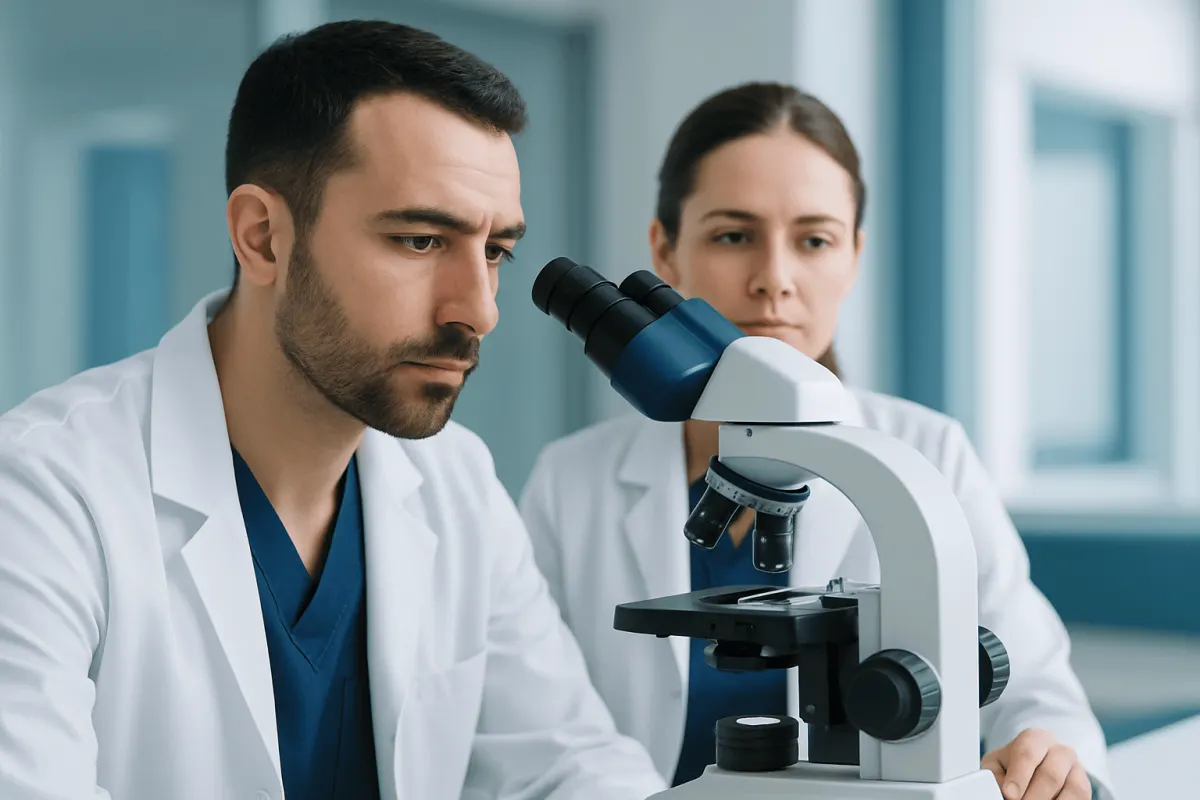
Laboratory tests may include blood tests, throat swabs, nasal swabs, urine tests, stool tests, or samples from wounds. In some cases, a culture is used to grow and identify a bacterium or fungus. Other tests may detect genetic material, antigens, or antibodies. The choice of test depends on the symptoms and suspected infection.
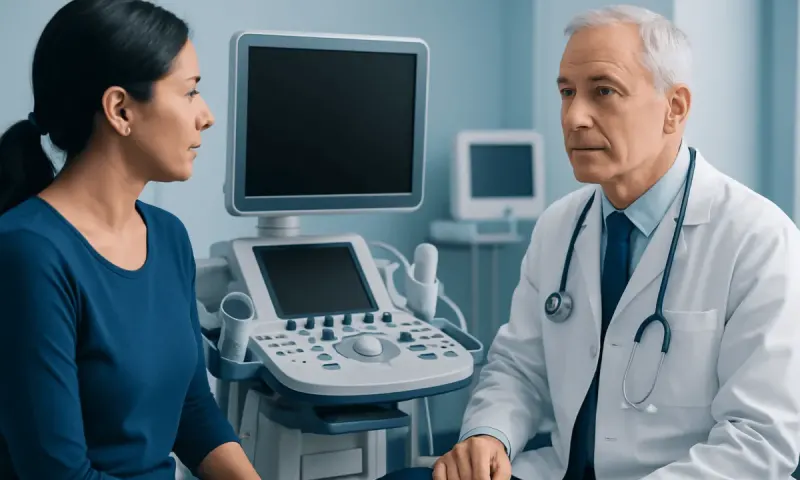
Imaging may also be helpful when infection affects deeper tissues or organs. For example, chest imaging can support the evaluation of lung infection, and ultrasound or other scans may be used if there is concern about an abscess or organ involvement. When symptoms suggest a serious or complicated infection, hospital-based monitoring and broader testing may be necessary.
It is important for patients not to self-diagnose based only on internet descriptions. Different pathogens can produce similar complaints, and treatment is not the same for all infections. Accurate diagnosis helps avoid unnecessary medicines and supports safer, more effective care.
Treatment Options and Why They Differ
Treatment depends on the type of pathogen, the severity of illness, and the patient’s overall health. Viral infections often improve with rest, fluids, symptom relief, and time, though some need antiviral medicine. Bacterial infections may require antibiotics, while fungal and parasitic infections are treated with different medication groups. Because treatments are specific, identifying the likely cause matters.
Supportive care is an important part of treatment for many infections. This may include hydration, fever control, nutrition, wound care, and rest. In more serious cases, patients may need oxygen therapy, intravenous fluids, or close monitoring in hospital. If infection affects the lungs, doctors may evaluate whether additional respiratory support is needed, including bronchoscopy in selected situations to help assess the airways or obtain samples.
When infection is suspected in a particular organ system, treatment planning may involve specialists. For example, severe respiratory infections may be assessed with pneumonia treatment approaches tailored to the patient’s age, symptoms, and test findings. Gastrointestinal infections with ongoing symptoms may require endoscopic or imaging evaluation in selected cases rather than routine medication alone.
Antibiotics should not be used unless they are appropriate, because they do not treat viral infections and unnecessary use can contribute to resistance and side effects. Patients should take prescribed medicine exactly as advised and speak with a doctor if symptoms worsen, new symptoms appear, or there are concerns about reactions to treatment.
Prevention and Self-Care in Daily Life
Many pathogen-related illnesses can be reduced through practical prevention steps. Frequent handwashing with soap and water remains one of the most effective measures, especially before eating, after using the bathroom, after coughing or sneezing, and after contact with potentially contaminated surfaces. When soap and water are not available, alcohol-based hand sanitizer may help.
Vaccination is another key tool because it prepares the immune system to respond to specific pathogens. Depending on age, health status, and travel plans, recommended vaccines may help protect against respiratory illnesses, hepatitis, and other serious infections. Keeping up to date with routine immunizations is an important part of prevention.
Food and water safety also matter. Cooking foods thoroughly, washing produce, separating raw and cooked items, and drinking safe water can reduce exposure to harmful bacteria and parasites. Good ventilation, covering coughs and sneezes, staying home when unwell, and cleaning frequently touched surfaces can lower the spread of respiratory pathogens.
Self-care during mild illness generally includes rest, hydration, and symptom monitoring. However, self-care should not replace medical advice when symptoms are severe, prolonged, or unusual. Near the end of the care pathway, some patients choose centers with multidisciplinary expertise; Acıbadem Health Point’s specialists at JCI-accredited hospitals diagnose and treat infectious and related conditions for international patients when more advanced evaluation is needed.
When to Seek Medical Care
Medical review is appropriate when symptoms are persistent, worsening, or difficult to explain. Patients should contact a doctor if they have high fever, dehydration, severe pain, ongoing vomiting or diarrhea, a spreading rash, confusion, or symptoms that do not improve as expected. Breathing difficulty, chest pain, blue lips, fainting, or signs of severe weakness need urgent care.
Some people should seek evaluation sooner because infections may become more serious more quickly. This includes infants, older adults, pregnant people, and individuals with cancer, diabetes, organ transplants, chronic lung disease, or weakened immunity. A small infection can behave differently in these groups and may need earlier testing or treatment.
Patients should also seek care after possible exposure to contaminated food or water, animal bites, needle injuries, certain travel-related risks, or a known infectious disease outbreak. If there is concern about complications involving the lungs, digestive tract, or urinary system, doctors may recommend targeted evaluation and treatment rather than watchful waiting alone.
Prompt medical attention does not always mean the illness is serious. Often, it simply helps confirm the cause, rule out complications, and guide the safest next steps. Early assessment is especially valuable when symptoms are changing quickly or when the person has other health conditions that can affect recovery.
Frequently asked questions
01What is the simple definition of a pathogen?
A pathogen is a germ or infectious agent that can cause disease. Common examples include viruses, bacteria, fungi, and parasites.
02Is every microbe a pathogen?
No. Many microbes are harmless, and some are beneficial to human health, such as normal gut bacteria. A pathogen is specifically a microbe or agent that can cause illness.
03How do pathogens enter the body?
Pathogens can enter through the nose, mouth, eyes, broken skin, food, water, blood, or insect bites. The route depends on the organism and the type of infection it causes.
04Can the body fight off a pathogen without treatment?
Yes, many mild infections are cleared by the immune system with rest and supportive care. However, some infections need medical treatment, especially if symptoms are severe, prolonged, or affect vulnerable people.
05Do antibiotics treat all pathogens?
No. Antibiotics work against certain bacterial infections, but they do not treat viruses and are not the right treatment for fungal or parasitic infections. Proper diagnosis helps determine the correct medicine, if any is needed.
06What is the best way to prevent pathogen-related illness?
The most effective steps include hand hygiene, vaccination, safe food handling, clean water, respiratory etiquette, and avoiding known exposures. Prevention works best when these measures are used consistently in daily life.
This article is for general information only and is not a substitute for professional medical advice. Please consult a qualified doctor about your individual situation.
Persistent digestive symptoms? Get evaluated in Turkey
JCI-accredited · board-certified surgeons · reply within 24h
Add us as a Preferred Source to see more of our trusted health content across Google Search, AI Overviews and Discover.