Partial Thyroidectomy: Procedure, Benefits, Risks and Recovery

Key Takeaways
- Partial thyroidectomy removes only part of the thyroid, not the whole gland.
- It may be recommended for benign nodules, goiter, or selected thyroid cancers.
- Recovery is often straightforward, but voice changes, bleeding, and low calcium symptoms should be monitored.
- Some people still need thyroid hormone replacement after surgery.
- Follow-up with blood tests and imaging helps confirm healing and thyroid function.
Partial thyroidectomy is surgery to remove one lobe or part of the thyroid gland, often used for nodules, goiter, or carefully selected cancers. For many patients, it can relieve symptoms while preserving some thyroid function, but the right choice depends on the cause, imaging, lab results, and a surgeon’s assessment.
Overview
Partial thyroidectomy is an operation that removes one lobe of the thyroid gland, or a smaller portion of the gland in selected cases. In everyday language, it may also be called a thyroid lobectomy or hemithyroidectomy, depending on exactly how much tissue is removed. The main goal is to treat a thyroid problem while preserving as much normal thyroid function as possible.
Doctors may suggest this surgery when a thyroid nodule needs diagnosis or treatment, when an enlarged thyroid is causing pressure symptoms, or when a small, low-risk thyroid cancer is best managed by removing only part of the gland. The decision is usually based on ultrasound findings, blood tests, biopsy results, symptoms, and a person’s overall health.
For international patients, the choice often also includes practical questions: how long the hospital stay may be, when travel is safe again, and what follow-up can be arranged after returning home. A good surgical plan takes all of these into account, so the treatment is medically sound and manageable in real life.
Symptoms and When Partial Thyroidectomy Is Considered
Partial thyroidectomy is not done for a single symptom alone. It is usually considered when a thyroid abnormality is confirmed and the benefits of removing part of the gland outweigh the risks of observation or other treatment.
Common reasons include a thyroid nodule that is suspicious or repeatedly indeterminate on biopsy, a benign nodule that keeps growing, or a goiter that causes discomfort. Some people notice a visible neck swelling, pressure when swallowing, a feeling of tightness in the neck, or changes in breathing when lying down. Others have no symptoms and discover the problem on imaging or a routine exam.
In selected thyroid cancers, partial thyroidectomy may be enough if the tumor is small, confined to one side, and considered low risk. The exact recommendation depends on pathology, size, ultrasound features, family history, prior radiation exposure, and whether the other side of the thyroid appears healthy.
Causes and Risk Factors

The need for partial thyroidectomy is usually linked to one of several thyroid conditions rather than to a single cause. Benign nodules are common, and many never require surgery; however, nodules that grow, create symptoms, or look unusual on ultrasound may lead to an operation.
Other common reasons include multinodular goiter, thyroid cysts that return after drainage, and autoimmune thyroid enlargement in some patients. In the cancer setting, small differentiated thyroid cancers are the most common tumors that may be treated with surgery on one side of the gland.
Risk factors that can make thyroid disease more likely include a family history of thyroid disorders, prior neck radiation, iodine imbalance in some regions, and autoimmune disease. Age and sex also influence thyroid conditions, but surgery is recommended based on the specific lesion rather than on risk factors alone.
Diagnosis and Preoperative Evaluation
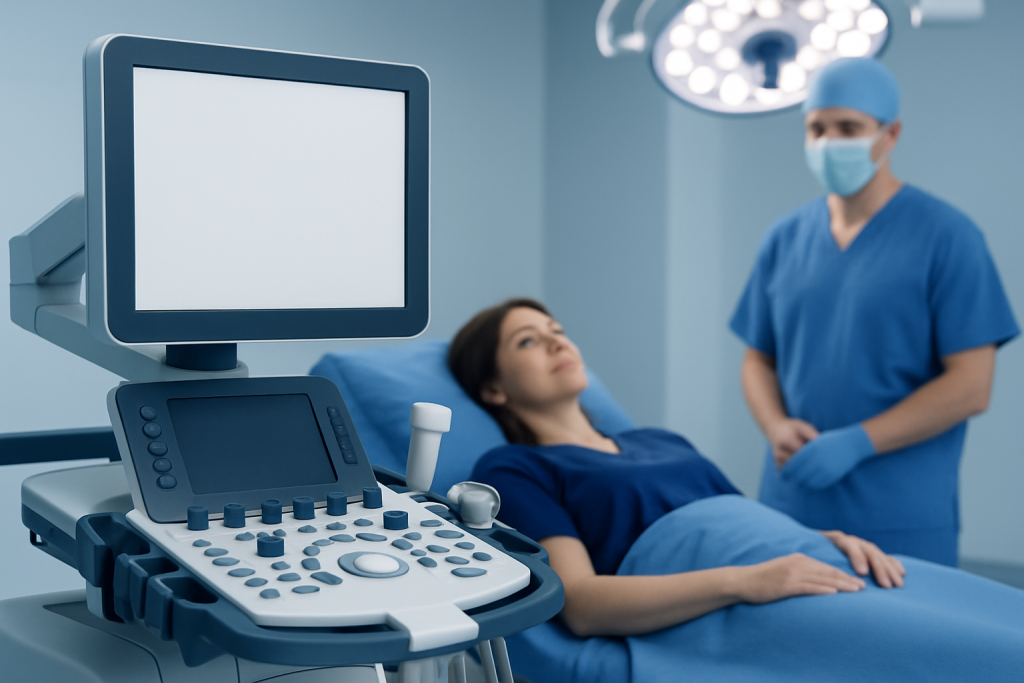
Before surgery, the care team usually confirms the diagnosis with a combination of physical examination, blood tests, imaging, and sometimes biopsy. Thyroid function tests help show whether the gland is overactive, underactive, or working normally. Ultrasound is central because it shows the size, shape, and features of nodules and nearby lymph nodes.
If a nodule has concerning characteristics, a fine-needle aspiration biopsy may be done to look at the cells. In some cases, the result is clear enough to support surgery; in others, it remains uncertain, and partial thyroidectomy becomes both a diagnostic and therapeutic step.
Preoperative assessment also includes reviewing medications, allergies, anesthesia risks, voice history, and prior neck surgery. For patients traveling from abroad, surgeons often review existing scans and biopsy slides in advance, which can reduce unnecessary repeat testing and help plan the visit efficiently.
Treatment Options and the Procedure
Partial thyroidectomy is usually performed under general anesthesia. The surgeon makes a small incision in the lower front of the neck and carefully separates the tissues to reach the thyroid. The affected lobe or selected portion is then removed while preserving nearby structures, including the parathyroid glands and recurrent laryngeal nerve when possible.
The operation may take less time than a total thyroidectomy, but the exact duration depends on the anatomy, the reason for surgery, and whether lymph nodes also need assessment. In some hospitals, minimally invasive approaches may be used for selected patients, though the open neck incision remains the standard and most widely used method.
After surgery, the removed tissue is sent to pathology for detailed examination. This step is important because it confirms the diagnosis and helps guide whether any further treatment is needed. If cancer is found or risk features are identified, the team may discuss observation, additional surgery, or another therapy depending on the case.
Benefits, Risks, and Possible Complications
The main benefit of partial thyroidectomy is that it treats the problem while leaving part of the gland in place. This can help some patients maintain normal thyroid hormone production and avoid lifelong medication, although this is not guaranteed. It may also be a more limited operation for certain benign or low-risk conditions.
As with any surgery, there are risks. These include bleeding, infection, pain, temporary swallowing discomfort, scar formation, and reactions related to anesthesia. Because the surgery is near the vocal cords, temporary hoarseness can happen, and less commonly, nerve injury may affect the voice for a longer period.
Low calcium is more strongly associated with total thyroidectomy, but it can still be discussed in the counseling process because the parathyroid glands are near the surgical field. Some people will need thyroid hormone after a partial thyroidectomy if the remaining tissue does not make enough hormone or if pre-existing thyroid disease was already present.
- Possible temporary voice changes
- Neck discomfort or tightness during healing
- Need for thyroid hormone replacement in some patients
- Pathology findings that require a second discussion of treatment
Recovery and Self-care
Recovery after partial thyroidectomy is often relatively quick, but healing still takes time. Many patients go home the same day or after a short hospital stay, depending on the surgical plan and their overall condition. Mild soreness, swallowing discomfort, or a pulling sensation in the neck is common early on and usually improves gradually.
During the first days after surgery, patients are typically advised to rest, keep the incision clean and dry, and avoid heavy lifting or strenuous activity until the surgeon approves it. A follow-up visit is usually arranged to check the wound, review pathology, and decide whether thyroid hormone tests are needed.
Self-care also includes paying attention to the body’s signals. Persistent fever, swelling, shortness of breath, increasing pain, trouble speaking, or symptoms of low calcium such as tingling around the mouth or in the fingers should be reported promptly. For patients returning to another country, the discharge plan should clearly explain wound care, medication instructions, and who to contact if concerns arise after travel.
Long-term Follow-up and When to See a Doctor
After partial thyroidectomy, follow-up is important even when recovery seems smooth. Blood tests may be used to check thyroid hormone levels several weeks after surgery, because the remaining thyroid tissue sometimes needs time to stabilize. If the pathology was concerning, imaging or specialist review may be recommended as part of ongoing surveillance.
Patients should seek medical advice if they develop a rapidly enlarging neck swelling, breathing difficulty, persistent hoarseness, significant bleeding from the incision, or symptoms that do not improve as expected. It is also reasonable to ask about follow-up timing before traveling home, especially if test results will return after discharge.
At Acibadem Health Point, multidisciplinary specialists and JCI-accredited hospitals diagnose and treat thyroid conditions for international patients, with care plans designed to support both the surgery and the recovery journey. The aim is a clear diagnosis, careful follow-up, and practical guidance that helps patients move through treatment with confidence.
Frequently asked questions
01What is the difference between partial thyroidectomy and total thyroidectomy?
Partial thyroidectomy removes only one lobe or part of the thyroid, while total thyroidectomy removes the entire gland. The partial approach may preserve more natural hormone production, but the right choice depends on the diagnosis and surgical goals.
02Will thyroid hormone replacement be needed after partial thyroidectomy?
Not everyone needs hormone replacement after partial thyroidectomy, because the remaining thyroid tissue may work well on its own. Some people do need medication later if hormone levels become low or if they already had thyroid dysfunction before surgery.
03How long does recovery usually take?
Many people feel ready for light activity within a short time, but full recovery varies by individual and by the reason for surgery. The neck incision and internal healing continue after the first few days, so follow-up instructions should be followed carefully.
04Can partial thyroidectomy treat thyroid cancer?
Yes, in selected cases of small, low-risk thyroid cancer, removing one side of the thyroid may be an appropriate treatment. The final decision depends on pathology, ultrasound findings, and whether there are signs that more extensive surgery is needed.
05What symptoms should be checked after surgery?
New or worsening breathing trouble, heavy bleeding, fever, or a rapidly increasing neck swelling should be assessed promptly. Persistent hoarseness or tingling around the mouth or fingers should also be reported to the surgical team.
06Is partial thyroidectomy done as an outpatient procedure?
It can be, depending on the patient’s condition, the surgeon’s preference, and how the procedure goes. Some patients go home the same day, while others stay longer for observation and pain control.
This article is for general information only and is not a substitute for professional medical advice. Please consult a qualified doctor about your individual situation.
Oncology care in Turkey — second opinion and treatment plan
JCI-accredited · board-certified surgeons · reply within 24h
Add us as a Preferred Source to see more of our trusted health content across Google Search, AI Overviews and Discover.